
In the competitive landscape of global commerce, a brand’s visual identity serves as a silent ambassador, communicating values, heritage, and positioning before a single word of copy is read. Among the pantheon of animal icons used in corporate identity—the lion’s strength, the eagle’s vision, the horse’s speed—the stag occupies a unique and multifaceted niche. To understand what the stag symbolizes in a branding context is to explore the intersection of ancient archetype and modern consumer psychology.
The stag is more than a mere woodland creature; it is a “Monarch of the Glen,” a symbol of grace, endurance, and natural authority. For brands ranging from century-old distilleries to modern financial institutions, the stag serves as a strategic tool to evoke a sense of premium quality, steadfastness, and an aspirational connection to the wild.
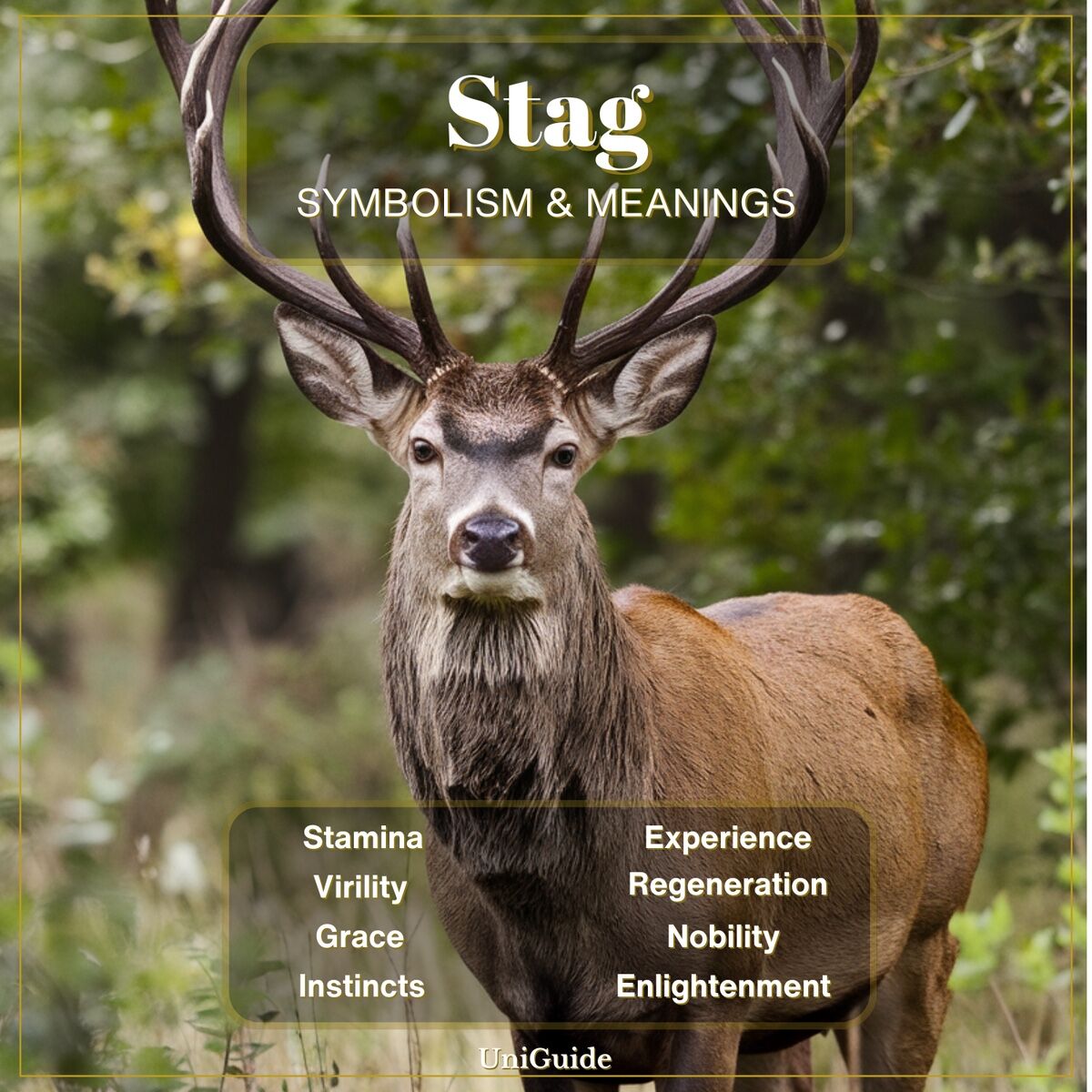
The Psychology of the Stag: Leadership and Natural Authority
In brand strategy, symbols are chosen to tap into collective unconscious associations. The stag, particularly the “Royal Stag” with its twelve-point antlers, is a powerful archetype of leadership. Unlike the predatory aggression associated with the lion or the wolf, the stag represents a more measured, sovereign form of power. It is a protective figure, a guardian of the forest that commands respect through presence rather than force.
The Archetype of the Sovereign
From a branding perspective, the stag aligns with the “Sovereign” or “Ruler” archetype. Brands that adopt this icon are often positioning themselves as leaders in their field—not through disruption or rebellion, but through established excellence and an inherent right to lead. This is particularly effective in industries where trust and stability are paramount. When a consumer sees a stag, they subconsciously register a sense of “noble” quality. It suggests that the brand does not need to shout to be heard; its stature is evident in its silhouette.
Vitality and Growth
The stag’s antlers are one of the most potent symbols of regeneration and growth in the natural world. Because antlers are shed and regrown annually, becoming larger and more complex with each cycle, the stag symbolizes a brand that is both grounded in tradition and capable of constant renewal. This duality is a goldmine for brand strategists. It allows a company to claim “heritage” while simultaneously signaling “innovation” and “future-readiness.” The antlers represent a branching out—the expansion of product lines or the scaling of a business—while the sturdy body of the stag represents the core values that remain unchanged.
Case Studies: Heritage, Longevity, and Market Dominance
To truly grasp the strategic utility of the stag, one must look at the brands that have successfully integrated the icon into their corporate DNA. These case studies illustrate how the symbol can be adapted to serve different brand narratives, from rugged industrialism to high-end luxury.
The Hartford: The Guardian of Security
In the financial services sector, The Hartford Financial Services Group has used the stag (specifically a “Hart,” an archaic term for a male deer) as its logo since the mid-19th century. In this context, the stag symbolizes protection and stability. The icon was inspired by Sir Edwin Landseer’s famous 1851 painting, The Monarch of the Glen. By adopting this imagery, The Hartford aligned itself with the dignity and resilience of the animal. In an industry where consumers are looking for a “safe harbor” for their investments and insurance needs, the stag acts as a visual promise of steadfastness. It suggests that the company, like the stag in a storm, will remain standing and vigilant.
Glenfiddich and Dalmore: The Spirit of Heritage
The spirits industry, particularly Scotch whisky, has a long-standing love affair with the stag. Glenfiddich, whose name literally translates to “Valley of the Deer” in Gaelic, uses the stag to emphasize its geographical roots and its “maverick” spirit. Here, the stag represents the purity of the Highland environment and a connection to a wild, untamed history.
Conversely, The Dalmore utilizes a 12-pointed Royal Stag emblem. This choice is rooted in a historical legend involving the Mackenzie clan saving King Alexander III from a charging stag. In this instance, the stag symbolizes “The Royal” and “The Rare.” For Dalmore, the icon is a badge of premium exclusivity. It justifies a higher price point by wrapping the product in a cloak of aristocratic history and legendary bravery.
Deere & Company: Rugged Reliability
In the world of heavy machinery and agriculture, John Deere’s “Leaping Deer” is one of the most recognizable logos in existence. While technically a deer rather than a majestic stag, the symbolism remains consistent: power, speed, and efficiency. The leaping posture suggests progress and momentum. For John Deere, the deer symbolizes the brand’s connection to the land and its commitment to those who work it. It is a more utilitarian interpretation of the icon, focusing on the animal’s physical prowess and agility rather than its “royal” connotations.
Visual Semiotics: Decoding the Anatomy of the Stag Logo
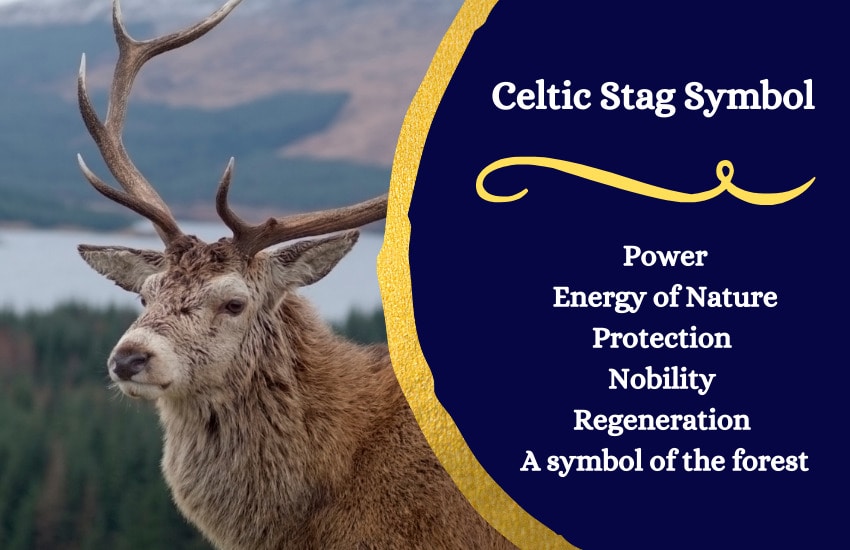
When designing a stag-based identity, the specific visual treatment of the icon can drastically alter the brand message. Visual semiotics—the study of signs and symbols—allows designers to fine-tune the stag to reach a specific target audience.
The Power of the Antlers
The antlers are the most distinctive feature of the stag and are often the focal point of the logo.
- Intricate, multi-pointed antlers signify complexity, history, and a “premium” or “luxury” status. They suggest a brand with many layers and a long history of growth.
- Simplified, geometric antlers signify modernity, tech-savviness, and efficiency. This approach is common in modern startups or tech-adjacent firms that want to borrow the stag’s authority but present it through a 21st-century lens.
Posture and Direction
The direction in which the stag faces or moves is a critical strategic choice.
- The Stagnant Stag (Facing Forward or Profile): This posture suggests confidence, observation, and stillness. It is the “sentinel” approach, ideal for brands that want to convey security and permanence.
- The Leaping Stag: This implies “forward-thinking,” “agility,” and “speed.” It is a dynamic choice for brands in competitive markets where being “the fastest” or “the first” is a key selling point.
- The Stag Head (En Face): A direct, forward-facing head-on view is an assertive choice. It creates a direct connection with the consumer, demanding attention and projecting an image of uncompromising quality.
Color Palettes and Brand Perception
The stag is rarely rendered in neon or “loud” colors. In branding, it is almost exclusively paired with a palette that reinforces its natural and noble origins:
- Forest Green: Connects the brand to nature, sustainability, and growth.
- Gold and Metallic Copper: Elevates the stag to a symbol of luxury, wealth, and “gold standard” quality.
- Deep Navy or Burgundy: Evokes traditionalism, corporate stability, and academic prestige.
Strategic Implementation: When Should a Brand Adopt the Stag?
While the stag is a powerful symbol, it is not a universal solution. A brand must evaluate whether the stag’s inherent meanings align with its core mission and market position.
Targeting the High-End Consumer
The stag is an excellent choice for brands aiming for the “Masstige” (mass-prestige) or true luxury tiers. Because of its historical association with European nobility and private hunting estates, the stag carries an “exclusive” baggage that can help a brand justify a premium markup. It appeals to consumers who value tradition, craftsmanship, and a sense of belonging to an “inner circle.”
Grounding a New Brand in “Borrowed” Heritage
For a new brand without decades of history, the stag can provide a sense of “instant heritage.” By utilizing a symbol that is universally recognized as ancient and dignified, a startup can project an image of stability and maturity that belies its actual age. This is a common tactic in the craft beer, artisanal grooming, and “heritage” apparel industries.
Avoiding the Pitfalls of Overuse
The primary risk of using the stag in branding is the potential for clichéd or “template” identities. Because the stag is so popular, a brand must ensure its rendition is distinct and ownable. A generic stag silhouette can make a brand look like an “off-brand” version of its competitors. Differentiation through unique line work, negative space (such as the cross between the antlers in the Jägermeister logo), or unexpected color choices is essential to maintain brand equity.

The Future of the Icon: Minimalist Evolution and Digital Presence
As we move further into a digital-first economy, the stag symbol is undergoing a process of “responsive” evolution. Brands are moving away from the highly detailed, illustrative stag icons of the Victorian era toward minimalist, scalable marks that work as well on a favicon as they do on a billboard.
The modern stag is often reduced to its most essential lines—the curve of the neck and the sweep of the antlers. This minimalism does not diminish the symbolism; rather, it distills it. In a world of digital noise, the clean, recognizable silhouette of a stag offers a moment of clarity and visual “relief.” It suggests that the brand is confident enough to be simple.
Furthermore, the stag is increasingly being used to signal “Environmental Social Governance” (ESG) commitments. As consumers demand more ethical and sustainable practices from brands, the stag—as a representative of the wilderness—becomes a symbol of a brand’s commitment to preserving the natural world. In this context, the stag symbolizes not just the “monarch” of the forest, but the “steward” of the planet.
In conclusion, the stag remains one of the most versatile and evocative symbols in the brand strategist’s toolkit. Whether it is used to denote the rugged durability of a tractor, the centuries-old recipe of a Scotch whisky, or the unwavering protection of an insurance giant, the stag communicates a message of enduring quality. It is a symbol that bridges the gap between the ancient wild and the modern market, providing brands with a visual anchor that is as resilient as the animal it represents. For any brand looking to project authority, grace, and a commitment to growth, the stag is an icon that continues to command the glen of global commerce.
aViewFromTheCave is a participant in the Amazon Services LLC Associates Program, an affiliate advertising program designed to provide a means for sites to earn advertising fees by advertising and linking to Amazon.com. Amazon, the Amazon logo, AmazonSupply, and the AmazonSupply logo are trademarks of Amazon.com, Inc. or its affiliates. As an Amazon Associate we earn affiliate commissions from qualifying purchases.