
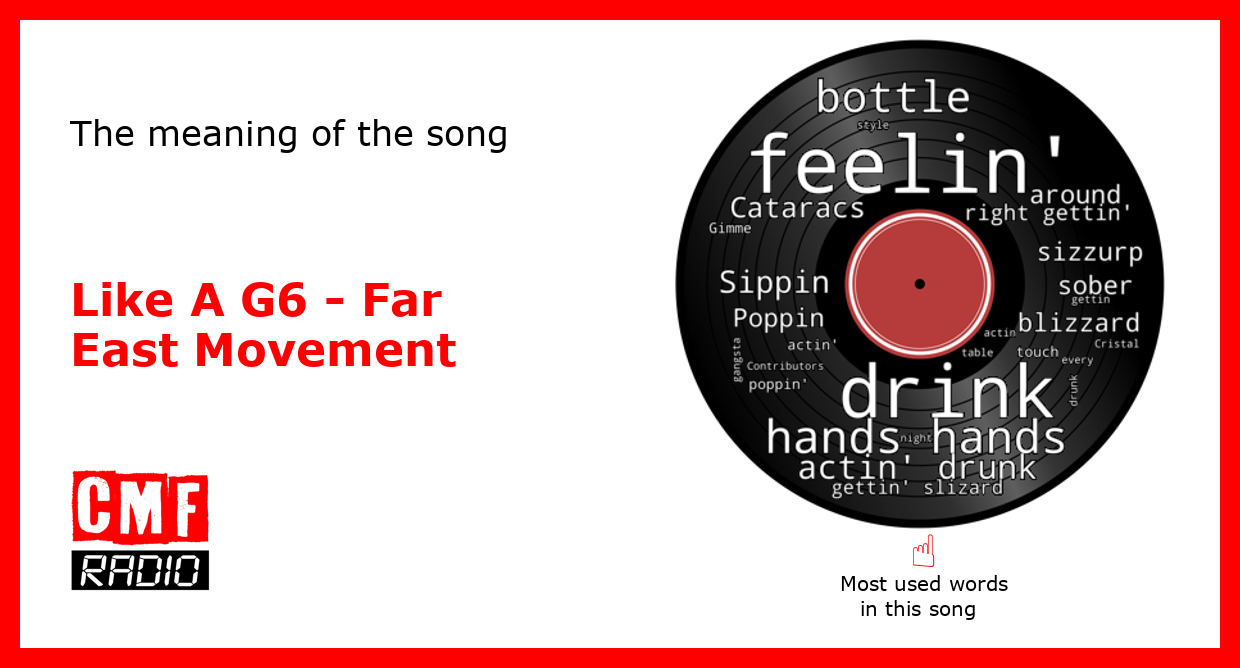
The year 2010 saw an infectious beat and a catchy hook take over airwaves globally with Far East Movement’s hit single, “Like a G6.” Beyond its immediate appeal as a party anthem, the song embedded a specific brand reference so deeply into popular culture that it sparked curiosity, cemented an image, and became a shorthand for a lavish lifestyle. “What does the song G6 mean?” wasn’t just a question about lyrics; it was an inquiry into a brand’s unexpected journey from an elite aviation product to a pop culture phenomenon. For brand strategists, marketers, and those interested in the intricate dance between product and perception, the “G6” narrative offers a rich tapestry of insights into aspirational branding, cultural relevance, and the unpredictable power of popular music.

At its core, “Like a G6” is a celebration of ultimate luxury, exclusivity, and hedonistic indulgence, all personified by the “G6” itself. The “G6” refers to the Gulfstream G650, a state-of-the-art, ultra-long-range business jet that, at the time of the song’s release, was the pinnacle of private air travel. With a price tag well over $60 million, it represented an unattainable dream for most, making it the perfect symbol for an aspirational, no-holds-barred lifestyle. The song’s genius lay in its ability to distil this complex brand identity into a simple, evocative phrase, transforming a high-tech marvel into a universal emblem of status. This wasn’t merely a product placement; it was an organic assimilation of a luxury brand into the very fabric of modern cultural aspiration, offering invaluable lessons on how brands ascend beyond their functional utility to become cultural touchstones.
The G6 as a Cultural Icon: From Aircraft to Anthem
The journey of the Gulfstream G650 from a marvel of aerospace engineering to a pop culture metaphor is a compelling case study in brand evolution. It highlights how certain products, due to their inherent qualities and strategic positioning, can transcend their original purpose to become symbols of broader societal values or aspirations.
The Origin of the “G6”: Gulfstream’s Legacy
Before Far East Movement immortalized it, Gulfstream Aerospace had already meticulously cultivated a brand synonymous with prestige, performance, and exclusivity. Founded in 1958, Gulfstream has consistently pushed the boundaries of business aviation, producing aircraft known for their unparalleled range, speed, comfort, and technological sophistication. The G650, first unveiled in 2008 and entering service shortly after the song’s release, was designed to be the fastest civilian aircraft with the longest range. It boasted a spacious, luxurious cabin, advanced avionics, and the ability to connect distant global cities non-stop.
This reputation wasn’t built overnight; it was the result of decades of consistent innovation, precision engineering, and a targeted marketing strategy aimed at ultra-high-net-worth individuals and corporations. Gulfstream’s brand identity was clear: it offered not just transportation, but an ultimate expression of success, efficiency, and comfort for the world’s elite. The “G6” in the song, therefore, wasn’t just any plane; it carried the weight of Gulfstream’s established brand equity, symbolizing the apex of luxury air travel and, by extension, an elevated status in life.
How a Luxury Product Became a Pop Culture Metaphor
The transformation of the G650 into the “G6” pop culture metaphor is a testament to the power of succinct, evocative branding. The song stripped away the technical specifications and operational details, leaving only the essence of what the G650 represented: an unbridled, high-flying, opulent experience. The phrase “like a G6” became a shorthand for feeling on top of the world, having limitless resources, and embodying a carefree, luxurious existence.
This cultural osmosis wasn’t a direct marketing campaign by Gulfstream. Instead, it was an organic phenomenon driven by the song’s ability to tap into universal aspirations of wealth, freedom, and enjoyment. The simplification of “G650” to “G6” made it more rhythmic, memorable, and easily integrated into colloquial language. It demonstrated how popular culture can inadvertently—or intentionally, through the artist’s creative lens—take a high-end product and translate its aspirational value into a widely understood cultural symbol, making it accessible conceptually even if not physically or financially.
The Power of Association: Music as a Brand Amplifier
Music possesses an extraordinary ability to amplify brand messages, often far more effectively than traditional advertising. When a brand is referenced in a popular song, it gains an emotional resonance and cultural currency that money alone often cannot buy. For Gulfstream, the mention of “G6” in “Like a G6” was a colossal, albeit unplanned, branding windfall.
The song associated the “G6” with youth, excitement, global travel, and a vibrant party scene. This expanded Gulfstream’s brand perception beyond its traditional, perhaps more staid, corporate image. While Gulfstream’s primary market remained the ultra-wealthy, the song introduced the brand’s ultimate product to a massive, global audience that might never consider purchasing a private jet. This exposure, however, solidified the G6’s status as a quintessential symbol of success and luxury in the collective consciousness. It underscored how cultural relevance, driven by art forms like music, can inadvertently yet powerfully shape a brand’s narrative and extend its aspirational reach far beyond its direct consumer base.
Decoding the “Like a G6” Lifestyle: Branding Aspiration
The enduring appeal of “Like a G6” lies not just in its catchy tune but in the vivid, aspirational lifestyle it paints. This lifestyle, intrinsically linked to the “G6,” offers profound insights into how brands successfully sell dreams and tap into fundamental human desires for status, exclusivity, and self-expression.
The Elements of the “G6” Persona: Luxury, Exclusivity, and Hedonism
The song meticulously crafts a persona centered around three core brand pillars:
-
Luxury: The G6, as a symbol, immediately evokes images of unparalleled comfort, high-end amenities, and a no-expense-spared approach to life. The lyrics describe an environment where champagne flows freely, inhibitions are shed, and every desire is catered to. This is the essence of luxury branding: selling an experience that transcends mere utility and offers an elevated state of being.
-
Exclusivity: Owning or flying a G6 places one in an elite stratum. The song implies a world where access is limited, and those “like a G6” are part of an exclusive club. This exclusivity is a powerful motivator in brand perception, suggesting that possessing or experiencing the brand confers unique status and separates one from the mundane. It fosters a sense of belonging to a desired inner circle.
-
Hedonism: Beyond the material luxury, the “G6” lifestyle is characterized by unadulterated enjoyment and a pursuit of pleasure. It’s about living in the moment, partying relentlessly, and embracing a carefree existence. This element appeals to a primal human desire for freedom and joy, positioning the “G6” not just as a possession, but as a facilitator of ultimate happiness and a release from everyday constraints.
Together, these elements form a potent brand persona that is highly aspirational, inviting listeners to imagine themselves inhabiting this desirable world.
Aspirational Branding in Music: Selling a Dream
Aspirational branding is a cornerstone of luxury marketing, and music serves as an incredibly effective vehicle for its dissemination. Songs like “Like a G6” don’t just entertain; they curate and sell a dream. By associating the “G6” with an idealized lifestyle, the song encourages listeners to project their desires for success, freedom, and enjoyment onto the brand.
The narrative crafted in the song is one of achievement and reward. It suggests that reaching a certain level of success allows one to live “like a G6.” This taps into the psychological drivers behind consumer choices, where purchases are often driven by what they symbolize about the buyer’s identity or desired identity, rather than just their functional benefits. The “G6” becomes a goal, a benchmark for a life well-lived, and a powerful symbol in the broader cultural conversation about what it means to “make it.” For brands, this illustrates the profound impact of connecting a product not just to needs, but to deeply held aspirations and emotional states.
The Psychology of Status Symbols in Consumer Behavior
The “G6” perfectly exemplifies the role of status symbols in consumer behavior. Status symbols are products or services that indicate an individual’s social or economic standing. They are powerful because they communicate wealth, power, and prestige to others, and they can also provide psychological benefits to the owner, such as feelings of accomplishment or superiority.
The Gulfstream G650, as the real-world “G6,” was already a definitive status symbol. The song amplified this by placing it within a context of overt celebration and display of wealth. It reinforced the idea that certain brands are more than just items; they are badges of honor, social markers that define one’s position in the hierarchy. This phenomenon isn’t limited to private jets; it applies to luxury cars, designer fashion, high-end watches, and exclusive experiences. For brands seeking to cultivate a luxury image, understanding and strategically leveraging the psychology of status—how a product can confer identity and perceived value—is paramount. The “G6” meaning transcends the aircraft itself, embodying the ultimate expression of attainment and the magnetic pull of what it represents culturally.
Marketing Implications: When Pop Culture Collides with Corporate Identity
The organic virality of “Like a G6” and its brand reference presented Gulfstream with a unique set of marketing implications, offering both opportunities and potential challenges that illuminate the complexities of modern brand management in a hyper-connected world.
Leveraging Unplanned Brand Mentions: A Double-Edged Sword
For any brand, an unsolicited mention in a globally popular song is invaluable publicity. It bypasses traditional advertising costs and penetrates cultural consciousness with unparalleled authenticity. For Gulfstream, the song undoubtedly boosted brand awareness among demographics far beyond its target market. It positioned the G650 not just as a business tool, but as the ultimate emblem of a cool, lavish lifestyle.
However, such unplanned virality can be a double-edged sword. While it broadened recognition, it also risked diluting the carefully curated corporate identity of Gulfstream. A sophisticated aerospace company might prefer its brand to be associated with innovation, reliability, and executive efficiency, rather than exclusively with late-night clubbing and hedonistic parties. The challenge for Gulfstream, and for any brand in a similar situation, was to acknowledge the cultural moment without fully endorsing a potentially incongruent lifestyle, maintaining brand integrity while subtly benefiting from the heightened visibility. This requires a delicate balance and a sophisticated understanding of brand perception.
The Impact on Gulfstream’s Brand Image: Desirability vs. Demystification
The “Like a G6” phenomenon undeniably enhanced the desirability of the Gulfstream brand, especially its G650 model. It cemented its status as the ultimate “it” private jet, a symbol of unparalleled success that appealed to the aspirational desires of millions. This heightened desirability can translate into stronger brand equity, making the brand more valuable and resilient in the long run.
Conversely, the song also contributed to a certain demystification of the brand. By making “G6” a common phrase, it brought a highly exclusive product into mainstream conversation. While this increased recognition, it could also potentially strip away some of the mystique and exclusivity that is often core to luxury branding. The allure of luxury often lies in its inaccessibility and its distance from the everyday. When a luxury brand becomes a common cultural reference, it risks becoming less “special” to its core, ultra-exclusive clientele. Managing this tension between broad recognition and exclusive appeal is a critical aspect of luxury brand strategy.
Lessons for Brands: Cultivating Cultural Relevance
The “G6” saga offers invaluable lessons for brands seeking to cultivate cultural relevance. While direct manipulation of pop culture can feel forced, fostering an environment where a brand can organically intersect with cultural trends is highly beneficial.
-
Build a Strong Foundational Brand: Gulfstream’s robust reputation for excellence made the G6 a credible symbol of luxury. Without that foundation, the song’s reference would lack depth.
-
Understand Your Brand’s Aspirational Power: Brands should be aware of the unspoken desires and aspirations their products or services fulfill.
-
Be Agile in Brand Storytelling: Be prepared to react to and subtly integrate unexpected cultural moments into your brand narrative, without compromising core values.
-
Embrace Authenticity: Organic cultural references resonate more deeply than manufactured ones. Brands should focus on creating genuine value and identity that others want to celebrate.
The “G6” demonstrated that when a brand truly embodies a powerful aspiration, it can effortlessly transcend its product category and become a shorthand for an entire way of life, driven by the unpredictable yet potent force of popular culture.
Beyond the Hype: The Enduring Power of Brand Storytelling
While the initial buzz around “Like a G6” may have subsided, the lessons it offers on brand storytelling, cultural resonance, and aspirational marketing remain evergreen. The incident serves as a powerful reminder that brands are not merely products or services; they are narratives, symbols, and dreams that reside in the collective consciousness.
From Transient Trend to Lasting Legacy
The “Like a G6” phenomenon, like many pop culture trends, was transient. However, its impact on the Gulfstream brand, and on branding discourse, has proven more lasting. It underscored how even seemingly fleeting cultural moments can contribute to a brand’s long-term legacy. For Gulfstream, it reinforced its position as the ultimate benchmark in private aviation, even if the party anthem aspect eventually faded. This illustrates that while trends come and go, brands that successfully embed themselves into cultural narratives, even unexpectedly, can leverage that exposure to solidify their foundational story and maintain relevance for years to come. The goal is to transcend mere novelty and contribute to a brand’s enduring mythos.
Building Brands That Resonate Across Demographics
One of the most remarkable aspects of the “G6” effect was its ability to resonate across vastly different demographics. While the core market for a Gulfstream jet is extremely niche, the song made “G6” a household term, understood by teenagers, young adults, and older listeners alike as a symbol of peak luxury and aspiration. This showcases the universal appeal of certain brand narratives, especially those tied to success, freedom, and an elevated lifestyle.
For brands, this highlights the importance of crafting a message that, while potentially targeted, possesses an underlying resonance that can be understood and appreciated by a broader audience. It’s about creating a story that transcends specific market segments and taps into shared human desires and aspirations. When a brand’s story is powerful enough, it can bridge demographic divides and create widespread cultural understanding, even if purchasing power differs.
The Art of Crafting an “Iconic” Brand
Ultimately, the story of “Like a G6” and the Gulfstream G650 is about the art of crafting an “iconic” brand. Iconic brands are those that transcend their commercial function to become symbols deeply embedded in culture, evoking strong emotions and associations. They are shorthand for an idea, a lifestyle, or an aspiration.
Gulfstream, through decades of meticulous brand building and an unexpected boost from popular music, achieved this iconic status. The “G6” in the song wasn’t just a jet; it was a feeling, a statement, and a universally recognized symbol of having “made it.” This phenomenon teaches us that iconic brands are built on a foundation of excellence, strategically communicated through compelling narratives, and occasionally catapulted to new heights by the unpredictable yet powerful currents of popular culture. The song “Like a G6” serves as a vivid reminder that the meaning of a brand extends far beyond its product specifications, residing instead in the dreams, aspirations, and cultural conversations it ignites.
aViewFromTheCave is a participant in the Amazon Services LLC Associates Program, an affiliate advertising program designed to provide a means for sites to earn advertising fees by advertising and linking to Amazon.com. Amazon, the Amazon logo, AmazonSupply, and the AmazonSupply logo are trademarks of Amazon.com, Inc. or its affiliates. As an Amazon Associate we earn affiliate commissions from qualifying purchases.