
In the global marketplace, a brand’s identity is forged through a combination of quality, consistency, and trust. For food and beverage companies, one of the most potent symbols of this identity is the kosher certification. To the uninitiated, “kosher” might simply refer to religious dietary laws, but in the context of modern brand strategy, it represents a gold standard of transparency and meticulous quality control. Understanding what it means for food to be kosher is no longer just a matter of theological adherence; it is a strategic maneuver used by the world’s leading brands to signal purity, safety, and inclusivity to a diverse global audience.

The Anatomy of the Kosher Brand: More Than Just Religious Compliance
At its core, for food to be “kosher” means it conforms to the dietary regulations of kashrut, derived from Jewish law. However, from a brand perspective, this definition translates into a rigorous system of checks and balances that ensures a product’s integrity from the farm to the shelf.
Defining the Standard of Purity
In the branding world, “purity” is a high-value keyword. Kosher certification provides an external, third-party validation of this purity. The laws of kashrut dictate three main categories: Meat (Fleishig), Dairy (Milchig), and Pareve (neutral). For a brand, being certified “Pareve” is a massive marketing asset, as it guarantees the product contains neither meat nor dairy, appealing instantly to vegan and lactose-intolerant demographics. By adhering to these strict definitions, a brand eliminates ambiguity in its ingredient list, fostering a sense of reliability.
The Symbolism of the Hechsher
The “hechsher”—the small symbol on a package indicating kosher certification (such as the OU, OK, or Star-K)—is essentially a secondary brand logo. It acts as a stamp of approval that carries significant weight. For a consumer, seeing a recognized hechsher is a shortcut to trust. Brands like Oreo or Coca-Cola utilize these symbols not just to serve a religious niche, but to reinforce their identity as a safe, high-quality choice for all consumers. This symbol tells the story of a brand that is willing to undergo intense scrutiny to prove its commitment to its ingredients.
Building Consumer Trust Through Transparent Certification
Trust is the most valuable currency in modern branding. As consumers become increasingly skeptical of “big food” and complex chemical labels, the transparency required for kosher certification offers a powerful antidote to this skepticism.
The Psychology of Third-Party Validation
A brand telling a consumer that its food is “high quality” is marketing; a third-party rabbinical agency verifying every single ingredient and production line is evidence. This level of oversight provides a layer of psychological comfort. When a brand identifies as kosher, it is essentially inviting a permanent auditor into its kitchen. This transparency builds a narrative of “nothing to hide,” which is a cornerstone of premium brand positioning. Consumers perceive these brands as more disciplined and careful than their non-certified competitors.
Beyond the Religious Market: Appealing to Global Values
While the primary audience for kosher food is the Jewish community, the majority of kosher consumers in North America and Europe are actually non-Jewish. This includes Muslims (who often use kosher as a proxy for Halal), Seventh-day Adventists, vegetarians, and health-conscious individuals. By securing kosher certification, a brand expands its identity to encompass these diverse groups. The brand ceases to be “niche” and becomes “universal.” This inclusivity is a masterstroke in brand strategy, allowing a company to capture multiple market segments with a single certification.
Strategic Market Positioning: The Competitive Edge of Kosher Branding
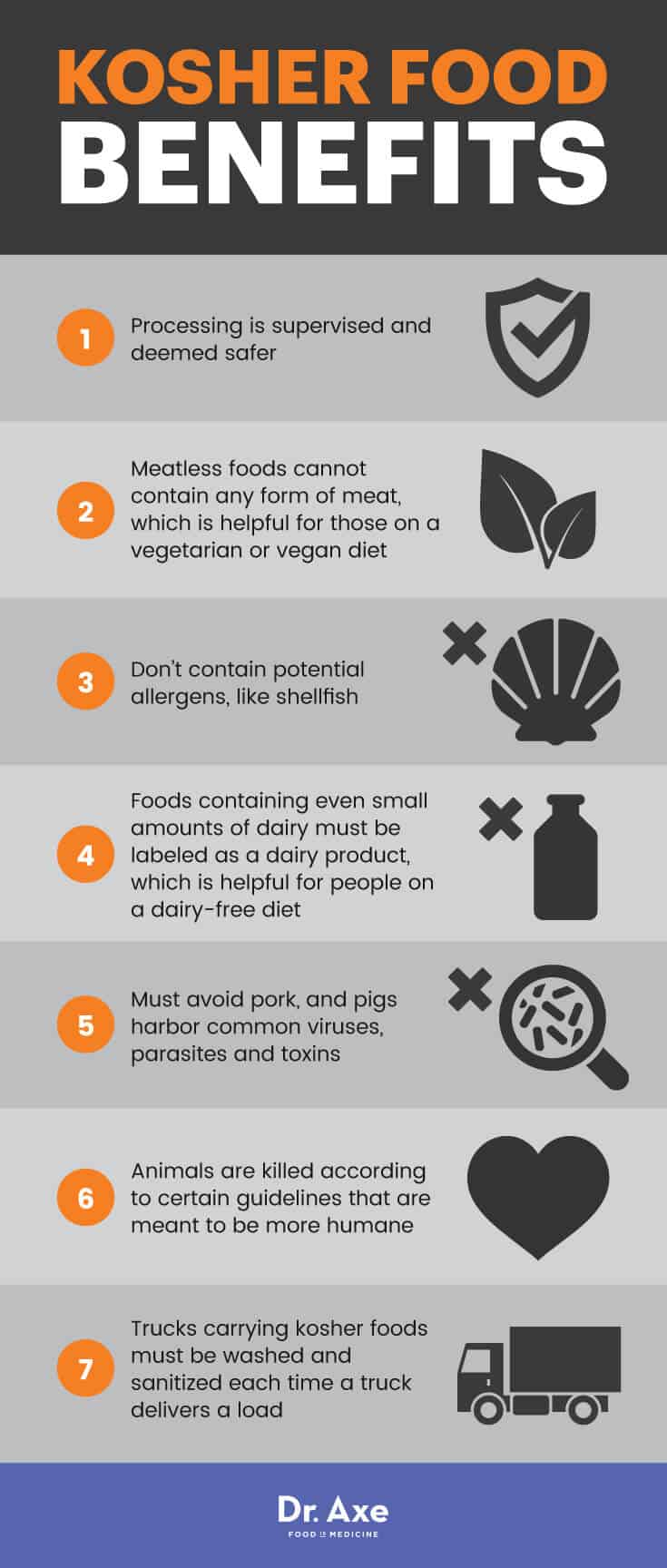
In a saturated marketplace, differentiation is the key to survival. Kosher certification offers a unique competitive edge that can determine whether a product is placed on a supermarket shelf or overlooked.
Expanding Into Global Supply Chains
For B2B brands—those selling flavors, oils, or additives to other manufacturers—being kosher is often a non-negotiable requirement. If an ingredient supplier is not kosher-certified, they automatically disqualify themselves from being used in the thousands of products that carry a kosher label. From a strategic standpoint, “kosher” is a “passport” for a brand’s ingredients to travel through the global supply chain. It ensures that a brand can partner with the largest CPG (Consumer Packaged Goods) companies in the world, who demand kosher compliance to maintain their own brand standards.
Differentiation in a Crowded CPG Marketplace
Consider two identical boxes of crackers on a shelf. One carries a reputable kosher seal, and the other does not. For a consumer who values cleanliness and rigorous oversight, the choice is clear. The kosher-certified brand has successfully differentiated itself through a perceived “premium” status. This isn’t just about religious law; it’s about the brand signaling that it operates at a higher level of operational excellence. This differentiation allows brands to often command a higher price point or, at the very least, secure better shelf positioning in major retail chains.
The Operational Brand: Maintaining Integrity in the Supply Chain
A brand is a promise kept. In the world of kosher food, that promise is maintained through rigorous supply chain management. What it means for food to be kosher is that every step of the process—from sourcing raw materials to the cleaning of the industrial vats—must be documented and verified.
Sourcing and Supplier Relationship Management
To maintain a kosher brand identity, a company must ensure that its suppliers are also held to the same standards. This creates a “network of trust.” If a brand uses a single non-kosher lubricant on its machinery, the entire production run could lose its certification. This level of operational detail forces a brand to have an intimate, granular understanding of its supply chain. This operational rigor often leads to higher overall quality control, which further reinforces the brand’s reputation for excellence.
Risk Management and Brand Protection
The loss of a kosher certification can be a branding catastrophe. It signals a failure in oversight and a breach of trust with a loyal consumer base. Therefore, the processes involved in maintaining kosher status act as a form of risk management. By adhering to these strict protocols, brands are less likely to suffer from contamination issues or labeling errors. In this way, the “kosher” designation acts as a protective shield for the brand’s corporate identity, ensuring that the promise made to the consumer is never broken.
Future Trends: The Intersection of Kosher, Sustainability, and Modern Branding
As we move toward a future defined by ethical consumerism and digital transparency, the meaning of kosher is evolving to meet new brand expectations. The synergy between kosher standards and modern values like sustainability is creating new opportunities for brand growth.
The Rise of Ethical Consumerism
Modern consumers are looking for “clean labels”—products with fewer ingredients, fewer chemicals, and clear origins. The kosher ethos of “knowing what is in your food” aligns perfectly with the “clean label” movement. Brands that market their kosher status alongside their organic or non-GMO credentials are seen as leaders in the ethical food movement. This convergence allows a brand to position itself as both traditional (grounded in ancient wisdom) and modern (focused on health and ethics).

Digital Branding and Real-Time Verification
In the age of AI and blockchain, the way we verify “kosher” is changing. Brands are now exploring ways to use QR codes to provide real-time data on their kosher status and the origins of their ingredients. This digital integration takes the “kosher” brand promise into the 21st century, providing tech-savvy consumers with the immediate transparency they crave. By leveraging technology to support their kosher identity, brands can create a more interactive and trustworthy relationship with their audience.
In conclusion, for food to be kosher means far more than the absence of certain ingredients; it represents a comprehensive commitment to brand integrity, transparency, and market inclusivity. For any company looking to build a resilient and trusted brand in the food and beverage industry, the kosher seal is not merely a religious requirement—it is a strategic asset that communicates a universal message of quality. By mastering the nuances of kosher branding, businesses can navigate the complexities of the global market with a symbol that resonates across cultures, diets, and generations.
aViewFromTheCave is a participant in the Amazon Services LLC Associates Program, an affiliate advertising program designed to provide a means for sites to earn advertising fees by advertising and linking to Amazon.com. Amazon, the Amazon logo, AmazonSupply, and the AmazonSupply logo are trademarks of Amazon.com, Inc. or its affiliates. As an Amazon Associate we earn affiliate commissions from qualifying purchases.