
In the intricate and elegant world of floral anatomy, each component plays a vital role, contributing to the plant’s reproductive success and overall survival. Among these, the sepal, often overlooked or conflated with petals, is a crucial structural element. From a biological engineering standpoint, the sepal acts as a foundational protective housing and a signalling mechanism, safeguarding the delicate reproductive organs during the flower’s nascent stages and contributing to its eventual appeal to pollinators. Understanding the sepal’s function is akin to dissecting the core protective and preparatory mechanisms within any complex biological or technological system, where initial stability and controlled development are paramount.
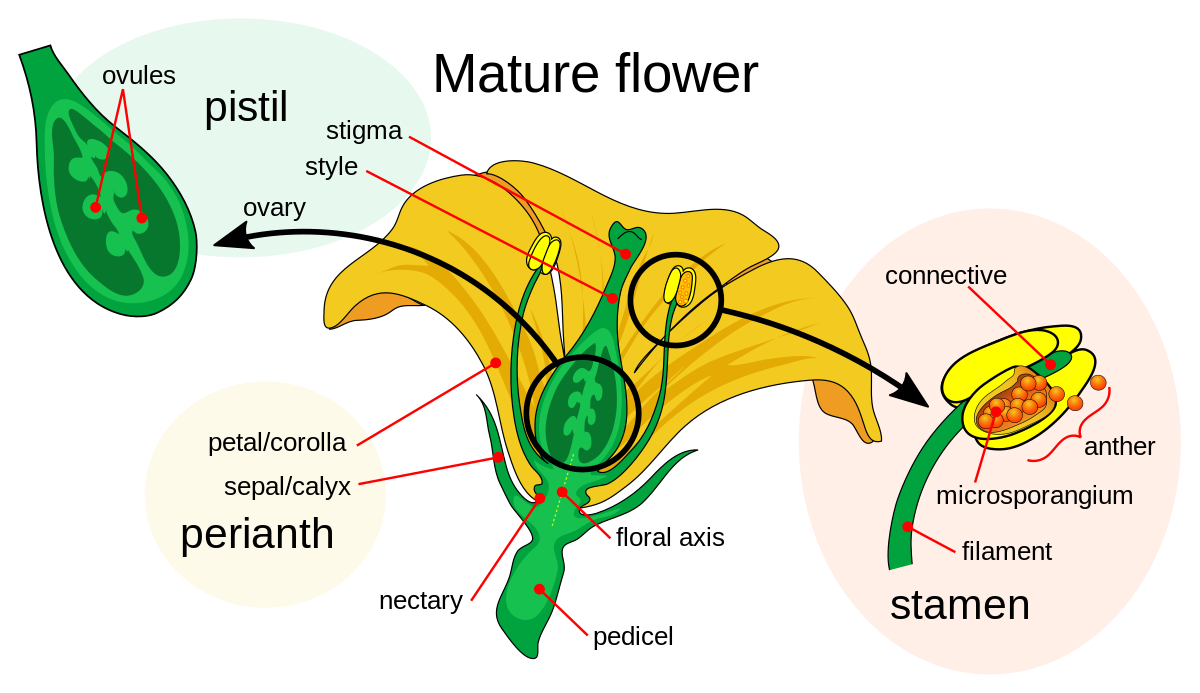
The Sepal: Nature’s Protective Casing and Structural Engineer
The sepal, typically green and leaf-like, forms the outermost whorl of a flower. Its primary function is to enclose and protect the developing flower bud before it opens. This protective role is analogous to the casing or chassis of a technological device, shielding sensitive internal components from environmental damage, physical stress, and opportunistic pests. Without this initial protective layer, the vulnerable reproductive parts of the flower would be exposed to harsh conditions, significantly reducing the chances of successful fertilization and seed production.
Pre-Bloom Protection: A Robust Encapsulation System
Before a flower unfurls, it exists as a bud, a tightly packed structure containing all the nascent floral organs. The sepals meet at the tip of the bud, forming a closed or partially closed unit. This encapsulation is a critical phase of development. The sepals provide a physical barrier against:
- Mechanical Damage: Wind, rain, and physical contact can easily damage delicate tissues. The sepals, being typically tougher and more robust than petals, absorb these impacts, acting as a shock absorber for the developing flower.
- Desiccation: The atmosphere can be drying, especially for young plant tissues. The sepals create a microenvironment around the bud, helping to retain moisture and prevent the delicate inner structures from drying out. This is comparable to the protective seals and casings on electronic devices designed to prevent water ingress and moisture damage.
- Herbivory: Many insects and small animals might attempt to consume the developing flower bud. The sepals, especially when equipped with thorns or bitter compounds, can deter these early-stage herbivores, ensuring the bud reaches maturity. This is akin to the tamper-proof seals and robust enclosures on sensitive equipment that prevent unauthorized access or damage.
- Temperature Fluctuations: Extreme temperatures can be detrimental to developing floral tissues. The sepals provide a degree of insulation, moderating internal temperature and protecting the bud from rapid and potentially damaging temperature swings.
The effectiveness of this protective function is directly linked to the sepal’s morphology and texture. In many species, sepals are rigid, leathery, or even spiny, maximizing their defensive capabilities. The arrangement of sepals also plays a role; they often overlap like scales, creating a seamless protective layer. This design showcases an efficient, low-energy strategy for safeguarding a high-value, developing biological asset.
The Sepal as a Structural Foundation
Beyond mere protection, sepals also contribute to the structural integrity of the flower bud. They hold the other floral parts – petals, stamens, and pistil – in place, preventing them from shifting or becoming damaged during development. This support system is crucial for correct organogenesis, ensuring that each part forms in the intended orientation and position. In a technological context, this is analogous to the internal framework or motherboard support that holds all electronic components in their designated places, ensuring proper connection and function.
Furthermore, when the flower begins to open, the sepals often remain attached at the base of the flower, providing ongoing support for the mature bloom. Their presence can help orient the flower, particularly in species with large or heavy blooms, preventing them from drooping or breaking under their own weight. This structural engineering is a testament to the efficiency and resilience of natural design.
Beyond Protection: The Sepal’s Role in Post-Bloom Functionality
While the primary role of sepals is protective during the bud stage, their function doesn’t always cease once the flower opens. In many species, sepals continue to play significant roles, evolving to serve new purposes related to pollination, seed dispersal, and even post-fertilization development. This adaptability highlights a sophisticated evolutionary programming, where a component’s function can be dynamically re-tasked based on environmental cues and reproductive needs.
Attracting Pollinators: Visual Cues and Structural Support
In some flowers, the sepals are not merely green and leaf-like but are brightly colored and prominent, often resembling petals. This mimicry serves as a crucial visual attractant for pollinators. While petals are often the primary attractors, sepals can contribute significantly to the overall visual display, increasing the flower’s conspicuousness against a backdrop of foliage. Consider this as a multi-layered UI (User Interface) design in technology: while the main screen (petals) is the primary display, secondary indicators or structural elements (sepals) can enhance user engagement and information conveyance.
- Enhanced Visual Signals: In species like the Bougainvillea, the brightly colored structures are actually modified sepals (bracts), with the true petals being small and insignificant. This is a strategic evolutionary optimization, where a more robust and potentially more easily modified structure takes on the primary visual signalling role.
- Nectar Guides and Landing Platforms: Some sepals might be shaped to guide pollinators towards the nectar sources or reproductive organs. Their texture or shape can also provide a stable landing platform for insects, facilitating easier access to the flower’s rewards. This is akin to the tactile feedback or ergonomic design features in a device that improve user interaction.
- Scent and Scent Dispersal: While less common than visual cues, some sepals can also contribute to the flower’s fragrance, further enhancing its attractiveness to pollinators.
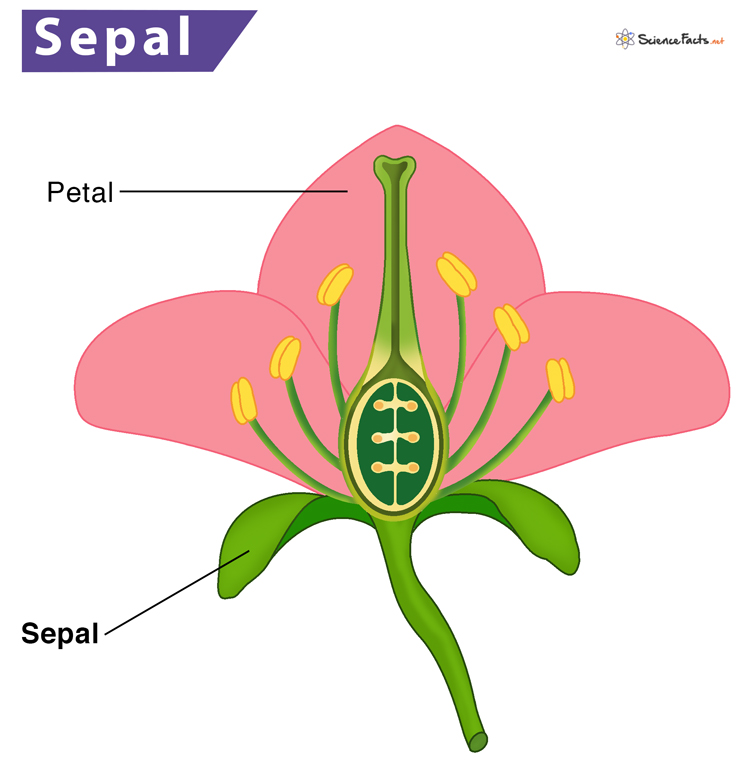
The ability of sepals to adapt their appearance and function underscores the principles of modular design and adaptable functionality found in advanced technological systems. A component designed for one purpose can be reconfigured or augmented to serve additional roles, optimizing resource allocation and evolutionary fitness.
Post-Fertilization Roles: From Protection to Dispersal
After pollination and fertilization, the flower begins to transform into a fruit. In many plant species, the sepals do not wither and fall off immediately. Instead, they often persist and can play important roles in the development and dispersal of the fruit. This post-fertilization persistence is a critical phase, analogous to a product’s lifecycle management where initial protective features are repurposed for later stages of product use or disposal.
- Fruit Protection: In some fruits, like apples and tomatoes, the persistent sepals form a calyx at the base of the fruit, offering continued protection to the developing pericarp (fruit wall) from environmental damage and herbivory. This is akin to post-deployment protective measures or durability features in a technology product.
- Seed Dispersal Aids: In certain plants, the sepals can be modified to aid in seed dispersal. For example, in the genus Alchemilla (lady’s mantle), the sepals enlarge and enclose the fruit, acting as a parachute-like structure that can help the seeds disperse by wind. In other cases, sepals might develop into hooks or sticky appendages that allow fruits to attach to passing animals. This is a clever implementation of biomimicry, where natural structures are engineered to leverage external forces for propagation, much like aerodynamic designs in technology.
- Nutrient Support: In some instances, the sepals may continue to photosynthesize after fertilization, providing a supplementary source of nutrients to the developing fruit. This showcases an integrated system where different components contribute to the overall metabolic needs of the reproductive unit.
Comparative Analysis: Sepals in Different Floral Architectures
The diversity of sepal morphology and function across the plant kingdom provides a rich comparative dataset, illustrating the principles of adaptation and evolutionary optimization. Just as different technologies employ varying design strategies to achieve similar goals, sepals exhibit a spectrum of forms tailored to specific environmental pressures and reproductive strategies.
Sepal Fusion and Variability
Sepals can be free (polysepalous) or fused together to varying degrees (gamosepalous). This fusion can create a more robust protective cup, as seen in many Rosaceae family flowers, or a bell-shaped structure. The degree of fusion often correlates with the environmental conditions the bud needs to withstand. For instance, in arid environments, fused sepals might offer superior protection against desiccation.
Sepal Appendages and Specialized Structures
Beyond simple leaf-like structures, some sepals bear specialized appendages. These might include:
- Bracts: Modified leaves, often larger and more conspicuous than true sepals, that subtend the flower or inflorescence. As mentioned with Bougainvillea, bracts can take over the role of petal-like attractors.
- Spines: Defensive structures that deter herbivores, common in some desert plants.
- Glands: Structures that produce scents or sticky substances for defense or attraction.
- Elaiophores: Structures that produce lipid-rich substances, attracting specialized pollinators like bees that collect pollen and oils.
These variations highlight how the basic sepal unit can be genetically programmed to express a diverse range of traits, optimizing its functionality for a specific ecological niche. This is analogous to the development of different sensor types or communication modules within a single technological platform, each tailored for a specific environmental interaction.
The Absence of Sepals: An Evolutionary Trade-off?
While sepals are a fundamental component of many flowers, some species lack them entirely. This absence might represent an evolutionary trade-off, where resources are redirected to more critical structures or where other protective mechanisms have evolved. For example, in some wind-pollinated plants, elaborate floral structures are unnecessary, and a simpler architecture prevails. The absence of sepals in such cases can be seen as an optimization strategy, shedding non-essential components to improve efficiency in a particular mode of reproduction.
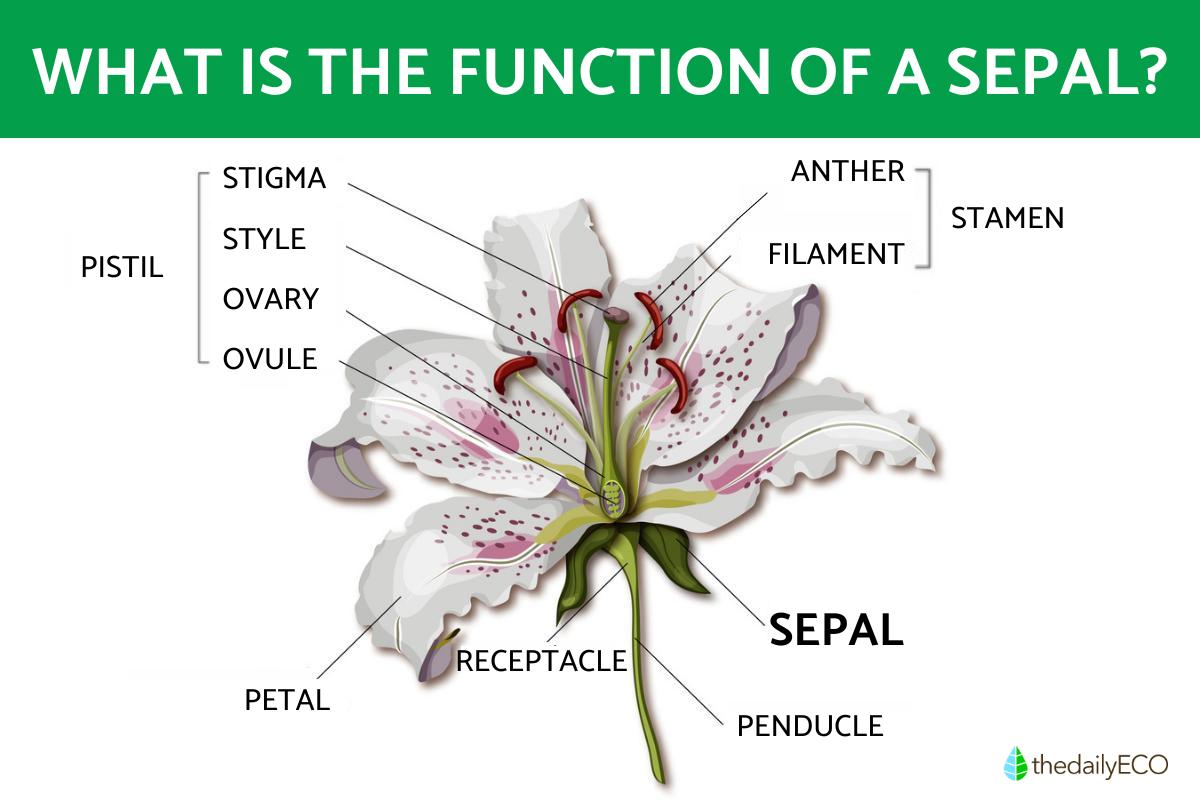
Conclusion: The Sepal as a Masterclass in Biological Design
The sepal, from its fundamental role as a protective casing for the developing bud to its potential for visual signalling and post-fertilization support, exemplifies the sophisticated engineering inherent in biological systems. It acts as a robust, adaptable component, ensuring the survival and reproductive success of the plant. Its diverse forms and functions across the plant kingdom offer a compelling study in evolutionary optimization, demonstrating how basic structures can be modified and repurposed to meet a wide array of ecological challenges. By understanding the sepal’s multifaceted contributions, we gain a deeper appreciation for the intricate design principles that underpin the beauty and resilience of the natural world, much like deconstructing the elegant functionality of cutting-edge technology reveals the underlying ingenuity.
aViewFromTheCave is a participant in the Amazon Services LLC Associates Program, an affiliate advertising program designed to provide a means for sites to earn advertising fees by advertising and linking to Amazon.com. Amazon, the Amazon logo, AmazonSupply, and the AmazonSupply logo are trademarks of Amazon.com, Inc. or its affiliates. As an Amazon Associate we earn affiliate commissions from qualifying purchases.