
In the competitive landscape of global marketing, symbols act as the shorthand of human emotion. Among the most potent and enduring of these symbols is the sakura, or cherry blossom. While its roots are deeply embedded in Japanese culture and philosophy, the sakura has transcended its geographical origins to become a powerhouse in brand strategy, corporate identity, and consumer psychology. For a brand, the sakura does not merely represent a flower; it symbolizes a sophisticated blend of transience, renewal, and the exquisite beauty of the present moment.
Understanding what the sakura flower symbolizes within a branding context requires a deep dive into the intersection of cultural heritage and modern market dynamics. When a brand integrates the sakura into its visual or narrative identity, it is tapping into a pre-existing reservoir of meaning that resonates with consumers on an instinctive level. From luxury fashion houses to technology giants, the strategic use of this motif allows companies to communicate complex values—such as innovation, fragility, and prestige—without uttering a single word.

The Psychology of Ephemerality: Creating Urgency through “Mono no aware”
At the heart of sakura symbolism is the concept of mono no aware, a Japanese term that translates roughly to “the pathos of things” or an awareness of impermanence. In brand strategy, this translates to the ultimate tool for driving consumer behavior: the psychological trigger of ephemerality.
The Power of the Limited-Time Offer (LTO)
The sakura blooms for only a week or two before the petals fall. Brands mirror this natural phenomenon through “Sakura Editions” or seasonal product lines. By aligning a product release with the fleeting nature of the cherry blossom, marketers create an inherent sense of urgency. This is not just a marketing gimmick; it is a strategic alignment with the flower’s symbolic DNA. When a consumer sees a sakura-themed product, they subconsciously understand that its availability is as brief as the bloom itself. This triggers the “Fear Of Missing Out” (FOMO), driving higher conversion rates and immediate sales spikes that perennial products rarely achieve.
Elevating the Customer Experience through Transience
Beyond sales, the symbolism of transience elevates the brand’s perceived value. In a world of mass production and infinite digital availability, something that is temporary feels inherently more “premium.” Luxury brands, in particular, use the sakura to signal that their offerings are precious and rare. The flower serves as a reminder that the opportunity to engage with the brand is a special event, transforming a standard transaction into a significant, time-bound experience.
Rebirth and Innovation: The Sakura as a Metaphor for Brand Renewal
In Japanese culture, the blooming of the sakura coincides with the start of the fiscal and academic year. Consequently, the flower is a universal symbol of new beginnings and rebirth. For a brand undergoing a pivot, a merger, or a total rebrand, the sakura provides a powerful visual metaphor for transformation.
Navigating Corporate Rebranding
When a legacy brand needs to signal a shift toward innovation or a “fresh start,” the sakura motif can soften the transition. It suggests that the brand is shedding its old skin (the winter) and entering a period of vibrant growth (the spring). This symbolism is particularly effective in industries characterized by rapid change, such as tech or fintech. By adopting the sakura as a temporary or permanent element of their identity, these companies communicate a commitment to constant evolution and the “blossoming” of new ideas.
The Aesthetic of Innovation
The structure of the sakura flower—delicate yet resilient—is often used to symbolize “soft innovation.” This is the idea that progress does not always have to be aggressive or disruptive; it can be organic, beautiful, and harmoniously integrated into the user’s life. Brands that focus on user-centric design often leverage the sakura’s shape and color palette to suggest that their technology is a natural extension of the human experience, rather than a cold, mechanical intrusion.
Visual Identity and the “Sakura Pink” Palette
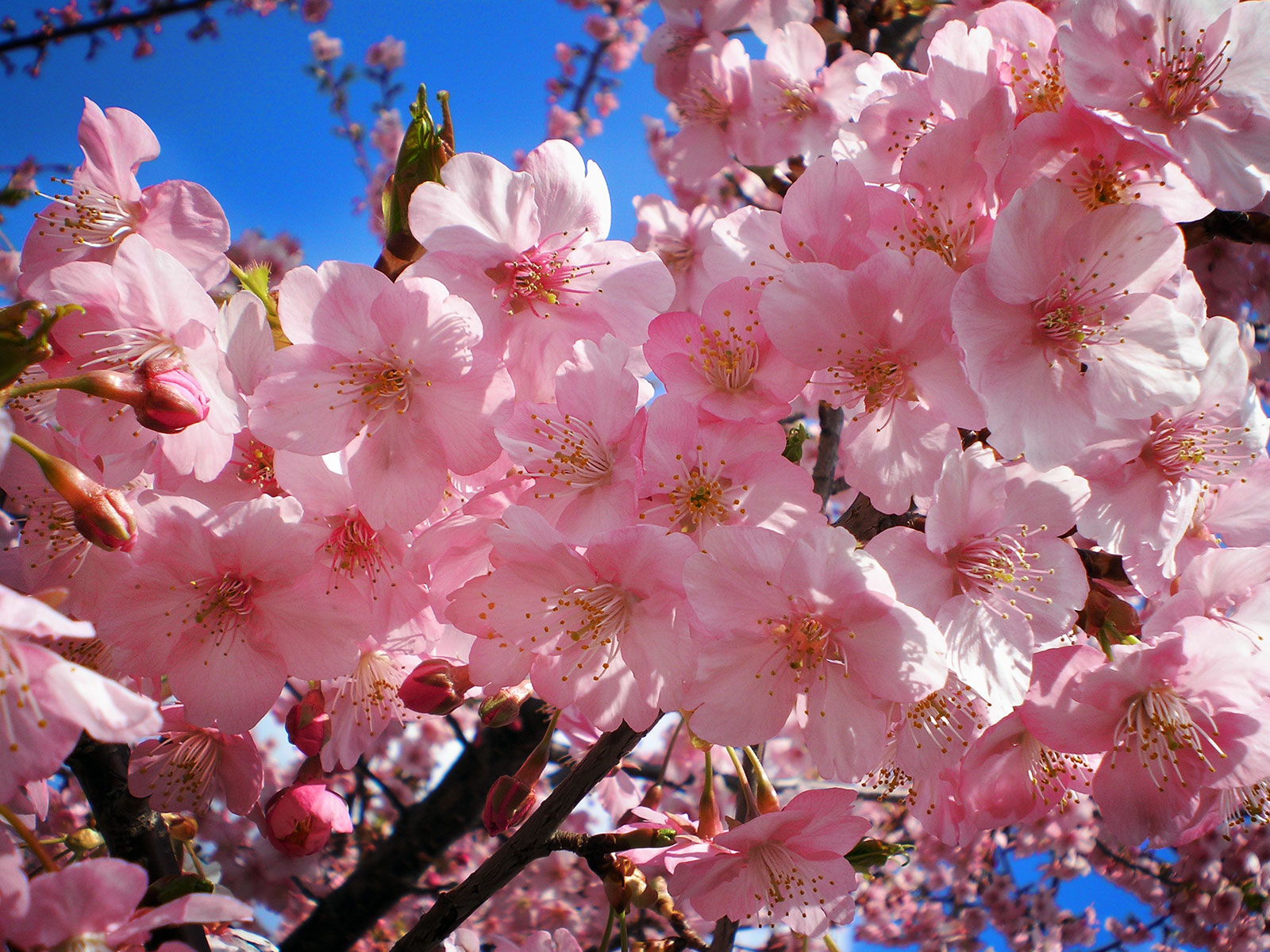
Color theory plays a pivotal role in brand strategy, and the specific shades associated with the sakura—ranging from pale blush to vibrant magenta—carry heavy symbolic weight. “Sakura pink” has evolved into a specific category within design circles, representing a balance between sophistication and approachability.

The Emotional Resonance of the Color Palette
While pink is often associated with femininity in Western contexts, the sakura pink used in branding is more nuanced. It symbolizes vitality, health, and a high level of craftsmanship. In the cosmetics and skincare industries, this palette is used to denote “natural” beauty and rejuvenation. However, in recent years, tech brands have adopted these hues to humanize their interfaces. The warmth of the sakura palette helps to reduce the “coldness” of digital products, making them feel more accessible and emotionally resonant.
Minimalism and Design Integrity
The physical form of the cherry blossom is a masterclass in natural minimalism. Its five petals represent a balanced, radial symmetry that designers often use to create logos and icons that feel stable yet light. A brand that utilizes sakura-inspired design elements is often perceived as being detail-oriented and valuing “quiet luxury.” This minimalist approach allows the brand to stand out in a cluttered marketplace by offering visual “breathing room” to the consumer.
Global Localization: Bridging Cultures through Shared Symbols
One of the most complex challenges in brand strategy is localization—making a global brand feel domestic in different markets. The sakura serves as a unique bridge in this regard. While it is undeniably Japanese, its themes of spring and renewal are universal.
The “Sakura Effect” in Global Retail
Global giants like Starbucks, Coca-Cola, and various high-end fashion houses have successfully utilized the “Sakura Effect.” Every spring, these brands release Japan-exclusive collections that are often sought after by global collectors. This strategy does two things: it shows a deep respect for local culture (strengthening brand loyalty in the Asian market), and it builds global “brand heat” as international consumers clamor for these limited-edition items. The sakura symbolizes a brand’s ability to be globally relevant while remaining culturally sensitive.
Cross-Cultural Symbolism and Prestige
In Western markets, the sakura is often associated with high-end “Zen” aesthetics and Japanese craftsmanship (Monozukuri). Brands that want to project an image of precision, quality, and artistic integrity will often incorporate sakura elements into their packaging or storytelling. By doing so, they inherit the cultural prestige associated with Japanese design standards. The flower becomes a seal of quality, suggesting that the product is the result of careful thought and a long-term vision.
Ethical Branding and the Connection to Nature
In the modern era, a brand’s environmental and ethical stance is a core component of its identity. The sakura, as a pure product of nature, is frequently used to symbolize a brand’s commitment to sustainability and “green” initiatives.
Symbolizing Sustainable Growth
Unlike artificial symbols, the sakura is tied to the cycles of the earth. Brands that focus on sustainability use the flower to represent their alignment with natural cycles rather than exploitative ones. It symbolizes a “circular” approach to business—where growth is beautiful, seasonal, and leaves no permanent scar on the environment. This is particularly effective for brands in the organic food, sustainable fashion, and “clean” beauty sectors.
Corporate Social Responsibility (CSR) and Community
The tradition of hanami (flower viewing) is a communal activity. In a corporate context, the sakura can symbolize a brand’s commitment to community and social cohesion. By sponsoring sakura festivals or creating “blossom-themed” community spaces, brands move beyond being mere vendors of goods. They become patrons of culture and facilitators of human connection. In this light, the sakura symbolizes the brand’s “heart”—its dedication to the well-being of the society in which it operates.
Conclusion: The Strategic Future of the Sakura
The sakura is far more than a seasonal decoration; it is a sophisticated branding tool that offers a rich vocabulary for communicating complex corporate values. For a brand, it symbolizes the delicate balance between the fleeting nature of market trends and the enduring power of a well-crafted identity.
Whether used to drive urgent sales through seasonal scarcity, to signal a bold new direction through the theme of rebirth, or to project an image of ethical and minimalist sophistication, the cherry blossom remains one of the most versatile symbols in the strategist’s toolkit. As brands continue to seek deeper emotional connections with their audiences, the symbolism of the sakura will undoubtedly continue to bloom, offering a perennial reminder that in the world of branding, beauty and transience are often the keys to lasting impact.
aViewFromTheCave is a participant in the Amazon Services LLC Associates Program, an affiliate advertising program designed to provide a means for sites to earn advertising fees by advertising and linking to Amazon.com. Amazon, the Amazon logo, AmazonSupply, and the AmazonSupply logo are trademarks of Amazon.com, Inc. or its affiliates. As an Amazon Associate we earn affiliate commissions from qualifying purchases.