
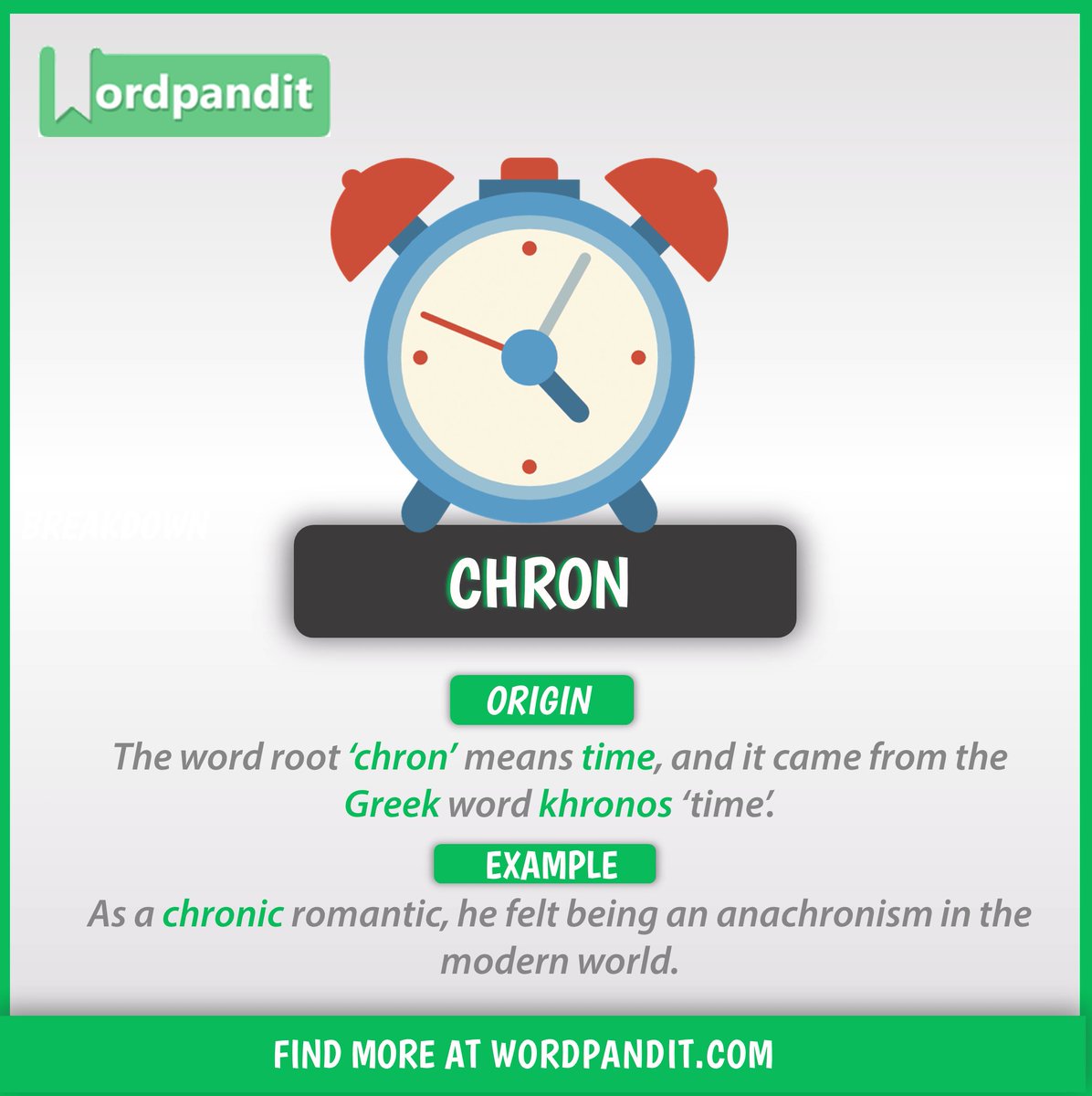
In the realm of etymology, the root “chrono” finds its origins in the Greek word khronos, meaning “time.” While this root has historically anchored words like “chronology” or “chronometer,” its significance has shifted from the mechanical world to the digital frontier. In the modern technology landscape, “chrono” serves as the invisible backbone of almost every system we interact with. From the heartbeat of a microprocessor to the complex sequencing of blockchain transactions, understanding what “chrono” means in a tech context is essential for grasping how our digital world maintains order, security, and efficiency.
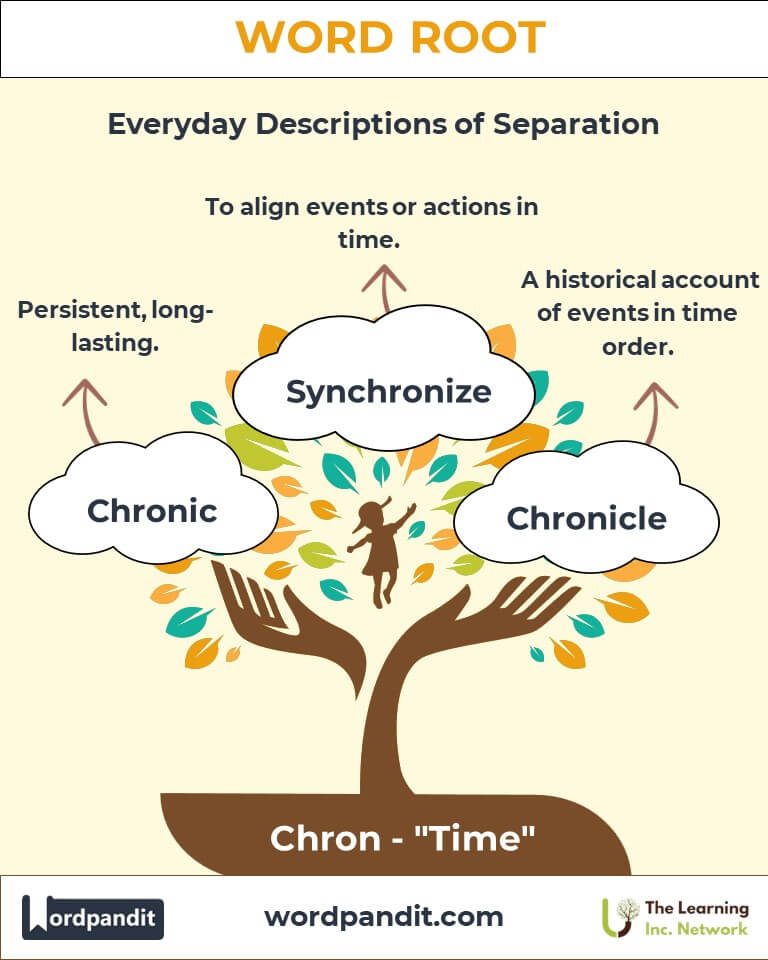
In tech, “chrono” is not just about telling time; it is about the precise orchestration of data, the synchronization of global networks, and the ability of software to predict future outcomes based on historical sequences. As we move further into the era of Big Data and Artificial Intelligence, the “chrono” element—temporal data—has become one of the most valuable assets in a developer’s toolkit.
The Foundation of Time in Computing Architecture
At the most fundamental level, computers are time-keeping machines. Every action a processor takes is governed by a clock cycle. Without the “chrono” element, a CPU would have no way to sequence instructions, leading to immediate system collapse.
Understanding System Clocks and Latency
The system clock is the rhythmic pulse of a computer. When we discuss gigahertz (GHz) speeds, we are essentially discussing how many billions of “chrono-intervals” a processor can execute per second. In high-performance computing, the management of these intervals is critical. Latency—the delay between a command and its execution—is the primary enemy of tech efficiency. Engineers work tirelessly to reduce “chrono-drift,” a phenomenon where internal clocks lose synchronization, which can lead to data corruption or system crashes in complex hardware environments.
The Role of ‘Cron’ in Automated Scripting
One of the most direct applications of the root word in software is the “cron job.” Derived from “chronos,” a cron job is a time-based job scheduler in Unix-like operating systems. Developers use cron to automate repetitive tasks—such as backups, system updates, or data scraping—at specific intervals. Whether it is a script that runs every day at midnight or a cleanup process that triggers every hour, the “chrono” logic allows software to operate autonomously, removing the need for human intervention and ensuring that “system time” is used productively.
Time-Series Databases: Measuring Data Over Intervals
In the world of software engineering and data science, “chrono” takes the form of Time-Series Data. Unlike traditional relational databases that store a “snapshot” of information, time-series databases are designed specifically to track how data points change over a chronological sequence.
Why Sequential Data Matters for Big Data
Modern tech companies, from Uber to Netflix, rely on time-series databases like InfluxDB or Prometheus. The “chrono” root here signifies a shift in how we view information. For an IoT (Internet of Things) device, such as a smart thermostat, a single temperature reading is useless in isolation. The value lies in the “chronological” string of readings—how the temperature fluctuates over minutes, hours, and days. This sequential data allows systems to identify patterns, detect anomalies, and optimize performance in real-time.
Real-Time Analytics and Predictive Modeling
The “chrono” aspect of data is what enables predictive AI. By analyzing historical sequences, machine learning models can forecast future trends. For example, in cybersecurity, “chrono-analysis” allows AI tools to monitor network traffic. If a user’s behavior deviates from their usual chronological pattern—such as logging in at 3:00 AM from a new IP address—the system can flag a potential breach. In this context, “chrono” means security through temporal awareness.
Synchronicity and Distributed Systems
As technology has moved away from isolated machines toward distributed cloud computing, the meaning of “chrono” has expanded to include “synchronicity.” When thousands of servers work together to host a single application, they must all agree on what time it is.
The Challenge of Network Time Protocol (NTP)
Maintaining a “single source of truth” for time across the globe is one of the greatest challenges in digital infrastructure. The Network Time Protocol (NTP) is the tech standard that ensures your smartphone, your laptop, and the server hosting your favorite website are all synchronized to the same millisecond. If the “chrono” alignment fails, distributed databases can experience “split-brain” scenarios, where different servers have conflicting versions of the same data, leading to catastrophic loss of information.
Chronological Integrity in Blockchain and Ledgers
Perhaps the most modern evolution of the root “chrono” is found in blockchain technology. A blockchain is, by definition, a chronological chain of blocks. Each block contains a timestamp that links it to the previous one, creating an immutable history. In the world of decentralized finance (DeFi) and crypto, “chrono” stands for trust. Because the sequence of transactions is protected by cryptographic hashing, no one can “go back in time” to alter a record. The chronological order is the very thing that prevents double-spending and ensures the integrity of the ledger.
The Future of ‘Chrono-Tech’: AI and Temporal Processing
As we look toward the next decade of innovation, the root “chrono” is becoming increasingly central to the development of advanced Artificial Intelligence and Edge Computing. We are moving beyond simple clocks and into the realm of “temporal intelligence.”
Recurrent Neural Networks (RNNs) and Time Sensitivity
Traditional AI models often struggle with context, but Recurrent Neural Networks (RNNs) and Long Short-Term Memory (LSTM) networks are designed specifically to handle “chrono-dependent” information. These AI tools are used for language translation and speech recognition because they understand that the meaning of a word depends on the words that came before it in time. By mastering the “chrono” element of human communication, AI is becoming more fluid, natural, and capable of complex reasoning.
Edge Computing and the Race for Millisecond Precision
In the world of autonomous vehicles and industrial robotics, a “chrono-error” of a few milliseconds can be the difference between a successful maneuver and a collision. This has given rise to Edge Computing, where data is processed closer to the source rather than being sent to a distant cloud server. By shortening the physical distance data must travel, tech companies are essentially “buying back time.” In this high-stakes environment, “chrono” represents the pinnacle of engineering precision, where every microsecond is optimized for safety and performance.
Conclusion: The Digital Pulse of Innovation
When we ask what the root “chrono” means in the context of technology, the answer is far more complex than a simple definition of “time.” It represents the logic of automation through cron jobs, the depth of insight provided by time-series databases, the security of blockchain ledgers, and the intelligence of temporal neural networks.
“Chrono” is the invisible thread that weaves together the disparate parts of our digital ecosystem. It provides the structure that allows billions of devices to communicate, the history that allows AI to learn, and the precision that allows hardware to function. In an industry that moves at the speed of light, the ability to measure, manage, and master time remains the ultimate competitive advantage. As technology continues to evolve, our reliance on “chrono-centric” systems will only grow, proving that while the tools may change, the fundamental importance of time remains the heartbeat of innovation.
aViewFromTheCave is a participant in the Amazon Services LLC Associates Program, an affiliate advertising program designed to provide a means for sites to earn advertising fees by advertising and linking to Amazon.com. Amazon, the Amazon logo, AmazonSupply, and the AmazonSupply logo are trademarks of Amazon.com, Inc. or its affiliates. As an Amazon Associate we earn affiliate commissions from qualifying purchases.