
The term “rebel flag” conjures immediate, often visceral, reactions. For many, it represents a potent symbol of defiance, heritage, and a particular interpretation of Southern identity. However, the visual landscape of what constitutes “the real rebel flag” is far more nuanced and historically contested than a single image might suggest. This exploration delves into the visual evolution and brand identity of the flags most commonly associated with the Confederacy, dissecting their origins, their appropriation, and the powerful, often conflicting, messages they transmit. Understanding these visual markers is not merely an academic exercise; it is crucial for comprehending the complex branding and identity associated with them.

The Genesis of Confederate Battle Flags: More Than One “Rebel”
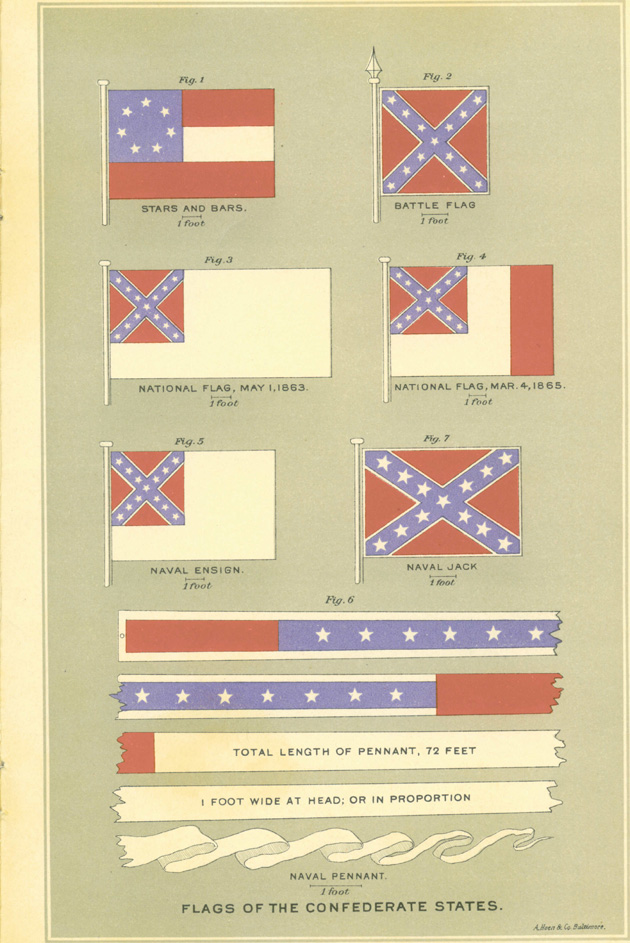
While a singular image often dominates popular consciousness when the term “rebel flag” is invoked, the Confederacy actually utilized several distinct flags during the Civil War, each with its own design and intended symbolism. The most prevalent and recognizable, often mistakenly referred to as “the rebel flag,” is the Battle Flag of the Army of Northern Virginia. This is not to be confused with the First National Flag of the Confederacy (Stars and Bars) or the Second National Flag (Stainless Banner), both of which had entirely different designs and lifespans.
The Army of Northern Virginia Battle Flag: A Design of Distinction (and Controversy)
The battle flag most people picture when they hear “rebel flag” is a square or rectangular cloth, typically red, featuring a blue saltire (X-shaped cross) adorned with white stars. This design was conceived by William Porcher Miles, a South Carolina congressman, and was intended to be distinct from the Union flag and the national Confederate flags, avoiding confusion on the battlefield.
- The Saltire: The blue saltire was inspired by the St. Andrew’s Cross, a prominent symbol in Scottish heraldry. This was intended by some to evoke a sense of historical lineage and martial tradition.
- The Stars: The number of white stars varied across different iterations and reproductions, originally representing the Confederate states. However, as the war progressed and states seceded, the number would have fluctuated. In popular culture, the exact number is often less emphasized than the overall visual impact.
- The Colors: The dominant red field, the blue saltire, and the white stars created a striking and easily identifiable banner. The choice of colors themselves carried no inherent symbolic weight beyond that of their historical context and the desire for visual distinction.
It is crucial to understand that this battle flag was, in its primary historical context, a military ensign. Its purpose was to identify Confederate troops and rally them in battle. It was a banner of war, not initially a broad symbol of Southern culture or ideology in the way it has been interpreted and rebranded in the modern era.
Distinguishing from Other Confederate National Flags
To truly understand “the real rebel flag,” it is essential to differentiate it from the national flags of the Confederacy:
- The First National Flag (“Stars and Bars”): Adopted in 1861, this flag bore a striking resemblance to the Union flag, featuring horizontal stripes of red and white and a blue canton with white stars. This similarity, ironically, led to confusion on the battlefield, prompting the need for a distinct battle flag. Its design was intended to represent the new nation, but its visual likeness to the Union flag diminished its unique branding.
- The Second National Flag (“Stainless Banner”): Adopted in 1863, this flag featured the familiar battle flag (the Army of Northern Virginia design) as the canton on a white field. While intended to be a more distinct national symbol, the predominantly white field was seen as impractical, easily soiled in battle, and, some argue, too reminiscent of a flag of surrender. This flag, despite its direct inclusion of the iconic battle flag, never gained the same widespread recognition or symbolic resonance.
Therefore, when the public speaks of “the rebel flag,” they are almost invariably referring to the Army of Northern Virginia Battle Flag, a specific military banner that has, over time, been detached from its original context and imbued with new, often contradictory, brand meanings.
The Post-War Rebranding: From Military Banner to Symbol of Resistance
Following the Confederacy’s defeat and the abolition of slavery, the Army of Northern Virginia Battle Flag underwent a profound rebranding. It transitioned from a wartime military ensign to a powerful symbol for various groups seeking to redefine Southern identity and resist federal authority and the burgeoning Civil Rights Movement. This reappropriation began almost immediately after the war and intensified in the mid-20th century.
The Lost Cause Narrative and the Flag’s New Brand Identity
The “Lost Cause” ideology, which emerged in the late 19th century, sought to romanticize the Confederacy, portraying the war as a noble struggle for states’ rights rather than a conflict fought to preserve slavery. Within this narrative, the Confederate battle flags, particularly the Army of Northern Virginia design, were reframed.
- Heritage and Ancestry: The flag became a symbol of Southern heritage, ancestral pride, and a romanticized vision of the antebellum South. For many white Southerners, it was an emblem of their lineage and a connection to a perceived golden age.
- Resistance and Defiance: As racial tensions escalated in the mid-20th century, especially during the Civil Rights Movement, the flag was increasingly adopted by those who opposed desegregation and sought to maintain the existing racial hierarchy. In this context, the flag’s brand identity shifted to one of defiance against federal mandates and social change. It became a visual shorthand for resistance to progress, often intertwined with white supremacist ideologies.
- State Sovereignty: For some, the flag’s brand message focused on states’ rights and opposition to federal overreach, harkening back to the stated motivations of secession, albeit through a highly selective and often disingenuous lens.
This rebranding was remarkably effective, transforming a military banner into a potent political and cultural icon. The visual elements remained the same, but the meanings attached to them were fundamentally altered, creating a complex and deeply divisive brand.
The Diversification of “Rebel” Symbolism
The effective rebranding of the battle flag has led to a situation where its visual representation is now fluid and subject to interpretation, further complicating its “real” appearance. Different groups have adopted variations or similar visual motifs to convey their specific brand of rebellion or heritage.
- Variations in Design: While the core Army of Northern Virginia Battle Flag design is the most common, there are variations in size, shape (square vs. rectangular), and the exact shade of colors used. These subtle differences can sometimes be exploited to create slightly altered visual identities.
- Misappropriation and Co-option: The flag’s power as a symbol has led to its adoption by groups far removed from the original historical context of the Confederacy, including neo-Confederate movements, white supremacist organizations, and even some motorcycle clubs or other subcultures seeking a general image of rebellion. These groups often use the flag without a deep understanding of its historical nuances, focusing solely on its evocative power and its brand as an icon of defiance.
- Blurring Lines of Authenticity: This widespread and often uncritical adoption has blurred the lines of what constitutes an “authentic” use of the symbol. For some, any flag that evokes a similar visual aesthetic or sentiment of defiance is a “rebel flag.” This creates a challenge in identifying “the real” flag because its brand has been diluted and repurposed by so many different entities, each with its own brand strategy.
The Modern Repercussions: A Flag’s Brand in Contemporary Discourse
In the 21st century, the “rebel flag” remains a highly charged symbol, its brand identity sparking intense debate and significant cultural repercussions. Its visual presence is no longer confined to historical discussions or specific regional contexts; it is a potent force in broader societal conversations about race, history, and identity.
Symbol of Hate vs. Symbol of Heritage: The Branding Conflict
The core of the modern debate lies in the irreconcilable interpretations of the flag’s brand. For a significant portion of the population, particularly African Americans, the flag is unequivocally a symbol of hate, racism, and the oppressive institution of slavery. It evokes a painful history of violence, subjugation, and terror.
- Racial Injustice: The flag’s brand is inextricably linked to the Confederacy’s fight to preserve slavery, a brutal system of human bondage. Its post-war use by segregationists and white supremacists has cemented its association with racial hatred and the denial of civil rights.
- Trauma and Oppression: For descendants of enslaved people, the flag represents a historical trauma and a persistent threat to their dignity and safety. Its display can be deeply offensive and re-traumatizing.
Conversely, proponents argue that the flag represents Southern heritage, history, and their ancestors’ bravery, irrespective of the cause for which they fought. They seek to detach the flag from its racist connotations and brand it solely as a symbol of cultural identity and pride.
- Cultural Pride: This perspective emphasizes a romanticized view of the South, focusing on traditions, music, and a sense of regional distinctiveness. The flag, in this view, is an emblem of that unique cultural identity.
- Freedom of Expression: Some argue that banning or removing the flag infringes upon their freedom of expression and the right to display symbols important to their heritage.
This fundamental branding conflict highlights the enduring power of visual symbols to elicit profoundly different emotional and intellectual responses based on individual and collective experiences. The “real” meaning of the flag is, for many, dictated by lived realities and historical understanding, rather than abstract interpretations.

Institutional and Societal Reckoning with the Flag’s Brand
The widespread recognition of the flag’s association with hate and oppression has led to significant institutional and societal efforts to distance themselves from it. This has manifested in various ways, reflecting a collective reckoning with the flag’s problematic brand identity.
- Removal from Public Spaces: Numerous public spaces, government buildings, and educational institutions have removed the Confederate battle flag from display. This includes statues, flags flown on state grounds, and historical markers that are deemed to promote a harmful narrative.
- Corporate Branding Decisions: Many companies and sports organizations have ceased using Confederate imagery, including the battle flag, in their branding, merchandise, and team names. This reflects a corporate identity shift, recognizing the commercial and ethical liabilities associated with such symbols. The sports world, in particular, has seen significant changes, with teams like the Washington Commanders (formerly Redskins) and the Cleveland Guardians (formerly Indians) undergoing name and logo changes due to problematic branding.
- Legal and Political Debates: The presence of the flag continues to be a subject of legal battles and political debates regarding its display on public property and its implications for public order and inclusivity.
Ultimately, the question of “what does the real rebel flag look like” is less about its precise visual specifications and more about the complex, often contradictory, brand identity it has accumulated. It is a symbol whose historical origins as a military banner have been largely overshadowed by its potent, and deeply divisive, reappropriation as an emblem of heritage, resistance, and, for many, hate. Understanding its visual form is only the first step in grappling with the profound and enduring impact of its multifaceted brand.
aViewFromTheCave is a participant in the Amazon Services LLC Associates Program, an affiliate advertising program designed to provide a means for sites to earn advertising fees by advertising and linking to Amazon.com. Amazon, the Amazon logo, AmazonSupply, and the AmazonSupply logo are trademarks of Amazon.com, Inc. or its affiliates. As an Amazon Associate we earn affiliate commissions from qualifying purchases.