
In the complex ecosystem of a modern automobile, countless components work in harmony to deliver power, comfort, and safety. Among these, a seemingly unassuming part plays a critical role in the very survival of your engine: the radiator. Far from being just a passive metal grille, the radiator is a sophisticated piece of engineering, a testament to the ingenious application of technology to solve a fundamental problem. Understanding its function is not just about appreciating automotive design; it’s about grasping how vital a system can be for the long-term health and performance of your vehicle.
From a technological standpoint, the radiator embodies a principle as old as heat itself: the need for dissipation. Whether it’s managing the intense heat generated by a powerful processor in your laptop or regulating the temperature of molten metal in an industrial furnace, the challenge of heat management is universal. In the context of a car engine, this challenge is amplified significantly. Internal combustion engines, by their very nature, produce immense amounts of heat as a byproduct of igniting fuel. Without an effective system to control this thermal onslaught, the engine’s internal components – made of metal and subjected to extreme pressures and temperatures – would rapidly overheat, leading to catastrophic failure. This is where the radiator, as the lynchpin of the car’s cooling system, steps in, performing a vital technological function that directly impacts the vehicle’s reliability and longevity.
The Core Function: Heat Exchange at its Finest
At its heart, the radiator is a heat exchanger. Its primary purpose is to transfer thermal energy from the engine’s coolant into the ambient air, thereby lowering the engine’s operating temperature. This process is continuous and vital. Imagine your engine as a powerful furnace; the heat it generates is a byproduct of its operation. This heat, if left unchecked, can quickly exceed the structural integrity of engine components, leading to warped metal, seized parts, and ultimately, a completely inoperable vehicle.
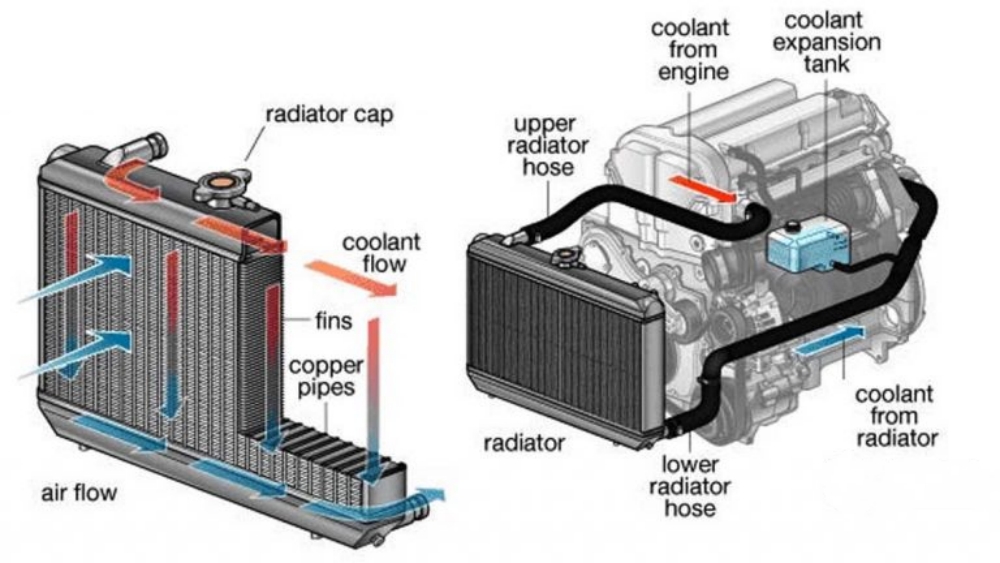
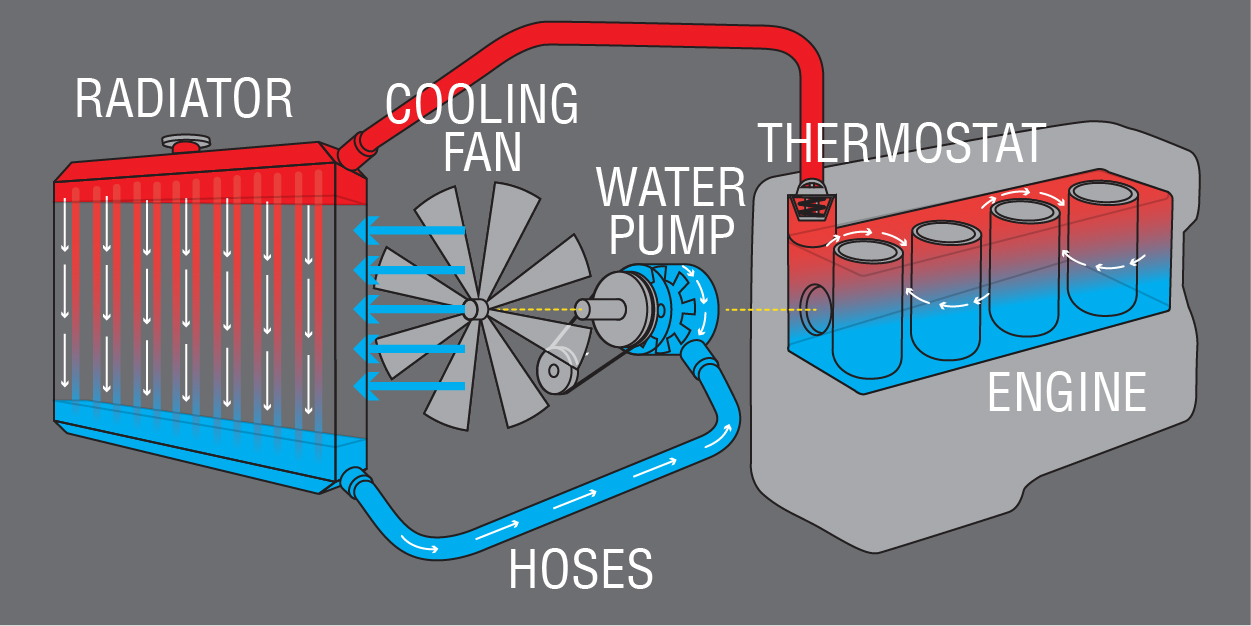
The cooling system, with the radiator as its central element, works in a closed loop. A mixture of antifreeze and water (the coolant) circulates through passages within the engine block and cylinder head, absorbing the excess heat. This hot coolant then flows through rubber hoses to the radiator.
How the Radiator Achieves Cooling: A Symphony of Design and Physics
The radiator itself is a marvel of efficient design, leveraging principles of thermodynamics and fluid dynamics. It typically consists of a series of thin tubes or channels that carry the hot coolant. These tubes are often flattened and arranged in close proximity to maximize the surface area exposed to the air. Attached to these tubes are numerous fins, which are also thin pieces of metal. The fins are crucial because they dramatically increase the total surface area from which heat can radiate.
Here’s a breakdown of the key elements and how they work together:
- Core: This is the main body of the radiator, comprised of numerous small tubes through which the hot coolant flows. The design of these tubes, often called “honeycomb” or “grid” structures, is optimized for maximum contact with the coolant and efficient heat transfer to the fins.
- Fins: These are delicate, often wavy or corrugated, metal sheets that are attached to the tubes. They act like the cooling fins on a computer heatsink, significantly expanding the surface area that interacts with the incoming air. The more surface area available, the faster heat can dissipate.
- Inlet and Outlet Tanks: These are typically made of plastic or metal and are attached to the sides or top/bottom of the radiator core. The inlet tank receives the hot coolant from the engine, and the outlet tank directs the now-cooled coolant back to the engine.
- Coolant: This is the fluid that circulates through the engine and radiator. It’s usually a 50/50 mixture of antifreeze (ethylene glycol or propylene glycol) and water. Antifreeze lowers the freezing point and raises the boiling point of the mixture, providing protection against both freezing in cold weather and boiling in hot conditions.
The process is elegant in its simplicity: hot coolant enters the radiator, flows through the tubes, and as it passes, heat is transferred to the surrounding fins. These fins, in turn, transfer the heat to the air that flows through them. This airflow is facilitated by two primary forces:
- Vehicle Movement: As the car drives, air is forced through the radiator’s fins, carrying away the heat. This is why engines tend to run cooler at higher speeds.
- Cooling Fan: When the vehicle is stationary or moving slowly, the natural airflow through the radiator is insufficient. This is where the cooling fan comes into play. Activated by a temperature sensor, the fan pulls air through the radiator, ensuring adequate cooling even when the car isn’t moving. Modern cars often use electric fans, which are more efficient and can be controlled more precisely than older belt-driven mechanical fans.
This continuous cycle of heat absorption and dissipation is what keeps the engine within its optimal operating temperature range, typically between 195°F and 220°F (90°C and 104°C). This precise temperature control is crucial for several reasons, impacting everything from fuel efficiency to emissions.
Beyond Basic Cooling: The Radiator’s Impact on Performance and Longevity
The radiator’s role extends far beyond simply preventing the engine from melting. Its efficient operation is intrinsically linked to several key aspects of vehicle performance, reliability, and even economic efficiency. Understanding these deeper implications highlights the radiator’s significance as a piece of critical automotive technology.
Maintaining Optimal Engine Performance: The Sweet Spot of Heat
Engines are designed to operate most efficiently within a specific temperature range. Too cool, and combustion can be incomplete, leading to reduced power, increased fuel consumption, and higher emissions. The fuel might not vaporize properly, and the oil might not reach its optimal viscosity for lubrication.
Conversely, as we’ve discussed, too hot is disastrous. Overheating can cause components to expand beyond their tolerances, leading to friction, wear, and eventual failure. It can also degrade the lubricating oil, reducing its ability to protect the engine’s moving parts.

The radiator, by maintaining the engine within this narrow optimal temperature band, ensures:
- Efficient Combustion: Proper temperature promotes complete fuel burning, maximizing power output and fuel economy.
- Smooth Operation: Consistent temperature means consistent material properties, leading to smoother running and reduced vibrations.
- Reduced Wear and Tear: Keeping components within their designed thermal expansion limits minimizes stress and prolongs the life of engine parts.
Safeguarding Against Catastrophic Failure: The Cost of Overheating
The consequences of a malfunctioning radiator or cooling system can be severe and incredibly expensive. A blown radiator hose, a clogged radiator, a faulty thermostat (which regulates coolant flow to the radiator), or a failed cooling fan can quickly lead to an overheating engine.
In such scenarios, the engine temperature can skyrocket in a matter of minutes. This can result in:
- Head Gasket Failure: The head gasket seals the combustion chambers and coolant passages. Extreme heat can warp the cylinder head and block, causing the gasket to fail, leading to coolant and oil leaks, and loss of compression.
- Warped Cylinder Heads or Blocks: The intense, uneven heat can distort these critical, precisely machined components, making them irreparable without significant and costly machining or replacement.
- Seized Pistons: If the piston expands too much within the cylinder due to heat, it can seize, locking the engine and causing severe internal damage.
- Cracked Engine Block: In extreme cases, the thermal stress can cause the metal block itself to crack.
Repairing these types of engine damage often costs thousands of dollars, far exceeding the cost of routine maintenance that includes checking and maintaining the cooling system. The radiator, as the primary component responsible for heat dissipation, is at the forefront of preventing such catastrophic events.
The Radiator’s Place in the Broader Automotive Ecosystem: Tech, Brand, and Money
While the radiator’s function is purely mechanical and thermodynamic, its existence and efficacy are deeply intertwined with broader themes found on a website focused on tech, brand, and money.
The Technological Evolution of the Radiator: From Simple to Smart
The basic principle of the radiator has remained the same for over a century, but the technology embedded within it and its supporting systems has evolved dramatically.
- Material Science: Early radiators were often made of brass and copper, known for their excellent heat conductivity. Modern radiators frequently use aluminum alloys, which are lighter and more cost-effective while still offering impressive thermal performance. The development of advanced aluminum alloys and manufacturing techniques has been a key technological advancement.
- Design Optimization: Computational Fluid Dynamics (CFD) and Finite Element Analysis (FEA) are now used to design radiator cores and fins with unparalleled efficiency. These technologies allow engineers to simulate airflow and heat transfer, optimizing the design for maximum cooling with minimal airflow resistance.
- Integrated Systems: The cooling system is no longer a standalone entity. It’s integrated with engine management systems, allowing for intelligent control of the cooling fan based on real-time engine load, ambient temperature, and vehicle speed. This level of smart integration is a hallmark of modern automotive technology.
- Hybrid and Electric Vehicles: While the traditional internal combustion engine relies heavily on radiators, hybrid and electric vehicles have their own sophisticated thermal management systems. These often involve multiple cooling circuits to manage battery packs, electric motors, and power electronics, showcasing the ongoing technological innovation in heat dissipation for vehicles.
Brand Reputation and Consumer Trust: The Silent Guardian of Reliability
For car manufacturers, the reliability of their vehicles is a cornerstone of their brand. A car that frequently overheats or suffers from engine problems will quickly develop a poor reputation, impacting sales and customer loyalty. The radiator, as a critical component for engine longevity, plays a quiet but significant role in building and maintaining brand trust.
- Perceived Quality: Consumers may not understand the intricate workings of a radiator, but they understand when their car breaks down. A vehicle known for its robust cooling system and long-term engine health contributes positively to a brand’s image.
- Warranty Claims and Recalls: Component failures, including those related to the cooling system, can lead to costly warranty claims and, in severe cases, recalls. A well-designed and durable radiator system reduces these financial burdens and protects the brand’s reputation.
- Aftermarket and Repair Services: The reliability of a car’s cooling system also affects the aftermarket parts industry and the services offered by repair shops. Brands with dependable cooling systems can foster stronger relationships with these service providers.
The Financial Implications of Radiator Health: Maintenance, Repair, and Value
The financial aspects of a car are multifaceted, and the radiator plays a role in both the upfront cost of ownership and the long-term expenses.
- Routine Maintenance: Regular checks of the coolant level and condition, along with flushing and replacing the coolant at recommended intervals, are relatively inexpensive maintenance tasks. This proactive approach can prevent more costly repairs down the line.
- Repair Costs: If a radiator does fail, the cost of replacement can vary significantly depending on the vehicle make and model. A new radiator can range from a few hundred to over a thousand dollars, plus installation labor. This expense is magnified if overheating has caused secondary engine damage.
- Resale Value: A well-maintained vehicle with a history of no major engine issues, including cooling system problems, will generally command a higher resale value. Conversely, a history of overheating can significantly depreciate a car’s worth.
- Fuel Efficiency: As mentioned, an engine operating at its optimal temperature, facilitated by an efficient radiator, contributes to better fuel economy. Over time, this can lead to significant savings for the car owner.
In conclusion, the radiator in a car is far more than just a metal box. It’s a sophisticated piece of automotive technology that performs a critical life-sustaining function for the engine. Its efficient operation is a testament to applied physics and engineering, and its reliability directly influences a car’s performance, longevity, brand reputation, and the financial well-being of its owner. Understanding what the radiator does is to understand a fundamental aspect of how modern vehicles stay on the road, reliably and efficiently.
aViewFromTheCave is a participant in the Amazon Services LLC Associates Program, an affiliate advertising program designed to provide a means for sites to earn advertising fees by advertising and linking to Amazon.com. Amazon, the Amazon logo, AmazonSupply, and the AmazonSupply logo are trademarks of Amazon.com, Inc. or its affiliates. As an Amazon Associate we earn affiliate commissions from qualifying purchases.