
The powertrain warranty is one of the most crucial components of your vehicle’s protection plan, offering peace of mind by safeguarding the heart of your car against significant repair costs. Understanding its scope is essential for any car owner, particularly when considering the long-term financial implications of vehicle ownership. While often overshadowed by bumper-to-bumper warranties, the powertrain warranty addresses the most expensive and vital systems in your automobile: the engine, transmission, and drive axle. This focused protection is designed to shield you from the hefty bills associated with failures in these core components, which are fundamental to your vehicle’s ability to move and operate.
The significance of the powertrain warranty cannot be overstated. Unlike less critical systems, issues with the engine, transmission, or drive axle can render a vehicle inoperable and necessitate repairs that can run into thousands, or even tens of thousands, of dollars. For many individuals, such unexpected expenses can be financially devastating. Therefore, a robust powertrain warranty acts as a critical financial safety net, ensuring that these major mechanical failures don’t lead to an unforeseen financial crisis. This article will delve deep into what the powertrain warranty typically covers, the common exclusions, and how to best leverage this vital protection.
Understanding the Core Components: What’s Actually Protected?
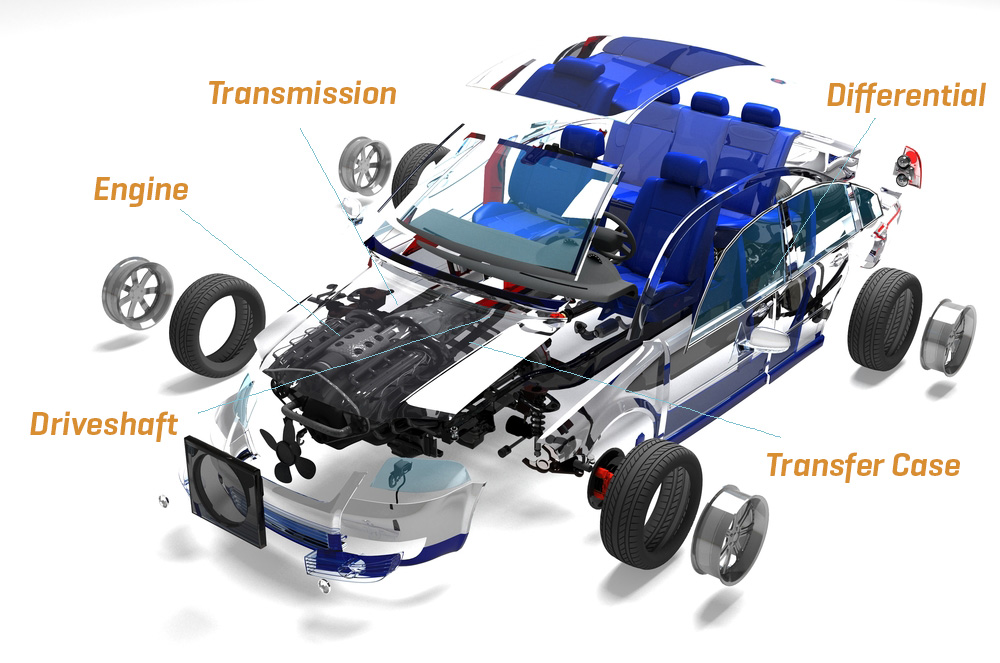
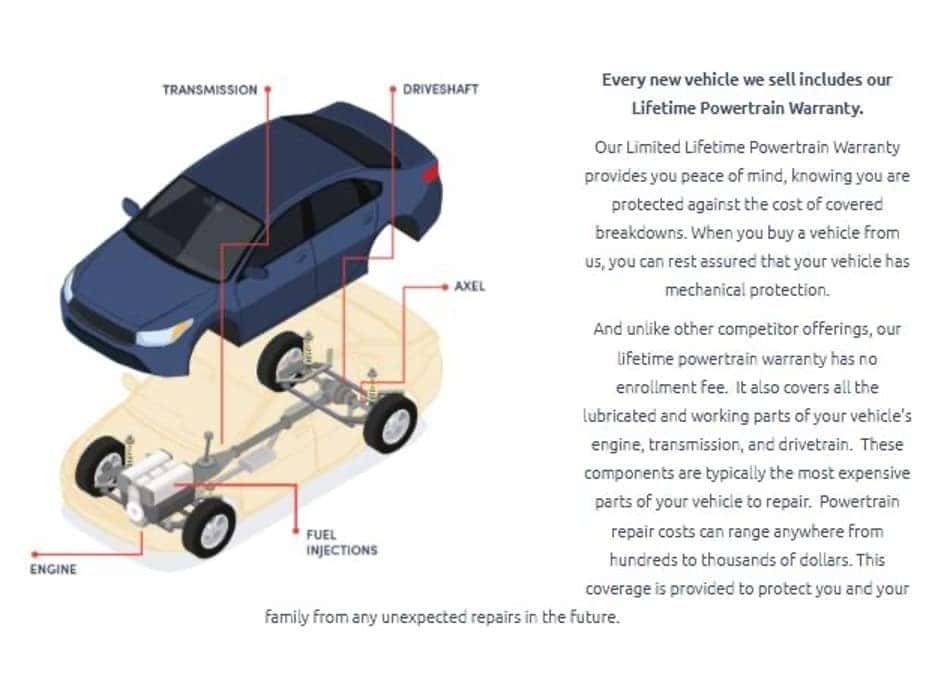
The powertrain, in essence, is the collective term for the parts of your vehicle that generate and transmit power to the wheels. This encompasses the engine, the transmission, and the drive axle components. A comprehensive powertrain warranty specifically targets these high-value systems, offering protection against defects in materials and workmanship that lead to their failure. It’s important to note that while the warranty covers these components, it generally applies to internal failures and not to external wear and tear or damage caused by negligence.
The Engine: The Heartbeat of Your Vehicle
Your vehicle’s engine is the powerhouse, responsible for converting fuel into mechanical energy. A powertrain warranty typically covers the major internal components of the engine. This includes, but is not limited to:
- Cylinder Block and Cylinder Heads: These form the main structure of the engine.
- Internal Rotating Parts: This encompasses the crankshaft, connecting rods, pistons, piston rings, and camshafts. These are the critical moving parts that generate and transfer power.
- Valvetrain Components: This includes valves, valve springs, lifters, and rocker arms, all essential for controlling the intake and exhaust of gases.
- Timing Belts and Chains: These are crucial for synchronizing the engine’s internal components.
- Oil Pump: Essential for lubricating the engine’s moving parts.
- Fuel Injectors and Fuel Pump: Responsible for delivering fuel to the engine.
- Turbocharger/Supercharger (if equipped): These forced induction systems are often included as they are integral to the engine’s performance.
The warranty protects against failures arising from manufacturing defects or faulty materials within these components. If an internal part breaks or malfunctions under normal operating conditions, it will likely be covered.
The Transmission: The Gear Master
The transmission is responsible for transferring power from the engine to the drive wheels, allowing for different speeds and torque levels. Powertrain warranties typically cover both automatic and manual transmissions. Key components covered include:
- Transmission Case: The housing that contains the transmission’s internal parts.
- Internal Gears, Bearings, and Shafts: These are the intricate components that enable gear changes and power transfer.
- Torque Converter (for automatic transmissions): This fluid coupling transmits engine power to the transmission.
- Clutch Assembly (for manual transmissions): This is the component that engages and disengages the engine from the transmission.
- Shift Interlock Mechanisms: These ensure safe operation and proper gear selection.
- Transmission Control Module (TCM): In modern vehicles, the TCM electronically manages transmission functions and is often included.
Failures such as slipping gears, complete loss of drive, or internal component breakage due to defects are typically covered.
The Drive Axle Components: Delivering Power to the Road
The drive axle, also known as the drive shaft or differential, is responsible for transmitting power from the transmission to the wheels that propel the vehicle. Depending on whether your vehicle is front-wheel drive, rear-wheel drive, or all-wheel drive, the covered components will vary. Common components included are:
- Drive Axles/Half Shafts: These transmit power from the differential to the wheels.
- Constant Velocity (CV) Joints: These allow for power transfer at various angles, crucial for steering.
- Differential Housing and Gears: The differential allows wheels to rotate at different speeds when turning, while also distributing torque.
- Transfer Case (for AWD/4WD vehicles): This unit distributes power to both axles in four-wheel or all-wheel drive systems.
Issues such as broken axle shafts, worn CV joints (if not due to external damage), or internal differential failures are generally covered.
What’s Typically Excluded? Navigating the Fine Print
While the powertrain warranty offers robust protection for the most critical systems, it’s crucial to understand what is not covered. These exclusions are standard across most manufacturer and extended warranties and are designed to protect against costs arising from improper use, neglect, or normal wear and tear. Ignoring these exclusions can lead to unexpected repair bills, even for components that are technically part of the powertrain.
Wear and Tear Items: The Inevitable Costs
Certain components are designed to wear out over time and with use. These are considered consumables and are almost universally excluded from powertrain warranties. They are the owner’s responsibility to maintain and replace as needed. Common wear and tear items include:
- Brake Pads and Rotors: Essential for stopping power, they are designed to wear down.
- Tires: Subject to mileage, road conditions, and alignment issues.
- Clutch Discs (for manual transmissions): While the clutch assembly may be covered, the friction material on the disc will wear out with use.
- Spark Plugs and Glow Plugs: These are consumables that degrade over time.
- Filters (Oil, Air, Fuel): These require regular replacement for optimal performance and engine health.
- Wiper Blades: Designed to clear the windshield and degrade with environmental exposure.
- Bulbs (Headlights, Taillights, Interior Lights): These have a finite lifespan.
- Hoses and Belts (excluding timing belts/chains covered under specific warranty terms): Many hoses and belts, such as serpentine belts, are subject to wear and tear and environmental degradation.
Damage from Neglect or Misuse: User Responsibility
The warranty is intended to cover defects in manufacturing, not damage caused by the owner’s actions or inactions. Improper maintenance or abuse of the vehicle will void coverage for related issues. Common exclusions in this category include:
- Lack of Regular Maintenance: Failing to adhere to the manufacturer’s recommended service schedule (e.g., oil changes, fluid flushes) can lead to component failure, and repairs will not be covered if the lack of maintenance is deemed the cause.
- Overheating: If the engine overheats due to a lack of coolant or a malfunctioning cooling system that wasn’t addressed, resulting damage may not be covered.
- Fluid Contamination: Using the wrong type of fluids or allowing contaminants into the engine or transmission will typically void coverage.
- Racing or Off-Road Use: Exceeding the vehicle’s intended use, such as participating in competitive racing or extreme off-roading, can void the warranty for related failures.
- Aftermarket Modifications: Unauthorized modifications to the engine, transmission, or other powertrain components can void the warranty. This includes performance chips, upgraded exhaust systems, or significant suspension alterations.
- Accident Damage: Any damage resulting from a collision, whether your fault or not, is covered by your auto insurance, not the powertrain warranty.
Consumables and Fluids: Ongoing Costs of Ownership
While the warranty covers the parts, the fluids and other consumables that keep these parts functioning are generally the owner’s responsibility. This includes:
- Engine Oil and Oil Filters: Essential for engine lubrication and longevity.
- Transmission Fluid and Filters: Crucial for the smooth operation of the transmission.
- Coolant: Necessary for managing engine temperature.
- Brake Fluid, Power Steering Fluid, etc.: Other operational fluids required for various vehicle systems.
Maximizing Your Powertrain Warranty: A Proactive Approach to Financial Security
A powertrain warranty is an investment in your vehicle’s long-term health and your financial well-being. To ensure you get the most out of this protection, a proactive and informed approach is key. This involves understanding the terms of your specific warranty, maintaining your vehicle diligently, and knowing when and how to file a claim.
Understanding Your Specific Warranty Terms: The Devil is in the Details
Every vehicle manufacturer and every extended warranty provider will have its own specific terms and conditions. It is imperative to thoroughly read and understand your warranty contract before you need to use it. Key aspects to look for include:
- Duration and Mileage Limits: Powertrain warranties typically last for a set number of years or a specific mileage limit, whichever comes first. Be aware of these limits and track your vehicle’s mileage.
- What is Explicitly Covered and Excluded: Pay close attention to the detailed lists of covered components and common exclusions. Some warranties may be more comprehensive than others.
- Maintenance Requirements: The warranty contract will outline the specific maintenance schedule you must follow to keep the warranty valid. This typically includes regular oil changes, filter replacements, and other scheduled services.
- Claim Procedure: Understand the steps involved in filing a warranty claim. This usually involves contacting the dealership or warranty provider and getting authorization before any repairs are made.
- Authorized Repair Facilities: Most warranties require repairs to be performed at authorized dealerships or certified repair shops. Using an unauthorized facility can void your warranty.
Diligent Maintenance: The Foundation of Warranty Validity
As mentioned, the most critical factor in ensuring your powertrain warranty remains valid is adhering to the manufacturer’s recommended maintenance schedule. This isn’t just about satisfying warranty requirements; it’s about preventing minor issues from escalating into major, costly failures.
- Follow the Owner’s Manual: Your owner’s manual is your guide to proper vehicle care. It details the recommended intervals for oil changes, fluid checks, filter replacements, and other essential services.
- Keep Records: Maintain meticulous records of all maintenance performed on your vehicle. This includes receipts for parts and services, dates, mileage, and the name of the service provider. These records are crucial evidence if you ever need to make a warranty claim.
- Address Warning Lights Promptly: If your “check engine” light or any other warning indicator illuminates, do not ignore it. Have it diagnosed and repaired immediately. Delaying repairs can exacerbate the problem and potentially lead to a covered component failing due to an unaddressed, related issue.
- Regular Inspections: Even if a service isn’t explicitly scheduled, be observant of your vehicle’s performance. Listen for unusual noises, feel for vibrations, and check fluid levels regularly. Early detection of problems can save you significant money.
Filing a Warranty Claim: A Smooth Process
When a covered component fails, understanding the claim process can help ensure a smooth and hassle-free experience.
- Stop Driving: If a critical powertrain component fails, stop driving the vehicle immediately to prevent further damage.
- Contact Your Warranty Provider or Dealership: Reach out to the authorized dealership or the warranty company directly. Explain the issue clearly and state that you believe it is covered under your powertrain warranty.
- Diagnosis and Estimate: The repair facility will diagnose the problem and determine if it is a covered repair. They will then submit a claim to the warranty provider for approval.
- Approval and Repair: Once the claim is approved, the repairs will be carried out by the authorized facility.
- Understand Your Responsibility: Be aware of any deductibles or co-pays associated with your warranty. While many powertrain warranties are comprehensive, some may have small deductibles or require you to pay for certain related parts or fluids not explicitly covered.
By understanding what your powertrain warranty covers, what it excludes, and by actively maintaining your vehicle, you can ensure this vital protection serves its purpose effectively, safeguarding you from the most significant and financially daunting repair costs associated with your vehicle. It transforms a potentially catastrophic financial event into a manageable repair, offering genuine peace of mind on the road.
aViewFromTheCave is a participant in the Amazon Services LLC Associates Program, an affiliate advertising program designed to provide a means for sites to earn advertising fees by advertising and linking to Amazon.com. Amazon, the Amazon logo, AmazonSupply, and the AmazonSupply logo are trademarks of Amazon.com, Inc. or its affiliates. As an Amazon Associate we earn affiliate commissions from qualifying purchases.