
In the world of life-safety technology, the fire alarm is much more than a loud noise. It is a highly engineered, regulated, and technologically sophisticated system designed to cut through the ambient noise of daily life and trigger an immediate physiological response. To the layperson, it is a “siren” or a “beep,” but to a technology professional or a fire safety engineer, it is a complex output defined by frequency, decibel levels, and synchronized temporal patterns.
Understanding what a fire alarm sounds like today requires a deep dive into the evolution of sound engineering, the shift from mechanical to digital signaling, and the integration of smart-home technology. This article explores the technical landscape of fire notification appliances, the standards that govern them, and the cutting-edge hardware that ensures you never miss a life-saving alert.
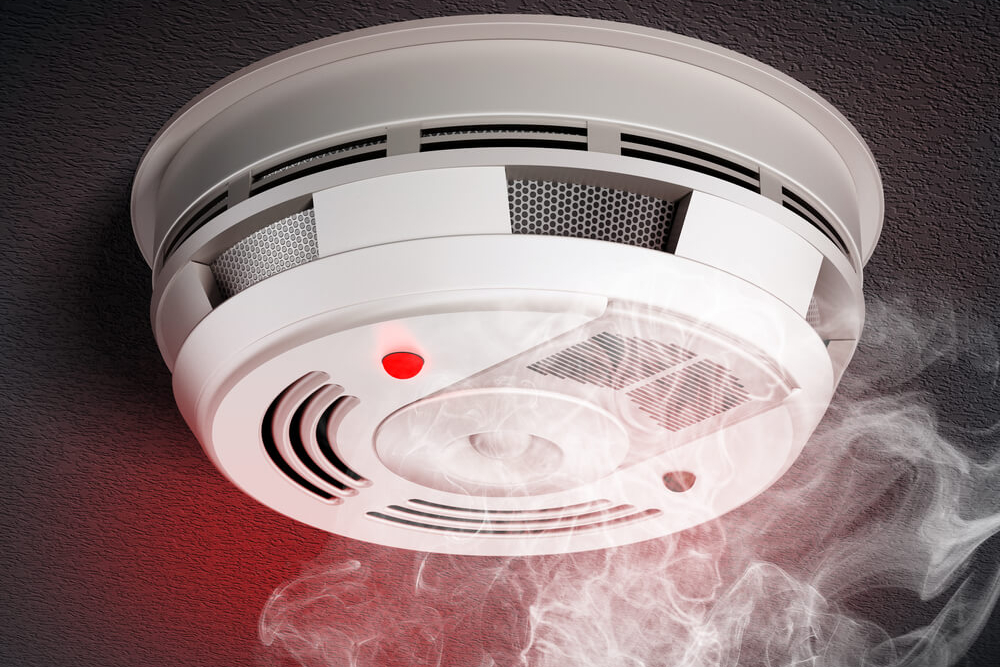
The Physics of Sound: Engineering the Standardized Alert
The most fundamental aspect of what a fire alarm “sounds” like is governed by international standards. Decades ago, alarms were inconsistent—ranging from bells and buzzers to continuous sirens. This lack of uniformity caused confusion during emergencies. Today, the technology is governed by the “Temporal Three” (T3) pattern.
The Temporal Three (T3) Pattern
In 1996, the ANSI (American National Standards Institute) and NFPA (National Fire Protection Association) standardized the evacuation signal known as the Temporal Three pattern. Technically, this consists of a repeated cycle: three 0.5-second pulses, followed by a 1.5-second pause. When you ask what a fire alarm sounds like, this rhythmic “beep-beep-beep—pause” is the universal digital signature of a fire emergency in the modern era.
From a technological standpoint, this pattern is programmed into the system’s Logic Control Module. This ensures that even if different brands of hardware are installed in a building, the auditory output remains consistent, allowing the human brain to instantly recognize the signal as a fire threat rather than a security breach or a malfunctioning appliance.
Frequency and Decibel Engineering
Modern fire alarm horns are designed to operate within a specific frequency range, typically between 500 Hz and 3000 Hz. Higher frequencies are effective at grabbing attention, but lower frequencies (around 520 Hz) have been found to be significantly more effective at waking people from deep sleep, especially those with hearing impairments or those under the influence of medication.
The hardware used to produce these sounds has transitioned from electromechanical vibrating plates to piezoelectric transducers. Piezo technology allows for a much higher decibel output (often 85dB at ten feet for residential units) while consuming significantly less power, which is critical for battery-operated IoT devices.
Smart Sensors and Intelligent Detection: Beyond the Siren
What a fire alarm sounds like is often a direct result of the sensor technology that triggers it. The “sound” is the final output of a complex data-processing chain.
Ionization vs. Photoelectric Hardware
There are two primary ways a tech-enabled alarm detects a fire:
- Ionization Alarms: These use a small amount of radioactive material to ionize the air between two electrically charged plates. When smoke enters the chamber, it disrupts the flow of ions, triggering the alarm. These are “fast” sounds—ideal for detecting flaming fires.
- Photoelectric Alarms: These use a light-sensing chamber. When smoke particles scatter a beam of light onto a sensor, the alarm sounds. These are superior for detecting smoldering fires.
High-end “Smart” alarms now utilize Multisensor Technology. These devices use complex algorithms to compare data from smoke sensors, heat sensors, and Carbon Monoxide (CO) sensors before deciding to sound the alarm. This digital “filtering” reduces false positives (like burnt toast), ensuring that when the alarm does sound, it is a high-confidence event.
AI-Powered Sound Recognition
A burgeoning sector in the tech world is the use of Artificial Intelligence to “listen” for fire alarms. Modern smart speakers and home security hubs (like those from Amazon, Google, or Apple) now feature Acoustic Event Detection. Through machine learning, these devices are trained on thousands of samples of T3 patterns. When the “sound” of a fire alarm is detected by the hub’s microphone, it can push digital notifications to a smartphone, effectively turning a “dumb” analog alarm into a connected smart device.
The Evolution of Notification Appliances: Visual and Haptic Feedback

In modern tech-driven safety systems, the “sound” of an alarm is often accompanied—or even replaced—by other sensory inputs to accommodate diverse accessibility needs.
Strobe Synchronicity and Visual Signaling
For the deaf or hard-of-hearing community, a fire alarm “sounds” like a high-intensity strobe light. These strobes are not merely flashing lights; they are precision-engineered to flash at a specific rate (typically 1 to 2 flashes per second) to avoid triggering photosensitive epilepsy.
A significant technical challenge in large buildings is strobe synchronization. If multiple strobes flash at slightly different intervals, it can cause disorientation or seizures. Modern Fire Alarm Control Panels (FACPs) use synchronization protocols that send a digital “heartbeat” across the entire circuit to ensure every light in the building flashes in perfect unison.
Tactile and Haptic Tech
For high-risk environments or specialized residential needs, the “sound” of a fire alarm may be haptic. This includes bed shakers and pillow vibrators that are hard-wired or wirelessly connected to the smoke detector. When the T3 sound is detected or the smoke sensor is triggered, these devices use high-torque motors to provide physical vibration, ensuring the occupant is alerted even without auditory input.
Smart Home Integration and the IoT Ecosystem
The most significant shift in fire safety technology over the last decade has been the integration of life-safety devices into the Internet of Things (IoT).
Remote Alerts and App Connectivity
Ten years ago, if a fire alarm sounded while you were at work, you wouldn’t know until you returned home. Today, devices like the Nest Protect or Ring Alarm Smoke/CO Listener have changed the “sound” of an alarm into a digital data packet.
When the alarm is triggered, it communicates via Wi-Fi or cellular bridge (using protocols like Zigbee or Z-Wave) to a cloud server, which then sends a push notification to your smartphone. This tech stack allows for “Voice Hush” features—where a user can silence a false alarm via an app—and provides real-time status updates on battery life and sensor health.
Ecosystem Interconnectivity
Modern tech ecosystems allow the fire alarm to interact with other smart devices. For example, when a smart fire alarm sounds:
- The HVAC system can be programmed to shut down immediately to prevent the spread of smoke through air ducts.
- Smart lighting systems can turn all interior lights to 100% brightness and turn exterior lights to a flashing red or blue to help first responders locate the house.
- Smart locks can be automatically disengaged to allow for an easier exit and entry for fire crews.
The Future of Fire Safety Tech: Voice Evacuation and Next-Gen Logic
As we look toward the future, the traditional “beep” of a fire alarm is being phased out in favor of more sophisticated audio technology.
Digital Voice Command (DVC)
In high-rise buildings and complex campuses, the “sound” of a fire alarm is increasingly a human voice. Voice Evacuation Systems use digital signal processors to play clear, pre-recorded, or live instructions. Research shows that people respond more calmly and follow directions more accurately when hearing a human voice compared to a piercing siren.
These systems are capable of “Selective Signaling,” where different floors receive different instructions. For example, the “sound” on the fire floor might be an immediate evacuation order, while the sound on the floor ten levels below might be a “standby” message to prevent stairwell overcrowding.
Adaptive Signaling
The next frontier in this tech niche is adaptive signaling. Using AI and real-time data from heat sensors, future fire systems will be able to change the tone or volume of the alert based on the proximity of the fire. Imagine an alarm that changes pitch or frequency to lead you away from smoke and toward the nearest clear exit. This “directional sound” technology uses broadband noise bursts that the human ear can easily localize, turning the fire alarm from a simple alert into a sophisticated navigational tool.

Conclusion
What does a fire alarm sound like? It sounds like the culmination of decades of engineering, regulatory evolution, and digital innovation. It is a T3-patterned, 520Hz, 85-decibel alert backed by piezoelectric hardware, photoelectric sensors, and IoT connectivity. Whether it is a traditional horn, a synchronized strobe, or a push notification on a smartwatch, the technology behind the fire alarm remains one of the most vital components of the modern digital and physical infrastructure. As AI and IoT continue to mature, the “sound” of safety will only become more intelligent, more connected, and more effective at its singular, critical mission: saving lives.
aViewFromTheCave is a participant in the Amazon Services LLC Associates Program, an affiliate advertising program designed to provide a means for sites to earn advertising fees by advertising and linking to Amazon.com. Amazon, the Amazon logo, AmazonSupply, and the AmazonSupply logo are trademarks of Amazon.com, Inc. or its affiliates. As an Amazon Associate we earn affiliate commissions from qualifying purchases.