
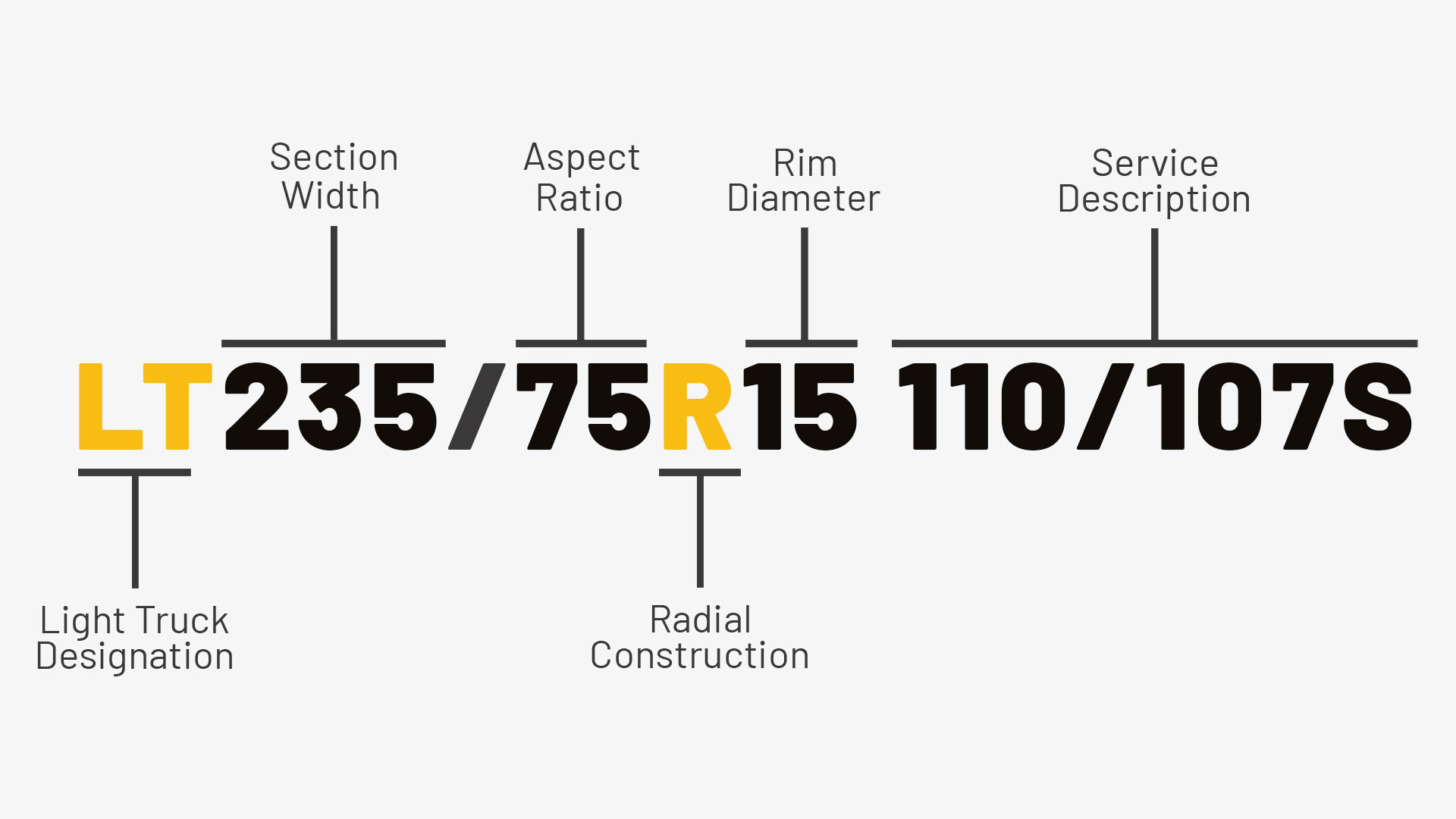
When you are purchasing new tires for your light truck or SUV, the alphanumeric code stamped on the sidewall can often feel like an indecipherable secret language. Among the various numbers—width, aspect ratio, and rim diameter—one specific prefix stands out as a critical indicator of capability: the “LT.” Understanding what “LT” means is not just a matter of deciphering technical jargon; it is a fundamental aspect of vehicle safety, performance optimization, and long-term financial maintenance.
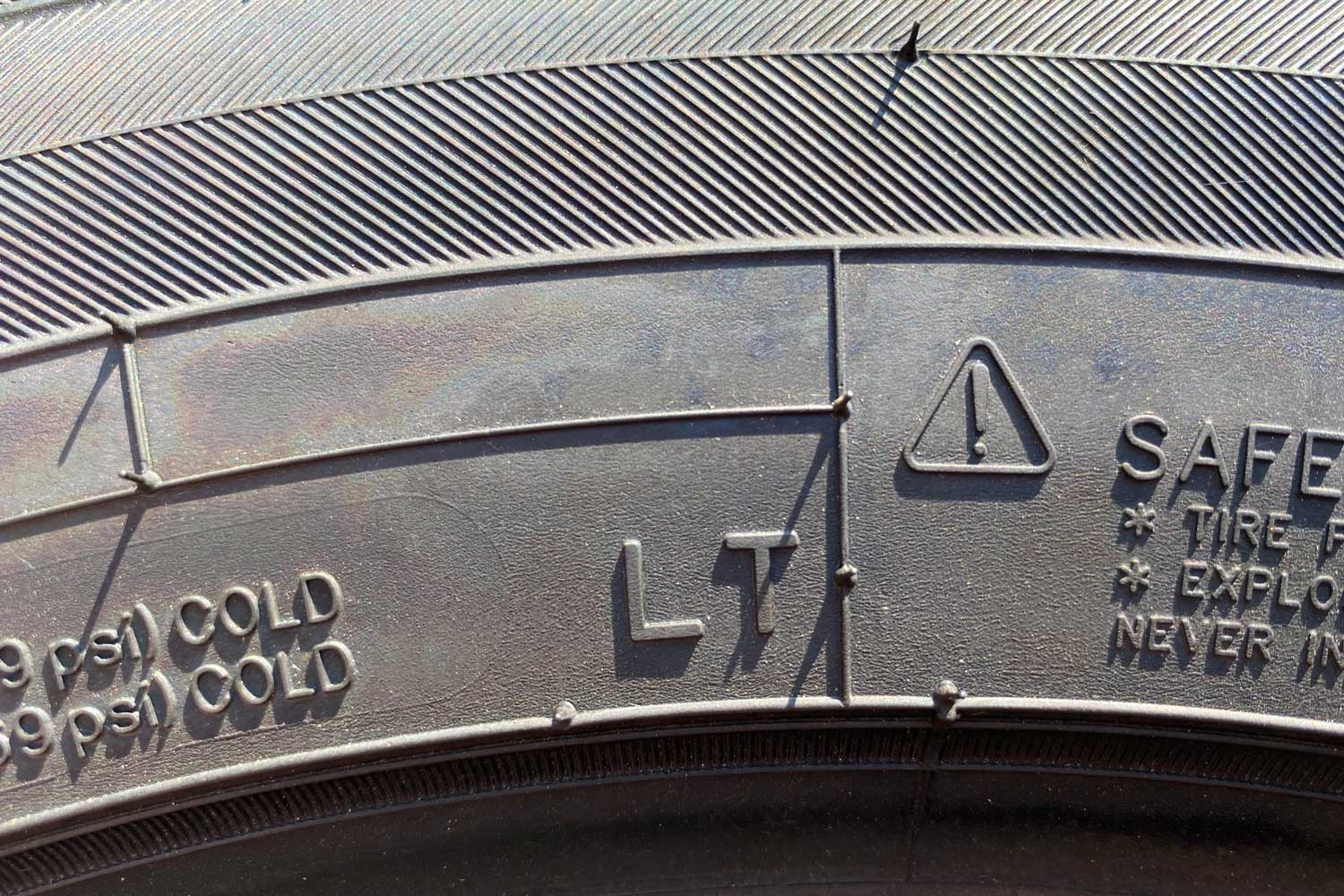
In the world of automotive engineering, tires are designed with specific use cases in mind. The designation “LT” explicitly stands for “Light Truck.” While this may seem straightforward, its implications for your vehicle’s structural integrity and load-carrying capacity are profound. Choosing the wrong tire category can lead to premature wear, blowouts, or decreased fuel efficiency, all of which directly impact your bottom line.
The Structural Anatomy of LT Tires
The primary difference between a standard passenger tire (often denoted by a “P” prefix or no prefix at all) and an “LT” tire lies in the internal construction. Engineers design LT tires to withstand the harsher realities of work and heavy-duty travel, which requires a fundamentally different architecture.
Enhanced Casing and Ply Ratings
At the heart of the LT designation is the tire’s load range and ply rating. While a standard passenger tire is engineered primarily for ride comfort and fuel economy on smooth surfaces, an LT tire is built with more robust materials. You will often find thicker steel belts and multiple polyester or nylon body plies. This reinforced casing allows the tire to handle significantly higher air pressure. Where a standard tire might max out at 35 or 44 PSI, an LT tire often requires 50, 65, or even 80 PSI to carry its rated load.
Sidewall Resilience
The sidewall of an LT tire is not merely a place for brand logos and size specifications; it is a critical load-bearing component. The sidewalls in these tires are thicker and stiffer to resist cuts and punctures from off-road debris or heavy construction site materials. This structural stiffness also prevents the tire from “rolling over” during cornering when the vehicle is heavily loaded, providing a more stable contact patch under stress.
Load Capacity and Financial Performance
From a financial perspective, the decision to use LT tires is an investment in vehicle longevity and operational efficiency. Many vehicle owners make the mistake of opting for cheaper “P-metric” tires on heavy-duty trucks because they are more affordable upfront. However, this is a classic example of false economy.
Matching Equipment to Workload
The “LT” marking signifies that the tire has been tested under the standards of the Tire and Rim Association for “Light Truck” service. If you are towing a trailer, hauling construction materials, or regularly carrying heavy loads in the bed of your truck, a standard passenger tire may operate outside of its safety margin. When a tire is overloaded, heat builds up rapidly in the tread and sidewall. This heat causes the rubber compounds to break down prematurely. Replacing tires every 10,000 miles because they are structurally unsuitable for your payload is a significant drain on your personal or business budget. By choosing LT tires, you ensure that the tire reaches its intended service life, effectively lowering your cost-per-mile.

Fuel Efficiency Considerations
It is important to note that the added weight and rolling resistance of LT tires come with a trade-off. Because they are heavier and stiffer, they typically decrease fuel economy by a small margin compared to standard tires. Savvy owners must calculate this trade-off. If your vehicle is strictly a daily driver for light commuting, the increased cost and fuel consumption of LT tires may be unnecessary. However, if your vehicle is utilized for towing or hauling, the LT tire is a financial necessity, not an optional upgrade.
Identifying the Right Tire for Your Needs
Knowing what “LT” means is only half the battle. You must also understand how to read the load range associated with that designation. LT tires are categorized by letters such as C, D, E, or F, representing the load range.
Understanding Load Ranges
The letter indicates how much weight the tire can safely carry at a specific inflation pressure. For instance, a Load Range E tire is a common standard for three-quarter-ton and one-ton trucks because it is designed to handle high pressures and extreme weight. If you switch to an LT tire with a lower load range than the manufacturer recommends, you are effectively handicapping your vehicle’s capabilities. Always check your vehicle’s door jamb placard or the owner’s manual. This documentation specifies the minimum load index and service description required for your specific chassis.
Safety and Legal Implications
Beyond the mechanical health of the vehicle, there are legal and insurance considerations. Using tires that do not meet the minimum load requirements for your vehicle’s Gross Vehicle Weight Rating (GVWR) can lead to liability issues in the event of an accident. Insurance companies are increasingly scrutinizing tire specifications during accident investigations. If it is determined that a vehicle was equipped with inadequate tires for the weight it was carrying, coverage may be denied or contested. Utilizing the correct “LT” rated tire is a risk mitigation strategy that protects your financial assets.
Maintenance Strategies for Heavy-Duty Tires
Because LT tires operate at higher pressures and carry heavier loads, their maintenance requirements differ from standard passenger tires. Adopting a professional-grade maintenance schedule is essential for maximizing the return on your investment.
The Importance of Pressure Monitoring
Unlike passenger tires, which might be forgiving if run a few pounds low, LT tires require precise inflation management. If you are running an LT tire at low pressure while under a heavy load, the internal structure will flex excessively, creating heat and leading to structural failure. Conversely, running an empty truck with tires inflated to their maximum “heavy haul” capacity will result in a harsh ride and uneven center-tread wear. Developing a routine to adjust tire pressure based on your current load is the hallmark of a responsible vehicle owner.
Rotation and Alignment
Due to their stiffer construction and heavier weight, LT tires are more prone to irregular wear if the alignment is even slightly off. Regular tire rotations—typically every 5,000 to 7,000 miles—are non-negotiable. Furthermore, because these tires are often subjected to the rigors of off-road use or heavy towing, suspension components like ball joints and tie-rod ends wear out faster. A proactive maintenance plan that includes regular alignment checks will ensure that your expensive LT tires don’t end up in a landfill prematurely.
In summary, the “LT” designation is a clear signal that the tire has been built for duty. It is a promise of resilience, load-bearing capacity, and structural integrity. By understanding the technical differences between passenger and light truck tires, you gain the power to make informed purchasing decisions that save money, improve safety, and ensure that your vehicle performs exactly as the manufacturer intended. Whether you are navigating a job site, towing a heavy load, or simply ensuring your truck is prepared for the road ahead, the LT stamp is your assurance that you are equipped for the task at hand.
aViewFromTheCave is a participant in the Amazon Services LLC Associates Program, an affiliate advertising program designed to provide a means for sites to earn advertising fees by advertising and linking to Amazon.com. Amazon, the Amazon logo, AmazonSupply, and the AmazonSupply logo are trademarks of Amazon.com, Inc. or its affiliates. As an Amazon Associate we earn affiliate commissions from qualifying purchases.