
In the landscape of global commerce, few characters carry as much weight, recognition, and psychological resonance as the lowercase “i.” It is a prefix that transformed a struggling computer company into the most valuable brand on the planet. While the world recognizes the iPhone as the pinnacle of mobile technology, the story of what that “i” actually stands for is not merely a piece of trivia—it is a masterclass in brand strategy, corporate identity, and marketing evolution.
When Steve Jobs returned to Apple in the late 1990s, the company was months away from bankruptcy. The “i” was the catalyst for a rebranding effort that shifted Apple from a niche hardware manufacturer to a lifestyle icon. To understand the “i” on the iPhone, one must look back at its inception and how it served as the cornerstone for a brand architecture that changed the way consumers relate to their devices.
The Origin Story: Steve Jobs and the iMac Revolution
The prefix did not debut with the iPhone in 2007; its journey began nearly a decade earlier with the launch of the iMac in 1998. At the time, Apple needed a hit to survive, and the iMac G3—with its translucent Bondi Blue casing—was the answer. However, the name was just as critical as the industrial design.
The Five Pillars of the “i”
During the 1998 iMac keynote, Steve Jobs stood before an audience and explicitly defined what the “i” stood for. While many assumed it simply meant “Internet,” Jobs presented a slide that outlined five distinct meanings that formed the bedrock of the brand’s promise:
- Internet: The primary focus, as the iMac was designed to get users onto the nascent World Wide Web quickly and easily.
- Individual: Highlighting the personal nature of the computer and the creative spirit of the user.
- Instruct: Positioning the device as a tool for learning and education.
- Inform: Emphasizing the computer’s role as a gateway to information.
- Inspire: Reflecting Apple’s mission to create tools that empower human creativity.
Simplicity as a Competitive Advantage
In an era when competitors were naming products with confusing strings of numbers and letters (like the “Performa 6400”), the “i” prefix was a stroke of marketing genius. It communicated simplicity and approachability. By defining the prefix so broadly, Apple created a flexible brand container that could eventually hold music players, phones, and tablets without needing a total identity overhaul.
Building a Global Identity: The Psychology of the Lowercase “i”
The “i” prefix is more than a list of definitions; it is a visual and psychological tool that Apple used to humanize technology. In brand strategy, the choice of a lowercase letter preceding a capitalized noun is a deliberate move to appear less “corporate” and more “personal.”
The Human Connection
The “i” creates an immediate sense of ownership and intimacy. When a consumer says, “my iPhone,” the prefix reinforces the idea of the “Individual.” It shifts the focus from the corporation that manufactured the device to the person who uses it. This personal branding strategy helped Apple build an emotional connection with its user base, fostering a level of brand loyalty that is almost unparalleled in the consumer electronics industry.
Creating Product Synergy through Naming
The “i” became the linguistic thread that tied the Apple ecosystem together. Once the iMac became a success, the strategy was applied to the iPod, then to iTunes, and eventually to the iPhone and iPad. This consistency in branding meant that when a consumer saw a new product with an “i” prefix, they immediately associated it with Apple’s core values: ease of use, premium design, and seamless integration. This “brand halo effect” allowed Apple to enter entirely new product categories (like the music industry with the iPod) with immediate credibility.
The “i” Ecosystem: Marketing Strategy and Brand Protection
As the iPhone rose to dominance, the “i” prefix became a cultural phenomenon. It wasn’t just a naming convention; it was a symbol of being “connected” and “modern.” However, maintaining this brand identity required rigorous strategy and legal maneuvering.
Trademark Battles and Brand Sovereignty
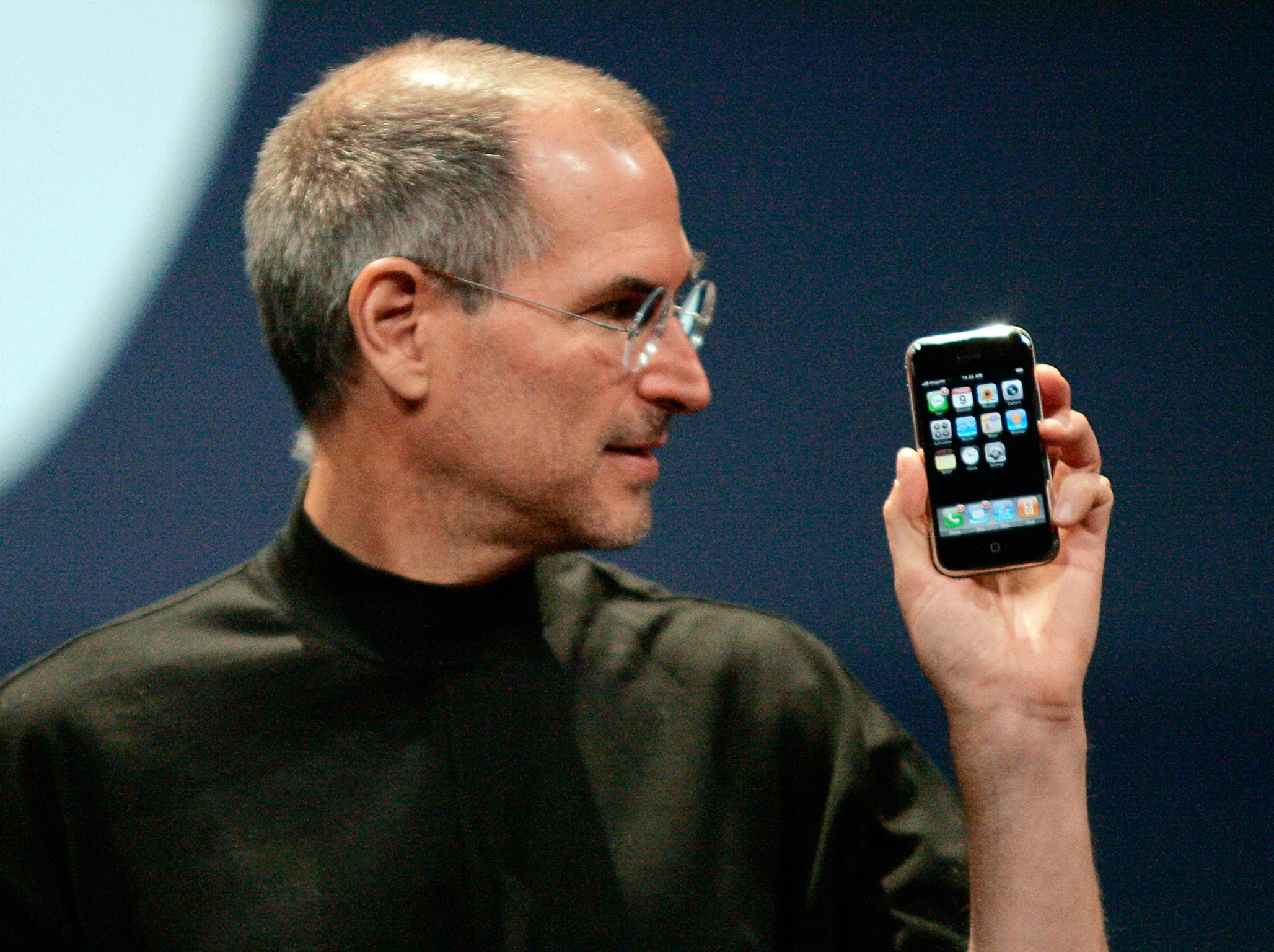
The “i” brand was so powerful that it inevitably led to legal friction. Interestingly, Apple did not originally own the trademark for “iPhone.” When the device was announced in 2007, Cisco Systems held the trademark for a line of VoIP phones. The ensuing legal battle and eventual settlement highlighted how vital the “i” prefix was to Apple’s marketing roadmap. They were willing to pay significant sums and negotiate complex agreements just to ensure their mobile device fit perfectly into the established “i” naming architecture.
The Rise of the “i” Economy
The “i” prefix also extended into software and services, creating a cohesive brand universe. iLife, iWork, and iCloud ensured that the brand identity followed the user from their hardware to their data. From a strategic standpoint, this created a “walled garden” that was aesthetically and linguistically unified. The prefix acted as a signifier of compatibility; if it started with an “i,” the consumer knew it would work within their existing Apple world.
The Evolution of Apple’s Naming Strategy
While the “i” on the iPhone remains iconic, Apple’s brand strategy has undergone a quiet but significant shift over the last decade. As the company matured, it began to move away from the “i” prefix in favor of a more corporate-centric naming convention.
The Shift to “Apple” Branding
Starting with the Apple Watch in 2014, the company began to pivot. Instead of the “iWatch,” they chose to lead with the company name and the Apple logo. This trend continued with Apple TV, Apple Music, Apple Pay, and most recently, the Apple Vision Pro.
The strategic reasoning behind this shift is twofold:
- Brand Maturity: Apple no longer needs a prefix to signal that its products are “Internet-ready” or “Individual.” The Apple logo itself is now one of the most recognized symbols in the history of capitalism. By using “Apple [Product],” the company reinforces its corporate identity rather than a sub-brand.
- Trademark Saturation: The “i” prefix became so popular that it was widely imitated by third-party companies, diluting its uniqueness. By shifting to “Apple Watch” or “Apple Vision,” the company gains stronger legal protection and distances itself from the “i-everything” trend of the early 2000s.
Why the iPhone Retains the “i”
Despite the move toward “Apple”-led naming, the iPhone is unlikely to ever be renamed the “Apple Phone.” The brand equity built into the “iPhone” name is worth billions. It has transcended being a mere product name to become a generic trademark for smartphones in many cultures. For the iPhone, the “i” remains as a legacy of the five pillars—Internet, Individual, Instruct, Inform, and Inspire—serving as a constant reminder of the vision that saved Apple.
Conclusion: The Lasting Impact of a Single Letter
The “i” on the iPhone is a testament to the power of minimalist branding. It began as a way to explain a computer’s connection to the internet, but it evolved into a global symbol of personal empowerment and premium status. Through the “i,” Apple taught the world that technology should not be cold or intimidating; it should be an extension of the individual.
While Apple’s future naming conventions may lean more heavily on the corporate “Apple” moniker, the legacy of the “i” is etched into the history of marketing. It remains the most successful prefix in branding history, a single character that bridged the gap between the analog past and the hyper-connected present. For the consumer, it stands for the device in their pocket; for the brand strategist, it stands as a reminder that the most profound identities are often built on the simplest foundations.
aViewFromTheCave is a participant in the Amazon Services LLC Associates Program, an affiliate advertising program designed to provide a means for sites to earn advertising fees by advertising and linking to Amazon.com. Amazon, the Amazon logo, AmazonSupply, and the AmazonSupply logo are trademarks of Amazon.com, Inc. or its affiliates. As an Amazon Associate we earn affiliate commissions from qualifying purchases.