
The Hebrew word “Nasa” (נָשָׂא) is a word that, while seemingly simple, carries a rich tapestry of meanings and applications. Its significance transcends mere linguistic definition, weaving its way into religious texts, cultural expressions, and even modern scientific endeavors. Understanding the multifaceted nature of “Nasa” offers a profound glimpse into the Hebrew language’s capacity for nuanced expression and its enduring relevance.
The Etymological Roots and Core Meanings
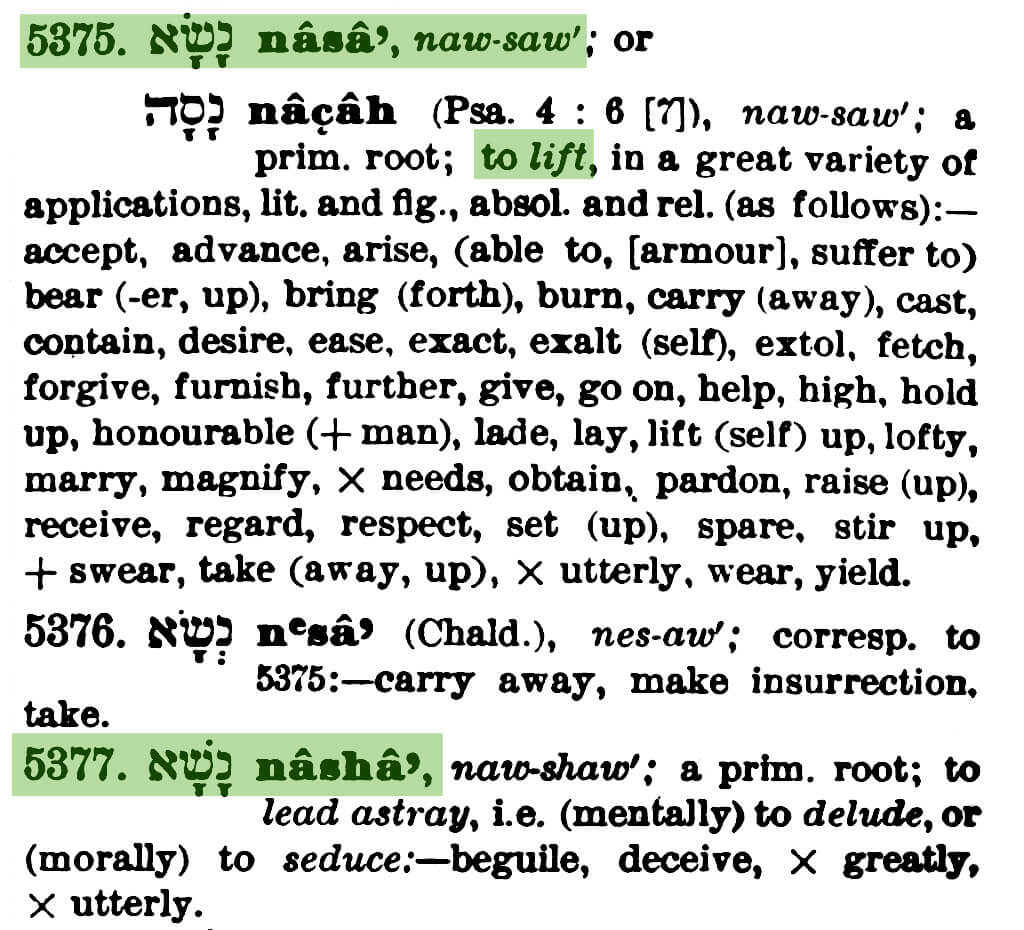
At its core, the Hebrew root נ.ש.א (nun-shin-alef) is highly polysemous, meaning it can have multiple, distinct meanings. This inherent versatility is a hallmark of Semitic languages, where a single consonantal root can branch out into a wide array of related and sometimes seemingly disparate concepts.
Lifting and Carrying: The Primary Sense
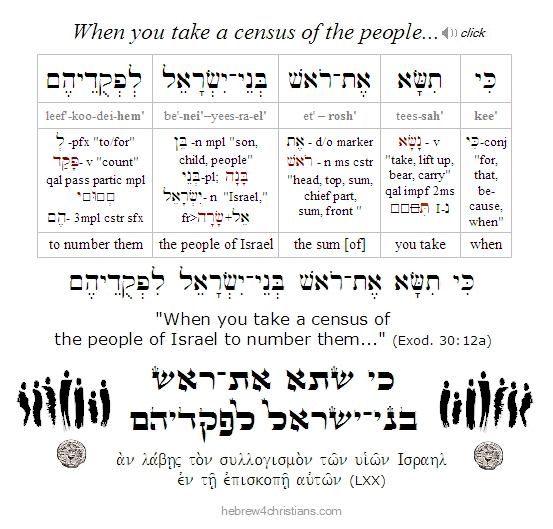
The most fundamental and prevalent meaning of “Nasa” is that of lifting, carrying, or bearing. This can manifest in both physical and metaphorical senses.
Physical Manifestations of Lifting and Carrying
In its most literal interpretation, “Nasa” refers to the act of physically elevating something or transporting it from one place to another. This could be a person lifting a burden, a vehicle carrying a load, or even the act of a bird taking flight. The imagery is one of exertion, movement, and overcoming gravity.
Examples in everyday Hebrew:
- “הוא נשא את השק הכבד.” (Hu nasa et hasak hakaved.) – “He carried the heavy bag.”
- “המטוס נשא את הנוסעים.” (Hamatos nasa et hanos’im.) – “The airplane carried the passengers.”
Metaphorical Bearing and Support
Beyond the physical, “Nasa” extends to the abstract concept of bearing responsibility, supporting another, or enduring a burden. This is often seen in contexts of leadership, caregiving, or spiritual guidance.
- Bearing a burden: This can refer to carrying a heavy emotional load, a difficult task, or a significant responsibility. The implication is one of resilience and perseverance.
- Supporting others: In a nurturing or leadership role, “Nasa” can signify providing assistance, upholding someone’s spirits, or carrying them through difficult times.
Raising and Exalting: Elevation in Status and Esteem
Another significant branch of meaning for “Nasa” relates to raising in the sense of elevation, both literally and figuratively. This implies an increase in height, status, or importance.
Ascending and Rising
This can refer to the physical act of ascending, such as climbing a mountain or rising in the sky. It also carries connotations of progress, advancement, and overcoming limitations.
Exaltation and Dignity
In a more abstract sense, “Nasa” signifies exaltation or bestowing honor. This can be applied to people, ideas, or even objects. When something is “nasu” (lifted up), it implies it has been elevated in importance, dignity, or respect.
Forgiveness and Pardon: The Divine Act of Lifting Sin
Perhaps one of the most profound and theologically significant meanings of “Nasa” is its connection to forgiveness and pardon, particularly in the context of sin. In this usage, “Nasa” implies the act of God lifting away or taking upon Himself the sins of humanity.
The Concept of Atonement
This understanding is central to Jewish theological concepts of atonement. When the Torah speaks of God “lifting” sins, it signifies their removal, their expiation, and the restoration of a relationship. This is a profound act of divine grace, where the burden of transgression is lifted from the individual.
Implication for Human Relationships
While primarily a divine attribute, the concept of “lifting” sin can also inform inter-personal forgiveness. When one person forgives another, they are, in a sense, choosing to “lift” the offense from their own heart and not hold it against the offender.
“Nasa” in Religious and Spiritual Contexts
The multifaceted meanings of “Nasa” are richly illustrated within the Hebrew Bible (Tanakh) and Jewish tradition. Its presence underscores a deep theological and philosophical understanding of human experience and divine interaction.
Biblical Usage: A Spectrum of Meanings
The Hebrew Bible employs “Nasa” in numerous ways, reflecting its varied semantic range.
Bearing the Consequences

In many instances, “Nasa” refers to bearing the consequences of one’s actions, both positive and negative. This can be the burden of guilt, the reward for righteousness, or the punishment for sin.
- Bearing sin: The concept of an individual or a nation “bearing their sins” (נָשָׂא חַטָּאת – nasa chattat) is a recurring theme, often implying suffering the repercussions.
- Bearing the iniquity of others: This is a more complex concept, sometimes referring to the priestly role of bearing the sins of the congregation or, in a messianic context, the ultimate bearing of the sins of the world.
Lifting Up Praises and Prayers
“Nasa” also appears in the context of worship and devotion. The act of lifting one’s hands in prayer or lifting one’s voice in praise is a tangible expression of connection and supplication.
- “נְאֻם־יְהוָה שְׁמַעְתִּי אֶת־הַתְּפִלָּה אֲשֶׁר־הִתְפַּלֵּל עָלֶיךָ אֲנִי אֶשָּׂא אֹתְךָ.” (Ne’um-Adonai shamati et-hatfilah asher-hitpallel alaykha ani esa otekhá.) – “The LORD has heard your prayer; I will lift you up.” (This is a modern Hebrew interpretation for illustrative purposes, the original biblical phrasing might differ slightly but the concept is present). The lifting here is one of acceptance and elevation.
The “Nasi” – A Leader Who Carries
The title “Nasi” (נָשִׂיא) is derived from the same root. A “Nasi” literally means “one who carries” or “one who lifts.” This title traditionally denotes a prince, a leader, or a chieftain – someone who carries the responsibility for their people, who lifts them up, and who bears their burdens. This leadership is not one of mere authority, but of profound responsibility and service.
Kabbalistic Interpretations: Spiritual Ascent and Divine Revelation
In the esoteric traditions of Kabbalah, the concept of “Nasa” takes on even deeper spiritual dimensions, often relating to the soul’s journey and divine connection.
Ascent of the Soul
The ascent of the soul towards higher spiritual realms can be described using the imagery of “Nasa.” This involves transcending the material world and achieving a higher state of consciousness.
The Lifting of the Divine Presence
The concept of the Divine Presence (Shekhinah) being “lifted” or withdrawn from a place or people can also be linked to “Nasa,” signifying a spiritual void or separation. Conversely, the “lifting” of the Shekhinah can also represent its glorious manifestation and presence.
The Modern Applications of “Nasa”
While its roots are ancient, the concept and indeed the word “Nasa” continue to resonate in the modern world, appearing in various contexts that echo its core meanings.
In the Realm of Science and Exploration
It is perhaps in the context of space exploration that the word “Nasa” has gained its most globally recognized, albeit coincidental, association. The United States’ National Aeronautics and Space Administration (NASA) has become synonymous with humanity’s ambition to reach for the stars.
The American Space Agency
While the acronym “NASA” in English is unrelated etymologically to the Hebrew word, the very act of exploring space – of lifting humans and machines beyond Earth’s atmosphere, carrying them to new frontiers, and pushing the boundaries of what is possible – perfectly encapsulates the fundamental Hebrew meaning of lifting and carrying. The aspirational spirit of the agency embodies the drive to ascend, to explore, and to bear the banner of human ingenuity into the cosmos.
A Symbol of Human Endeavor
The achievements of NASA, from the moon landing to the Mars rovers, represent the ultimate human endeavor to “lift” ourselves and our knowledge beyond our terrestrial confines. This endeavor is characterized by immense effort, immense responsibility, and a profound sense of purpose – all attributes intrinsically linked to the Hebrew concept of “Nasa.”
Linguistic Adaptations and Contemporary Usage
Beyond the prominent space agency, the root’s meanings continue to inform modern Hebrew language and cultural expressions.
Everyday Language
As seen in the examples provided earlier, “Nasa” remains a common verb in contemporary Hebrew, used for physical carrying, bearing burdens, and supporting others. Its versatility ensures its continued relevance in daily communication.
Cultural Nuances
The word also carries subtle cultural connotations. A leader who is praised for their ability to “carry” their community through difficult times is seen as embodying a positive aspect of “Nasa.” Conversely, someone who “carries” grudges might be seen negatively, highlighting the nuanced application of the word.
Conclusion: A Word of Enduring Significance
The Hebrew word “Nasa” is far more than a simple verb; it is a concept deeply woven into the fabric of language, culture, and spirituality. From the literal act of lifting a physical object to the profound theological act of bearing sin, and even to the modern aspirational endeavor of space exploration, “Nasa” speaks to fundamental human experiences and aspirations. Its enduring power lies in its ability to encompass a spectrum of meanings – burden and relief, responsibility and liberation, ascent and groundedness. Understanding “Nasa” is to understand a crucial element of how the Hebrew language grapples with the complexities of existence, conveying profound ideas through a single, potent root.
aViewFromTheCave is a participant in the Amazon Services LLC Associates Program, an affiliate advertising program designed to provide a means for sites to earn advertising fees by advertising and linking to Amazon.com. Amazon, the Amazon logo, AmazonSupply, and the AmazonSupply logo are trademarks of Amazon.com, Inc. or its affiliates. As an Amazon Associate we earn affiliate commissions from qualifying purchases.