
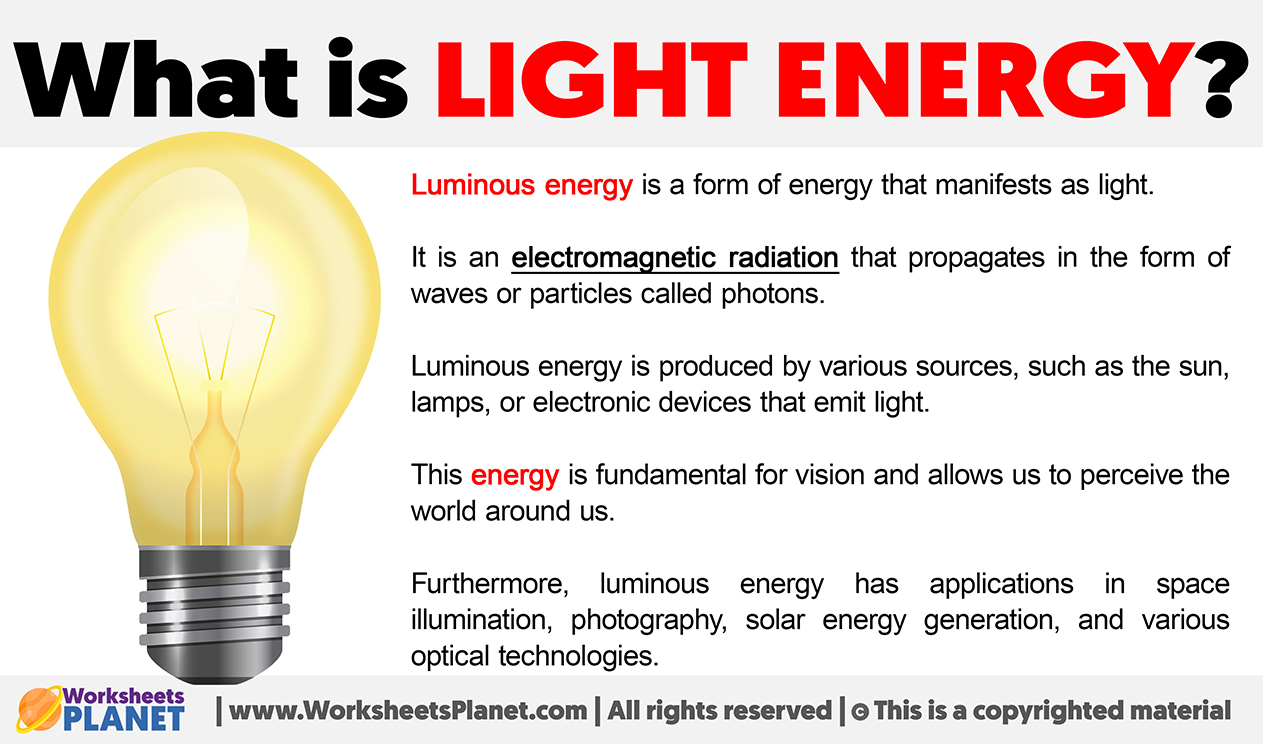
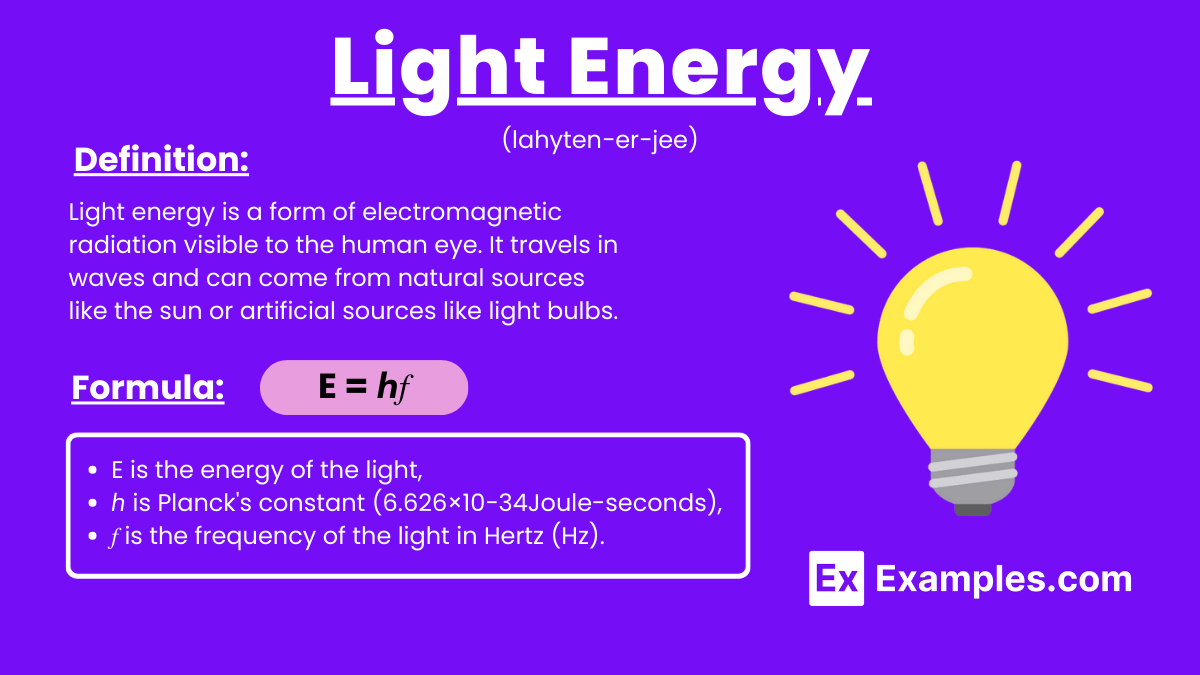
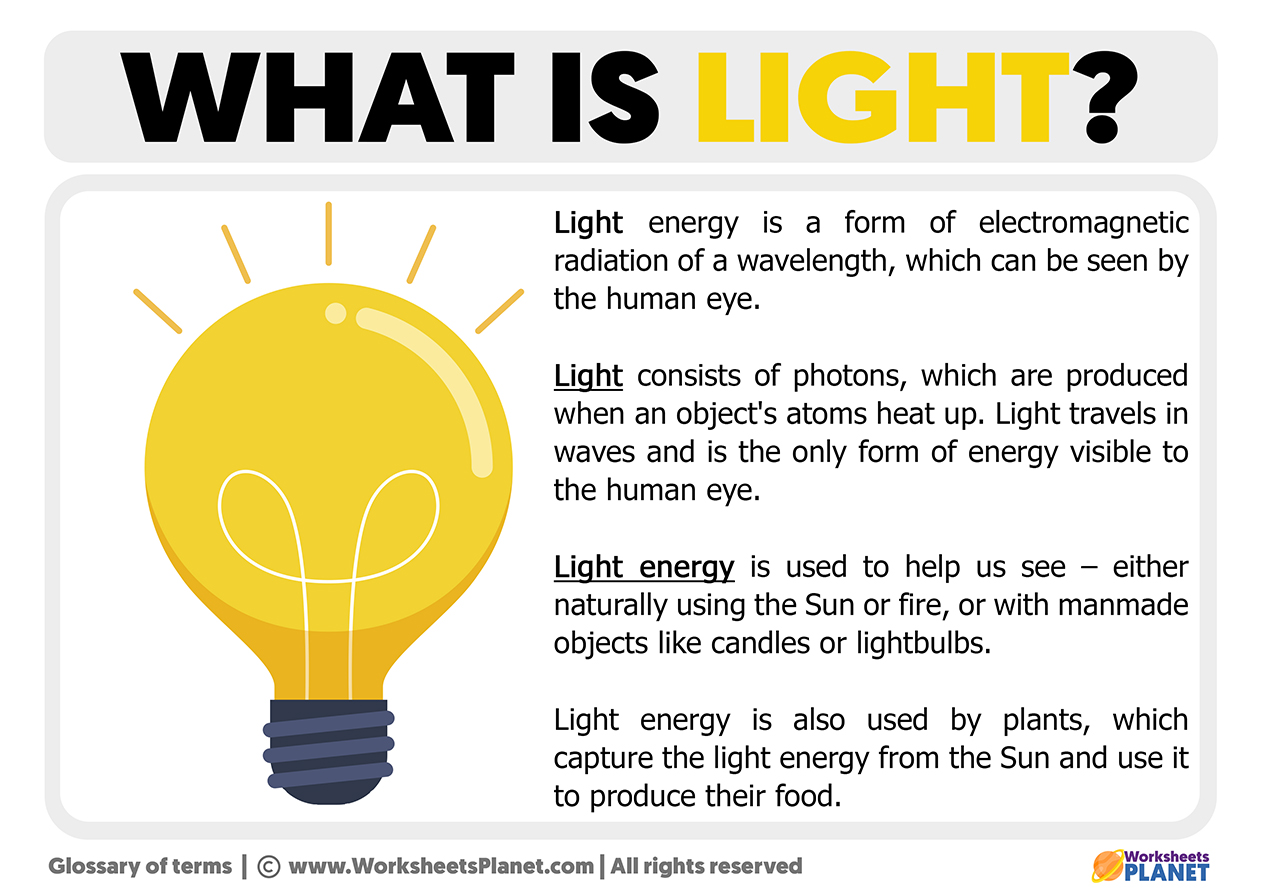
Light energy, traditionally defined in physics as kinetic energy resulting from the movement of electromagnetic waves, has transitioned from a fundamental scientific concept into the primary driver of 21st-century technological innovation. In the realm of technology, light is no longer just something that illuminates our environments; it is a tool for data transmission, a source of clean power, a precision instrument for manufacturing, and the foundation of the next generation of computing. Understanding light energy today requires looking through the lens of photonics—the science of generating, detecting, and manipulating light particles, or photons, to serve human advancement.
The Physics and Fundamentals of Light Energy in Technology
To understand how light energy powers our modern world, we must first look at the unique properties of the photon. Unlike electrons, which carry a charge and possess mass, photons are massless particles that travel at the universal speed limit. This lack of mass and charge makes them the perfect candidates for high-speed technology, as they do not generate the same level of heat or interference as electrical currents in traditional circuitry.
Understanding Photons as Information Carriers
In digital technology, the ability to move information quickly and efficiently is paramount. Light energy allows for “multiplexing,” a process where multiple signals are sent simultaneously across the same medium at different wavelengths. Because photons do not interact with one another in the same way electrons do, they can pass through each other without distorting the data they carry. This characteristic is what allows modern networks to handle the massive bandwidth requirements of the AI and Big Data era.
The Spectrum of Light: Beyond Visible Applications
Technology utilizes far more than just the visible spectrum of light energy. Infrared light is the backbone of remote sensing and thermal imaging, while ultraviolet (UV) light is essential in photolithography—the process used to etch microscopic circuits onto silicon wafers. By manipulating different frequencies within the electromagnetic spectrum, engineers can perform tasks ranging from sanitizing medical equipment to transmitting encrypted data across satellite constellations.
Fiber Optics and the Backbone of Global Communication
Perhaps the most visible success of light energy technology is the global fiber-optic network. While the 20th century was defined by copper wires and electrical pulses, the 21st century is defined by glass strands and pulses of light. Fiber optics represent the pinnacle of using light energy to bridge the digital divide, offering speeds and reliability that traditional metallic conduits could never achieve.
How Total Internal Reflection Revolutionized the Internet
The magic of fiber optics lies in “total internal reflection.” By encoding data into pulses of light and sending them through ultra-pure glass or plastic fibers, information can travel thousands of miles with minimal signal loss. Light energy travels through the core of the cable, bouncing off the cladding in a way that preserves the integrity of the data. This technology is what enables the low-latency requirements of modern cloud computing, online gaming, and real-time financial trading.
The Transition to Photonic Integrated Circuits (PICs)
As we hit the physical limits of traditional silicon chips, the tech industry is turning toward Photonic Integrated Circuits (PICs). Unlike traditional chips that use electricity, PICs use light energy to perform logic functions. These circuits are significantly faster and consume a fraction of the power required by electronic counterparts. By integrating lasers, detectors, and interference filters onto a single microchip, hardware developers are paving the way for data centers that are more sustainable and significantly more powerful.
Solar Technology and the Future of Energy Harvesting
When discussing light energy in a tech context, the conversation inevitably turns to photovoltaics (PV). The ability to convert light energy directly into electrical energy is one of the most critical technological challenges of our time. As the world pivots toward a green economy, the tech industry is innovating at a rapid pace to increase the efficiency of light-to-energy conversion.
The Evolution of Photovoltaic (PV) Cells
The first generation of solar tech relied heavily on crystalline silicon, which offered moderate efficiency but high production costs. However, recent technological leaps have introduced bifacial modules—panels that capture light energy from both sides—and tracking systems that use AI to orient panels toward the sun’s optimal angle throughout the day. These advancements ensure that we are squeezing every possible joule of energy out of the photons hitting the Earth’s surface.
Perovskites and the Next Generation of Light Conversion
The “frontier” of light energy harvesting is currently focused on Perovskites. These are a class of materials that have a specific crystallographic structure, which makes them incredibly efficient at absorbing light. When layered with traditional silicon in “tandem cells,” Perovskites can push solar efficiency ratings past the 30% mark, a threshold previously thought unattainable for commercial applications. This technology promises to make light energy the most cost-effective and abundant power source on the planet.
Advanced Imaging and Sensing: From LiDAR to Medical Lasers
Beyond communication and power, light energy serves as the “eyes” of modern machinery. The development of sophisticated sensors has allowed machines to perceive the three-dimensional world with a level of precision that exceeds human capability.
LiDAR Technology in Autonomous Systems
Light Detection and Ranging (LiDAR) is a remote sensing method that uses light in the form of a pulsed laser to measure ranges (variable distances). This tech is the “brain” behind autonomous vehicles and drones. By emitting millions of light pulses per second and measuring how long they take to bounce back, a LiDAR system creates a high-resolution 3D map of the environment. This use of light energy is fundamental to the safety and viability of self-driving technology, allowing vehicles to detect obstacles in total darkness or adverse weather conditions.
Precision Light: Lasers in Modern Medicine and Manufacturing
In manufacturing, light energy is concentrated into high-powered lasers capable of cutting through steel with sub-millimeter precision. This reduces waste and allows for the creation of complex components used in aerospace and robotics. In the medical field, light energy is used in non-invasive surgeries and diagnostic tools. Optical Coherence Tomography (OCT), for example, uses light waves to take cross-section pictures of the retina, allowing doctors to see the microscopic layers of the eye without ever touching the patient.
The Quantum Frontier: Light-Based Computing
The most ambitious application of light energy lies in the realm of quantum technology. As we approach the end of Moore’s Law—the observation that the number of transistors on a microchip doubles every two years—photonic quantum computing offers a path forward that bypasses the limitations of traditional hardware.
Qubits and the Photonic Quantum Computer
While most quantum computers use trapped ions or superconducting circuits that require temperatures colder than outer space, photonic quantum computers use light energy. Because photons are stable and do not easily interact with their environment, light-based quantum systems can potentially operate at room temperature. Using “squeezed light” and entangled photons, these computers can solve calculations in seconds that would take a traditional supercomputer thousands of years.
Overcoming Thermal Noise with Light-Based Processing
One of the greatest enemies of high-performance computing is heat. Traditional processors generate massive amounts of thermal energy as electrons move through resistance. Light energy, however, generates almost no heat when moving through a photonic medium. This shift from “electron-based” to “light-based” processing could lead to a new generation of “green” supercomputers, capable of training massive AI models without the staggering carbon footprint currently associated with major data centers.
Conclusion: The Luminous Path Forward
Light energy is the invisible thread that connects every facet of modern technology. From the fiber-optic cables that facilitate global discourse to the solar panels that promise a sustainable future, the manipulation of the photon is the hallmark of our current technological age. As we continue to refine our ability to capture, transmit, and compute using light, we are moving toward a world that is faster, cleaner, and more interconnected. The transition from the age of the electron to the age of the photon is not just a scientific shift; it is a total transformation of how we build, communicate, and power our civilization. In the quest for technological perfection, light energy remains our most powerful and versatile tool.
aViewFromTheCave is a participant in the Amazon Services LLC Associates Program, an affiliate advertising program designed to provide a means for sites to earn advertising fees by advertising and linking to Amazon.com. Amazon, the Amazon logo, AmazonSupply, and the AmazonSupply logo are trademarks of Amazon.com, Inc. or its affiliates. As an Amazon Associate we earn affiliate commissions from qualifying purchases.