
The green awareness ribbon, a simple yet potent symbol, has evolved to represent a multitude of causes, each striving for recognition and support. While its meaning can be multifaceted and context-dependent, understanding the prominent associations of the green ribbon offers valuable insight into the landscape of social advocacy and awareness campaigns. This exploration delves into the diverse meanings behind the green awareness ribbon, focusing on its significance within the realm of Brand and Marketing, specifically how non-profit organizations and advocacy groups leverage this visual cue to build recognition, foster emotional connection, and ultimately drive action.

The Genesis of Awareness Ribbons: A Symbol’s Evolution
The concept of awareness ribbons as a form of public advocacy can be traced back to the late 19th century, with early examples like the yellow ribbon used to support troops. However, it was the red ribbon for AIDS awareness that truly popularized the use of colored ribbons as a universal language for solidarity and cause recognition in the latter half of the 20th century. This innovation sparked a wave of similar visual branding efforts, where specific colors became intrinsically linked to distinct issues. The green ribbon, in its various shades and interpretations, has emerged as a powerful element within this visual lexicon, offering a distinct and recognizable mark for a growing number of important causes.
From Color to Cause: The Power of Visual Branding
The effectiveness of awareness ribbons lies in their simplicity and their ability to transcend language barriers. A well-placed green ribbon can instantly communicate affiliation with a cause, serving as a subtle yet persistent reminder of a campaign’s objectives. For advocacy groups and non-profits, this visual consistency is paramount in building a recognizable brand identity. It allows supporters to identify with the cause, wear their support proudly, and engage with a community of like-minded individuals. This is not merely about aesthetics; it’s a strategic deployment of branding elements to achieve tangible outcomes, whether that be increased donations, policy changes, or greater public understanding.
The Spectrum of Green: Nuances in Meaning
While “green” is the overarching hue, the specific shade and context often imbue the ribbon with more precise meanings. Understanding these nuances is crucial for marketers and communicators aiming to accurately represent their cause.
Environmentalism and Conservation: The Verdant Flagbearer
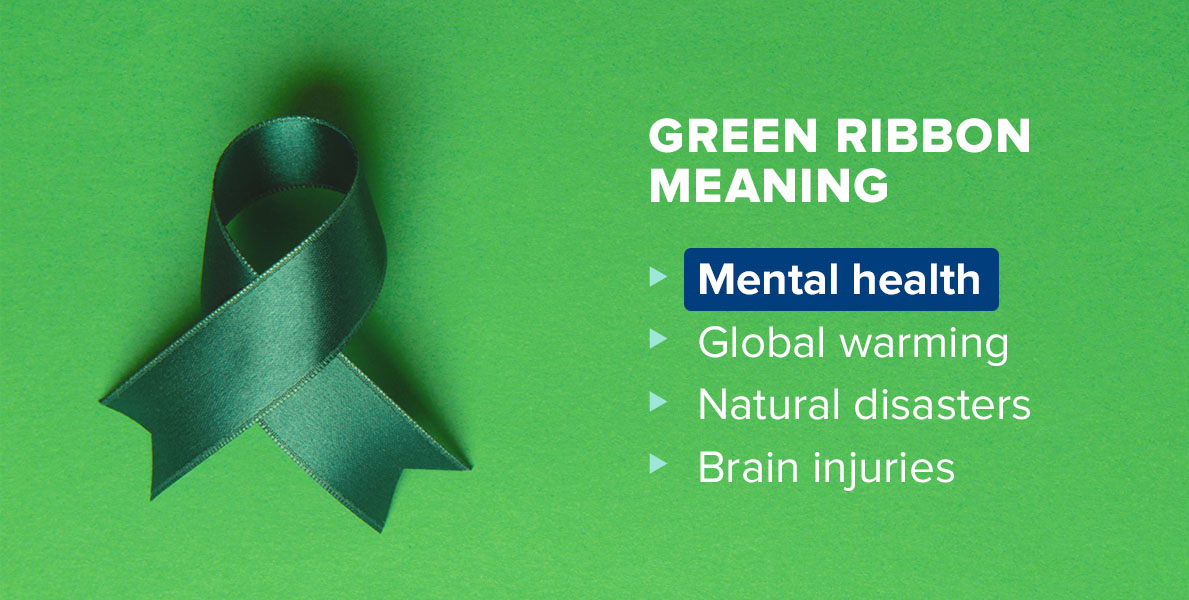
Perhaps the most widely recognized association of the green awareness ribbon is with environmentalism, sustainability, and conservation. This connection is intuitive; green is the color of nature, of growth, of the planet itself. Campaigns focusing on issues like deforestation, climate change, wildlife protection, recycling, and sustainable living often adopt a green ribbon as their primary visual identifier. This choice is not arbitrary; it leverages the inherent symbolism of the color to evoke feelings of nature, health, and the urgent need to protect our natural world. Organizations dedicated to preserving biodiversity, advocating for renewable energy, or promoting eco-friendly practices frequently utilize this powerful visual shorthand.
Crafting a Green Narrative: Marketing for the Planet
For environmental organizations, the green ribbon serves as a cornerstone of their brand strategy. It’s a readily identifiable mark that can be incorporated into logos, merchandise, social media campaigns, and event branding. The narrative crafted around the green ribbon often emphasizes hope, renewal, and the collective responsibility to safeguard the Earth. Marketing efforts might highlight success stories of reforestation, the beauty of endangered species, or the tangible benefits of adopting sustainable practices. The goal is to create an emotional connection with the audience, inspiring them to take action, whether through volunteering, donating, or making conscious lifestyle choices. The green ribbon becomes a visual pledge, a commitment to a healthier planet.
Mental Health Awareness: A Color of Hope and Healing
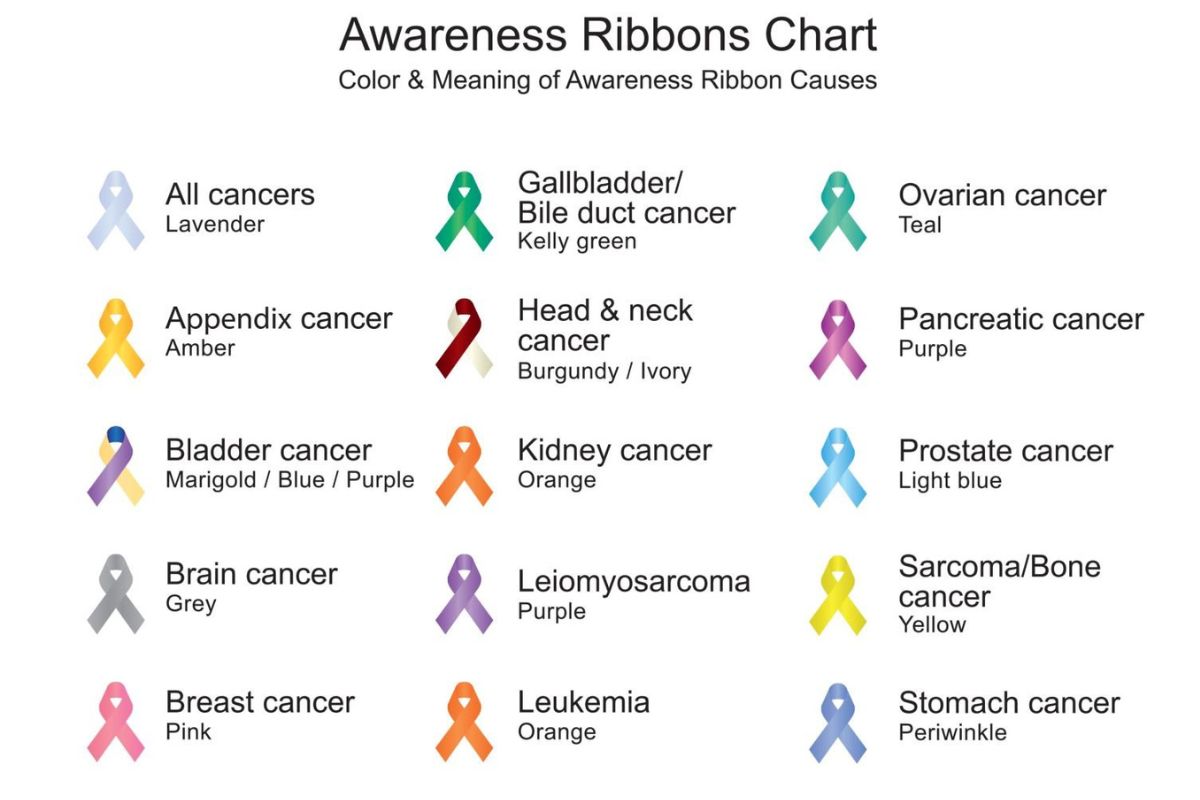
Beyond the environmental sphere, the green awareness ribbon has also become a significant symbol for various mental health initiatives. In this context, green often represents hope, healing, and the journey towards recovery. It can symbolize a fresh start, a new beginning, and the resilience of the human spirit in the face of mental health challenges. Organizations advocating for the destigmatization of mental illness, promoting access to mental healthcare, and supporting those living with conditions like depression, anxiety, or bipolar disorder frequently utilize the green ribbon.
Building Bridges of Understanding: Marketing for Mental Well-being
The branding of mental health awareness campaigns using the green ribbon aims to foster empathy and understanding. Marketing strategies focus on normalizing conversations around mental health, encouraging help-seeking behavior, and dispelling the myths and prejudices that often surround these issues. The green ribbon becomes a beacon of hope, signaling to individuals that they are not alone and that support is available. Campaigns might feature personal stories of recovery, provide educational resources, and highlight the importance of self-care and community support. The objective is to create a safe and inclusive space for dialogue, where the green ribbon signifies a commitment to collective well-being and the belief in the possibility of recovery and a fulfilling life.
Organ Donation and Transplantation: A Symbol of Life and Generosity
In a more specific, yet incredibly impactful, arena, the green awareness ribbon stands for organ donation and transplantation. This is a cause where the color green takes on a profound meaning, symbolizing life, growth, and the continuation of one’s legacy. The act of organ donation is a testament to human generosity and a life-saving intervention, and the green ribbon powerfully communicates this message.
Cultivating a Culture of Giving: Branding for Life-Saving Decisions
The marketing and branding efforts for organ donation campaigns are crucial in addressing widespread misconceptions and encouraging individuals to register as donors. The green ribbon plays a vital role in raising awareness and fostering a positive perception of organ donation. Campaigns often focus on the profound impact an organ transplant can have, transforming lives and offering a second chance. The narrative might involve sharing stories of recipients whose lives have been saved, emphasizing the selfless nature of donors and their families, and providing clear, accessible information on how to become a registered donor. The green ribbon, in this context, is a potent reminder of the gift of life and the potential for one individual’s decision to bring immense hope and renewal to others. It’s about building a culture of giving, where the simple act of wearing or displaying a green ribbon signifies a profound commitment to saving lives.
Beyond the Hue: Strategic Application in Brand Building
The effectiveness of the green awareness ribbon as a branding tool extends beyond its symbolic associations. Its inherent visual appeal and ease of reproduction make it a versatile element for various marketing and communication strategies.
The Ubiquitous Ribbon: From Social Media to Merchandise
In the digital age, awareness ribbons have found new life on social media platforms. Profile picture frames, hashtags, and shared graphics featuring the green ribbon allow for rapid dissemination of information and engagement with a global audience. Beyond the digital sphere, merchandise such as pins, bracelets, t-shirts, and even tote bags emblazoned with the green ribbon serve as tangible expressions of support and become walking advertisements for the cause. These items not only generate revenue for non-profits but also act as powerful conversation starters, prompting discussions and further raising awareness.
Creating an Emotional Resonance: Connecting with the Cause
Ultimately, the success of the green awareness ribbon as a branding element lies in its ability to forge an emotional connection with its audience. Whether representing the vital importance of environmental protection, the ongoing struggle for mental well-being, or the life-affirming act of organ donation, the green ribbon serves as a visual anchor for shared values and collective aspirations. For marketers and brand strategists in the non-profit sector, understanding and leveraging the power of this simple yet profound symbol is key to building impactful campaigns that resonate, inspire, and drive meaningful change. The green ribbon, in its diverse interpretations, stands as a testament to the power of visual branding in amplifying voices, uniting communities, and fostering a more aware and engaged world.
aViewFromTheCave is a participant in the Amazon Services LLC Associates Program, an affiliate advertising program designed to provide a means for sites to earn advertising fees by advertising and linking to Amazon.com. Amazon, the Amazon logo, AmazonSupply, and the AmazonSupply logo are trademarks of Amazon.com, Inc. or its affiliates. As an Amazon Associate we earn affiliate commissions from qualifying purchases.