
The unassuming shape of a fish, when rendered in a simple outline, carries a weight of meaning far beyond its piscine form. For centuries, the fish sign has transcended its literal representation to become a potent symbol, a recognizable emblem, and a powerful tool for brand identification. While its most widely known association is with early Christianity, the multifaceted nature of this symbol allows for a broader exploration of its meaning within the realm of branding, identity, and communication. Understanding the “fish sign” is not just about deciphering a historical glyph; it’s about appreciating the enduring power of a simple form to convey complex ideas and forge strong connections.
The Ichthys: From Humble Origins to Enduring Identity
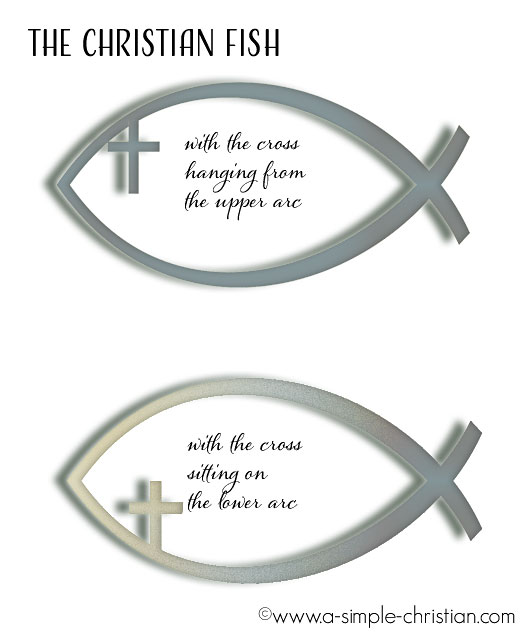
The fish symbol, most famously known as the Ichthys (Greek for “fish”), has a deep and complex history that directly informs its brand significance. Its evolution from a simple identifier to a complex religious and cultural emblem provides a compelling case study in how symbols gain traction and endure across time and contexts.
Early Christian Symbolism and the Genesis of a Brand
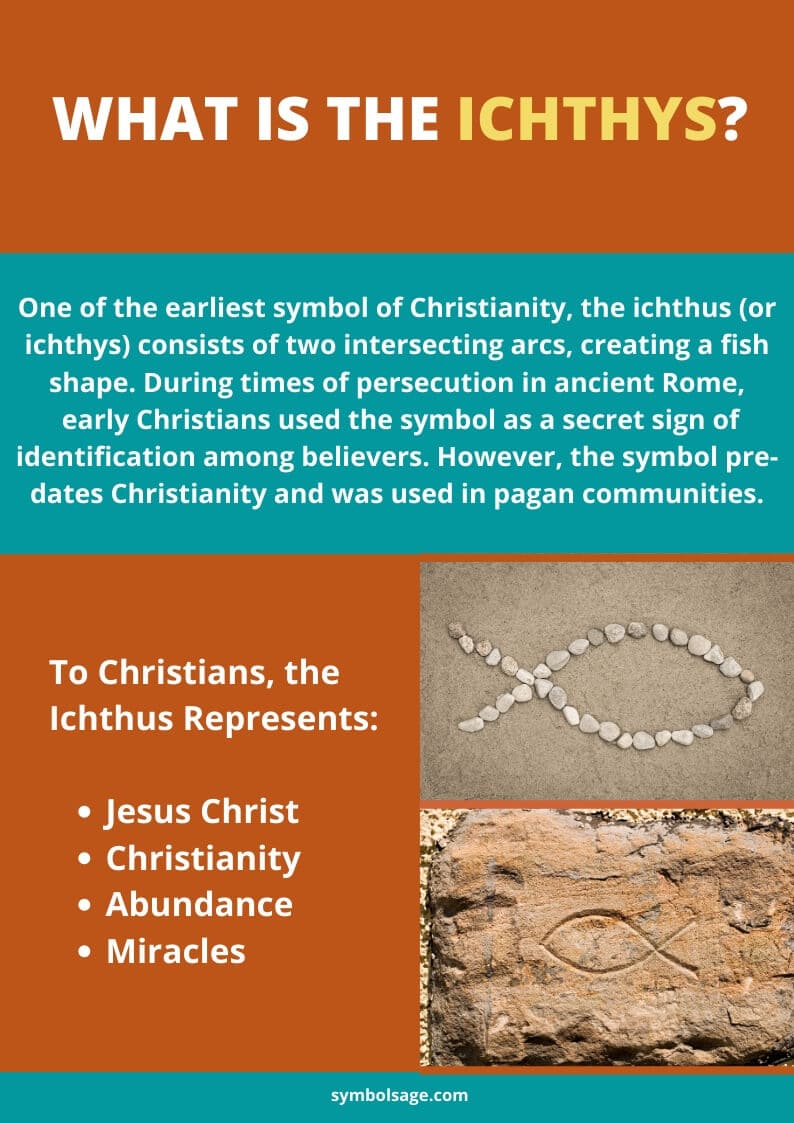
The earliest iterations of the fish symbol as a Christian emblem emerged during a period of intense persecution. In the Roman Empire, Christians were a minority group, often forced to practice their faith in secret. This need for discretion and covert communication necessitated the development of a recognizable yet inconspicuous symbol that could identify fellow believers without attracting undue attention from authorities.
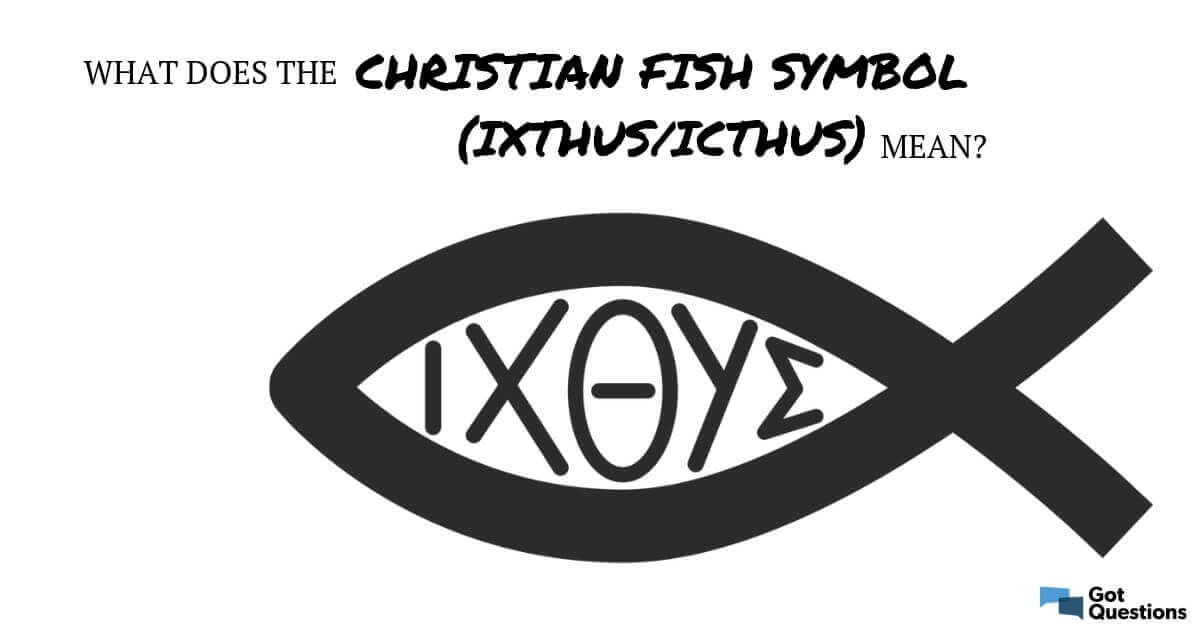
The fish proved to be an ideal candidate. Its Greek name, ichthys, forms an acrostic for the phrase “Jesus Christ, Son of God, Savior.” Each letter in ichthys (ΙΧΘΥΣ) corresponds to a word in this declaration:
- Ι (Iota) – Ἰησοῦς (Iēsoûs) – Jesus
- Χ (Chi) – Χριστός (Christos) – Christ
- Θ (Theta) – Θεοῦ (Theou) – God’s
- Υ (Upsilon) – Υἱός (Huios) – Son
- Σ (Sigma) – Σωτήρ (Sōtēr) – Savior
This clever linguistic device allowed early Christians to communicate their core beliefs and identify each other through a shared, secret “password” encoded within the symbol of a fish. The simplicity of the fish outline made it easy to draw discreetly on walls, in the sand, or even as jewelry. This foundational use established the fish as a powerful brand element for a nascent religious movement, marking its adherents and differentiating them from the broader Roman populace. This was branding in its purest, most functional form: establishing identity and fostering community through a shared visual cue.
Beyond Christianity: A Universal Archetype
While its Christian associations are paramount, it’s important to acknowledge that the fish motif itself is an ancient and universal archetype. Across various cultures and mythologies, fish have been associated with fertility, abundance, the underworld, and the cyclical nature of life. This inherent symbolic richness contributes to the symbol’s enduring appeal, giving it a broader resonance that can be leveraged in branding.
However, for the purposes of understanding the “fish sign” in contemporary branding contexts, the Christian Ichthys remains the dominant and most recognized iteration. Its journey from a persecuted minority’s secret handshake to a globally recognized symbol of faith highlights the power of a well-chosen and consistently applied visual identity.
The Ichthys as a Modern Brand Mark: Adaptability and Recognition
In the contemporary landscape, the Ichthys symbol has evolved significantly, demonstrating remarkable adaptability as a brand mark across diverse sectors. Its inherent simplicity, combined with its deeply ingrained historical and cultural associations, makes it a compelling choice for conveying specific values and fostering a sense of identity.
Religious and Faith-Based Branding
Unsurprisingly, the Ichthys continues to be a prominent brand mark within religious contexts. Churches, Christian organizations, and religious retailers frequently employ the fish symbol in their logos, signage, and merchandise. This usage directly leverages the established meaning of the Ichthys, instantly communicating a connection to Christian faith and values.
For these entities, the Ichthys acts as a shortcut to brand recognition. Potential members or customers immediately understand the organization’s affiliation and core tenets. This is a highly effective form of brand equity, built upon centuries of shared meaning. When a church displays the Ichthys on its building or website, it’s not just decoration; it’s a clear and concise statement of identity, a brand beacon attracting those who resonate with its message.
Beyond the Pew: Expanding Brand Applications
The influence of the Ichthys extends far beyond overtly religious applications. Its inherent visual appeal and positive connotations have led to its adoption in various other branding scenarios where the underlying themes of guidance, hope, community, and even ethical conduct are relevant.
- Charitable Organizations and Non-Profits: Organizations focused on humanitarian aid, social justice, or community support often find the Ichthys to be a fitting symbol. It can represent hope, the sustenance of life, or the collective effort of a community working towards a common good. The symbol’s positive connotations subtly reinforce the organization’s mission and values, creating an emotional connection with donors and beneficiaries.
- Lifestyle and Apparel Brands: Some lifestyle and apparel brands, particularly those with a conscious or ethical stance, may subtly incorporate the fish motif. This can be a way to signal a connection to nature, a commitment to sustainable practices, or a broader sense of spiritual well-being without explicitly stating religious affiliation. It taps into a universal appreciation for the natural world and can create a sense of aspirational branding.
- Educational and Philosophical Movements: In some instances, the Ichthys has been adopted by educational or philosophical movements that draw inspiration from Christian teachings or ethical frameworks derived from them. Here, the symbol signifies a commitment to wisdom, learning, and the pursuit of higher ideals.
The success of the Ichthys in these diverse applications lies in its ability to be both specific and adaptable. While its historical roots are clear, its abstract form allows for reinterpretation and association with a broader spectrum of positive values. This makes it a versatile tool in the brand strategist’s arsenal, capable of conveying a range of nuanced messages depending on the context of its deployment.
The Psychological Impact of the Fish Sign: Building Trust and Community
The enduring appeal and effectiveness of the fish sign as a brand element can be attributed to its significant psychological impact. It taps into deep-seated human needs for belonging, meaning, and trust, making it a powerful tool for building brand loyalty and fostering community.
Evoking Trust and Authenticity
For a significant portion of the global population, the Ichthys is an instantly recognizable symbol of faith. This recognition is intrinsically linked to a perception of authenticity and integrity. Brands that adopt the Ichthys, particularly in contexts aligned with its historical meaning, can instantly benefit from this pre-existing reservoir of trust.
When a consumer encounters the Ichthys, they are often predisposed to view the associated brand or organization in a positive light. This is because the symbol has been consistently linked to core tenets of compassion, ethical behavior, and a commitment to something larger than oneself. This psychological shortcut can be invaluable for new brands seeking to establish credibility or for established brands looking to reinforce their values. The symbol acts as a silent endorsement, assuring potential stakeholders that the brand operates with a certain moral compass.
Fostering a Sense of Belonging and Community
Human beings are social creatures with an innate desire to belong. Symbols that signify group identity and shared values play a crucial role in fulfilling this need. The Ichthys, with its origins as a marker of a distinct community, continues to perform this function effectively in modern branding.
For individuals who identify with the meaning behind the Ichthys, its presence creates an immediate sense of connection. It signifies that they are among like-minded individuals or engaging with an organization that shares their worldview. This can lead to a powerful feeling of community, fostering loyalty and advocacy. A church community rallies around the Ichthys, but so too can a group of individuals who appreciate the ethical underpinnings a brand subtly communicates through its use of the symbol. This sense of shared identity is a powerful driver of consumer behavior and organizational cohesion.
Communicating Core Values Without Explicit Language
One of the most potent aspects of effective branding is the ability to communicate core values and beliefs implicitly. The Ichthys excels at this. Its visual simplicity allows it to transcend language barriers and cultural nuances, conveying a powerful message without the need for extensive explanation.
The symbol can implicitly communicate hope, salvation, guidance, resilience, and a commitment to ethical principles. For a brand that wants to be perceived as trustworthy, compassionate, or spiritually oriented, the subtle inclusion of the Ichthys can powerfully reinforce these desired brand attributes. This indirect communication is often more impactful than explicit statements, as it taps into a deeper, more intuitive understanding of meaning. It allows the brand to “show” rather than “tell,” building a more authentic and resonant connection with its audience.
The Evolution and Future of the Fish Sign in Branding
The journey of the fish sign from an ancient secret code to a multifaceted brand symbol is a testament to its enduring power and adaptability. As the branding landscape continues to evolve, the Ichthys is poised to remain a relevant and impactful element, albeit with new interpretations and applications.
Contemporary Interpretations and Subtleties
While the traditional Ichthys remains prevalent, contemporary branding often sees more abstract or stylized interpretations of the fish motif. Designers might incorporate the essence of the fish shape into typography, logos, or visual patterns without explicitly rendering the full symbol. This allows for a more subtle integration of its underlying meaning, appealing to a broader audience who may not be consciously aware of the symbol’s origins but are drawn to its aesthetic and implied values.
Furthermore, the meaning can be subtly shifted through pairing the fish with other elements. For instance, a fish combined with a compass might emphasize guidance and navigation, while a fish within a circle could suggest wholeness and unity. These nuanced combinations allow brands to tailor the message of the fish symbol to their specific identity and target audience.
The Challenge of Authenticity and Over-Saturation
As with any powerful symbol, there’s a risk of over-saturation and misapplication. When the Ichthys is used without a genuine connection to its underlying meanings, or when it’s employed solely as a superficial aesthetic, its impact can be diluted. Brands must ensure that their use of the fish symbol is authentic and aligns with their core identity and values to avoid appearing disingenuous.
The challenge for brands will be to leverage the historical and psychological power of the Ichthys in ways that feel fresh and relevant to contemporary audiences, while still respecting its deep-seated meaning. This requires a nuanced understanding of branding, symbolism, and the cultural context in which the symbol is being deployed.
A Timeless Symbol for Enduring Brands
Ultimately, the fish sign’s meaning is not static; it’s a living testament to the power of symbols to evolve and resonate across generations. Its enduring presence in branding speaks to its fundamental human appeal – its ability to connect, to communicate core beliefs, and to foster a sense of belonging.
For businesses and organizations seeking to build a strong, recognizable, and trusted brand, the fish sign offers a rich legacy and a versatile toolkit. Whether used overtly to declare faith or subtly to suggest deeper values, its capacity to forge powerful connections and imbue a brand with meaning ensures its continued relevance in the dynamic world of brand strategy. The humble fish, through its remarkable journey, has proven itself to be a symbol of profound and lasting brand power.
aViewFromTheCave is a participant in the Amazon Services LLC Associates Program, an affiliate advertising program designed to provide a means for sites to earn advertising fees by advertising and linking to Amazon.com. Amazon, the Amazon logo, AmazonSupply, and the AmazonSupply logo are trademarks of Amazon.com, Inc. or its affiliates. As an Amazon Associate we earn affiliate commissions from qualifying purchases.