
The integration of digital currencies into mainstream financial systems has been a long and winding road, marked by innovation, skepticism, and gradual acceptance. Among the most significant milestones is the increasing ease with which individuals can acquire cryptocurrencies like Bitcoin through established payment platforms. PayPal, a titan in the online payment processing world, has taken significant steps to bridge the gap between traditional finance and the decentralized crypto economy, offering its vast user base a new avenue to enter the world of digital assets. This article will delve into the various methods, considerations, and implications of purchasing Bitcoin using PayPal, focusing on the financial strategies and tools relevant to this modern investment approach.
The Evolving Landscape of Cryptocurrency Transactions
The emergence of Bitcoin in 2009 heralded a new era for finance, introducing a decentralized digital currency free from government or institutional control. Its journey from an obscure internet phenomenon to a recognized asset class has been remarkable, attracting both retail investors and institutional giants. The challenge for many prospective investors, however, has often been the perceived complexity of acquisition. Traditional banking systems were slow to adapt, leaving a void that peer-to-peer exchanges and specialized crypto platforms eagerly filled. PayPal’s entry into this space represents a significant shift, signaling broader acceptance and making digital currency acquisition more accessible than ever before.
Bitcoin’s Role in Modern Investment Portfolios
Bitcoin, often hailed as “digital gold,” has carved out a distinct niche in modern investment portfolios. Its unique characteristics—scarcity (capped supply of 21 million coins), decentralization, and cryptographic security—have attracted investors seeking an alternative store of value, a hedge against inflation, or simply exposure to a high-growth, high-volatility asset class. While highly volatile, Bitcoin’s impressive long-term performance has positioned it as a compelling, albeit speculative, component for diversification. Understanding its financial implications, including potential returns and inherent risks, is paramount for any investor contemplating its acquisition.
The Allure and Challenges of Digital Asset Ownership
The allure of digital asset ownership extends beyond mere investment; it encompasses a philosophical shift towards financial autonomy and participation in a global, permissionless economy. Bitcoins can be used for payments, remittances, and as a hedge against economic instability in certain regions. However, the path to ownership is not without its challenges. Security concerns, regulatory ambiguities, and the technical complexities of wallets and exchanges have historically deterred many potential users. The integration of established platforms like PayPal seeks to mitigate some of these barriers, offering a familiar and seemingly secure gateway for millions.
Why PayPal as a Gateway?
PayPal’s decision to support cryptocurrency transactions was a watershed moment. As one of the world’s largest payment processors, boasting hundreds of millions of active users and millions of merchants, its entry lent significant legitimacy to the crypto space. For investors, PayPal offers several advantages:
- Familiarity and Trust: Users are already accustomed to PayPal’s interface and security protocols, reducing the learning curve and perceived risk associated with new financial technologies.
- Convenience: The ability to buy, hold, and sell crypto alongside traditional currency balances within a single app streamlines the investment process.
- Liquidity: PayPal’s vast network potentially increases the liquidity for buying and selling cryptocurrencies, simplifying entry and exit strategies.
This move positioned PayPal not just as a payment provider but as an increasingly significant financial tool for digital asset management.
Direct Purchase Methods: PayPal’s Official Foray into Crypto
In October 2020, PayPal announced its groundbreaking move to allow U.S. users to buy, hold, and sell cryptocurrencies directly within their PayPal accounts. This initiative has since expanded to include other regions, transforming the landscape of crypto acquisition. This direct method offers unparalleled simplicity for individuals looking to dip their toes into the crypto market.
Understanding PayPal’s Integrated Crypto Service
PayPal’s integrated crypto service is designed for ease of use, prioritizing accessibility over advanced trading features. Users can purchase Bitcoin (along with Ethereum, Litecoin, and Bitcoin Cash) directly using their linked bank accounts, debit cards, or existing PayPal balances.
- Eligibility and Availability: The service is initially rolled out to specific countries and is subject to local regulatory approvals. Users must verify their identity in accordance with “Know Your Customer” (KYC) regulations, a standard financial compliance measure.
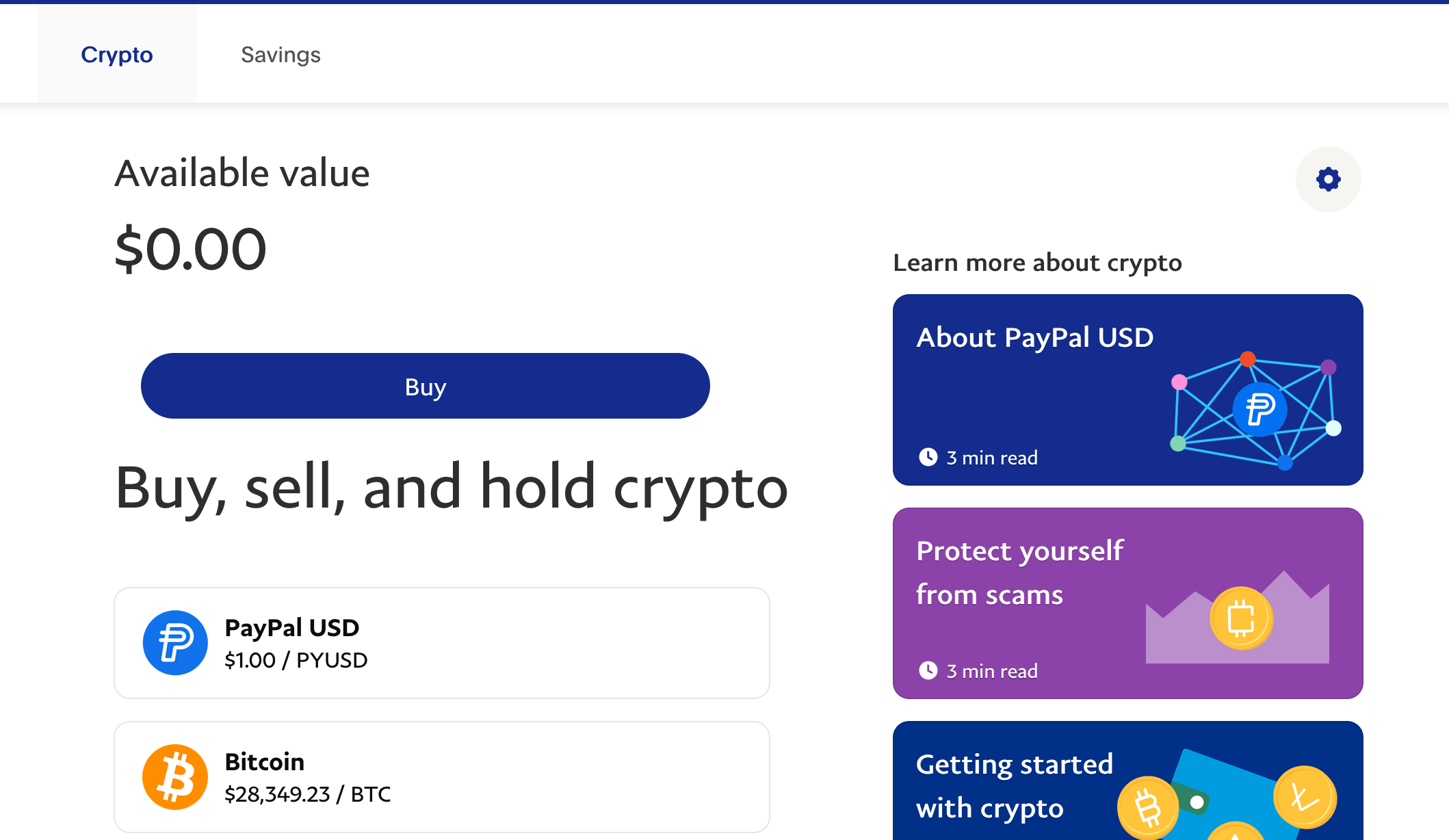
- Buying and Selling Directly on PayPal: The process is intuitive: users navigate to the crypto section of their app, select Bitcoin, enter the desired purchase amount, and confirm the transaction. Selling is equally straightforward, with funds typically credited back to the PayPal balance.
- Evolution of Functionality: Transfer In/Out: Initially, a notable limitation was that cryptocurrency purchased on PayPal could not be transferred out to external wallets. This meant users were restricted to holding their crypto within PayPal’s ecosystem or selling it back to PayPal. However, PayPal has since addressed this, introducing the ability for users to transfer supported cryptocurrencies into and out of their PayPal accounts to external crypto wallets, thereby offering greater financial flexibility and control over their digital assets. This crucial update significantly enhances the utility of PayPal’s crypto service, aligning it more closely with the expectations of seasoned crypto users.
Step-by-Step Guide to Buying Bitcoin via PayPal App/Website
Acquiring Bitcoin directly through PayPal is a remarkably user-friendly process. Here’s how it generally works:
-
Setting up Your PayPal Account for Crypto:
- Log In: Access your PayPal account via the mobile app or website.
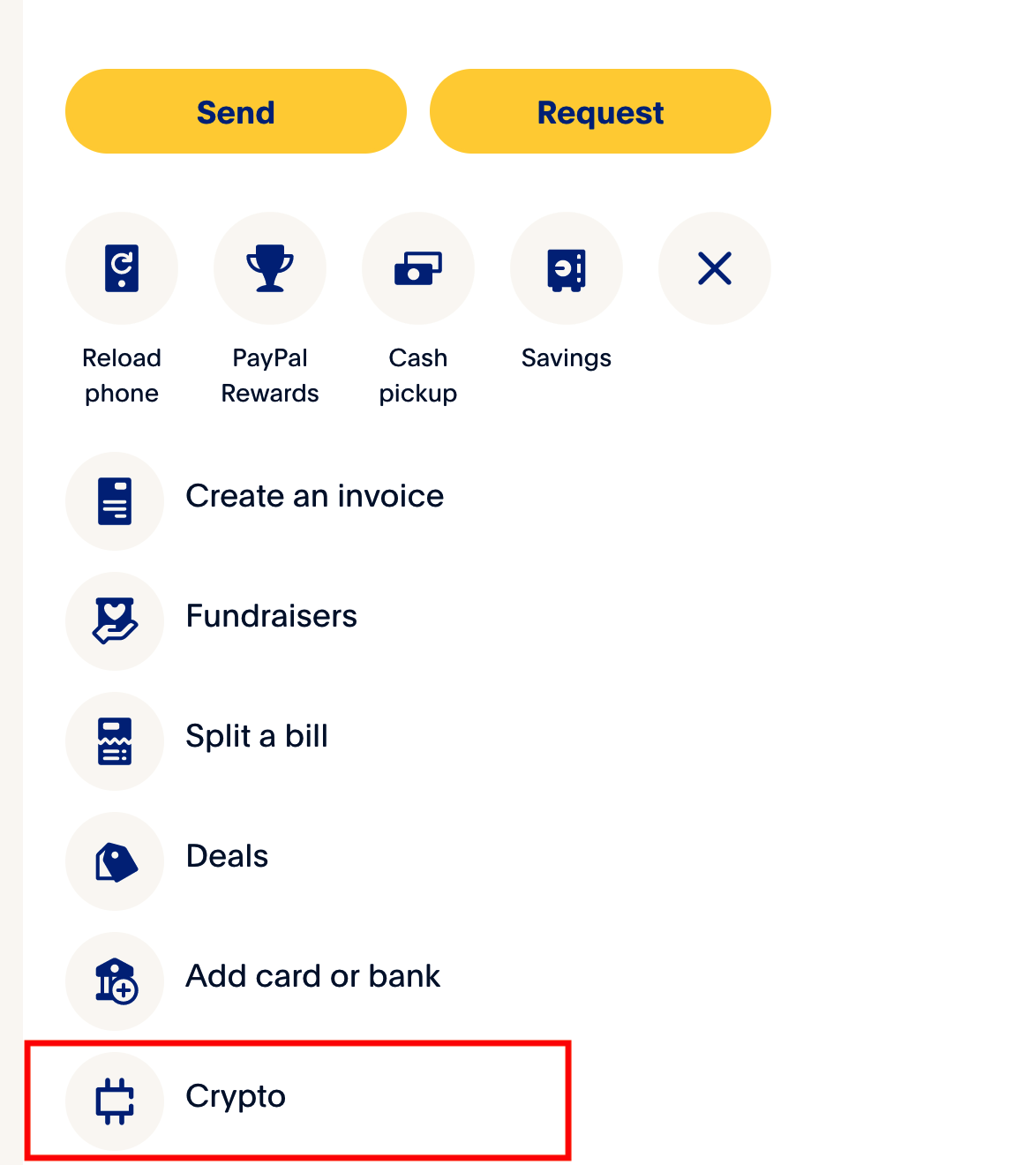
- Locate Crypto Section: Look for a “Crypto” or “Buy and Sell Crypto” section, usually prominent on the dashboard.
- Verify Identity: If you haven’t already, PayPal will prompt you to complete identity verification (KYC). This involves providing personal information and potentially uploading identification documents. This is a crucial step for financial security and regulatory compliance.
- Agree to Terms: Review and accept PayPal’s Cryptocurrency Terms and Conditions.
-
Executing the Purchase:
- Select Bitcoin: From the list of available cryptocurrencies, choose Bitcoin.
- Enter Amount: Input the dollar amount of Bitcoin you wish to purchase. PayPal will display the equivalent amount of Bitcoin based on the current market price, including any applicable fees.
- Choose Funding Source: Select your preferred payment method—linked bank account, debit card, or existing PayPal balance.
- Review and Confirm: Carefully review the transaction details, including the exchange rate and fees. Confirm the purchase.
- Confirmation: You will receive a confirmation, and the Bitcoin will appear in your PayPal crypto balance.
-
Monitoring Your Investment:
- Dashboard View: Your PayPal crypto dashboard provides a real-time overview of your Bitcoin holdings, including current value and performance.
- Alerts: You can often set up price alerts to monitor Bitcoin’s movements, assisting in making informed financial decisions regarding buying or selling.
Indirect Avenues: Leveraging PayPal for Crypto on Third-Party Platforms
While PayPal’s direct crypto service offers convenience, its range of features and supported cryptocurrencies might be limited for more advanced users. For those seeking broader market access or specific functionalities, leveraging PayPal to fund accounts on third-party cryptocurrency exchanges or peer-to-peer (P2P) marketplaces remains a viable and popular strategy.
P2P Marketplaces Accepting PayPal
Peer-to-peer (P2P) marketplaces facilitate direct transactions between buyers and sellers, often supporting a wider array of payment methods, including PayPal. Platforms like LocalBitcoins (though less prominent now) or Paxful have historically enabled such transactions.
- Process: Buyer-Seller Matching, Escrow Services: Buyers browse listings from sellers willing to accept PayPal. Once a suitable offer is found, the platform typically uses an escrow service to hold the seller’s Bitcoin until the PayPal payment is confirmed.
- Pros and Cons:
- Pros: Access to diverse sellers, potentially better rates (negotiable), and a wider range of payment options. For those seeking specific privacy levels or non-KYC options (though increasingly regulated), P2P can sometimes offer alternatives, albeit with higher risks.
- Cons: Higher risk of scams (chargebacks on PayPal being a common one), slower transaction times (due to manual verification), and potentially higher fees from sellers. It demands significant diligence in verifying seller reputation and adhering to platform guidelines to mitigate financial risk.
Using PayPal to Fund Crypto Exchange Accounts
Many mainstream cryptocurrency exchanges and trading platforms do not directly accept PayPal as a payment method for purchasing crypto due to the risk of chargebacks, which could leave the exchange vulnerable to financial loss. However, some platforms do allow PayPal as a method for depositing fiat currency into your account, which you can then use to buy Bitcoin or other cryptocurrencies. Prominent examples include eToro (a social trading platform) and, in some regions, Coinbase (for withdrawals).
- Funding your Exchange Wallet via PayPal: If an exchange supports it, you would navigate to the deposit section, select PayPal as your funding method, and transfer fiat currency (e.g., USD, EUR) from your PayPal account to your exchange wallet. This balance can then be used for trading.
- Executing Bitcoin Purchase on the Exchange: Once your fiat currency is deposited, you can use the exchange’s trading interface to purchase Bitcoin at market rates, often with lower trading fees compared to direct purchases on PayPal or P2P platforms.
- Advantages:
- Wider Crypto Selection: Exchanges typically offer a much broader range of cryptocurrencies beyond the few supported by PayPal directly.
- Advanced Trading Features: Access to charting tools, limit orders, stop-loss orders, and other sophisticated trading instruments beneficial for active traders and managing financial risk.
- Lower Trading Fees: While funding via PayPal might incur a fee, the actual trading fees on exchanges are often competitive.
Critical Considerations and Best Practices for PayPal Crypto Purchases
Engaging with cryptocurrency through PayPal, whether directly or indirectly, requires a thoughtful approach, particularly concerning fees, security, and market volatility. These financial considerations are crucial for managing risk and maximizing potential returns.
Understanding Fees and Exchange Rates
Fees are an unavoidable aspect of any financial transaction, and cryptocurrency purchases are no exception.
- PayPal’s Fee Structure: When buying or selling crypto directly on PayPal, fees are typically incorporated into the spread (the difference between the buy and sell price) or charged as a percentage of the transaction amount. These fees can vary based on the transaction size and jurisdiction. Always review PayPal’s fee schedule before making a purchase.
- Third-Party Platform Fees: P2P marketplaces and crypto exchanges have their own fee structures. P2P sellers might mark up prices to cover their perceived risk and fees. Exchanges typically charge deposit fees (if PayPal is allowed), trading fees (percentage per trade), and withdrawal fees.
- Spread and Price Volatility: The displayed price of Bitcoin is often an average. The actual price you pay (buy price) will usually be slightly higher than the actual price you receive (sell price), a difference known as the spread. This, combined with Bitcoin’s inherent price volatility, means the exact cost of your purchase can fluctuate rapidly.
Security Measures and Risk Management
Financial security is paramount when dealing with digital assets.
- Account Security (2FA): Always enable Two-Factor Authentication (2FA) on your PayPal account and any third-party crypto exchange accounts. This adds an extra layer of security beyond just a password.
- Avoiding Scams on P2P Platforms: If using P2P methods, be extremely cautious. Only deal with reputable sellers with high ratings and a long transaction history. Be wary of offers that seem too good to be true. Never release Bitcoin from escrow until you have unequivocally confirmed the PayPal payment has cleared and cannot be reversed. Chargebacks are a significant risk with PayPal on P2P platforms.
- Volatility Risks and Investment Discipline: Bitcoin’s price can swing wildly. Understand that you could lose a significant portion or all of your investment. Only invest what you can afford to lose. Develop an investment strategy (e.g., dollar-cost averaging) and stick to it to avoid emotional trading decisions.
Regulatory Compliance and Tax Implications
The regulatory landscape for cryptocurrency is constantly evolving. As a financial tool, purchasing Bitcoin through PayPal brings forth specific obligations.
- KYC and AML: Both PayPal and regulated exchanges adhere to Know Your Customer (KYC) and Anti-Money Laundering (AML) regulations, requiring identity verification. This is designed to prevent illicit financial activities.
- Taxation: In many jurisdictions, cryptocurrency is treated as property for tax purposes. This means capital gains or losses from selling Bitcoin could be subject to taxation. It is crucial to keep meticulous records of all your crypto transactions (purchase price, sale price, dates) and consult with a qualified financial advisor or tax professional to understand your obligations. Ignoring tax implications can lead to significant financial penalties.
The Future of PayPal and Cryptocurrency Integration
PayPal’s journey into cryptocurrency is far from complete. Its initial offerings represent a foundational step, and the platform is poised to play an even larger role in mainstream crypto adoption.
Expanding Capabilities and Future Developments
PayPal continues to innovate in the crypto space. Future developments could include:
- Broader Crypto Support: Adding more altcoins to its direct purchase service.
- Enhanced Wallet Functionality: Integrating more advanced features for managing digital assets, potentially including staking or lending options.
- Cross-Border Remittances: Leveraging cryptocurrencies for faster and cheaper international money transfers, a core business for PayPal.
- Merchant Integration: Allowing users to seamlessly pay merchants using their crypto holdings, converting crypto to fiat at the point of sale. This would further blur the lines between traditional and digital currencies, cementing Bitcoin as a functional financial instrument.
The Impact on Mainstream Crypto Adoption
PayPal’s embrace of Bitcoin has a profound impact on mainstream crypto adoption. By offering a familiar and trusted interface, it lowers the barrier to entry for millions of users who might otherwise be intimidated by dedicated crypto exchanges. This increased accessibility fosters greater understanding and acceptance of digital currencies as legitimate financial assets and tools. As PayPal continues to expand its crypto offerings, it contributes significantly to the legitimization and integration of Bitcoin into the global financial ecosystem, ultimately shaping the future of money itself. The financial implications for individual investors and the broader market are substantial, marking a pivotal moment in the digital finance revolution.
aViewFromTheCave is a participant in the Amazon Services LLC Associates Program, an affiliate advertising program designed to provide a means for sites to earn advertising fees by advertising and linking to Amazon.com. Amazon, the Amazon logo, AmazonSupply, and the AmazonSupply logo are trademarks of Amazon.com, Inc. or its affiliates. As an Amazon Associate we earn affiliate commissions from qualifying purchases.