
The United States Coast Guard, often perceived as a humanitarian agency focused on rescue missions and maritime safety, plays a far more complex and critical role, especially when the nation finds itself in a state of conflict. While its peacetime operations are vital, its wartime contributions are essential to national security, extending beyond traditional law enforcement into strategic military support. Understanding the Coast Guard’s wartime functions requires looking at how its unique capabilities, honed through a dual-mission mandate of maritime law enforcement and national defense, integrate with the broader objectives of the armed forces. This exploration will delve into the technological advancements that enhance its effectiveness, the strategic brand it cultivates to maintain public trust and international cooperation, and the financial considerations that underpin its operational readiness during times of war.
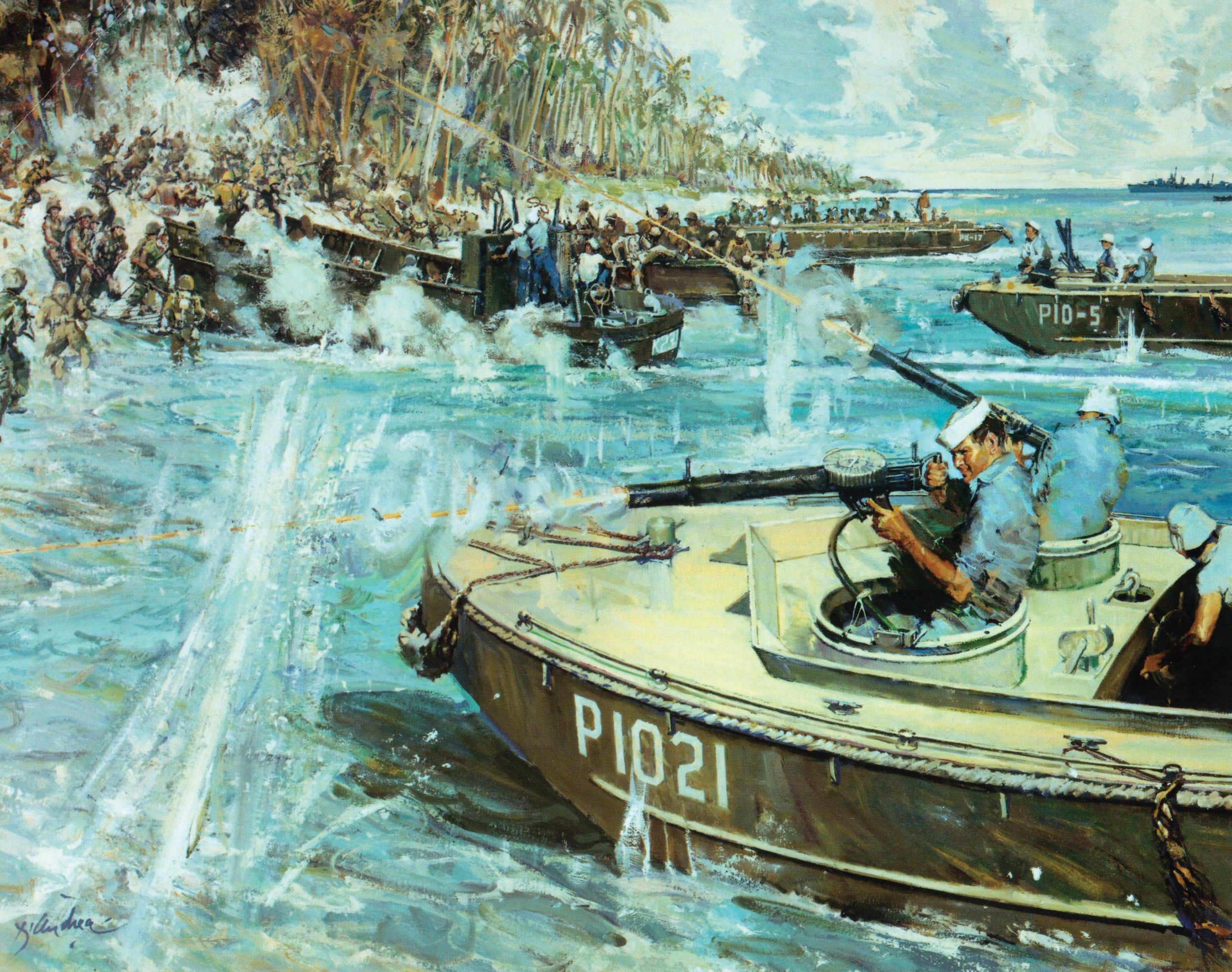
Safeguarding Strategic Waterways: The Coast Guard’s Evolving Role in Maritime Defense
The fundamental mission of the Coast Guard, “Semper Paratus” – Always Ready – takes on a heightened significance during wartime. Its inherent strengths lie in its deep understanding of U.S. waters, ports, and coastal areas, making it the frontline defender against maritime threats that could directly impact national security. While the Navy focuses on projecting power globally, the Coast Guard is primarily tasked with protecting the homeland’s maritime domain, a critical component of any successful defense strategy.
Port Security and Force Protection: The First Line of Defense
One of the most immediate and vital wartime responsibilities of the Coast Guard is ensuring the security of U.S. ports and harbors. These vital hubs are not only critical for the movement of goods and personnel but also represent potential entry points for enemy forces, sabotage, or weapons of mass destruction. During wartime, the threat landscape escalates dramatically. The Coast Guard’s extensive network of cutters, aircraft, and specialized units are deployed to establish security zones, conduct extensive patrols, and screen all maritime traffic entering and leaving ports.
This involves sophisticated surveillance and interdiction operations. Coast Guard vessels, equipped with advanced radar, sonar, and communication systems, meticulously monitor vessel movements, identifying any anomalies or suspicious activities. Small boat stations, strategically located along the coast, provide immediate response capabilities, intercepting unauthorized vessels and enforcing security regulations. The Coast Guard also works in close coordination with other federal agencies, including Customs and Border Protection and the Department of Homeland Security, to create a layered defense system.
Furthermore, the Coast Guard is responsible for protecting naval vessels and other military assets that may be stationed in or transiting through U.S. waters. This “force protection” mission involves establishing safe passages, escorting high-value targets, and defending against potential attacks from submarines, small craft, or aerial threats. The integration of Coast Guard assets with those of the Navy is crucial here, ensuring a seamless and coordinated defense of critical maritime infrastructure.
Maritime Interdiction Operations: Disrupting Enemy Supply Lines and Illicit Activities
Beyond securing domestic ports, the Coast Guard plays a crucial role in interdicting enemy supply lines and disrupting illicit activities that could support hostile forces. While the Navy might engage in large-scale fleet actions on the high seas, the Coast Guard’s expertise in maritime law enforcement and its adaptable operational capabilities make it ideal for conducting interdiction missions in potentially more complex and littoral environments.
This includes stopping the flow of weapons, intelligence assets, or contraband that could aid enemy operations. Coast Guard units are trained to conduct complex boardings of suspect vessels, often in challenging weather conditions and potentially hostile situations. Their boarding teams are equipped with specialized gear and trained in advanced tactical maneuvers to ensure the safety of their personnel and the successful completion of their mission. The intelligence gathered during these interdiction operations can be invaluable to military planners, providing insights into enemy movements and capabilities.
In a wartime scenario, the Coast Guard’s role in enforcing sanctions and trade embargoes also becomes critically important. By preventing the illicit export of resources or the import of prohibited goods, the Coast Guard can significantly impede an adversary’s ability to sustain its war effort. This aspect of their mission highlights the interconnectedness of maritime security, economic warfare, and national defense.
Technology and Innovation: Enhancing Wartime Maritime Capabilities
The effectiveness of any military force in modern warfare is inextricably linked to its technological prowess. The Coast Guard, while often operating with a different budget and procurement cycle than the Navy, is continuously investing in and integrating cutting-edge technologies to enhance its capabilities, particularly in wartime.
Advanced Surveillance and Intelligence Gathering: Eyes on the Maritime Domain
Technological advancements are revolutionizing how the Coast Guard monitors and understands the maritime domain, especially during conflict. Modern radar systems offer unprecedented range and resolution, allowing for the detection of even small vessels or submerged objects. Sophisticated sonar technology enables the identification and tracking of submarines, a critical threat in any naval conflict.
The integration of AI tools and machine learning is transforming data analysis. The Coast Guard is increasingly leveraging these technologies to sift through vast amounts of sensor data, identifying patterns, anomalies, and potential threats that human analysts might miss. This includes predictive analytics for vessel behavior, early warning systems for inbound threats, and automated threat assessment.
Unmanned Aerial Vehicles (UAVs) and Unmanned Surface Vehicles (USVs) are becoming indispensable assets. Drones equipped with high-definition cameras, thermal imaging, and other sensors can conduct persistent surveillance of vast areas of water, providing real-time intelligence to command centers and operational units. USVs can perform dangerous mine-detection or patrol duties, reducing the risk to human crews. The rapid development and deployment of these autonomous systems are crucial for maintaining situational awareness in a dynamic and often unpredictable wartime environment.
Communication and Cyber Security: Ensuring Command and Control in a Contested Environment
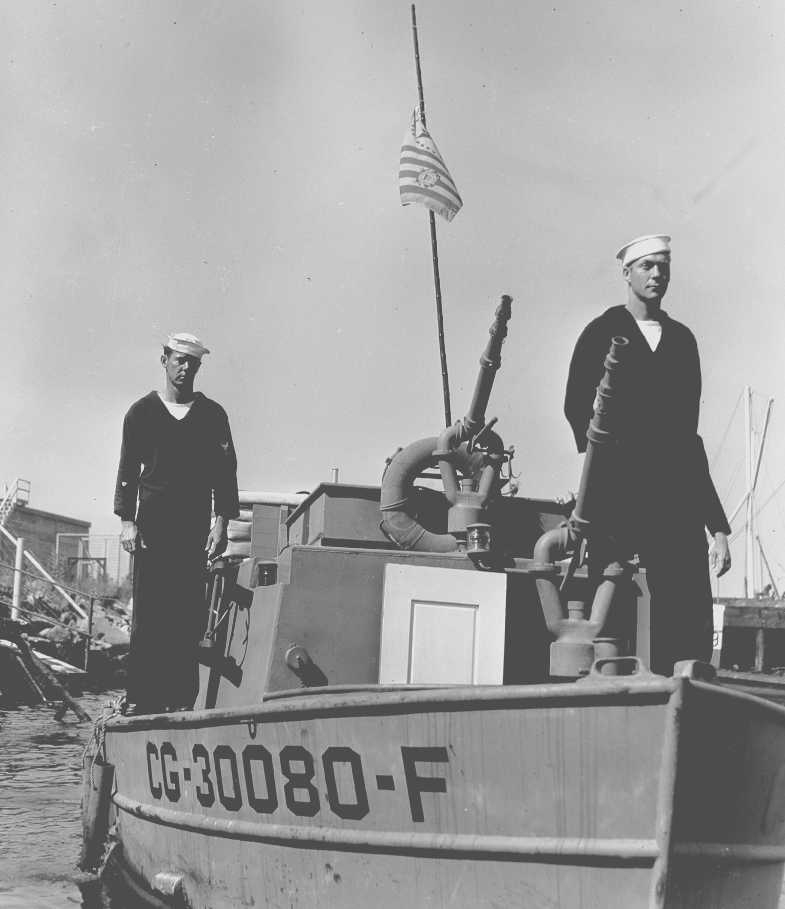
Effective command and control are paramount in wartime. The Coast Guard relies on robust and secure communication systems to maintain contact with its dispersed assets and to coordinate with other military branches and allied forces. During conflict, these communication channels become prime targets for cyberattacks and electronic warfare.
The Coast Guard is investing heavily in hardened communication networks, redundant systems, and advanced encryption technologies to ensure that its command and control remain operational even under intense pressure. Digital security is no longer an afterthought; it is a core component of wartime readiness. This includes defending against cyber intrusions into its own networks and potentially conducting offensive cyber operations to disrupt enemy communications or capabilities.
The development and deployment of specialized software applications and integrated platforms are also key. These tools enable real-time sharing of intelligence, operational planning, and resource management across different units and agencies. The ability to quickly adapt and deploy new digital solutions can provide a significant tactical advantage in a fluid wartime situation.
The Strategic Brand of the Coast Guard: Building Trust and International Cooperation
The Coast Guard’s brand is built on a foundation of public trust, humanitarianism, and unwavering dedication to maritime safety. This carefully cultivated reputation is not only vital for its peacetime operations but also serves as a strategic asset during wartime. Its brand equity enables it to foster strong relationships with domestic and international partners, facilitating seamless cooperation and interoperability.
International Partnerships and Interoperability: A Unified Front at Sea
In wartime, the Coast Guard’s international engagements become even more critical. It works closely with the navies and coast guards of allied nations to conduct joint patrols, share intelligence, and enforce international maritime laws. The Coast Guard’s expertise in areas like maritime security cooperation, counter-narcotics, and counter-terrorism often makes it a preferred partner for nations seeking to enhance their own maritime capabilities.
The brand of professionalism and reliability that the Coast Guard embodies allows it to build trust and facilitate interoperability with diverse international forces. This means that when U.S. forces are operating alongside allies at sea, the Coast Guard’s presence ensures that the shared maritime environment is secure and that operations are coordinated effectively. Its participation in international exercises and training programs further strengthens these relationships and ensures that all parties are working towards common objectives.
Public Perception and Maintaining Morale: The Human Element of Wartime Service
The Coast Guard’s brand also encompasses its commitment to its personnel and the public it serves. During wartime, this human element is amplified. The public’s perception of the Coast Guard as a selfless and dedicated service can be a powerful morale booster for its own members and a source of national pride. The media coverage of its heroic rescues, even in wartime, reinforces this positive image.
Internally, the Coast Guard’s strong corporate identity and emphasis on teamwork and dedication are crucial for maintaining the morale and effectiveness of its personnel. The challenges and sacrifices inherent in wartime service require a robust organizational culture that supports its members and reinforces their sense of purpose. This includes providing adequate training, resources, and psychological support to ensure that its crews are prepared for the demanding realities of conflict.
Financial Foundations: Sustaining Wartime Readiness and Technological Advancement
The operational effectiveness of the Coast Guard during wartime is directly tied to its financial resources. While its budget is often distinct from that of the Department of Defense, adequate funding is crucial for maintaining its fleet, investing in new technologies, training personnel, and sustaining readiness for prolonged conflict.
Budgetary Allocation and Resource Management: Prioritizing National Security Needs
During wartime, budgetary priorities shift. The Coast Guard’s funding needs to be sufficient to support its expanded wartime missions, which may include increased operational tempo, the acquisition of specialized equipment, and the deployment of additional personnel. Effective financial planning and resource management are essential to ensure that these funds are allocated efficiently and effectively to address the most critical national security needs.
This involves careful consideration of the return on investment for technological acquisitions, the long-term costs of maintaining an aging fleet, and the need for continuous training and professional development. The ability to adapt its financial strategies to meet the evolving demands of wartime is a testament to the Coast Guard’s resilience and strategic foresight.
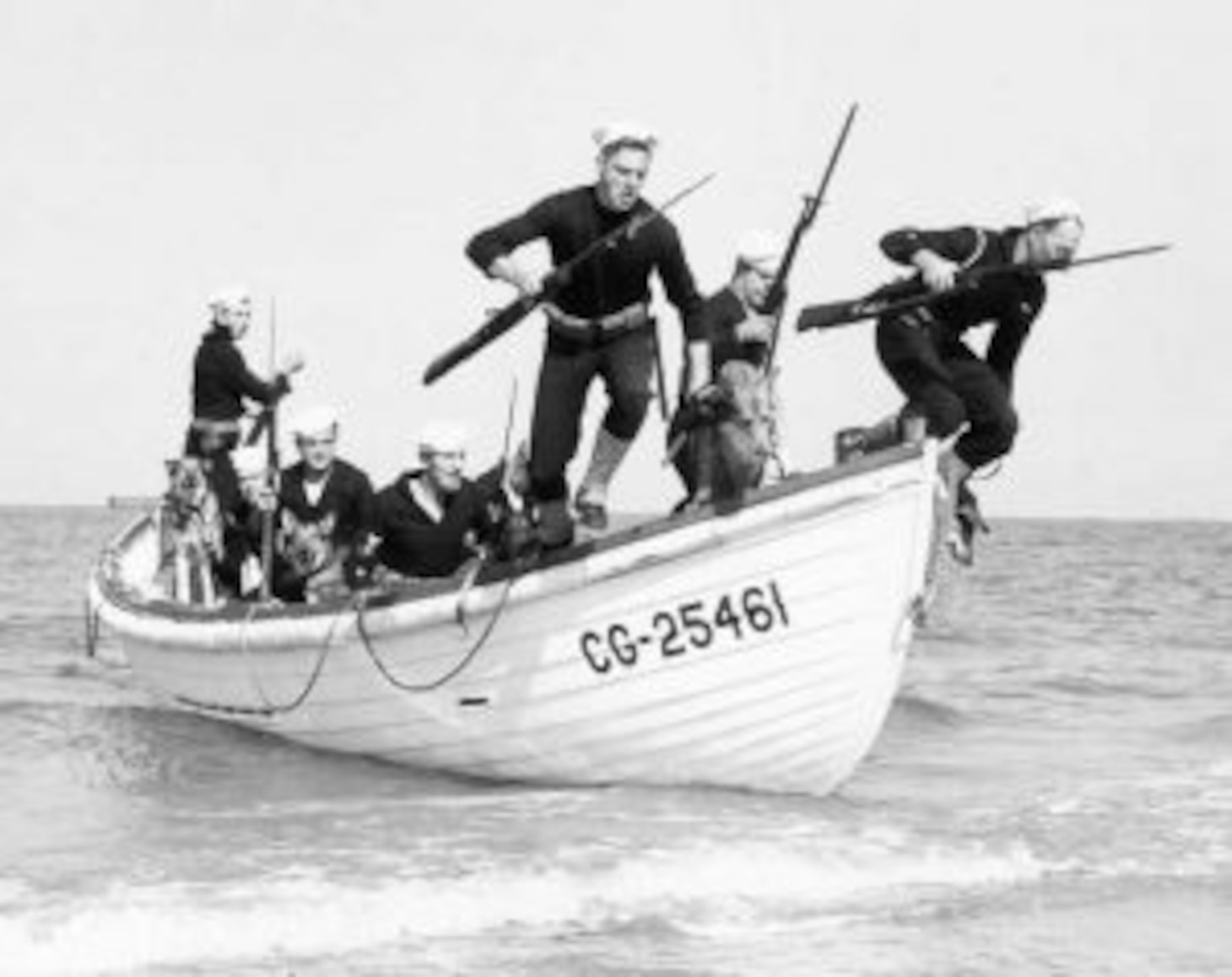
Investing in Future Capabilities: The Long-Term Financial Outlook
Beyond immediate wartime needs, the Coast Guard must also plan for the future. This involves making strategic investments in research and development, exploring emerging technologies, and modernizing its assets to ensure it remains a capable force for years to come. This forward-looking financial approach ensures that the Coast Guard can adapt to new threats and challenges, even after the immediate crisis has passed.
The financial sustainability of its technological modernization programs is particularly important. As threats evolve and technologies advance, the Coast Guard needs a consistent funding stream to acquire and integrate new capabilities. This includes investments in AI, cybersecurity, advanced sensor systems, and next-generation platforms that will be essential for maintaining maritime superiority in an increasingly complex global landscape.
In conclusion, the Coast Guard’s role during wartime is multifaceted and indispensable. It acts as the vigilant guardian of U.S. waters, the disruptor of enemy maritime activities, and a vital partner in international security efforts. Its ability to leverage advanced technology, maintain a strong and trusted brand, and manage its financial resources effectively ensures that it remains “Semper Paratus,” ready to defend the nation’s maritime interests in times of peace and war. The evolving nature of warfare, particularly in the maritime domain, demands a Coast Guard that is agile, technologically advanced, and strategically positioned to meet any challenge.
aViewFromTheCave is a participant in the Amazon Services LLC Associates Program, an affiliate advertising program designed to provide a means for sites to earn advertising fees by advertising and linking to Amazon.com. Amazon, the Amazon logo, AmazonSupply, and the AmazonSupply logo are trademarks of Amazon.com, Inc. or its affiliates. As an Amazon Associate we earn affiliate commissions from qualifying purchases.