
Weddings are often viewed through the lens of romance and celebration, but from a fiscal perspective, they represent one of the most significant personal financial events a family will ever navigate. The question of “what the bride’s family pays for” is no longer just a matter of etiquette; it is a complex exercise in capital allocation, personal finance management, and long-term wealth planning. In an era where the average cost of a wedding can rival a down payment on a home, understanding the traditional breakdown of expenses—and how to adapt them to modern financial realities—is essential for maintaining fiscal health.
1. The Traditional Financial Framework: Understanding the Bride’s Family’s Capital Outlay
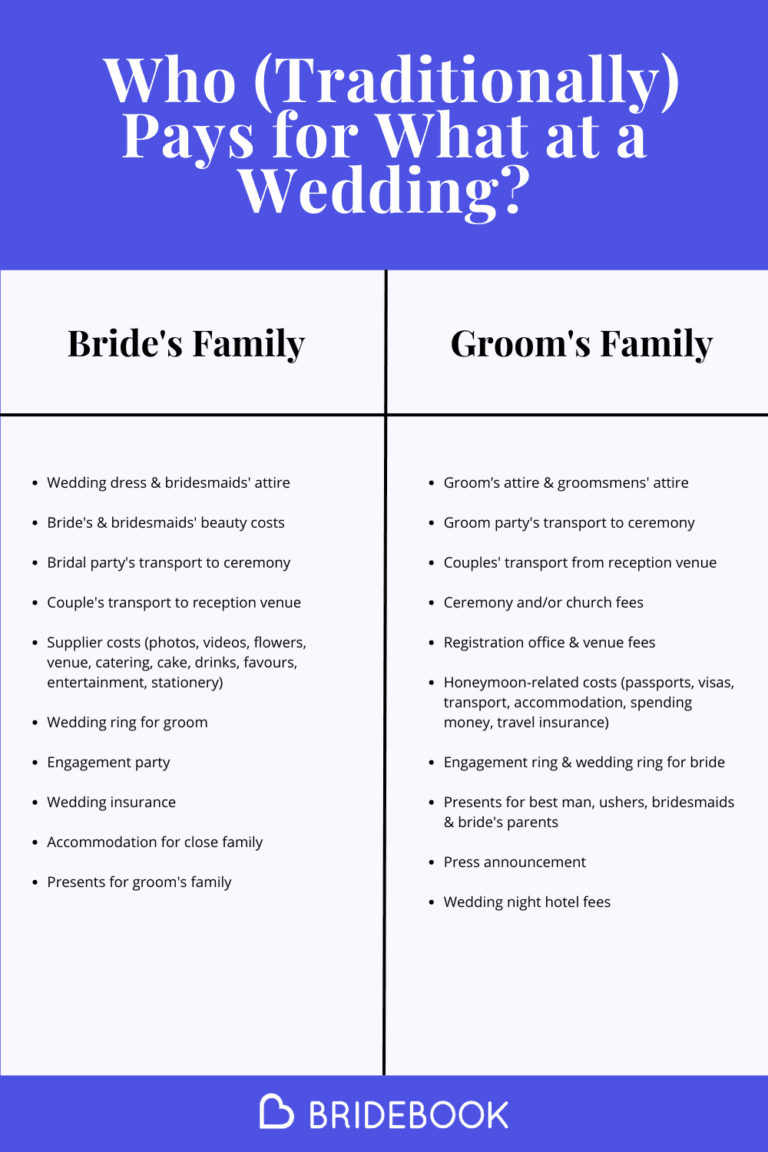
Historically, the bride’s family assumed the lion’s share of wedding expenses. This tradition stems from centuries-old customs regarding dowries and the social “transfer” of responsibility. In contemporary personal finance, we view these traditional expectations as a baseline for budgeting, though they are increasingly subject to negotiation based on the liquidity and net worth of all parties involved.
The Venue and Catering: The Primary Expenditure
Traditionally, the bride’s family is responsible for the largest single line item in the wedding budget: the reception. This includes the rental of the venue, catering costs (per head), and the bar service. From a financial planning perspective, this often accounts for 40% to 50% of the total wedding budget. Professional financial advisors recommend that families treat this as a fixed-cost investment, requiring careful contract review to avoid “hidden” service fees and gratuities that can inflate the final invoice by 20% or more.
Attire, Aesthetics, and Branding the Event
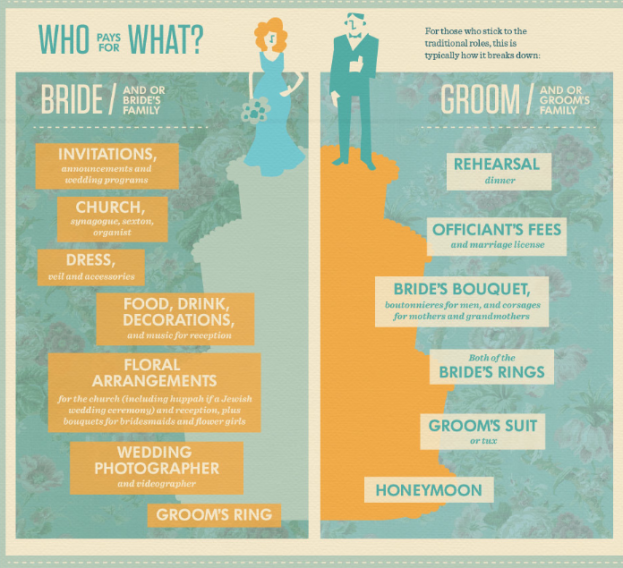
The bride’s family typically covers the cost of the bridal gown, accessories, and the bride’s hair and makeup. Beyond the bride herself, this category extends to the floral arrangements for the ceremony and reception, as well as the overall “decorating” of the event. In the context of money management, these are considered variable costs. While a venue price might be firm, floral and decor budgets can be scaled up or down based on the family’s available cash flow.
Stationery and Logistics
From save-the-dates and formal invitations to the programs and thank-you notes, the bride’s family traditionally manages the “marketing” of the wedding. Additionally, the cost of the ceremony itself—including the rental of a church or secular space and the fees for musicians—falls under this umbrella. While these may seem like minor expenses, when aggregated, they represent a significant portion of the administrative overhead of the event.
2. Modern Financial Strategies: The Shift Toward Collaborative Funding
As the age of couples getting married increases and the financial independence of the “millennial” and “Gen Z” cohorts fluctuates, the rigid traditional model is giving way to more strategic, collaborative financial arrangements. Today, wedding financing is often treated like a corporate merger, with multiple stakeholders contributing capital.
The Rise of the Three-Way Split
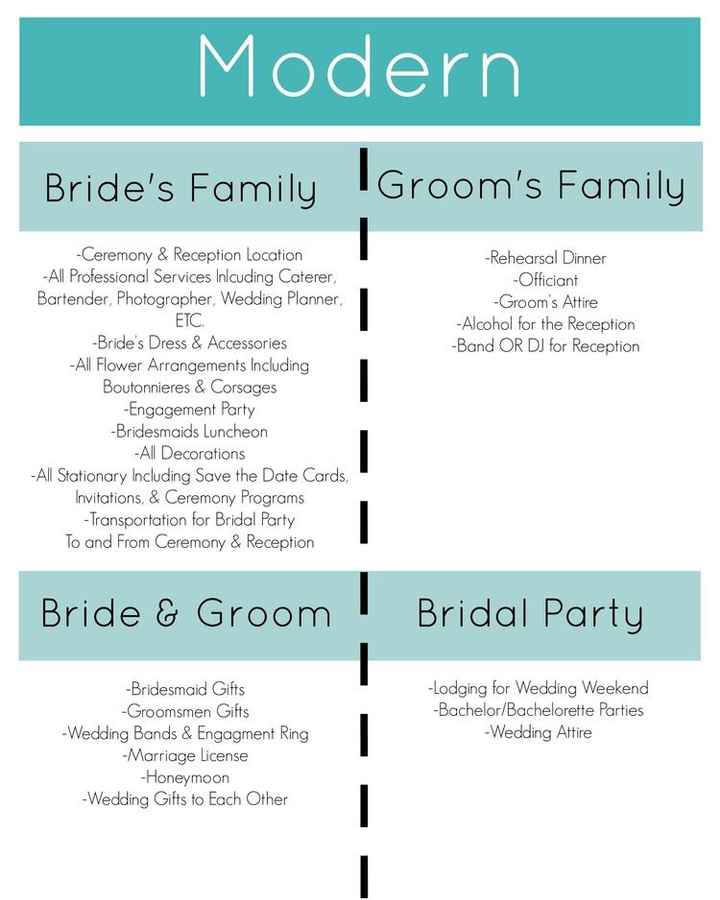
A burgeoning trend in personal finance is the “three-way split,” where the bride’s family, the groom’s family, and the couple each contribute one-third of the total budget. This model promotes financial transparency and reduces the burden on a single party’s retirement savings or investment portfolios. It allows for a more diversified funding pool, ensuring that the event does not compromise the long-term financial security of the parents.
The Couple as Principal Investors
Many modern couples, particularly those who have established careers before marriage, choose to act as the primary investors in their own wedding. In this scenario, the bride’s family may contribute a fixed “grant”—a set dollar amount—rather than agreeing to cover specific categories. This is a sound financial move for parents, as it creates a hard cap on their liability and prevents “scope creep” during the planning process.
Assessing the Opportunity Cost
When a family decides to spend $30,000 to $50,000 on a wedding, they must consider the opportunity cost. That same capital, if left in a diversified S&P 500 index fund or a high-yield savings account, could grow significantly over the next decade. Financial literacy involves weighing the emotional value of the event against the potential for wealth accumulation. Some families are now choosing to gift the couple a smaller wedding budget while putting the remainder toward a mortgage down payment or a managed investment account.
3. Navigating the “Wedding Tax” and Hidden Fiscal Risks
In the wedding industry, there is a phenomenon often referred to as the “wedding tax,” where vendors charge a premium for services simply because they are labeled for a wedding. Managing these costs requires the same due diligence one would apply to a business contract.
Contractual Auditing and Contingency Funds
Every wedding budget should include a contingency fund of at least 10% to 15%. Unexpected costs—such as last-minute guest additions, weather-related venue adjustments, or overtime fees for photographers—can derail a poorly constructed financial plan. The bride’s family, if they are the primary payers, should act as the “CFO” of the event, auditing every contract for “plus-plus” pricing (service charges and taxes) that aren’t included in the initial quote.
Insurance as a Risk Mitigation Tool
Wedding insurance is a critical but often overlooked financial tool. It protects the family’s investment against venue closures, extreme weather, or vendor bankruptcy. In the context of “Money,” paying a small premium of $200 to $500 to protect a $40,000 investment is a prudent risk management strategy. This ensures that the bride’s family is not left with a total loss in the event of unforeseen circumstances.
Tax Implications and Gifting Strategies
It is important to understand the tax implications of large wedding expenditures. In many jurisdictions, if parents give a large sum of money directly to the couple to pay for the wedding, it may fall under gift tax regulations if it exceeds annual exclusion limits. However, paying vendors directly is generally not considered a taxable gift to the couple. Consulting with a tax professional can help the bride’s family structure these payments in a way that is most advantageous for their overall estate plan.
4. Debt Avoidance and Sustainable Wedding Planning
The most dangerous path a family can take is financing a wedding through high-interest debt. Using credit cards or personal loans to cover the “traditional” obligations of the bride’s family can lead to long-term financial instability.
Avoiding the Credit Trap
High-interest credit card debt can turn a $30,000 wedding into a $50,000 liability over several years. Professional financial advice always prioritizes liquidity. If the bride’s family cannot cover the expenses out of current cash flow or dedicated savings, the budget must be adjusted. Wealth is built by living within one’s means, and a wedding is no exception to this fundamental rule of personal finance.
Budgeting Apps and Financial Tracking Tools
To maintain a disciplined approach, families should utilize financial tracking tools. Whether it’s a dedicated spreadsheet or a fintech app designed for event budgeting, tracking every cent in real-time prevents the incremental overspending that often occurs in the final weeks of planning. Seeing the data visualization of where the money is going helps the family make objective decisions rather than emotional ones.
Scaling for ROI (Return on Investment)
While a wedding is not a traditional investment with a cash return, it does have a “social and emotional ROI.” To maximize this, the bride’s family should focus spending on elements that have the highest impact on the guest experience—such as quality food and entertainment—while scaling back on low-impact items like expensive party favors or high-end paper goods that are ultimately discarded.
5. Transitioning from Wedding Expenses to Legacy Planning
Once the final invoice is paid, the focus of the bride’s family often shifts back to broader financial goals. The conclusion of the wedding should be treated as a fiscal “reset” point.
Rebuilding Liquidity
After a major capital outlay, it is essential to focus on replenishing emergency funds and liquid assets. The bride’s family should review their post-wedding cash flow to ensure that retirement contributions and other investment goals remain on track.
The Role of Financial Education for the Couple
Part of the “gift” from the bride’s family can be the gift of financial literacy. Encouraging the newlyweds to meet with a financial planner to discuss merging their finances, setting up life insurance, and starting their own investment journey is often more valuable than any physical gift. It shifts the focus from the cost of the “big day” to the value of a “big life.”
Conclusion: A Strategic Approach to Tradition
What the bride’s family pays for is ultimately a personal decision dictated by financial capacity and cultural values. However, by approaching these obligations through the lens of money management and strategic planning, the family can honor tradition without compromising their financial future. In the modern economy, the most successful weddings are those that are celebrated with joy and concluded with a balanced ledger. Whether following the traditional path or forging a new collaborative model, the key is transparency, budgeting, and a steadfast refusal to sacrifice long-term wealth for short-term spectacle.
aViewFromTheCave is a participant in the Amazon Services LLC Associates Program, an affiliate advertising program designed to provide a means for sites to earn advertising fees by advertising and linking to Amazon.com. Amazon, the Amazon logo, AmazonSupply, and the AmazonSupply logo are trademarks of Amazon.com, Inc. or its affiliates. As an Amazon Associate we earn affiliate commissions from qualifying purchases.