
The intersection of stewardship and ethical responsibility remains a cornerstone of biblical teachings. While modern discourse often focuses on human-to-human interactions, the scriptures offer a profound framework for understanding our relationship with the animal kingdom. Examining the biblical perspective on the treatment of animals reveals a clear mandate: humans, as the stewards of creation, are expected to act with compassion, mercy, and responsibility.
The Mandate of Stewardship and Divine Ownership
At the heart of the biblical worldview is the understanding that the earth and everything within it belongs to God. This foundational principle shifts the perception of animals from mere commodities to creatures under the sovereign care of the Creator.
Creation as a Reflection of Divine Intent
In the book of Genesis, the creation narrative establishes a hierarchy of responsibility. Man is tasked with “having dominion” over the fish of the sea, the birds of the air, and every living thing that moves upon the earth. Historically, the term “dominion” has been misinterpreted as a license for exploitation. However, in the context of ancient Near Eastern culture, dominion was synonymous with the role of a steward or a benevolent king who cares for his subjects.
When God brought the animals to Adam to be named, it signaled a relationship of recognition and responsibility. Throughout the biblical text, animals are depicted as participants in God’s covenantal care. The presence of animals in the Garden of Eden and the instruction for Noah to preserve animal life during the flood underscore that these creatures possess inherent value independent of their utility to human beings.
The Limitation of Human Authority
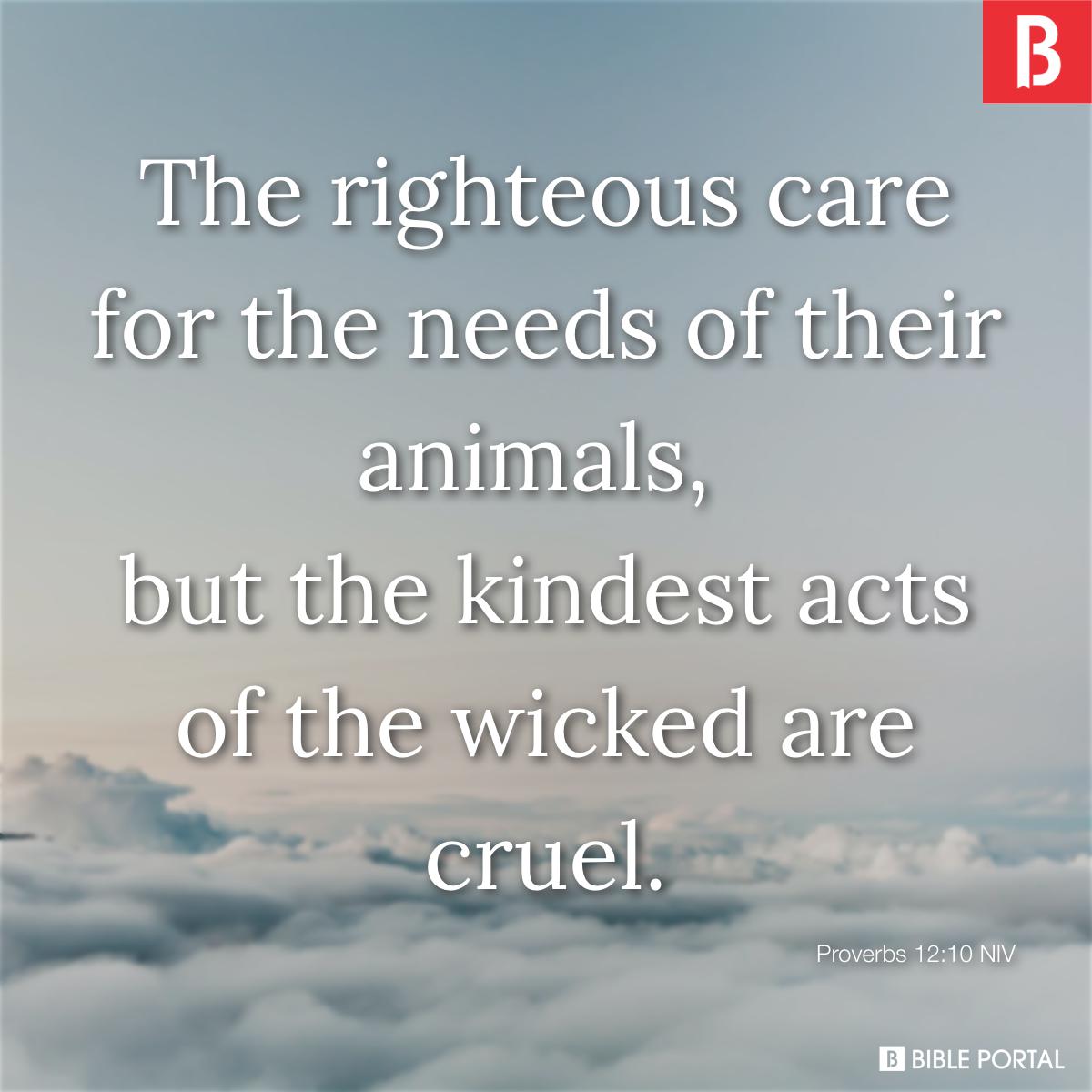
The Bible consistently frames the treatment of animals as a reflection of the keeper’s character. Proverbs 12:10 offers a concise and definitive moral standard: “The righteous care for the needs of their animals, but the kindest acts of the wicked are cruel.” This verse serves as a litmus test for righteousness. The “righteous” are defined not just by their piety toward God, but by the practical, compassionate care they extend to the living beings in their charge. Conversely, the cruelty of the wicked is seen as a perversion of the order God established.
Biblical Provisions for Animal Welfare
The Law of Moses provided specific, actionable regulations that protected animals from exhaustion, abuse, and neglect. These laws were revolutionary for their time, emphasizing that even non-human creatures were entitled to rest and humanitarian treatment.
The Sabbath and the Right to Rest
One of the most striking mandates in the Ten Commandments is the inclusion of animals in the Sabbath rest. Exodus 20:10 explicitly states that the seventh day is a day of rest not only for the human members of a household but also for their livestock. This directive acknowledges that animals, like humans, are subjected to the burdens of labor and require periods of recovery. It is a powerful theological statement: God recognizes the physical toll of labor on animals and demands that humans honor their need for respite.
Prohibitions Against Cruelty
Beyond rest, the Mosaic Law included protections against specific acts of mistreatment. Deuteronomy 22:6–7 provides a unique instruction regarding a mother bird and her eggs: if a person finds a bird’s nest, they are permitted to take the eggs or the young, but they must let the mother bird go. This law serves as an early preservationist ethic, preventing the total depletion of a species and showing respect for the maternal instinct, even in animals.
Furthermore, Exodus 23:5 instructs that if one sees the donkey of an enemy fallen under its load, one must not ignore it but must help the animal stand up. This command is particularly poignant because it overrides human animosity. Even if the owner is an adversary, the welfare of the animal takes precedence, illustrating that the duty to alleviate suffering is a universal moral obligation that transcends human conflict.
The Theological Significance of Animal Suffering
The Bible posits that God is intimately acquainted with the state of His creation. The suffering of animals is not hidden from the Creator, nor is it viewed with indifference.
God’s Concern for the Vulnerable
The book of Jonah provides a rare glimpse into God’s perspective on the collective life of a city. As the narrative concludes, God questions whether He should not be concerned about the great city of Nineveh, citing the presence of “many cattle” as one of the reasons for His desire to show mercy. This suggests that the animal population is a factor in God’s judgment and compassion.
Similarly, the Psalms are replete with imagery of God as the Provider, who feeds the young ravens and ensures the survival of the wild creatures. If God is the ultimate provider for the beasts of the field, then human actions that cause them unnecessary suffering or deprive them of their needs are a direct affront to the Provider’s work.
The Groaning of Creation
In the New Testament, the apostle Paul speaks of the “groaning” of creation as it waits for liberation (Romans 8:22). This passage links the state of the animal world to the broader cosmic consequences of human fallibility. The “futility” to which the creation was subjected suggests that the mistreatment and suffering of animals are symptoms of a fractured world. Consequently, the act of treating animals with kindness is an act of living out the redemptive restoration that the scriptures promise.
Practical Applications for Modern Life
While the biblical texts were written in an agrarian, ancient context, the principles remain robust and applicable to contemporary ethical dilemmas, including industrial farming, pet ownership, and habitat conservation.
Stewardship in an Industrialized Age
Modern society often prioritizes efficiency and profit above the welfare of sentient beings. However, the biblical mandate to “care for the needs of their animals” suggests that efficiency should never be pursued through systematic cruelty. Christians and people of faith are called to be conscious consumers, considering the methods by which their food and products are sourced. If the “righteous” are defined by their care for the needs of their animals, then supporting industries that rely on mass neglect or inhumane treatment is fundamentally at odds with biblical ethics.
The Role of Compassion in Character Formation
The way a society treats the most vulnerable members of creation is a direct reflection of its internal moral health. The Bible teaches that human beings are created in the image of God (Imago Dei). Part of reflecting that image is mirroring God’s own kindness, patience, and stewardship toward the rest of the created order. When an individual treats an animal with kindness, they are practicing a form of humility—acknowledging that they are not the ultimate owners of life, but rather guardians entrusted with a divine gift.

Towards a Culture of Compassion
Developing a biblical approach to animal welfare involves a shift in mindset: moving from seeing animals as objects of utility to seeing them as creatures that possess their own integrity before God. This includes:
- Practicing Diligence: Ensuring that domestic animals, such as pets and livestock, are provided with adequate nutrition, medical care, and shelter.
- Prioritizing Mercy: Choosing alternatives that minimize the suffering of animals in diet, research, and entertainment.
- Valuing the Natural Order: Supporting efforts that preserve habitats and protect wildlife, recognizing that the biodiversity of creation is part of the “very good” world God created.
In conclusion, while the Bible does not set forth a modern animal rights charter, it establishes a high standard of moral duty. The biblical record consistently characterizes the mistreatment of animals as an act of wickedness and a failure of stewardship. By upholding the principles of rest, protection from cruelty, and respect for the inherent value of all living creatures, humanity fulfills its role as a responsible participant in the complex, beautiful web of creation. To act with kindness toward animals is, in the final analysis, an act of obedience to the One who breathed life into every creature on earth.
aViewFromTheCave is a participant in the Amazon Services LLC Associates Program, an affiliate advertising program designed to provide a means for sites to earn advertising fees by advertising and linking to Amazon.com. Amazon, the Amazon logo, AmazonSupply, and the AmazonSupply logo are trademarks of Amazon.com, Inc. or its affiliates. As an Amazon Associate we earn affiliate commissions from qualifying purchases.