
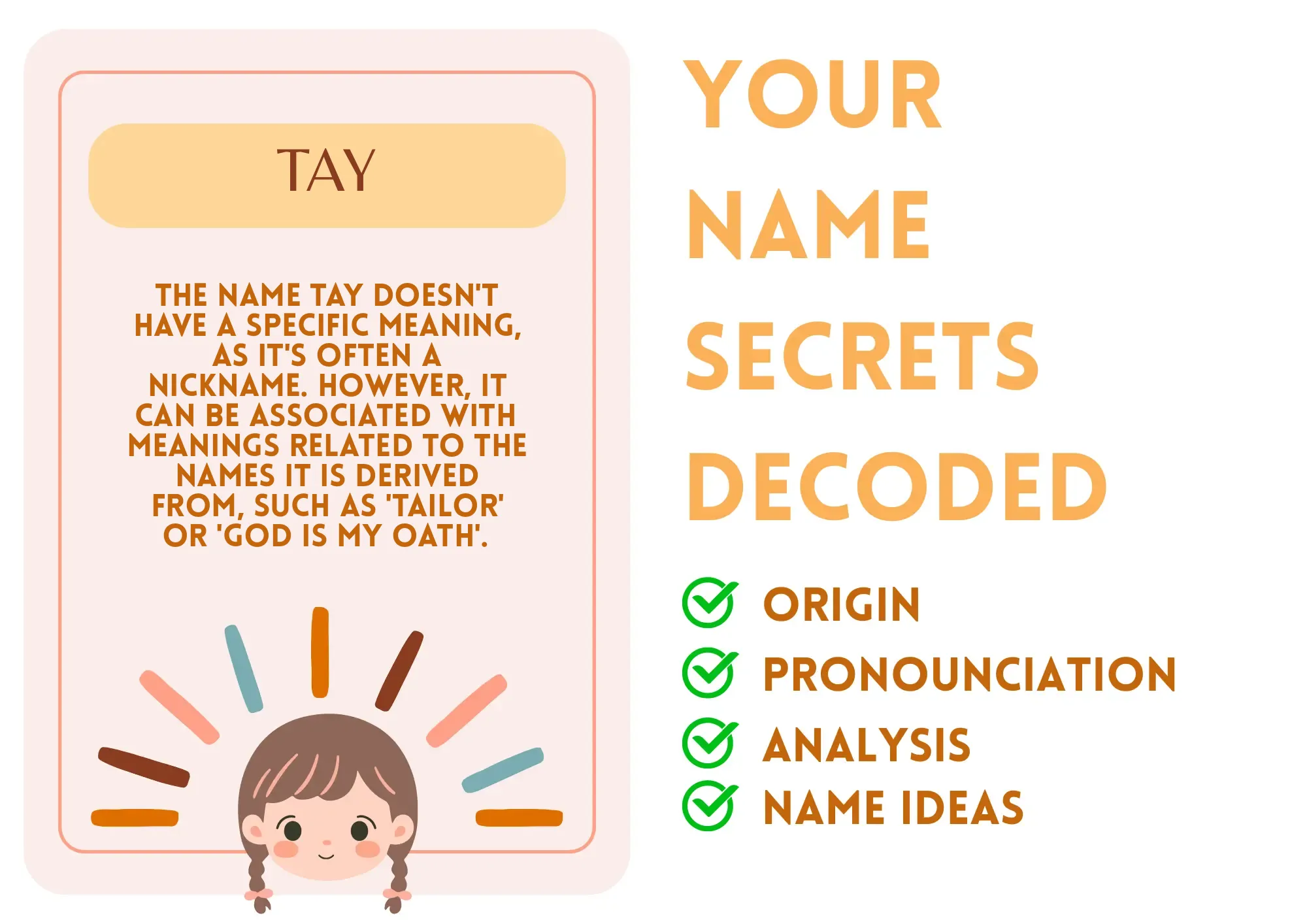
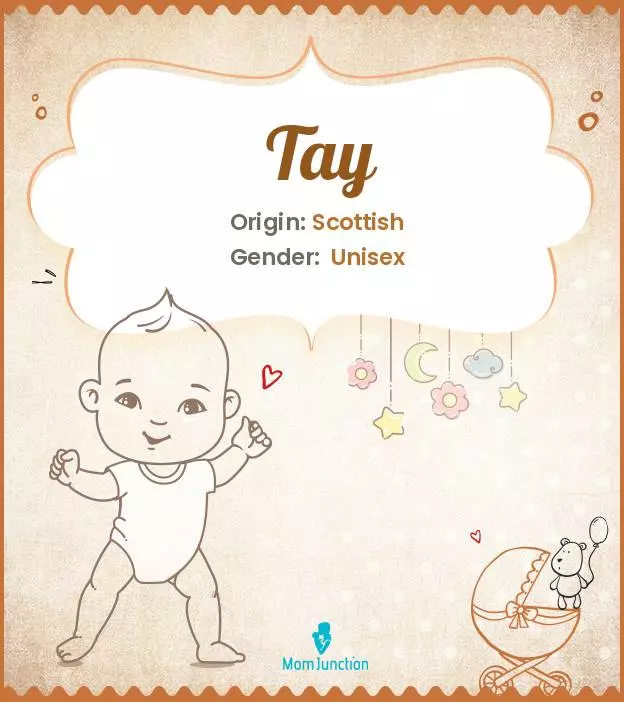
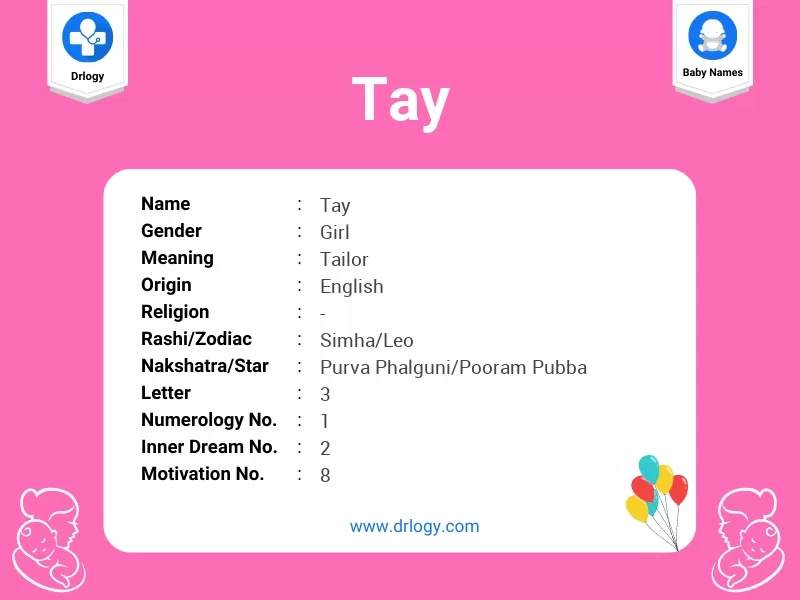
In the landscape of modern celebrity, nicknames are rarely accidental. They function as shorthand for intimacy, accessibility, and market position. When fans—and eventually the general public—began referring to Taylor Swift as “Tay Tay,” it wasn’t just a cutesy moniker; it was the birth of one of the most successful personal branding case studies in the twenty-first century. To understand the significance of “Tay Tay” is to understand the mechanics of brand affinity, audience retention, and the strategic cultivation of a persona that feels like a best friend while operating like a global conglomerate.
The Architecture of Approachability
At the core of the “Tay Tay” phenomenon lies the strategic manipulation of perceived accessibility. In brand management, the “para-social” relationship is a double-edged sword. If a brand feels too corporate, it loses the emotional buy-in of the consumer. If it feels too chaotic, it loses its professional authority.
Cultivating the “Girl Next Door” Identity
The nickname “Tay Tay” functions as a linguistic bridge between the superstar on stage and the relatable peer. By allowing, and even encouraging, this diminutive nickname, the brand avoids the sterile distance often associated with traditional stardom. It signifies an invitation into the artist’s personal sphere. From a brand strategy perspective, this is a masterclass in humanizing a corporate entity. Every interaction—from social media captions to surprise album drops—is designed to reinforce that the woman behind the multi-billion dollar enterprise is still “Tay.”
Consistency in Tone and Voice
A successful personal brand requires a consistent voice across all touchpoints. Whether in a televised interview or a fan-facing diary entry, the brand identity remains tethered to the “Tay Tay” archetype. This consistency builds trust. When consumers feel they know the personality behind the brand, their loyalty transcends the product (music, merch, concert tickets) and settles on the individual. This is the gold standard for personal branding: moving from a transactional relationship to a relational one.
Community Building and the “Tay Tay” Ecosystem
The power of a brand is measured by the strength of its community. The “Tay Tay” brand has leveraged its nickname to foster a culture of inclusivity that keeps the audience engaged long after the initial purchase.
The Role of Fan Archetypes
The nickname acts as a secret handshake. It signals that one is part of the “Swiftie” inner circle. By embracing the moniker, the brand creates a linguistic boundary: those who call her “Tay Tay” are insiders. This exclusivity, paradoxically, drives mass-market adoption. Fans use the name to advocate for the brand, effectively becoming an unpaid, highly effective sales force. In marketing terms, this is user-generated branding at its peak. The nickname transforms a passive consumer into an active brand ambassador.
Digital Engagement and Brand Loyalty
Modern personal brands are built on the foundation of digital intimacy. The “Tay Tay” identity thrives on platforms that allow for direct, seemingly unmediated communication. The strategy here is deliberate: provide fans with “Easter eggs,” behind-the-scenes content, and personal anecdotes that reinforce the “Tay Tay” persona. By keeping the content stream constant and personal, the brand maintains a high share-of-mind. In an attention economy, the brand that feels the most personal wins.
From Nickname to Corporate Empire: Scalability and Authenticity
Perhaps the most impressive aspect of the “Tay Tay” brand is its ability to scale without losing its sense of authenticity. Many brands suffer from “dilution” as they grow—the more corporate they become, the less “real” they seem. Yet, the Swift brand has successfully married its massive, corporate-level success with the granular, intimate appeal of its origin story.
Maintaining Authenticity at Scale
Scaling a brand usually necessitates professionalization, legal teams, and global operations. This can often strip the personality from the brand. The “Tay Tay” brand counteracts this by keeping the core narrative—the songwriter, the girl who tells stories, the person who writes in her journal—at the center of all major business decisions. Even as she navigates complex industry acquisitions and massive stadium tours, the messaging remains anchored in the “Tay” persona. This is essential for maintaining brand equity: the belief that no matter how big the business gets, the values of the individual remain unchanged.
Strategic Rebranding and Evolution
The genius of the “Tay Tay” identity is its inherent flexibility. As the brand evolves, the nickname evolves with it. It has transitioned from the innocent moniker of a country music teenager to a shorthand for a shrewd business mogul. This evolution allows the audience to “grow up” with the brand. By allowing the moniker to carry different meanings at different stages of her career, the brand retains its relevance across generational divides. It is a rare example of a brand identity that is both fixed (the nickname) and fluid (the professional career).
Lessons for the Modern Personal Brand
For entrepreneurs and content creators, the “Tay Tay” phenomenon offers a blueprint for building a sustainable personal brand. It teaches that the most powerful brands are those that balance high-level professionalism with high-level empathy.
The Power of Linguistic Ownership
A brand should consider how it is named by its audience. Does your audience have a “nickname” for your brand or your persona? If they do, lean into it. If they don’t, consider what kind of community-driven language you can encourage. Language shapes reality; the words people use to describe your brand determine how they interact with it.
Authenticity as a Business Asset
Authenticity is not just a buzzword; it is a competitive advantage. In an era of AI-generated content and faceless corporate marketing, the “Tay Tay” model proves that people want to connect with other people. By humanizing your business, showing vulnerability, and maintaining a consistent, relatable voice, you create a moat around your brand that competitors cannot easily cross.
Long-term Vision vs. Short-term Trends
Finally, the “Tay Tay” brand demonstrates the necessity of long-term planning. The brand wasn’t built on a single viral moment; it was built on years of consistent storytelling and strategic pivots. Every interaction, every social media post, and every business deal is a building block in the overall architecture of the persona. By thinking of your personal brand as a legacy-building enterprise rather than a quick-turnaround project, you set the stage for enduring success.
In conclusion, “Tay Tay” is more than just a name; it is a sophisticated branding mechanism. It represents the successful convergence of personal narrative and corporate strategy. For anyone looking to understand the mechanics of modern influence, the lessons are clear: be relatable, foster community, maintain consistency, and always ensure that the person behind the brand remains the most compelling part of the story. Whether you are building a small consultancy or a global venture, the principles applied to this iconic persona remain the bedrock of modern marketing success. By analyzing how a simple nickname became synonymous with a global powerhouse, professionals can better understand how to craft their own identities in a competitive, crowded marketplace. Authenticity is your most valuable currency—spend it wisely.
aViewFromTheCave is a participant in the Amazon Services LLC Associates Program, an affiliate advertising program designed to provide a means for sites to earn advertising fees by advertising and linking to Amazon.com. Amazon, the Amazon logo, AmazonSupply, and the AmazonSupply logo are trademarks of Amazon.com, Inc. or its affiliates. As an Amazon Associate we earn affiliate commissions from qualifying purchases.