
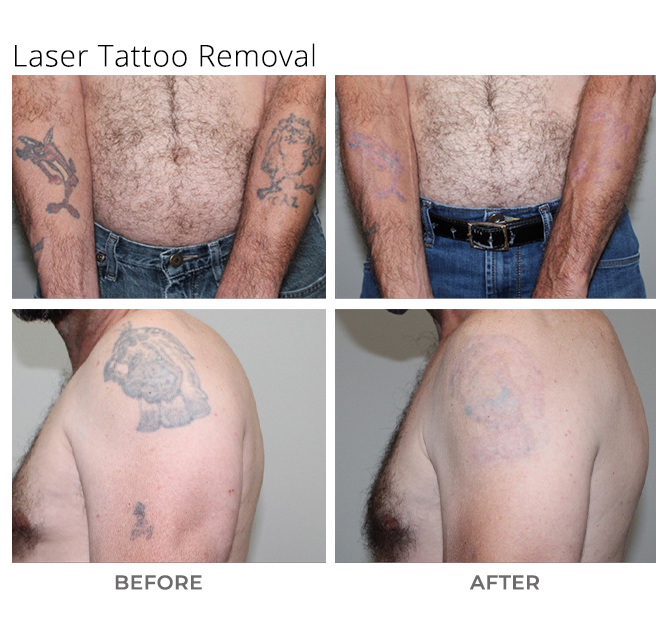
When contemplating tattoo removal, the question “what does it look like?” often evokes immediate thoughts of the physical process – the laser, the fading ink, the skin’s transformation. However, for many, this seemingly simple inquiry quickly expands into a deeper, more comprehensive consideration: “What does tattoo removal look like from a financial perspective?” It’s a journey that extends far beyond the clinical procedure, involving significant investments of capital, time, and emotional energy. Understanding the financial landscape of tattoo removal is crucial for anyone considering this life-altering decision, transforming it from a mere cosmetic procedure into a calculated personal investment. This article will delve into the economic facets of tattoo removal, dissecting its costs, potential returns, and the strategic financial planning required to navigate this often multi-year process.

The Initial Investment: Understanding Tattoo Removal Costs
The most immediate financial aspect of tattoo removal is its upfront cost. Unlike a one-time purchase, tattoo removal is typically a series of treatments, each incurring its own expense. These costs are highly variable, influenced by a multitude of factors that demand careful consideration during the initial budgeting phase.
Factors Influencing Price
The price tag for tattoo removal is not uniform; it’s a dynamic figure shaped by several key variables that prospective clients must understand.
Size and Complexity
Naturally, larger tattoos require more time, more laser energy, and consequently, more money per session. A small, simple design might cost a fraction of a full sleeve or back piece. Complexity, involving intricate details or varied ink depths, can also prolong treatment times and increase costs. Clinics often categorize tattoos into size tiers (e.g., small, medium, large, extra-large), each with a corresponding price range.
Ink Colors and Depth
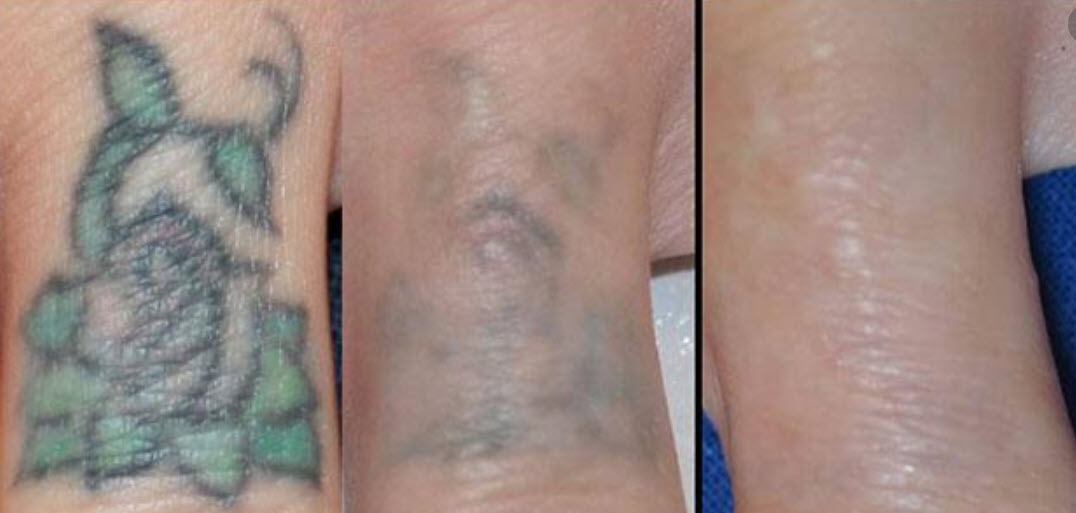
The spectrum of colors used in a tattoo significantly impacts the removal process and cost. Black ink is generally the easiest and fastest to remove because it absorbs all laser wavelengths effectively. Brighter colors like greens, blues, purples, and yellows require specific laser wavelengths and often more sessions, driving up the total expense. Older, faded tattoos may be quicker to remove than newer, vibrant ones with deeper ink saturation, further influencing the overall investment.
Clinic Reputation and Location
Geographic location plays a substantial role in pricing. Clinics in major metropolitan areas or affluent neighborhoods typically have higher overheads, leading to higher prices compared to those in less expensive regions. Furthermore, the reputation and experience of the clinic and its practitioners can command premium pricing. A highly sought-after specialist with state-of-the-art equipment may charge more, but this could be seen as an investment in superior results and safety.
Technology Used (e.g., Pico vs. Nano Lasers)
The type of laser technology employed is a critical determinant of cost. Q-switched (nanosecond) lasers have been the industry standard for years, offering effective removal over many sessions. However, picosecond (Pico) lasers, a newer generation of technology, deliver ultra-short pulses that break down ink particles more efficiently, often resulting in fewer total sessions and potentially faster results. While Pico laser treatments might have a higher per-session cost, the reduced number of sessions could lead to a comparable or even lower overall financial outlay, making the initial comparison complex.
Per-Session vs. Package Pricing
When budgeting for tattoo removal, clients will encounter two primary pricing models: individual session payments and package deals.
Cost Per Individual Session
Most clinics offer a per-session rate, allowing clients to pay as they go. This model provides flexibility, particularly for those with unpredictable financial situations or those who are unsure about committing to the full removal process. However, paying per session can accumulate to a higher total cost if the treatment plan extends beyond initial estimates.
Benefits and Drawbacks of Package Deals
Many clinics incentivize commitment through package deals, offering a discount for purchasing a block of sessions (e.g., 3, 5, or 8 treatments) upfront.
- Benefits: These packages can significantly reduce the overall cost per session, providing a clear financial advantage for clients committed to full removal. They also streamline the payment process.
- Drawbacks: The primary drawback is the upfront financial commitment. If a client needs fewer sessions than anticipated or decides to stop treatment partway through, the unutilized sessions in a package may not be fully refundable, leading to potential financial loss. It’s crucial to understand the clinic’s refund policy before purchasing a package.
Consultation Fees
A preliminary consultation is almost always required to assess the tattoo, discuss expectations, and formulate a treatment plan. Some clinics offer free consultations, while others charge a fee, which may or may not be applied toward future treatments. This initial cost, however small, should be factored into the overall budget.
Beyond the Session: Hidden and Ancillary Financial Considerations
The financial commitment to tattoo removal extends beyond the direct costs of the laser sessions themselves. Prudent financial planning requires accounting for various indirect and often overlooked expenses that can accumulate over the months or even years of treatment.
Post-Treatment Care Expenses
The journey of tattoo removal doesn’t end when you leave the clinic; proper aftercare is vital for healing, preventing complications, and optimizing results. This care often comes with its own set of costs.
Ointments, Sunscreens, Protective Gear
Following each session, the treated area will require specific aftercare products. This typically includes antibiotic ointments, specialized moisturizers, and high-SPF sunscreens to protect the sensitive, healing skin from sun exposure, which can cause hyperpigmentation. Depending on the size and location of the tattoo, compression bandages or protective clothing might also be recommended. These recurring purchases, while individually inexpensive, add up over the course of many months of treatment.
Potential for Follow-Up Medical Visits for Complications
While rare, complications such as infection, severe blistering, or allergic reactions can occur. Should these arise, additional medical consultations, prescriptions, or treatments may be necessary, incurring unexpected medical bills that are generally not covered by the tattoo removal clinic’s fees or standard health insurance (as tattoo removal is usually considered cosmetic).
Time Costs and Opportunity Costs
Time is money, and the time commitment involved in tattoo removal translates directly into a financial consideration, often overlooked in initial budget planning.
Travel Time to Appointments
Each session requires travel to and from the clinic. For those living a significant distance from their chosen provider, this means fuel costs, public transport fares, or even parking fees. Moreover, the actual time spent commuting is time away from work, family, or other income-generating activities.
Time Off Work for Recovery (If Applicable)
While most tattoo removal procedures allow for immediate return to daily activities, some individuals, especially those with sensitive skin or large treatment areas, might experience temporary discomfort, swelling, or blistering that could necessitate a brief period of rest or reduced activity. If this translates into taking unpaid time off work, it represents a direct financial loss. Even for those who return to work immediately, the mental and physical bandwidth used for treatment and recovery is an opportunity cost, detracting from other pursuits.
Emotional and Psychological Investment
While not directly monetary, the emotional and psychological investment in tattoo removal can be significant. The stress of managing appointments, dealing with discomfort, and waiting for results can take a toll. This “cost” can indirectly affect productivity, decision-making, and overall well-being, which has subtle financial implications.
The Return on Investment (ROI): Tangible and Intangible Benefits
Viewing tattoo removal as a financial investment demands an analysis of its potential return on investment (ROI). Beyond the simple removal of unwanted ink, there are numerous tangible and intangible benefits that can positively impact a person’s life and financial standing.
Career and Professional Advancement
For many, an unwanted tattoo represents a barrier to professional growth or a perceived limitation in certain career paths.
Impact on Interviews, Workplace Image
Certain industries or roles have more conservative dress codes or client-facing requirements where visible tattoos might be perceived as unprofessional or distracting. Removing a tattoo can enhance a candidate’s perceived professionalism during job interviews, potentially opening doors to opportunities that might otherwise have been less accessible. Within an existing workplace, it can contribute to a more polished image, aiding in promotions or new assignments.
Breaking Stereotypes
Unfortunately, tattoos still carry stereotypes in some professional environments. Removing a highly visible or controversial tattoo can help individuals break free from these preconceived notions, allowing their skills and character to be the sole focus, thereby potentially increasing earning potential and career mobility.
Personal Well-being and Self-Esteem
The psychological impact of tattoo removal often yields significant, albeit intangible, returns that can influence overall life satisfaction and personal productivity.
Psychological Relief, Confidence Boost
Living with a tattoo that evokes regret, embarrassment, or negative memories can be a constant source of stress. Removing it can bring immense psychological relief, fostering a sense of liberation and boosting self-confidence. This newfound confidence can translate into improved social interactions, greater assertiveness, and a more positive outlook, which can indirectly contribute to better financial decisions and career performance.
Freedom from Past Decisions
Tattoos are permanent reminders of past choices, and sometimes those choices no longer align with a person’s current identity or aspirations. The ability to erase a symbol of a past relationship, a youthful indiscretion, or an outdated belief offers a profound sense of freedom, allowing individuals to move forward unburdened by visual reminders of their past. This personal freedom, while not directly measurable in dollars, contributes to mental well-being, which is invaluable.
Financial Flexibility and New Opportunities
Removing a tattoo can also create new options and opportunities that have financial implications.
Wearing Certain Clothing
For those who have strategically chosen clothing to conceal tattoos, removal opens up wardrobe choices. This might seem minor, but it can impact professional attire decisions, leisure activities, and overall comfort, potentially saving money on specialized clothing or allowing for greater freedom in fashion expression.
Potential for Future Skin Treatments or Tattoos (New Blank Canvas)
Removing an old tattoo can effectively create a “blank canvas,” allowing for new aesthetic possibilities. This might mean getting new tattoos that better reflect current tastes, undergoing other skin treatments without interference from old ink, or simply enjoying clear skin. This flexibility offers future financial optionality for personal aesthetics.
Navigating the Financial Landscape: Budgeting and Financing Options
Approaching tattoo removal with a robust financial strategy is essential to manage the costs effectively and ensure the investment aligns with personal financial goals.
Creating a Realistic Budget
The first step in any significant financial undertaking is to create a detailed budget.
Saving Strategies
Given the multi-session nature of tattoo removal, proactive saving is paramount. Clients can set up dedicated savings accounts, implement automatic transfers, or explore various “cash envelope” or “reverse budgeting” methods to accumulate funds for each session or package deal. Starting a savings plan well in advance allows for gradual accumulation of funds without undue financial strain.
Long-Term Financial Planning for Removal
Tattoo removal is rarely a quick process. A comprehensive financial plan should account for treatments spanning months or even years. This involves not only saving for the direct costs but also factoring in potential inflation of treatment prices over time, unexpected aftercare needs, and the opportunity costs associated with the entire duration of treatment.
Payment Plans and Medical Financing
For those who cannot afford the upfront cost of a package or prefer not to drain their savings, various financing options exist.
In-House Options
Many clinics offer their own interest-free payment plans, allowing clients to spread the cost of a package over several months. These plans typically require an initial down payment and regular installments. It’s crucial to understand the terms, including any late payment penalties or conditions for early termination.
Third-Party Medical Credit
Companies like CareCredit or Alphaeon Credit specialize in financing medical and cosmetic procedures. These options can provide short-term, interest-free financing if paid off within a promotional period, or longer-term plans with varying interest rates. While they offer accessibility, clients must carefully review the interest rates and terms to avoid accumulating high-interest debt.
Insurance Coverage and HSAs/FSAs
The role of health insurance in tattoo removal is generally limited, but certain avenues might exist for utilizing pre-tax funds.
When Is It Covered (Rarely Cosmetic)?
Standard health insurance policies rarely cover tattoo removal, as it is almost universally classified as a cosmetic procedure. However, in very rare instances where a tattoo is causing severe psychological distress that is clinically diagnosed as a medical condition, or if it is directly interfering with a necessary medical procedure (e.g., radiation therapy), there might be an exceptional case for partial coverage. Such instances are highly uncommon and require extensive documentation and pre-approval.
Using Health Savings Accounts (HSAs/FSAs)
Health Savings Accounts (HSAs) and Flexible Spending Accounts (FSAs) allow individuals to set aside pre-tax money for qualified medical expenses. While most cosmetic procedures are not considered “qualified,” there can be exceptions. If a physician deems the tattoo removal medically necessary (e.g., due to allergic reactions, infection, or severe psychological distress impacting daily function), it might be permissible to use HSA/FSA funds. It is imperative to consult with a tax advisor and the HSA/FSA administrator to confirm eligibility, as improper use can lead to penalties.
Making an Informed Financial Decision
Ultimately, the decision to undergo tattoo removal is a significant one, both personally and financially. An informed approach is key to maximizing the value of this investment.
The Importance of Consultations and Quotes
Thorough research and comparison are non-negotiable for making a sound financial decision.
Getting Multiple Quotes
Just as one would shop around for a major purchase like a car or home repairs, it’s advisable to obtain consultations and quotes from several different reputable tattoo removal clinics. This allows for a comprehensive understanding of average costs, variations in technology, and differing approaches to treatment and pricing. Comparing quotes empowers clients to negotiate or choose the option that offers the best value.
Understanding the Full Cost Breakdown
Beyond the headline price per session or package, clients should request a detailed breakdown of all potential costs. This includes any consultation fees, post-treatment care products, and clear explanations of what is (and isn’t) included in a package. A transparent clinic will be happy to provide this level of detail.
Long-Term Perspective: A Phased Investment
Viewing tattoo removal not as a single transaction but as a phased, long-term investment is crucial for financial success.
Viewing It as a Multi-Stage Financial Commitment
Recognizing that tattoo removal is a journey, often spanning a year or more, helps in setting realistic financial expectations. Each session is a distinct financial step towards the ultimate goal, and budgeting should reflect this ongoing commitment rather than just a single initial outlay.
Avoiding Rushed Decisions
Impulsive decisions, especially when significant money is involved, often lead to regret. Taking the time to save, research, and plan financially for tattoo removal ensures that the decision is made thoughtfully and deliberately, aligning with long-term financial health and personal goals.
The question “what does tattoo removal look like?” is multifaceted, encompassing not only the physical transformation but also a substantial financial undertaking. From the initial investment in laser sessions and ancillary costs to the profound personal and professional returns, understanding the economic landscape of tattoo removal is paramount. By meticulously budgeting, exploring financing options, and viewing the process as a strategic, long-term investment, individuals can confidently navigate this journey, ultimately achieving a freedom and self-assurance that truly represents a valuable return on their financial commitment.
aViewFromTheCave is a participant in the Amazon Services LLC Associates Program, an affiliate advertising program designed to provide a means for sites to earn advertising fees by advertising and linking to Amazon.com. Amazon, the Amazon logo, AmazonSupply, and the AmazonSupply logo are trademarks of Amazon.com, Inc. or its affiliates. As an Amazon Associate we earn affiliate commissions from qualifying purchases.