
In the rapidly evolving landscape of automotive technology, terms like “sync” have moved from being mere technical jargon to foundational concepts that define the modern driving experience. At its core, “sync” refers to the act of harmonizing and coordinating data, devices, or functions to operate in a unified and consistent manner. When applied to a car, this principle unlocks a world of connectivity, convenience, and safety, transforming vehicles from simple modes of transportation into sophisticated digital hubs. Understanding what “sync” means in a car is to grasp the intricate interplay between your personal devices, the vehicle’s onboard systems, and the broader digital ecosystem, all working in concert to enhance every journey.
The Evolution of In-Car Connectivity
The concept of integrating external devices and digital services into the automotive environment is not new, but its scope and sophistication have grown exponentially over the past few decades. The journey from basic radio functionality to fully integrated digital cockpits showcases a relentless drive towards a more connected and intuitive driving experience.
Early Integrations: Bluetooth and Basic Media Sync
The initial forays into in-car connectivity were primarily driven by the desire for hands-free communication and personalized entertainment. Bluetooth technology emerged as a game-changer, allowing drivers to wirelessly connect their mobile phones to the car’s audio system. This breakthrough enabled hands-free calling, significantly enhancing safety by allowing drivers to keep their hands on the wheel and eyes on the road. Simultaneously, basic media synchronization began with auxiliary inputs and USB ports, allowing drivers to play music directly from their MP3 players or early smartphones, bypassing the limitations of traditional radio and CD players. These early “sync” features, while rudimentary by today’s standards, laid the groundwork for a future where personal devices and vehicle systems would merge seamlessly.
The Rise of Infotainment Systems
As digital technology advanced and consumer expectations shifted, vehicle manufacturers began to develop more comprehensive solutions. This led to the proliferation of dedicated infotainment systems – integrated platforms designed to provide information and entertainment. These systems started to “sync” with a broader range of inputs and functionalities. Beyond just phone calls and basic audio, infotainment systems incorporated features like integrated navigation, satellite radio, and the ability to control various vehicle settings through a central touchscreen interface. This marked a significant leap, where the car was no longer just a receiver for external signals but an active participant in managing the digital experience, displaying information in a car-optimized format and responding to voice commands.
Understanding “Sync” in Modern Automotive Systems
Today, “sync” in a car refers to a highly sophisticated network of features and technologies designed to create a cohesive digital environment. While the fundamental principle remains harmonization, the depth and breadth of what can be synchronized have expanded dramatically.
Ford SYNC as a Pioneer and Case Study
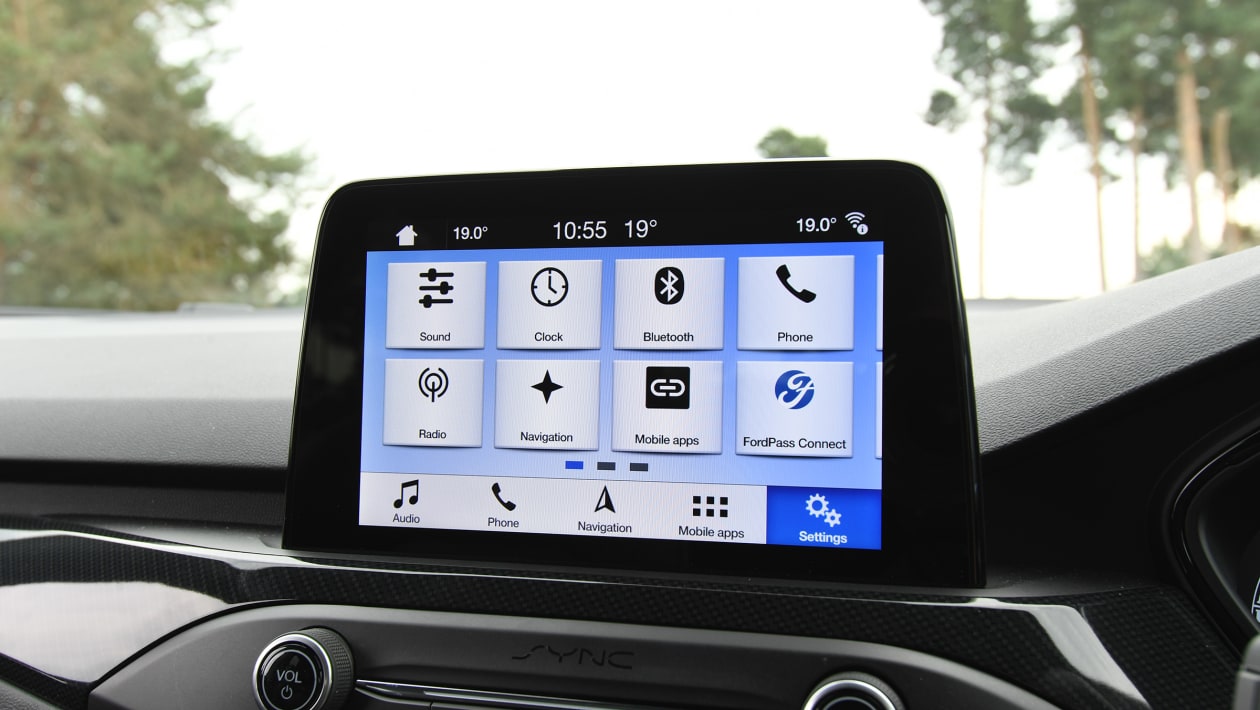
One of the most recognizable and pioneering examples of a dedicated in-car synchronization system is Ford SYNC. Launched in collaboration with Microsoft, Ford SYNC was among the first widespread systems to deeply integrate voice-activated control with various in-car functions and external devices. Early versions focused on connecting phones via Bluetooth for calls and media streaming, and managing USB-connected music players. As it evolved through SYNC 2, SYNC 3, and now SYNC 4, the system has become a comprehensive infotainment platform. It synchronizes smartphone apps, provides advanced navigation with real-time traffic updates, allows for robust voice commands to control climate, entertainment, and calls, and even offers features like remote vehicle access and emergency assistance. Ford SYNC’s journey illustrates how an initial focus on basic device harmonization matured into a full-fledged operating system for the vehicle’s digital life.
Broader OEM Implementations
While Ford SYNC is a prominent example, almost every major automotive manufacturer has developed its own proprietary “sync” equivalent, reflecting the industry-wide commitment to integrated connectivity. Brands like Chrysler with Uconnect, Mercedes-Benz with MBUX (Mercedes-Benz User Experience), BMW with iDrive, Audi with MMI (Multi Media Interface), and Volkswagen with Discover Media all offer similar capabilities. These systems aim to provide a cohesive user experience by synchronizing the driver’s digital world with the vehicle’s functionalities. They manage everything from streaming media and navigation to climate control and driver assistance features, often offering personalized profiles that remember settings for different drivers. The common thread among these systems is the ambition to make the car an extension of the user’s digital life, ensuring continuity and familiarity regardless of the device or service being accessed.
Key Aspects of Car Sync Functionality
The modern interpretation of “sync” in a car encompasses a wide array of functionalities, each designed to enhance convenience, safety, and the overall driving experience. These capabilities are largely centered around integrating personal technology with the vehicle’s onboard systems.
Smartphone Integration (Apple CarPlay & Android Auto)
Perhaps the most impactful form of “sync” in contemporary vehicles comes through smartphone integration platforms like Apple CarPlay and Android Auto. These technologies project a simplified, car-optimized version of a smartphone’s interface onto the vehicle’s infotainment screen. This synchronization allows drivers to access critical smartphone apps – navigation (Google Maps, Waze, Apple Maps), messaging (SMS, WhatsApp), music streaming (Spotify, Apple Music), and podcasts – directly through the car’s controls. The key benefit is the familiar user interface, reducing the learning curve and making it safer to use essential phone features while driving. These systems ensure that contacts, calendars, and even notification preferences are seamlessly mirrored, providing continuity between the phone and the car.
Media and Entertainment Sync
Beyond smartphone apps, modern vehicles excel at synchronizing various forms of media and entertainment. This includes direct integration with satellite radio services like SiriusXM, allowing drivers to access a vast array of channels without needing a separate device. USB inputs continue to offer direct playback from flash drives, while Bluetooth audio streaming ensures that any audio played on a connected phone – from podcasts to audiobooks – can be heard through the car’s speakers. Many systems also support Wi-Fi hotspots, enabling passengers to stream content on their own devices. Advanced systems might even synchronize preferences for multiple users, recalling favorite radio stations, equalizer settings, or streaming service logins based on the driver’s profile.
Navigation and Location Services
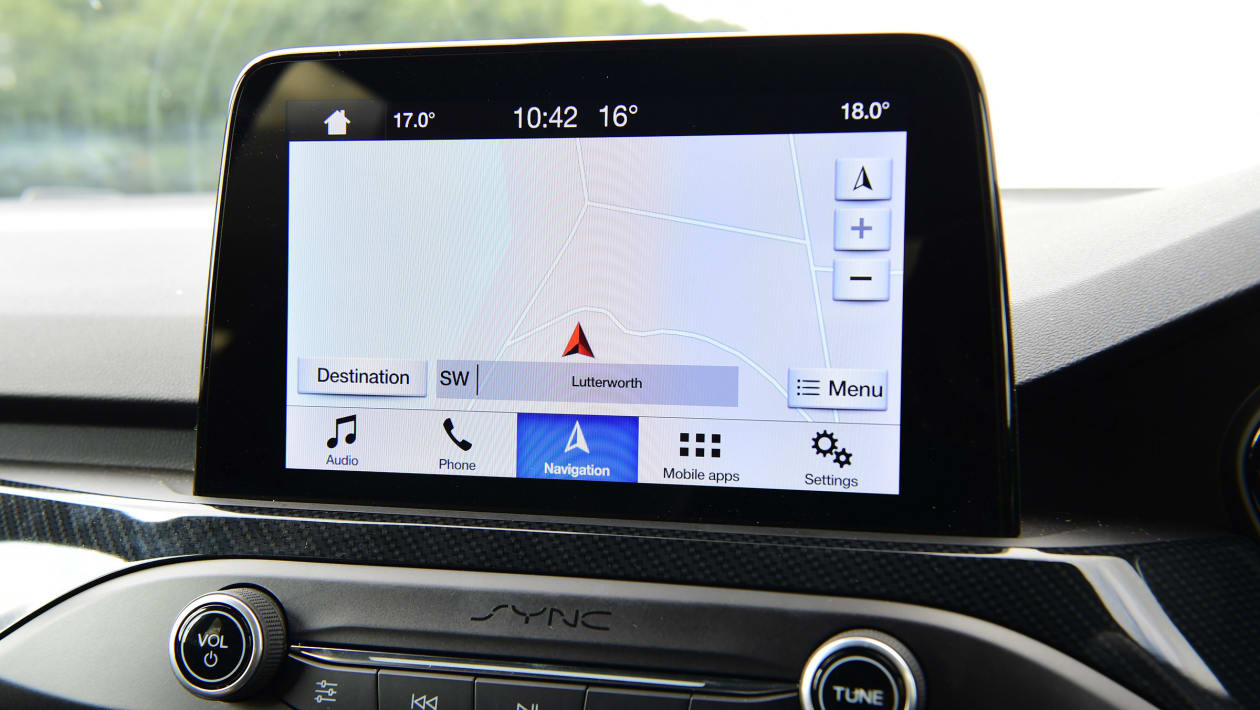
Synchronization in navigation goes far beyond simple turn-by-turn directions. Modern cars can sync with cloud-based mapping services to provide real-time traffic updates, re-route around congestion, and locate points of interest. Drivers can send destinations from their smartphone to the car’s navigation system before getting in, ensuring a seamless start to their journey. Some systems integrate predictive navigation, learning frequently traveled routes and suggesting optimal times to leave based on current traffic conditions. Furthermore, location services can be synchronized to assist with parking, finding gas stations, or even locating the vehicle itself in a large parking lot via a smartphone app.
Vehicle Data and Telematics Sync
The “sync” concept also extends to critical vehicle data and telematics. Many modern cars can synchronize with manufacturer-provided apps, allowing owners to remotely check fuel levels, tire pressure, or even start/stop the engine, lock/unlock doors, or pre-condition the cabin before entering. This data synchronization provides peace of mind and enhanced control. In the event of an accident, telematics systems can automatically sync with emergency services, transmitting location and vehicle data to expedite assistance. For maintenance, diagnostics data can be synchronized with dealerships, allowing for proactive service scheduling and remote troubleshooting, highlighting a crucial aspect of predictive vehicle management.
The Advantages of a Synchronized Driving Experience
The pervasive implementation of “sync” technologies in cars is driven by a clear set of benefits that fundamentally improve the driving experience for convenience, safety, and personalization.
Enhanced Convenience and Productivity
A synchronized car environment eliminates many of the common frustrations associated with driving. Drivers can seamlessly transition from planning a route on their computer to executing it in their car, make hands-free calls, or reply to messages using voice commands. This integration minimizes manual interaction with devices, allowing drivers to focus on the road. For passengers, synchronization means access to personalized entertainment options, maintaining productivity on the go, or simply enjoying a more connected journey. The ability to control multiple functions from a central interface or via voice commands streamlines tasks, turning potential distractions into integrated, manageable interactions.
Improved Safety Features
Perhaps the most critical advantage of synchronization is its contribution to driving safety. By enabling hands-free operation for calls, messaging, and navigation, “sync” systems significantly reduce the temptation for drivers to pick up their phones. Voice control further reinforces this, allowing drivers to keep their hands on the wheel and eyes on the road. Features like emergency assistance synchronization, where the car automatically alerts services after a crash, provide a vital safety net. Predictive maintenance alerts, derived from synchronized vehicle data, can inform drivers of potential issues before they become critical, preventing breakdowns and accidents. The overall goal is to reduce driver distraction and enhance situational awareness through intelligent integration.
Personalization and User Experience
Modern “sync” systems are designed to make the car an increasingly personalized space. Driver profiles, for instance, can remember seat positions, mirror settings, climate control preferences, favorite radio stations, and even preferred navigation settings. When a specific key fob is detected, or a driver selects their profile on the infotainment screen, the car “syncs” to their individual preferences. This level of personalization transforms the vehicle into an extension of the driver’s digital lifestyle, creating a more intuitive and enjoyable experience. The ability to access personal media, contacts, and frequently used apps seamlessly further reinforces this sense of familiarity and control, making the driving experience feel more tailored and integrated.
Challenges and Future Trends in Automotive Sync
While the current state of in-car synchronization is impressive, the journey is far from over. As technology continues to advance, so do the challenges and future possibilities for how cars will interact with the digital world.
Cybersecurity Concerns
With increased connectivity comes increased vulnerability. The synchronization of personal data, vehicle diagnostics, and internet access raises significant cybersecurity concerns. Protecting vehicle systems from hacking, ensuring the privacy of driver data, and securing over-the-air (OTA) updates are paramount. Manufacturers are investing heavily in robust encryption, secure boot processes, and constant monitoring to mitigate these risks. As cars become more integrated with home networks and smart city infrastructure, the attack surface expands, demanding continuous innovation in digital security.
Interoperability and Standardization
One of the ongoing challenges in automotive “sync” is achieving seamless interoperability across diverse devices, platforms, and vehicle brands. While Apple CarPlay and Android Auto have made strides in standardizing smartphone integration, there are still disparities in how different car manufacturers implement their proprietary systems. A lack of universal standards can lead to frustrating inconsistencies for consumers who switch between vehicle brands or use a variety of devices. Future developments will likely push for greater standardization and open platforms to ensure a more fluid and universally compatible “sync” experience, making it easier for new technologies to integrate into the automotive ecosystem.
The Era of the Connected Car and Autonomous Driving
The future of automotive “sync” is inextricably linked to the rise of the truly connected car and the eventual advent of autonomous driving. In a connected car ecosystem, “sync” will extend beyond personal devices to include vehicle-to-vehicle (V2V), vehicle-to-infrastructure (V2I), and vehicle-to-everything (V2X) communication. This means cars will synchronize data with other vehicles to prevent accidents, communicate with traffic lights to optimize flow, and connect with cloud services for predictive maintenance and real-time information. For autonomous vehicles, “sync” will involve constantly harmonizing sensor data, mapping information, and AI decisions to navigate complex environments safely and efficiently. The role of AI and machine learning will become critical, enabling predictive synchronization that anticipates driver needs, optimizes routes, and personalizes every aspect of the journey without explicit commands.
In conclusion, “sync” in a car is far more than just connecting your phone; it represents the intricate web of technologies that harmonize disparate digital elements into a single, cohesive driving experience. From its humble beginnings with Bluetooth pairing to the sophisticated, integrated systems of today, “sync” has continually evolved to make vehicles safer, more convenient, and deeply personalized. As we look to the future, the concept of synchronization will only deepen, driving the next generation of connected and autonomous vehicles towards an era of unprecedented integration and intelligence on our roads.
aViewFromTheCave is a participant in the Amazon Services LLC Associates Program, an affiliate advertising program designed to provide a means for sites to earn advertising fees by advertising and linking to Amazon.com. Amazon, the Amazon logo, AmazonSupply, and the AmazonSupply logo are trademarks of Amazon.com, Inc. or its affiliates. As an Amazon Associate we earn affiliate commissions from qualifying purchases.