
Sustained release, in its essence, represents a sophisticated technological approach to managing the delivery of an active substance over an extended period. Far from a simple concept, it involves intricate engineering, advanced material science, and often, digital integration to ensure a controlled and prolonged effect. This mechanism stands in stark contrast to immediate release, where a substance is delivered and absorbed rapidly, leading to a quick peak in concentration followed by a decline. Sustained release systems are designed to maintain a therapeutic or functional concentration within a desired range for hours, days, or even months, revolutionizing applications from pharmaceuticals to agriculture and beyond.
The Core Concept: Engineered Persistence
At its heart, sustained release is about precise control. It’s a deliberate design choice aimed at optimizing the temporal profile of a substance’s availability.
Defining Sustained Release
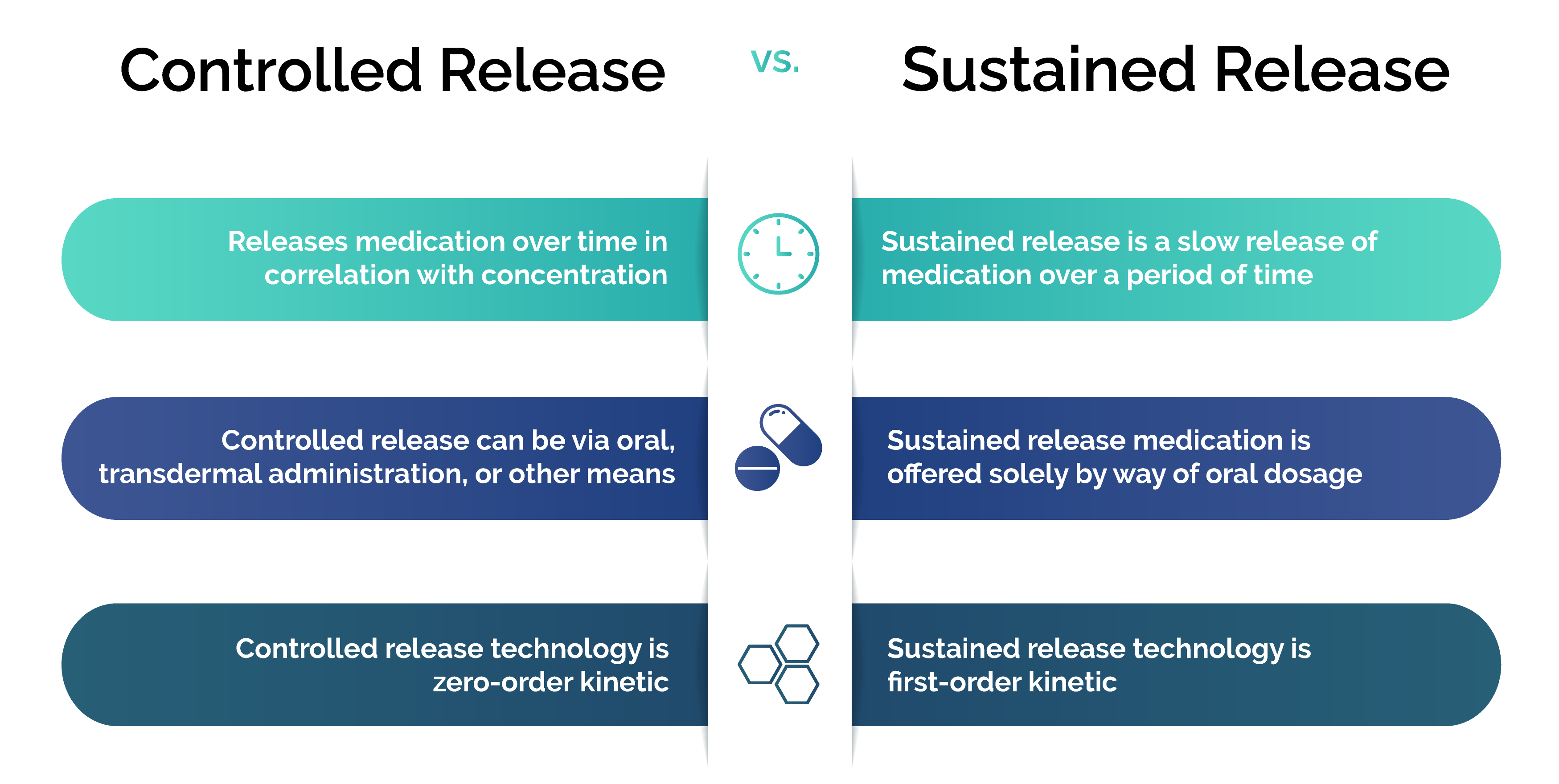
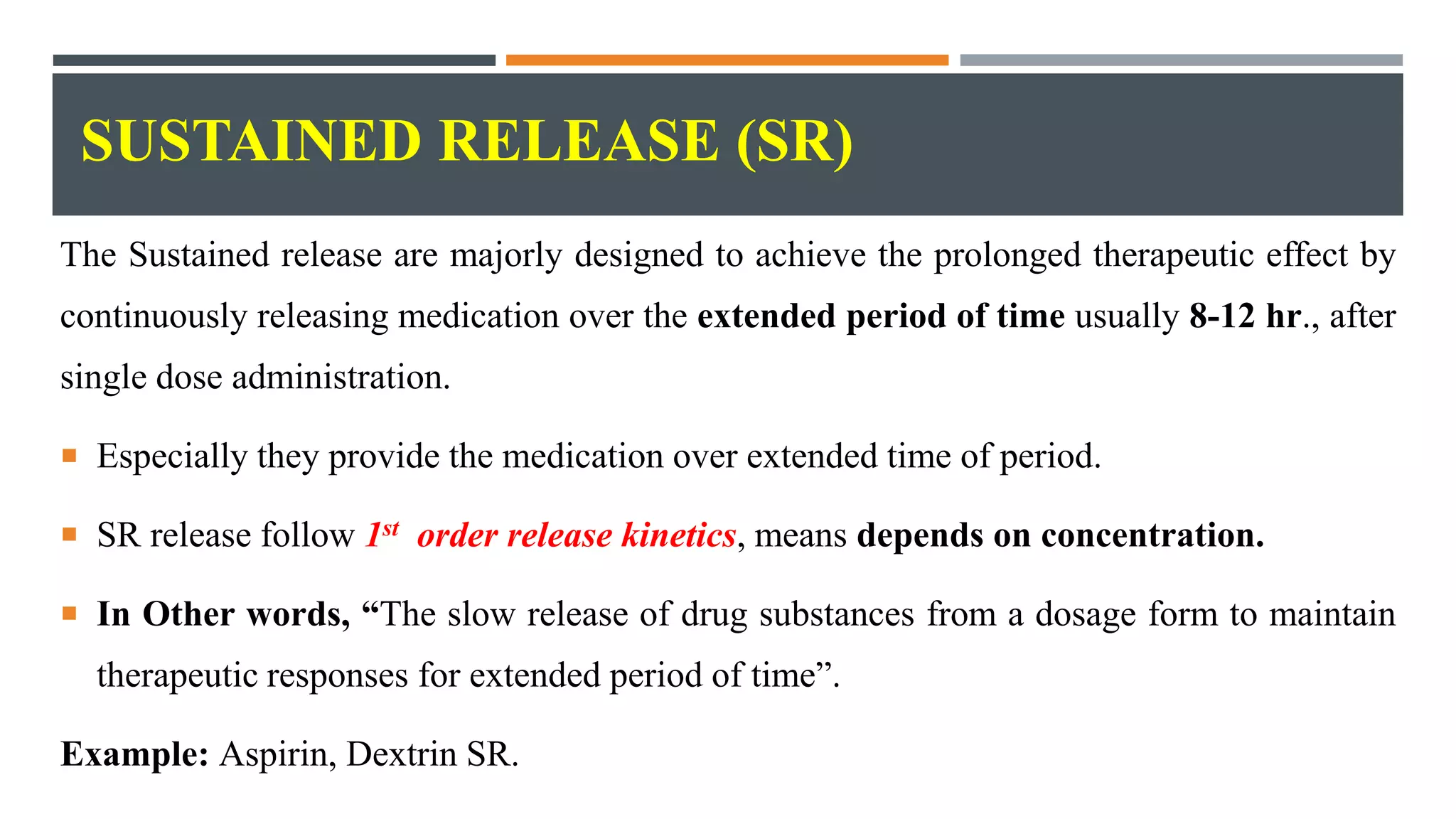
Sustained release refers to any system that delivers an active ingredient at a predetermined rate, locally or systemically, for a specified period of time. The primary objective is to avoid the undesirable “peak and trough” effect associated with conventional immediate-release formulations. A peak refers to an initial, often supra-therapeutic concentration that can lead to adverse side effects, while a trough signifies a sub-therapeutic concentration where the substance becomes ineffective. By maintaining a steady, effective concentration, sustained release systems enhance efficacy, reduce side effects, and improve overall performance.
This technology is born from a critical understanding of pharmacokinetics and material interaction. Instead of simply dissolving, the active agent is embedded within, coated by, or contained within a matrix or device engineered to control its liberation. The result is a more consistent and predictable profile, which is invaluable in numerous technological applications.
Key Principles and Mechanisms
Achieving sustained release relies on a diverse toolkit of technological principles and material science innovations. These mechanisms dictate how the active substance is released from its delivery vehicle:
- Diffusion-Controlled Systems: These are among the most common. In a matrix system, the active ingredient is homogeneously dispersed within an insoluble polymer matrix. The substance slowly diffuses out through the polymer network. Reservoir systems, on the other hand, encapsulate the substance within a core surrounded by a rate-controlling membrane, through which the substance slowly diffuses. The thickness and permeability of this membrane are crucial engineering parameters.
- Dissolution-Controlled Systems: Here, the release rate is governed by the dissolution rate of the active ingredient or a coating surrounding it. The active agent might be coated with a slowly dissolving polymer, or formulated into a matrix that gradually erodes and releases the substance as it dissolves. Particle size and coating characteristics are key engineering variables.
- Erosion-Controlled Systems: These systems utilize biodegradable polymers. As the polymer matrix degrades or erodes in the physiological environment, it gradually releases the encapsulated substance. This mechanism is particularly attractive for implants, as the device naturally disappears over time, eliminating the need for removal. Polylactic acid (PLA) and poly(lactic-co-glycolic acid) (PLGA) are common examples of such advanced polymeric materials.
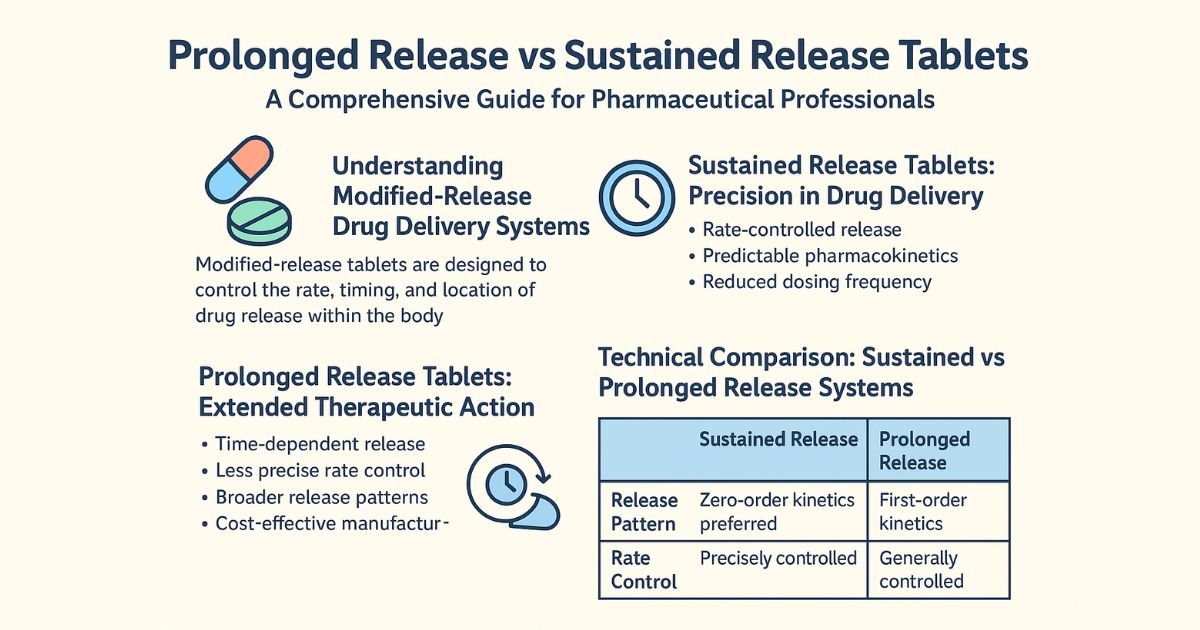
- Osmotic Pumps: Highly sophisticated, these devices use osmotic pressure to push the active substance out at a constant rate. A semi-permeable membrane surrounds a core containing the active ingredient and an osmotic agent. Water enters the device, creating pressure that forces the substance out through a small orifice. These devices offer highly zero-order release kinetics, meaning a truly constant release rate, a significant technological achievement.
- Ion-Exchange Resins: These systems involve active ingredients complexed with an ion-exchange resin. Release occurs as ions in the surrounding medium exchange with the active substance, liberating it. This mechanism is often pH-dependent, adding another layer of control.
Each of these mechanisms represents a distinct engineering challenge and opportunity, requiring precise control over material properties, manufacturing processes, and device design.
Technological Drivers and Innovation
The evolution of sustained release is inextricably linked to advancements in materials science, precision engineering, and increasingly, digital technologies. It’s a testament to interdisciplinary innovation.
Material Science at the Forefront
The choice and engineering of materials are foundational to successful sustained release. Polymers, particularly, play a starring role. Hydrogels, for instance, swell in aqueous environments, controlling diffusion rates. Biodegradable polymers allow for implants that don’t require surgical removal, simplifying patient management and reducing healthcare costs. The primary technological challenges lie in ensuring biocompatibility—that the materials do not elicit adverse reactions from the body—and in precisely tuning their degradation or diffusion properties to achieve the desired release profile.
Nanotechnology has further propelled sustained release into new frontiers. Nanoparticles, liposomes, and micelles can encapsulate active substances, providing not only sustained release but also targeted delivery, directing agents specifically to diseased tissues while sparing healthy ones. This significantly reduces systemic side effects, a critical advancement in fields like oncology. The precision required to synthesize, characterize, and scale up these nanoscale delivery systems is immense, pushing the boundaries of material engineering.
Engineering Precision in Device Design
Beyond raw materials, the architecture and assembly of sustained release systems demand exquisite engineering. Micro-encapsulation techniques, for example, involve coating individual particles or droplets of an active ingredient with a polymer layer, allowing for the creation of multi-particulate systems with finely tuned release rates.
Implantable devices represent a high-tech frontier. Drug-eluting stents, which release anti-restenotic drugs directly into coronary arteries, and contraceptive implants, which provide long-term hormone delivery, are prime examples. These devices require not only controlled release but also robust mechanical properties, long-term stability, and surgical compatibility. Transdermal patches, a more ubiquitous example, utilize specialized adhesive matrices and rate-limiting membranes to deliver drugs through the skin over several days, embodying elegant engineering in a user-friendly format.
Emerging smart delivery systems are pushing the boundaries even further. These systems are designed to respond to specific physiological cues—such as pH changes in a tumor microenvironment, elevated glucose levels, or temperature variations—to modulate the release of the active agent. This responsiveness requires integrated sensor technology and advanced polymeric networks, blurring the lines between material science, bioengineering, and digital control.
Digital Integration and Monitoring
The convergence of sustained release with digital technology is unlocking new capabilities. While not all sustained release systems are digitally integrated, the trend towards “smart” medical devices is significant. Connected smart inhalers, for instance, can monitor usage patterns and provide feedback. Advanced glucose monitoring systems, often incorporating sustained release sensor technology, can link to insulin pumps to automate dosage, thereby creating a closed-loop system for diabetes management.
Artificial intelligence (AI) and machine learning (ML) are increasingly being employed in the design and optimization of sustained release formulations. AI can analyze vast datasets of material properties and drug characteristics to predict optimal release profiles, accelerate formulation development, and even simulate the behavior of complex delivery systems in various physiological conditions. This computational power drastically reduces the experimental burden and time-to-market for innovative sustained release products.
Transformative Applications Across Industries
The impact of sustained release technology spans far beyond pharmaceuticals, touching diverse sectors that benefit from controlled, prolonged action.
Pharmaceutical and Medical Technologies
This is arguably where sustained release has had its most profound impact. For patients managing chronic diseases like diabetes, hypertension, or chronic pain, sustained-release medications reduce the frequency of dosing, which significantly improves patient adherence and overall quality of life. Instead of taking multiple pills daily, a patient might take one pill once a day, or even receive an injection or implant that lasts for weeks or months.
In oncology, sustained release facilitates targeted drug delivery, allowing chemotherapeutic agents to be concentrated at tumor sites while minimizing exposure to healthy tissues, thus reducing severe systemic side effects. Furthermore, vaccine delivery is undergoing a revolution with sustained release. Single-shot vaccines that can provide prolonged immunity, eliminating the need for multiple booster shots, are a key area of research, particularly for global health initiatives.
Beyond Medicine: Industrial and Consumer Tech
The principles of sustained release are remarkably versatile:
- Agriculture: Farmers utilize controlled-release fertilizers and pesticides to optimize nutrient delivery to crops and minimize environmental runoff. This leads to more efficient resource use and reduced ecological impact.
- Cosmetics: Skincare products often incorporate sustained-release technology to deliver active ingredients like retinol or vitamins gradually over time, enhancing their efficacy and reducing irritation. Micro-encapsulated fragrances also fall into this category, providing long-lasting scent.
- Food Technology: Sustained release finds application in extending the shelf life of food products, controlling the release of flavors, or delivering fortifying nutrients over time.
- Pest Control: Pheromone traps and insect repellents frequently employ sustained release to maintain a constant deterrent or attractant concentration over extended periods.
These varied applications underscore the fundamental technological advantage of systems designed for controlled, persistent action.
The Future Landscape: Challenges and Opportunities
While sustained release technology has matured considerably, the path forward presents both complex challenges and exciting opportunities for further innovation.
Overcoming Complexity
The primary challenges revolve around the inherent complexity of these systems. Manufacturing complex sustained-release formulations, particularly those involving nanomaterials or intricate device geometries, can be costly and technically demanding. Ensuring batch-to-batch consistency and scalability remains a significant hurdle. Furthermore, regulatory agencies impose rigorous standards for safety and efficacy, requiring extensive testing and validation, which adds to development time and expense. Cost-effectiveness is a perpetual balancing act, especially when advanced materials and manufacturing processes are involved.
Emerging Technologies
Despite these challenges, the pace of innovation is accelerating.
3D printing is poised to revolutionize personalized sustained-release devices, allowing for the creation of patient-specific dosages, geometries, and release profiles on demand. Imagine a pharmaceutical tailored precisely to an individual’s metabolic rate or a medical implant custom-fit to their anatomy.
Bio-responsive materials are becoming more sophisticated, capable of sensing subtle changes in the body and releasing their cargo only when and where needed. This level of intelligent delivery holds immense promise for treating dynamic diseases.
The development of wireless, externally controllable implants represents a frontier where clinicians could remotely adjust drug dosage in real-time based on patient response, offering unprecedented therapeutic flexibility.
Finally, deeper integration with wearable technology promises systems that not only deliver substances but also continuously monitor physiological markers, offering real-time feedback and automatic adjustments, moving us closer to truly autonomous health management systems.
Sustained release is not merely a pharmaceutical concept; it is a fundamental technological principle that leverages cutting-edge material science, precision engineering, and digital innovation to optimize the delivery of active substances, ensuring prolonged, controlled, and often intelligent action across a multitude of applications. Its ongoing evolution continues to reshape how we approach problems requiring long-term, consistent interaction with our environment, our bodies, and our technologies.
aViewFromTheCave is a participant in the Amazon Services LLC Associates Program, an affiliate advertising program designed to provide a means for sites to earn advertising fees by advertising and linking to Amazon.com. Amazon, the Amazon logo, AmazonSupply, and the AmazonSupply logo are trademarks of Amazon.com, Inc. or its affiliates. As an Amazon Associate we earn affiliate commissions from qualifying purchases.