
The term “subcutaneously” might first evoke images from a medical textbook, referring to the layer of tissue directly beneath the skin. Yet, in the burgeoning landscape of modern technology, this anatomical region has become a critical interface for innovative devices, sensors, and drug delivery systems. Understanding what “subcutaneously” means is no longer just a medical definition; it’s an entry point into appreciating a rapidly evolving technological domain that promises to redefine health monitoring, treatment, and human-computer interaction.
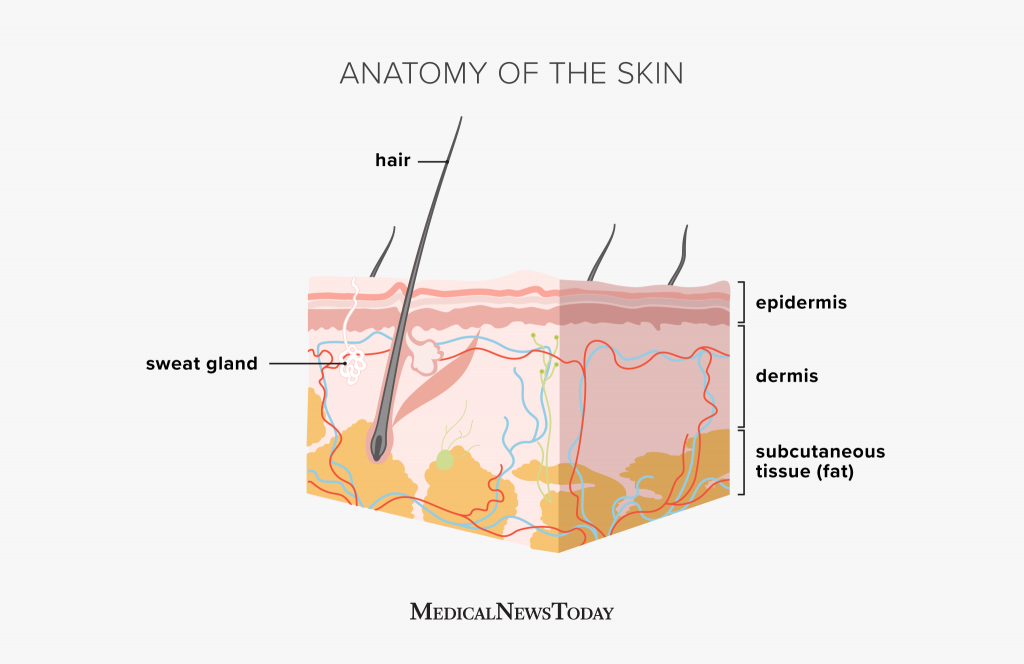
At its core, “subcutaneously” describes anything pertaining to or located beneath the skin. This hypodermis, or subcutaneous layer, is primarily composed of fat cells, connective tissue, and blood vessels. It acts as an insulator, shock absorber, and energy reserve, connecting the skin (dermis and epidermis) to the underlying muscle and bone. Historically, this layer has been a common site for injections due to its rich blood supply and relatively low nerve density, making it suitable for slow and sustained absorption of medications. Today, however, its role has expanded dramatically, becoming a prime target for advanced medical technologies designed for continuous, discreet, and highly effective intervention.
The Subcutaneous Layer: A Prime Real Estate for Innovation
The anatomical characteristics of the subcutaneous tissue make it uniquely suited for the placement of various technological solutions. Its relative accessibility, vascularity, and ability to house devices without significant discomfort or aesthetic intrusion have positioned it as a preferred site for long-term health monitoring and therapeutic delivery. The layer’s compliant nature allows for the implantation of flexible sensors and micro-reservoirs, while its biochemical environment offers a stable milieu for accurate data collection and controlled substance release.
Anatomy and Accessibility for Devices
The subcutaneous tissue, rich in adipose cells, provides a soft, pliable matrix ideal for anchoring small devices. Unlike deeper anatomical sites, it requires only minimally invasive procedures for insertion and removal, significantly reducing patient risk and recovery time. The presence of capillaries and lymphatic vessels within this layer facilitates efficient absorption of substances released from implanted devices, whether they are medications or analytes being sampled. This balance of accessibility, structural integrity, and physiological activity makes it a versatile platform for diverse technological applications.
The Paradigm Shift: From Episodic to Continuous Interaction
Traditionally, medical interventions were often episodic – a doctor’s visit, a daily pill, or an acute treatment. Subcutaneous technology enables a fundamental shift towards continuous, real-time interaction with the body. Imagine a sensor constantly monitoring vital biomarkers, an implant delivering precise medication dosages around the clock, or a diagnostic tool providing immediate feedback on a patient’s physiological state. This continuous loop of data acquisition and intervention not only enhances therapeutic efficacy but also empowers individuals with unprecedented insights into their own health, facilitating proactive rather than reactive care.
Subcutaneous Sensors and Continuous Monitoring
One of the most impactful applications of subcutaneous technology lies in continuous physiological monitoring. By placing tiny sensors just beneath the skin, clinicians and individuals can gain unprecedented, real-time insights into various bodily functions, moving beyond the limitations of intermittent measurements.
Continuous Glucose Monitors (CGMs)
Perhaps the most well-known example of subcutaneous sensing technology is the Continuous Glucose Monitor (CGM). For individuals with diabetes, CGMs have revolutionized disease management. A small sensor, typically inserted into the arm or abdomen, measures interstitial glucose levels every few minutes. This data is wirelessly transmitted to a receiver or smartphone app, providing a dynamic picture of glucose trends, identifying highs and lows, and enabling proactive adjustments to diet, exercise, and insulin dosage. This technology mitigates the need for frequent, painful finger-prick tests and dramatically improves glycemic control, leading to better long-term health outcomes. The integration of CGMs with smart insulin pens and automated insulin delivery systems represents a pinnacle of subcutaneous tech, creating closed-loop systems that mimic the body’s natural pancreatic function.
Beyond Glucose: Expanding Biometric Data Collection
The success of CGMs has paved the way for the development of other subcutaneous biometric sensors. Researchers are actively developing implants to continuously monitor a range of biomarkers, including:
- Lactate levels: Important for athletes and critical care patients to assess metabolic stress.
- pH levels: Indicative of acid-base balance and potential systemic issues.
- Oxygen saturation: Crucial for respiratory monitoring.
- Electrolyte concentrations: Essential for maintaining fluid balance and nerve function.
- Drug levels: To ensure therapeutic concentrations and prevent toxicity for specific medications.
These advanced sensors often leverage microfluidics, electrochemical detection, and optical technologies, miniaturized to fit subcutaneously. The data collected can be invaluable for personalized medicine, early disease detection, and optimizing treatment strategies across a spectrum of conditions, from chronic illnesses to intensive care.
Advanced Subcutaneous Drug Delivery Systems
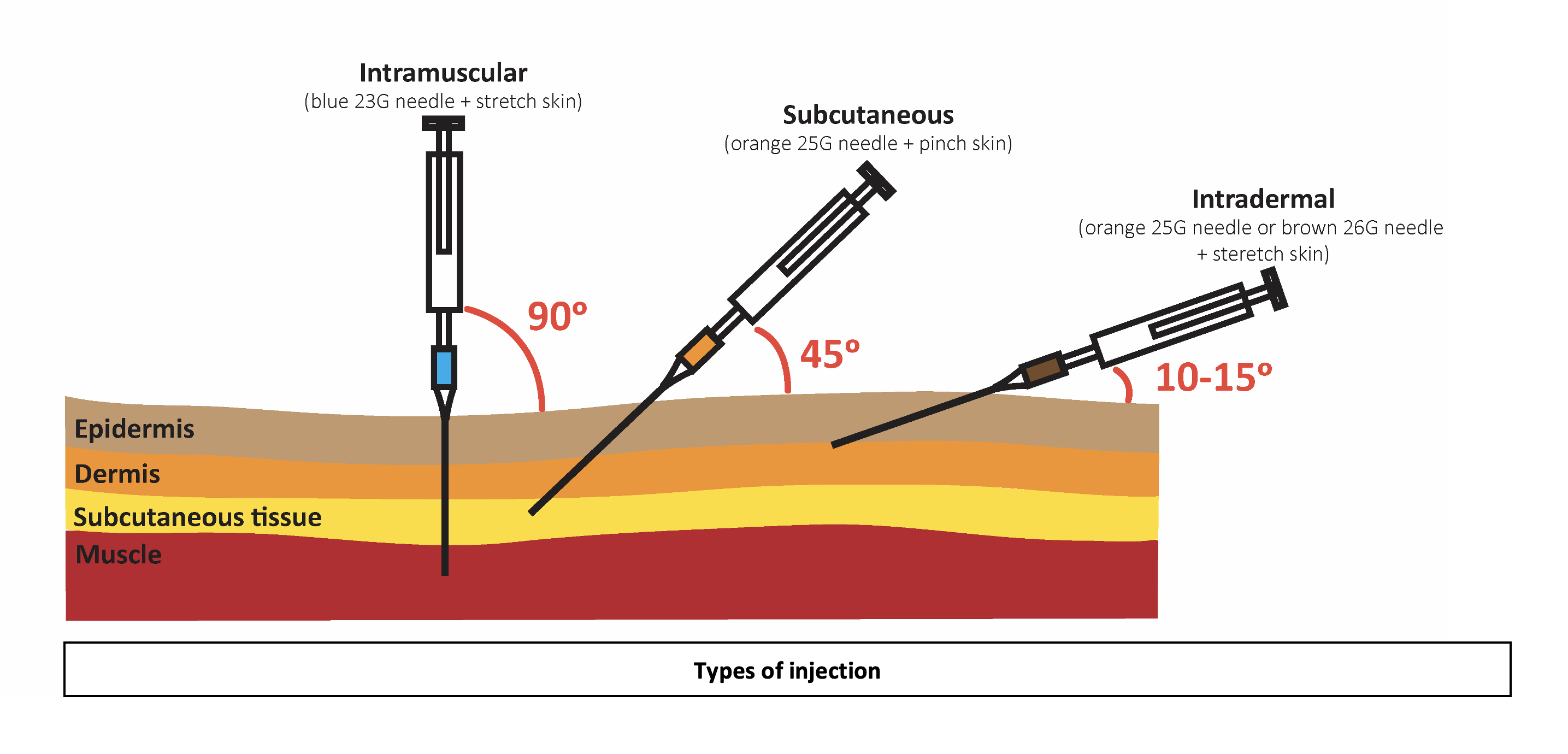
The subcutaneous route is also being leveraged for sophisticated drug delivery, moving far beyond traditional injections to highly controlled, long-acting, and automated systems. These innovations aim to improve patient adherence, reduce the burden of frequent dosing, and provide more consistent therapeutic effects.
Smart Pumps and Auto-Injectors
Automated subcutaneous delivery systems, like insulin pumps, are prime examples of this advancement. These wearable devices continuously infuse insulin subcutaneously, with dosage adjustments often made in response to CGM data or manual input. Next-generation smart pumps are increasingly integrated with AI algorithms to predict needs and autonomously adjust delivery, creating truly intelligent treatment platforms. Similarly, auto-injectors for conditions like anaphylaxis or rheumatoid arthritis simplify the self-administration of critical medications, ensuring rapid and correct delivery in emergency or routine scenarios.
Long-Acting Implants and Micro-Reservoirs
For conditions requiring consistent drug levels over extended periods, subcutaneous implants offer a groundbreaking solution. These devices, often small rods or capsules inserted under the skin, slowly release medication over weeks, months, or even years. Examples include contraceptive implants, which release hormones, and specialized implants for opioid addiction treatment. The next wave of these technologies incorporates micro-reservoirs with dissolvable membranes or programmable release mechanisms, allowing for multiple drug releases or on-demand delivery without necessitating removal and re-insertion. These systems hold immense promise for chronic disease management, vaccine delivery, and even gene therapy.
Targeted Therapies and Precision Medicine
The subcutaneous route also facilitates more targeted and localized drug delivery, which is a cornerstone of precision medicine. By delivering medications directly to the vicinity of affected tissues or utilizing the unique properties of the subcutaneous microenvironment, researchers are exploring ways to enhance drug efficacy while minimizing systemic side effects. This includes drug-eluting implants for localized pain management or anti-inflammatory agents. The ability to precisely control the release kinetics and dosage profile of medications from subcutaneous platforms is transforming how therapies are conceptualized and delivered, paving the way for highly personalized and optimized treatment regimens.
Emerging Trends and Ethical Considerations
The rapid advancement of subcutaneous technology brings with it exciting possibilities but also critical considerations regarding data privacy, security, and accessibility.
Integration with AI and Digital Health Platforms
The true power of subcutaneous technology is amplified through its integration with artificial intelligence (AI) and broader digital health ecosystems. AI algorithms can analyze vast datasets from subcutaneous sensors to identify patterns, predict health crises, and personalize treatment recommendations. Coupled with telehealth platforms and electronic health records, these technologies form comprehensive health management systems that can proactively monitor, diagnose, and intervene. This synergistic relationship promises to move healthcare from a reactive model to a highly predictive and preventative one.
Data Privacy and Cybersecurity Challenges
As more sensitive health data is collected and transmitted wirelessly from subcutaneous devices, issues of data privacy and cybersecurity become paramount. Ensuring the robust encryption of data, preventing unauthorized access, and complying with stringent privacy regulations (like HIPAA and GDPR) are critical challenges that developers must address. Public trust hinges on the assurance that personal health information, gathered directly from within the body, is protected from breaches and misuse.

Accessibility, Equity, and the Future Landscape
While subcutaneous technologies offer immense benefits, ensuring equitable access remains a key ethical consideration. The cost of these advanced devices, coupled with the need for professional insertion and monitoring, could create disparities in healthcare access. Future developments must prioritize affordability, ease of use, and widespread availability to ensure that these transformative technologies benefit all segments of the population, not just a privileged few. As we move forward, the “subcutaneously” defined technological frontier promises not just incremental improvements, but a fundamental reimagining of health and wellness, where the body itself becomes an intelligent, self-monitoring, and self-regulating system integrated with the digital world.
aViewFromTheCave is a participant in the Amazon Services LLC Associates Program, an affiliate advertising program designed to provide a means for sites to earn advertising fees by advertising and linking to Amazon.com. Amazon, the Amazon logo, AmazonSupply, and the AmazonSupply logo are trademarks of Amazon.com, Inc. or its affiliates. As an Amazon Associate we earn affiliate commissions from qualifying purchases.