
Navigating the world of auto loans can feel like a complex journey, especially when the economic landscape is constantly shifting. For many consumers, a car is not just a mode of transport; it’s a necessity, a significant asset, and often the second-largest purchase they’ll make after a home. Understanding current auto loan rates is paramount to making an informed financial decision, ensuring you secure a vehicle without unduly straining your budget. This article delves into the current state of auto loan rates, explores the myriad factors that influence them, and provides actionable strategies to help you secure the most favorable terms possible.
Understanding the Auto Loan Landscape Today
The market for auto loans is dynamic, influenced by broader economic forces and individual borrower characteristics. Staying abreast of these trends is the first step towards smart vehicle financing.
The Dynamics of Interest Rates
Auto loan interest rates are primarily tethered to the federal funds rate set by the U.S. Federal Reserve. When the Fed raises rates, borrowing across the economy, including for auto loans, generally becomes more expensive. Conversely, rate cuts can lead to lower loan costs. Beyond this benchmark, market competition, inflation expectations, and lender-specific risk assessments further shape the rates offered to consumers. In recent periods, we’ve witnessed a landscape characterized by fluctuating rates, responding to efforts to combat inflation and stabilize economic growth. This means that what was a competitive rate last month might not be today, underscoring the importance of real-time research.
Impact of Economic Indicators
Key economic indicators play a crucial role in shaping auto loan rates. Inflation, for instance, erodes purchasing power and can prompt central banks to raise rates. Employment rates and consumer confidence also influence the demand for vehicles and, consequently, the lending environment. A strong job market and high consumer confidence typically correlate with increased demand for new cars and potentially more competitive loan offers, as lenders are more confident in borrowers’ ability to repay. Conversely, economic downturns can lead to tighter lending standards and higher rates for some borrowers as lenders mitigate risk. The supply chain issues that have impacted vehicle availability can also indirectly influence rates, as a scarcity of new cars can shift demand (and thus financing terms) towards used vehicles.
Average Rates Across Different Credit Tiers
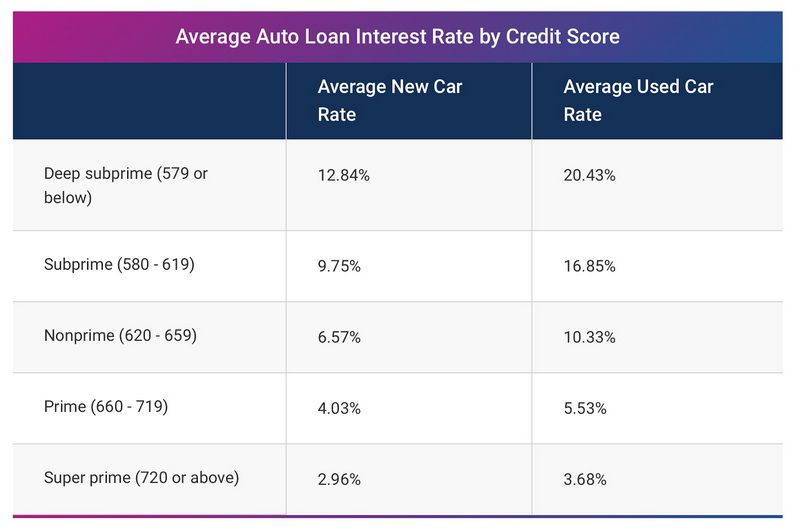
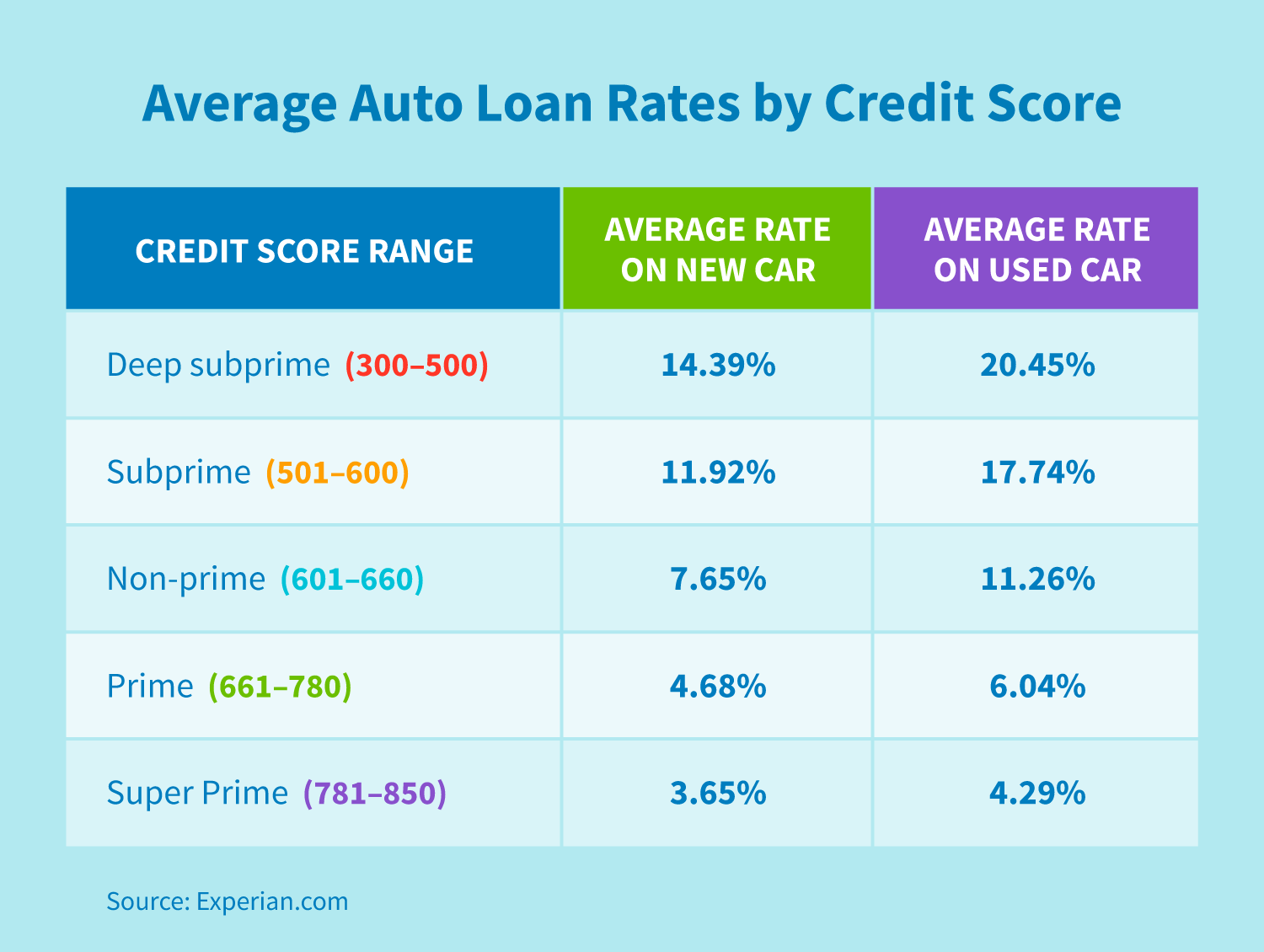
Auto loan rates are highly individualized, with a borrower’s credit score being the most significant determinant. Generally, excellent credit (780+) can qualify for the lowest rates, often in the single digits, making vehicle ownership significantly more affordable. Good credit (660-779) will typically see slightly higher, but still very competitive, rates. Average credit (600-659) will face higher rates, reflecting increased risk to the lender. Subprime credit (below 600) will undoubtedly incur the highest rates, sometimes in the double digits or even higher, making careful consideration of affordability absolutely essential. It’s crucial to understand your credit score before you even begin shopping for a vehicle, as it sets the baseline for what rates you can expect to be offered.
Factors Influencing Your Auto Loan Rate
While broader economic conditions set the stage, several personal and loan-specific factors directly impact the rate you ultimately receive. Understanding these can empower you to improve your position.
Your Credit Score: The Primary Driver
As mentioned, your credit score is king when it comes to auto loan rates. Lenders use it as a snapshot of your financial reliability and history of managing debt. A higher score signifies a lower risk, making lenders more willing to offer lower interest rates. Conversely, a lower score suggests a higher risk of default, prompting lenders to charge higher rates to compensate for that risk. Regularly checking your credit report for errors and actively working to improve your score (by paying bills on time, reducing outstanding debt) can have a profound impact on the cost of your auto loan.
Loan Term and Vehicle Type
The length of your loan, known as the loan term, also influences the interest rate. Shorter terms (e.g., 36 or 48 months) typically come with lower interest rates because lenders recover their money faster, reducing the risk of unforeseen economic changes or vehicle depreciation. However, shorter terms mean higher monthly payments. Longer terms (e.g., 60, 72, or even 84 months) reduce monthly payments but often come with higher interest rates over the life of the loan, leading to more interest paid overall. The type of vehicle also matters; new cars generally qualify for lower rates than used cars due to their predictable depreciation schedule and often manufacturer incentives.
Down Payment and Trade-in Value
Making a substantial down payment signals to lenders that you are serious about your commitment and reduces their risk. A larger down payment means you’re borrowing less money, and you have more equity in the vehicle from day one. This can often translate into a lower interest rate. Similarly, a valuable trade-in can act like a down payment, reducing the amount financed and potentially securing a better rate. Aiming for at least 10-20% of the vehicle’s price as a down payment is a good financial goal.
Lender Type: Banks, Credit Unions, and Dealerships
Where you obtain your loan can significantly affect the rate.
- Banks: Offer a wide range of loan products and competitive rates, especially for those with excellent credit.
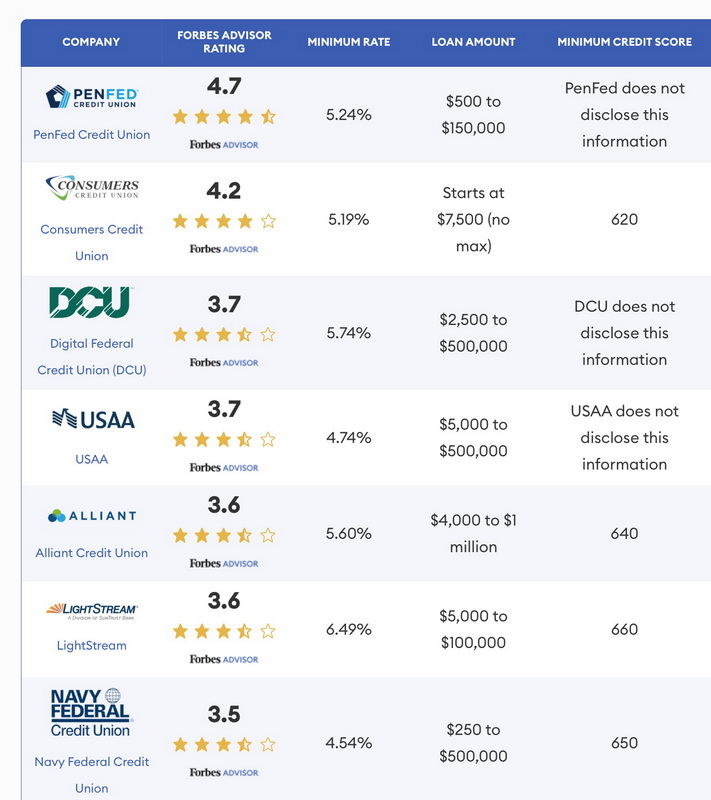
- Credit Unions: Often known for their member-focused approach and potentially lower rates, as they are non-profit organizations. Membership is usually required.
- Dealerships: Can offer convenience, and sometimes manufacturer-backed special financing deals (e.g., 0% APR for qualified buyers). However, their standard rates might be higher than banks or credit unions, and they might mark up interest rates to increase their profit. It’s always best to come to a dealership with a pre-approved loan offer in hand.
Navigating the Application Process and Securing the Best Rate
Armed with knowledge about current rates and influencing factors, you can approach the auto loan application process strategically.
Pre-approval: Your Strategic Advantage
Getting pre-approved for an auto loan before you step into a dealership is one of the most powerful moves you can make. Pre-approval involves a lender reviewing your credit and financial information and offering you a loan amount and interest rate you qualify for. This serves several purposes:
- Budget Clarity: You know exactly how much you can afford, preventing you from falling in love with a car outside your budget.
- Negotiating Power: You enter the dealership with financing secured, allowing you to negotiate the car’s price separately from the loan terms. This prevents the dealer from bundling and obscuring the true cost.
- Benchmark: The pre-approval offer acts as a benchmark against any financing the dealership might offer, ensuring you don’t overpay.
Comparing Offers: Don’t Settle for the First
Just as you’d shop around for the best car, you should shop around for the best loan. Contact multiple lenders—banks, credit unions, and online lenders—within a short timeframe (typically 14-45 days, depending on the credit scoring model). Multiple inquiries within this window are usually counted as a single inquiry for credit scoring purposes, minimizing the impact on your score. Present your pre-approval offers to the dealership’s finance department and see if they can beat it. Often, they will try, as they want your business.
Negotiating Terms Beyond the Rate
While the interest rate is crucial, it’s not the only factor to negotiate. Pay attention to:
- Loan Term: Balance lower monthly payments with the total interest paid.
- Fees: Watch out for origination fees, documentation fees, or prepayment penalties. Ideally, you want to avoid these.
- Down Payment Requirement: Ensure it aligns with your financial capabilities.
- Added Products: Dealerships might try to sell you extended warranties, GAP insurance, or other add-ons. Consider these separately and decide if they offer true value, rather than bundling them into your loan without careful thought.
The Role of Co-signers and Co-borrowers
If you have a limited credit history or a lower credit score, a co-signer or co-borrower with excellent credit can significantly improve your chances of approval and secure a lower interest rate. A co-signer equally shares responsibility for the loan and their credit is fully impacted. A co-borrower has equal ownership of the vehicle. Be aware that if payments are missed, the co-signer’s credit will also be negatively affected, and they will be legally responsible for the debt. This decision requires trust and clear communication.
Strategies to Improve Your Auto Loan Eligibility and Save Money
If your current financial standing isn’t optimal for securing the lowest rates, there are proactive steps you can take.
Boosting Your Credit Score
Improving your credit score is a long-term strategy but yields significant benefits.
- Pay Bills On Time: Payment history is the most important factor in your credit score.
- Reduce Debt: Lowering your credit utilization (the amount of credit you’re using compared to your available credit) can quickly boost your score.
- Review Credit Report: Regularly check for errors and dispute any inaccuracies.
- Avoid New Credit: Don’t open new credit accounts right before applying for an auto loan, as it can temporarily lower your score.
Increasing Your Down Payment
Saving up a larger down payment not only reduces the amount you need to borrow but also signals financial discipline to lenders. Even an extra few hundred or thousand dollars can make a noticeable difference in your rate or overall loan affordability. Consider delaying your purchase for a few months if it means you can save up more for a down payment.
Opting for Shorter Loan Terms (with caution)
If your budget allows, a shorter loan term (e.g., 36 or 48 months instead of 60 or 72) often results in a lower interest rate and significantly less interest paid over the life of the loan. However, ensure the higher monthly payments are comfortably affordable within your budget to avoid financial strain.
Refinancing Options
If you’ve already secured an auto loan at a higher rate, or if your credit score has significantly improved since your original purchase, refinancing might be a viable option. Refinancing involves taking out a new loan to pay off your existing one, ideally at a lower interest rate or with more favorable terms. This can lead to lower monthly payments or substantial savings on total interest paid over time.
Future Outlook and Final Considerations
The auto loan market remains responsive to broader economic shifts. While predicting future rates with certainty is impossible, staying informed and adopting a proactive approach will always serve you best.
Economic Projections and Rate Volatility
Analysts continue to monitor inflation, employment data, and global economic stability to project the Federal Reserve’s future interest rate decisions. These projections directly impact the availability and cost of auto loans. Given ongoing economic uncertainties, some degree of rate volatility can be expected. Consumers should anticipate that rates may fluctuate and plan accordingly, potentially locking in a rate when favorable conditions emerge.
Beyond the Rate: Total Cost of Ownership
While securing a low interest rate is crucial, it’s essential to consider the total cost of owning a vehicle. This includes insurance, maintenance, fuel, and depreciation, in addition to your loan payments. A slightly higher interest rate on a more reliable, fuel-efficient car might be more economical in the long run than a lower rate on a vehicle with high running costs.
A Proactive Approach to Auto Financing
Ultimately, the best auto loan rates are secured through preparedness, diligent research, and strategic negotiation. By understanding how interest rates work, improving your financial standing, and comparing offers from multiple lenders, you position yourself to make a wise financial decision that aligns with your budget and long-term financial goals. Don’t rush the process; the time you invest upfront can save you thousands over the life of your auto loan.
aViewFromTheCave is a participant in the Amazon Services LLC Associates Program, an affiliate advertising program designed to provide a means for sites to earn advertising fees by advertising and linking to Amazon.com. Amazon, the Amazon logo, AmazonSupply, and the AmazonSupply logo are trademarks of Amazon.com, Inc. or its affiliates. As an Amazon Associate we earn affiliate commissions from qualifying purchases.