
To the casual observer monitoring a flickering ticker tape or a digital brokerage app, a stock might appear to be nothing more than a fluctuating price point—a digital commodity traded for the sole purpose of profit. However, for the investor, the economist, and the business owner, a stock represents something far more profound. At its most fundamental level, a stock represents a legal claim of ownership in a corporation. It is the bridge between private enterprise and public capital, allowing individuals to participate in the successes, failures, and growth of the world’s most influential companies.
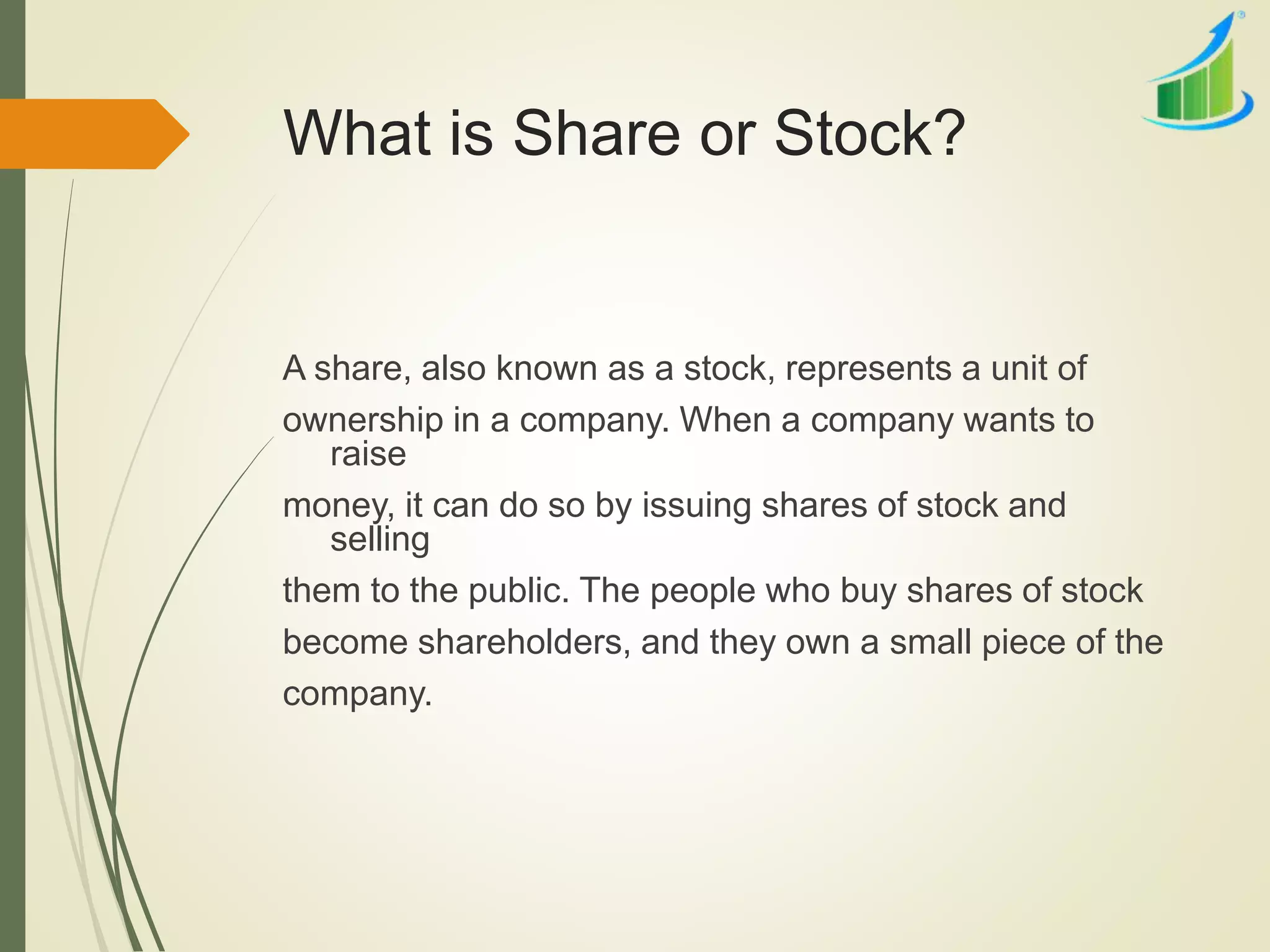
Understanding what stock represents requires peeling back the layers of finance, law, and psychology. It is not merely a piece of paper or a line of code; it is a multifaceted instrument that confers rights, carries risks, and embodies the collective expectations of the global marketplace.
The Legal and Financial Foundation of Ownership
When you purchase a share of stock, you are buying a literal piece of a business. This concept of “equity” is the bedrock of modern capitalism. It transforms a massive, multi-billion-dollar entity into a divisible asset that can be owned by millions of people simultaneously.
The Concept of a Fractional Interest
A single share of stock represents a fractional interest in the corporation. If a company has issued one million shares and you own one hundred, you own 0.01% of that company. This ownership is not just symbolic. It entitles the holder to a proportional share of everything the company is and everything it produces. While a shareholder cannot walk into a corporate headquarters and claim a specific desk or laptop as their own, they have a collective claim on the company’s total pool of assets.
Residual Claim on Assets and Earnings
Perhaps the most critical financial aspect of what stock represents is the “residual claim.” In the hierarchy of a company’s capital structure, stockholders are the last in line. Debt holders, bondholders, and employees are paid first. What remains—the “residue”—belongs to the shareholders.
This position makes stock a “high-risk, high-reward” instrument. If a company is liquidated, the stockholders only receive what is left after all creditors are satisfied. However, in a successful, growing company, that residue can become immense. This claim extends to the company’s earnings. Whether those earnings are distributed as dividends or reinvested into the business to drive further growth, the value generated ultimately accrues to the stockholder.
Limited Liability: The Shield of the Shareholder
One of the most revolutionary aspects of what a stock represents is the concept of limited liability. Before the widespread adoption of the corporate structure, being a partner in a business meant you were personally responsible for its debts. If the business failed, creditors could come for your personal property. A share of stock represents ownership without personal liability. Your risk is strictly limited to the amount you invested. This legal protection is what allows the public markets to function, as it encourages individuals to invest in innovative ventures without fearing total personal financial ruin.
Stock as a Representation of Corporate Governance and Power
Beyond the financial claim on assets, stock represents a seat at the table. It is a tool of corporate democracy, providing the mechanism through which the owners of a company exercise control over the people hired to run it.
Voting Rights and Proxy Power
Most common stocks represent voting power. When you own shares, you typically have the right to vote on key corporate matters, such as the election of the board of directors, the approval of executive compensation packages, and potential mergers or acquisitions.
In a large public corporation, an individual retail investor’s vote may seem insignificant. However, collectively, these votes represent the ultimate authority over the company. Institutional investors—such as pension funds and mutual funds—often use their massive blocks of stock to influence corporate strategy, pushing for changes in environmental policy, social responsibility, or financial transparency. Thus, stock represents a voice in how the engines of the global economy are steered.
The Agency Relationship
Stock also represents the “agency” relationship between shareholders (the principals) and management (the agents). Because the owners of a public company are often thousands of miles away from the day-to-day operations, the stock serves as a contract. The board of directors is legally obligated to act in the “fiduciary” interest of the stockholders. When you hold stock, you hold a contract that requires the company’s leadership to prioritize your financial well-being through the diligent management of the firm.
Common vs. Preferred Stock
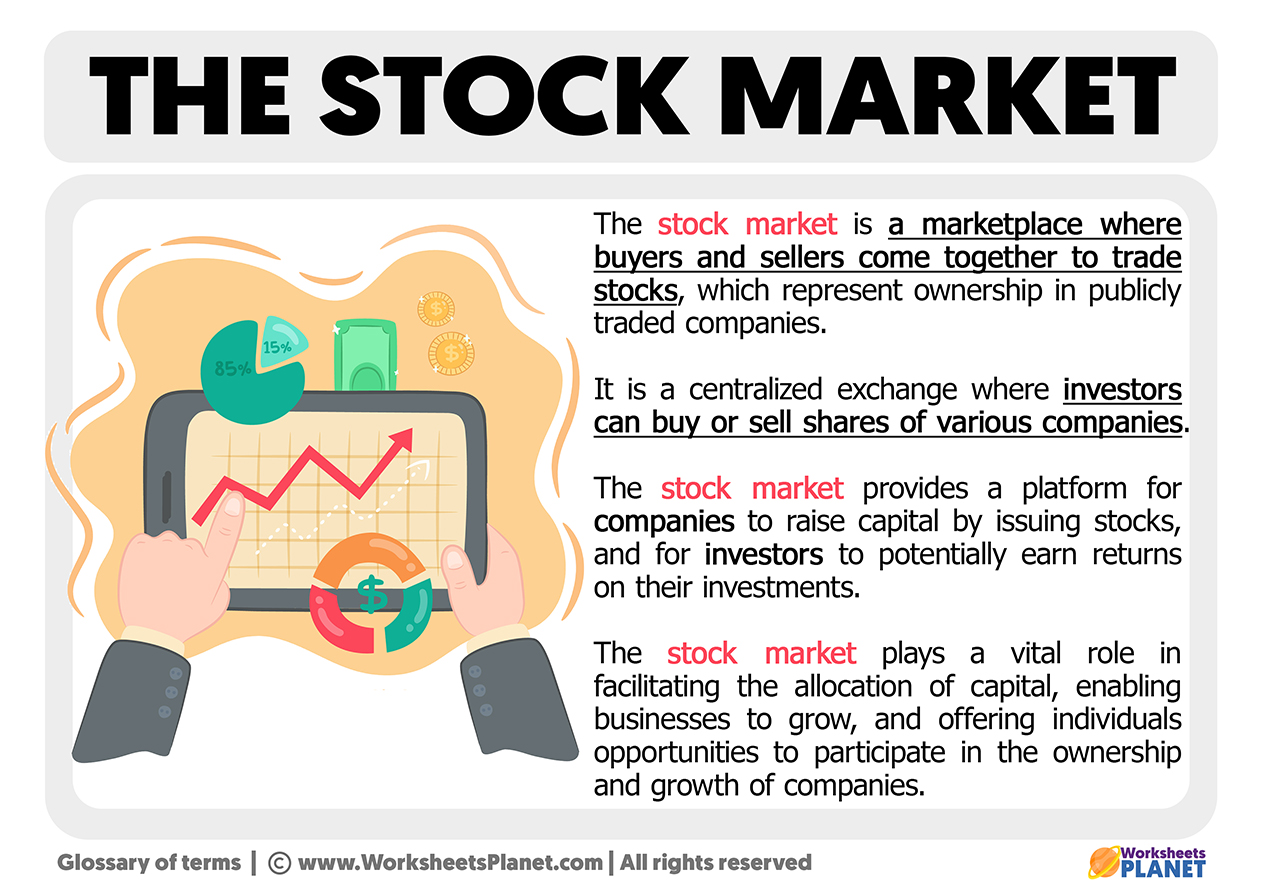
It is important to note that not all stock represents the same thing. Common stock, which most people refer to when they talk about “the market,” carries the highest growth potential and voting rights. Preferred stock, on the other hand, represents a hybrid between a stock and a bond. It often lacks voting rights but represents a higher claim on dividends and assets. Understanding these distinctions is vital for recognizing exactly what rights your “representation” of ownership confers.
The Economic and Psychological Representation of Value
While the legal definition of stock is fixed, its market value is fluid. In this context, a stock represents the market’s collective assessment of a company’s future. It is a forward-looking instrument that distills complex information into a single numerical value.
A Mirror of Future Expectations
A stock price does not represent what a company did yesterday; it represents what the market believes the company will do tomorrow. If a company reports record-breaking profits but its stock price falls, it is often because the market expected even better results or foresees challenges on the horizon. In this sense, a stock represents a “discounted” version of all future cash flows the company is expected to generate. It is a barometer of sentiment, reflecting the optimism or pessimism of millions of participants regarding technological shifts, consumer trends, and economic stability.
The Distinction Between Price and Value
One of the most important lessons in finance is that “price is what you pay, value is what you get.” A stock represents an intrinsic value—the “true” worth of the business based on its assets, earnings, and competitive advantages. However, the market price of the stock is often influenced by external factors: interest rates, geopolitical events, and human psychology.
When an investor says a stock is “undervalued,” they believe the stock represents more actual business value than its current market price suggests. This gap is where the opportunity for wealth creation lies. By understanding that stock represents a tangible business rather than just a ticker symbol, investors can look past short-term volatility to the underlying health of the enterprise.
Stock as a Hedge Against Inflation
In a broader economic sense, stock represents a claim on real-world productivity. Unlike cash, which loses purchasing power as inflation rises, a stock represents a share in a company that can raise its own prices, innovate, and grow its earnings. Therefore, over the long term, stocks represent one of the most effective tools for preserving and growing wealth in a changing inflationary environment.
The Role of Stock in Personal Finance and Wealth Building
For the individual, stock represents the primary vehicle for achieving financial independence. It is the tool that allows a wage-earner to stop trading their time for money and start letting their capital work for them.
Compounding and Wealth Creation
A share of stock represents a “compounding machine.” When a company earns a profit and reinvests that money into new products, more efficient factories, or better technology, the value of each share should, theoretically, increase. Over decades, this process of growth on top of growth creates exponential wealth. For the modern investor, stock represents the ability to participate in the wealth-generating capacity of the entire global economy without having to start or manage a business personally.
Diversification and Risk Management
In a diversified portfolio, each stock represents a unique “bet” on a different sector of the economy. By holding a basket of stocks, an investor uses these instruments to represent a broad cross-section of human ingenuity. If one industry fails, another may thrive. Thus, in the context of a personal financial plan, stocks represent the “engine” of the portfolio—the component responsible for the long-term growth necessary to fund retirement, education, or legacy building.
Passive Income through Dividends
For many, stock represents a source of passive income. When a company is mature and generates more cash than it needs for internal growth, it may return that cash to shareholders in the form of dividends. For the retiree, these dividends represent a paycheck that is not tied to labor. It is the ultimate representation of “owning the means of production,” where the fruits of corporate labor are delivered directly to the owner’s brokerage account.

Conclusion: The Multi-Dimensional Asset
In summary, stock is a complex, multi-dimensional asset that serves as the lifeblood of the global financial system. To the law, it represents a fractional ownership interest and limited liability. To the corporate strategist, it represents voting power and the authority to direct the future of an enterprise. To the economist, it represents a distillation of future expectations and a barometer of corporate health.
Most importantly, to the individual investor, stock represents opportunity. It represents the ability to own a piece of the future—to stand alongside the world’s greatest innovators and entrepreneurs as a partner in their success. By understanding that stock represents far more than a fluctuating number on a screen, investors can approach the market with the perspective of an owner, making decisions based on business fundamentals and long-term value rather than short-term noise. Whether it is a single share of a local utility or a massive stake in a global tech giant, a stock remains the most powerful tool ever devised for the democratization of wealth.
aViewFromTheCave is a participant in the Amazon Services LLC Associates Program, an affiliate advertising program designed to provide a means for sites to earn advertising fees by advertising and linking to Amazon.com. Amazon, the Amazon logo, AmazonSupply, and the AmazonSupply logo are trademarks of Amazon.com, Inc. or its affiliates. As an Amazon Associate we earn affiliate commissions from qualifying purchases.