
In an era defined by rapid digital transformation, even the most mundane items in our wallets are undergoing a technological revolution. If you have recently renewed your driver’s license, you may have noticed a small, inconspicuous gold or black star located in the upper right-hand corner. While it may look like a simple design element, this star represents a massive overhaul of the United States’ identity verification infrastructure. Known as REAL ID compliance, the star is a physical indicator of a sophisticated suite of security technologies, data-sharing protocols, and digital encryption standards designed to modernize how we prove who we are.
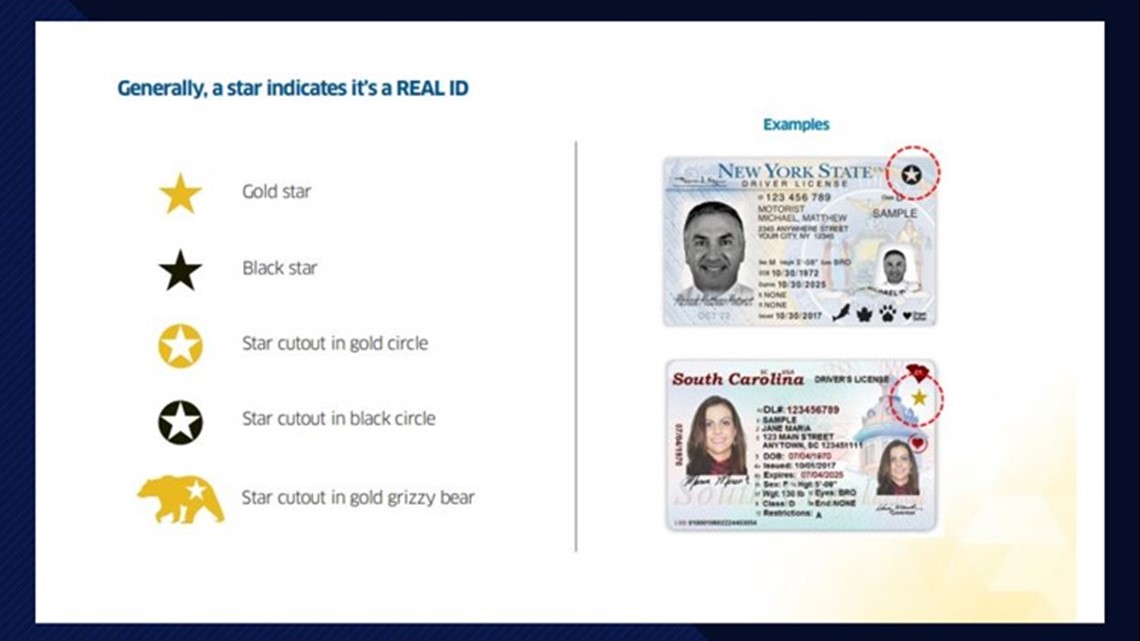
For the tech-savvy observer, the star is more than a legal requirement for air travel; it is a symbol of the convergence between physical documents and global digital security standards. This article explores the technological architecture behind the REAL ID “star,” the cybersecurity frameworks that support it, and the future of digital identity verification.
1. The REAL ID Act: Building a Standardized Identity Infrastructure
The journey to the star began with the REAL ID Act, a federal mandate that established minimum security standards for state-issued driver’s licenses and identification cards. From a technological perspective, the primary goal was to move away from a fragmented system of 50 different state standards toward a unified, machine-readable infrastructure.
The Shift to Machine-Readable Zones (MRZ)
Before the implementation of REAL ID standards, many state licenses lacked the technical uniformity required for high-speed automated processing. The “star” indicates that the card contains standardized Machine-Readable Zones, typically in the form of a PDF417 barcode. This 2D barcode technology is capable of storing significantly more data than traditional linear barcodes. It encodes the holder’s biographical data in a format that can be instantly parsed by scanners at Transportation Security Administration (TSA) checkpoints and federal facilities, ensuring that the physical card and the digital data it carries are perfectly synced.
Data Interoperability Between State Systems
One of the greatest technical challenges of the REAL ID rollout was not the card itself, but the backend integration. To earn that star, states had to upgrade their legacy databases to support secure data exchange. This required the implementation of the State-to-State (S2S) Verification Service, a pointer system that allows departments of motor vehicles (DMVs) to communicate in real-time. This tech prevents “identity stacking,” where an individual might hold valid licenses in multiple states under different aliases, by using a centralized data-sharing hub that flags duplicate records across state lines.
2. Advanced Physical and Digital Security Layers
The star on a license indicates that the document has passed a rigorous “security by design” protocol. These licenses are no longer just printed plastic; they are multi-layered hardware devices designed to be tamper-evident and virtually impossible to forge using consumer-grade technology.
Optically Variable Devices (OVDs) and Laser Engraving
To achieve REAL ID compliance, states utilize advanced hardware such as Polycarbonate (PC) card bodies. Unlike traditional PVC, polycarbonate cards are fused together under heat and pressure, making it impossible to peel back layers to alter information. The tech behind this includes laser engraving, where a high-intensity laser burns data into the inner layers of the card. Furthermore, the inclusion of Optically Variable Devices (OVDs)—holograms that change appearance depending on the angle of light—provides a first-line physical defense that is verified by sophisticated optical sensors during the scanning process.
Digital Watermarking and Micro-Printing
Beyond what the naked eye can see, the “star” signifies the presence of micro-printing and digital watermarking. Digital watermarking involves embedding data into the card’s background design that can only be detected by specific software algorithms. This ensures that even high-resolution scans or 3D-printed replicas will fail the verification process because they cannot replicate the mathematical noise or the precise microscopic text (often less than 0.1mm) embedded within the card’s substrate.
3. The Integration of Biometrics and Facial Recognition Software
Perhaps the most significant technological leap associated with the REAL ID star is the role of biometrics. When you sit for a photo at the DMV today, that image is not just a portrait; it is the raw material for a biometric template.
Facial Geometry and Algorithm-Based Matching
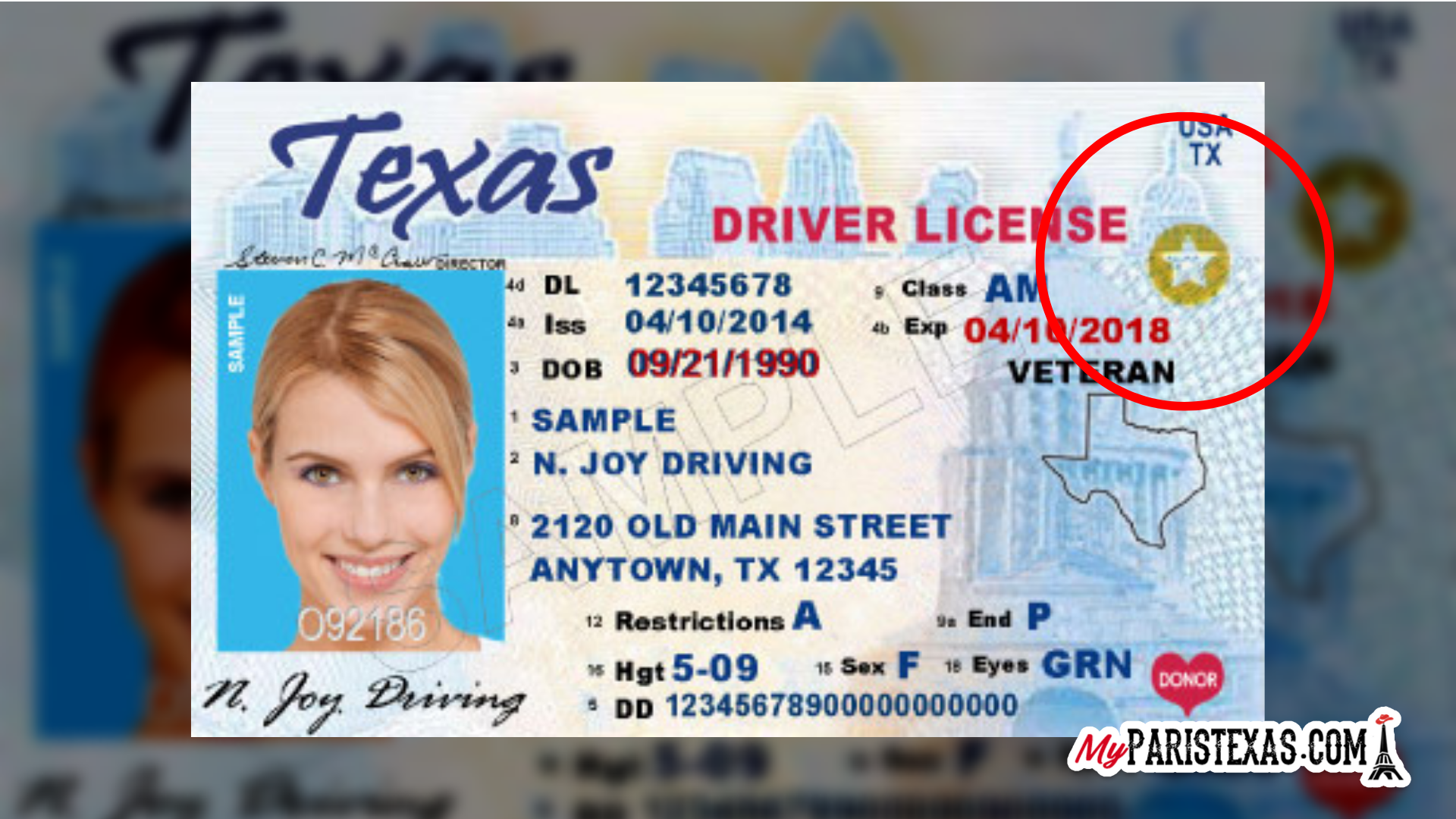
When a star-compliant license is issued, the photo is processed through facial recognition software that maps the “landmarks” of the face—the distance between the eyes, the shape of the jawline, and the bridge of the nose. This digital map is then compared against existing databases to ensure the applicant isn’t already in the system under a different name. This “1:N” (one-to-many) matching technology is a cornerstone of the REAL ID’s promise to reduce identity theft.
The Role of High-Resolution Image Standards
For the facial recognition software to work effectively, the images must meet specific ISO/IEC 19794-5 standards. This includes specific lighting conditions, neutral expressions, and high-pixel density. The “star” on the license confirms that the holder’s identity has been verified through these biometric filters, providing a layer of “biological encryption” that links the physical person to their digital record with a high degree of mathematical certainty.
4. The Transition to Mobile Driver’s Licenses (mDL) and the Cloud
While the physical star is the current gold standard, it is merely a bridge to the next phase of identity technology: the Mobile Driver’s License (mDL). The technology used to verify REAL ID compliance is currently being ported into smartphone environments, using the same security principles represented by the star.
ISO/IEC 18013-5: The Global Mobile ID Standard
The tech community is currently working on ISO/IEC 18013-5, a global standard for mobile driving licenses. This technology allows a digital version of your “starred” license to reside in a secure enclave or a “Vault” on your smartphone. When a user needs to prove their identity, they don’t necessarily show their screen; instead, their phone communicates with a reader via Bluetooth Low Energy (BLE), Near Field Communication (NFC), or a QR code.
Privacy-Preserving Technology and “Selective Disclosure”
One of the most exciting tech developments in the mDL space is “selective disclosure.” If you are using a digital version of your REAL ID at a location that only needs to verify your age, the technology allows you to share only your “over 21” status without revealing your address, exact birthdate, or full name. This is made possible through asymmetric cryptography—the same technology that powers secure web browsing (HTTPS) and blockchain transactions—ensuring that the “star” of the future is not just a mark on plastic, but a cryptographic key in a digital wallet.
5. Cybersecurity and the Future of Decentralized Identity
As we centralize the standards for identity through the REAL ID “star,” the cybersecurity stakes become significantly higher. Protecting the vast amount of PII (Personally Identifiable Information) required for these licenses is a primary concern for software engineers and security architects.
Defending Against Data Breaches
The “star” implies that the state issuing the ID adheres to federal cybersecurity minimums regarding how data is stored at rest and in transit. Modern DMV systems are moving toward “Zero Trust” architectures, where every access request to the identity database must be authenticated and authorized. Encryption is applied at multiple levels—database encryption, file-level encryption, and end-to-end encryption during the transmission of data between state and federal agencies.
The Move Toward Decentralized Identity (DID)
Looking forward, the tech industry is exploring Decentralized Identity (DID) and Verifiable Credentials. In this model, the “star” wouldn’t be verified by checking a central government database, which can be a single point of failure for hackers. Instead, the government would issue a digitally signed credential to the user, who stores it in a decentralized ledger (like a private blockchain). When the user presents their ID, the verifier uses the government’s public key to check the signature’s validity without ever needing to access a central server. This technology would provide the ultimate level of security, combining the authority of the REAL ID star with the privacy and resilience of decentralized tech.
Conclusion: The Star as a Gateway to Digital Trust
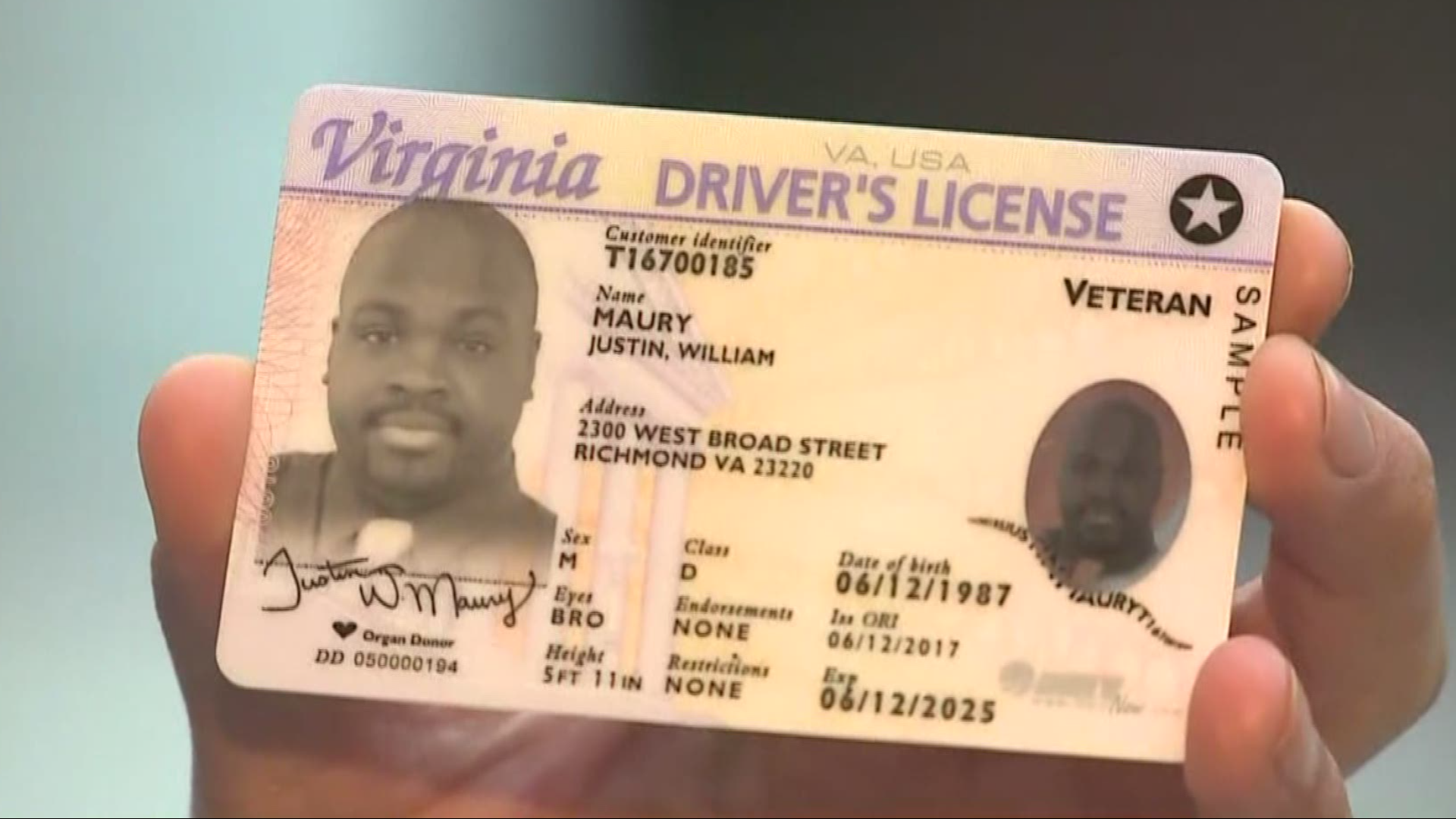
The star on your driver’s license is far more than a travel permit; it is a visible manifestation of a complex technological ecosystem. It represents the successful implementation of 2D barcode standards, biometric verification, laser-engraved hardware security, and interoperable database management.
As we move toward a future where our physical and digital identities are inextricably linked, the technologies pioneered through the REAL ID Act will serve as the foundation for the next generation of digital trust. Whether it remains a gold star on a piece of polycarbonate or evolves into a cryptographic token on a smartphone, the underlying mission remains the same: using cutting-edge technology to ensure that in a world of digital anonymity, we can still prove who we are with absolute certainty.
aViewFromTheCave is a participant in the Amazon Services LLC Associates Program, an affiliate advertising program designed to provide a means for sites to earn advertising fees by advertising and linking to Amazon.com. Amazon, the Amazon logo, AmazonSupply, and the AmazonSupply logo are trademarks of Amazon.com, Inc. or its affiliates. As an Amazon Associate we earn affiliate commissions from qualifying purchases.