
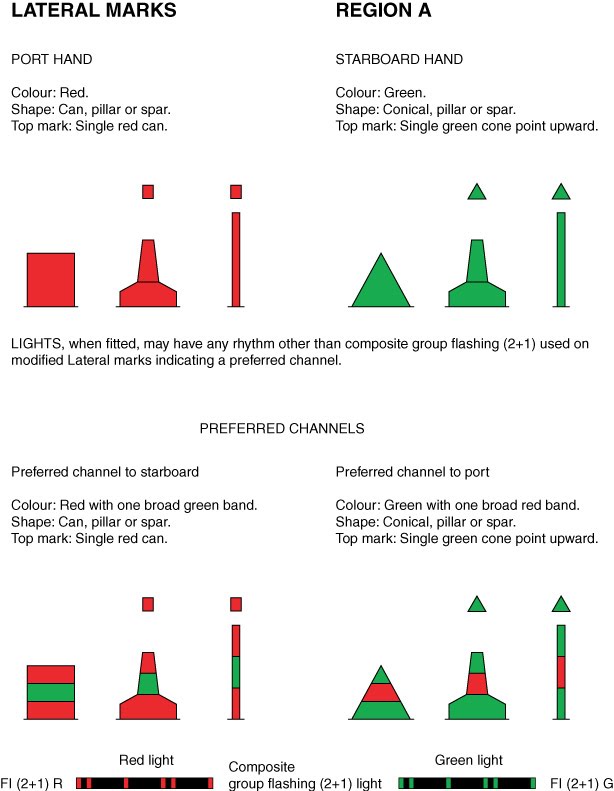
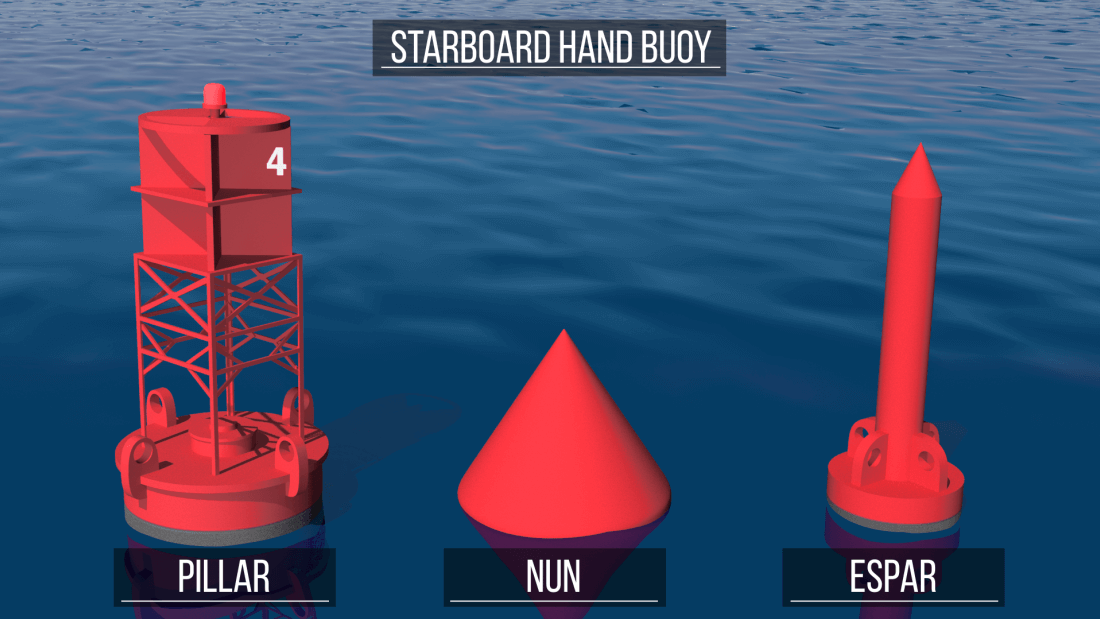
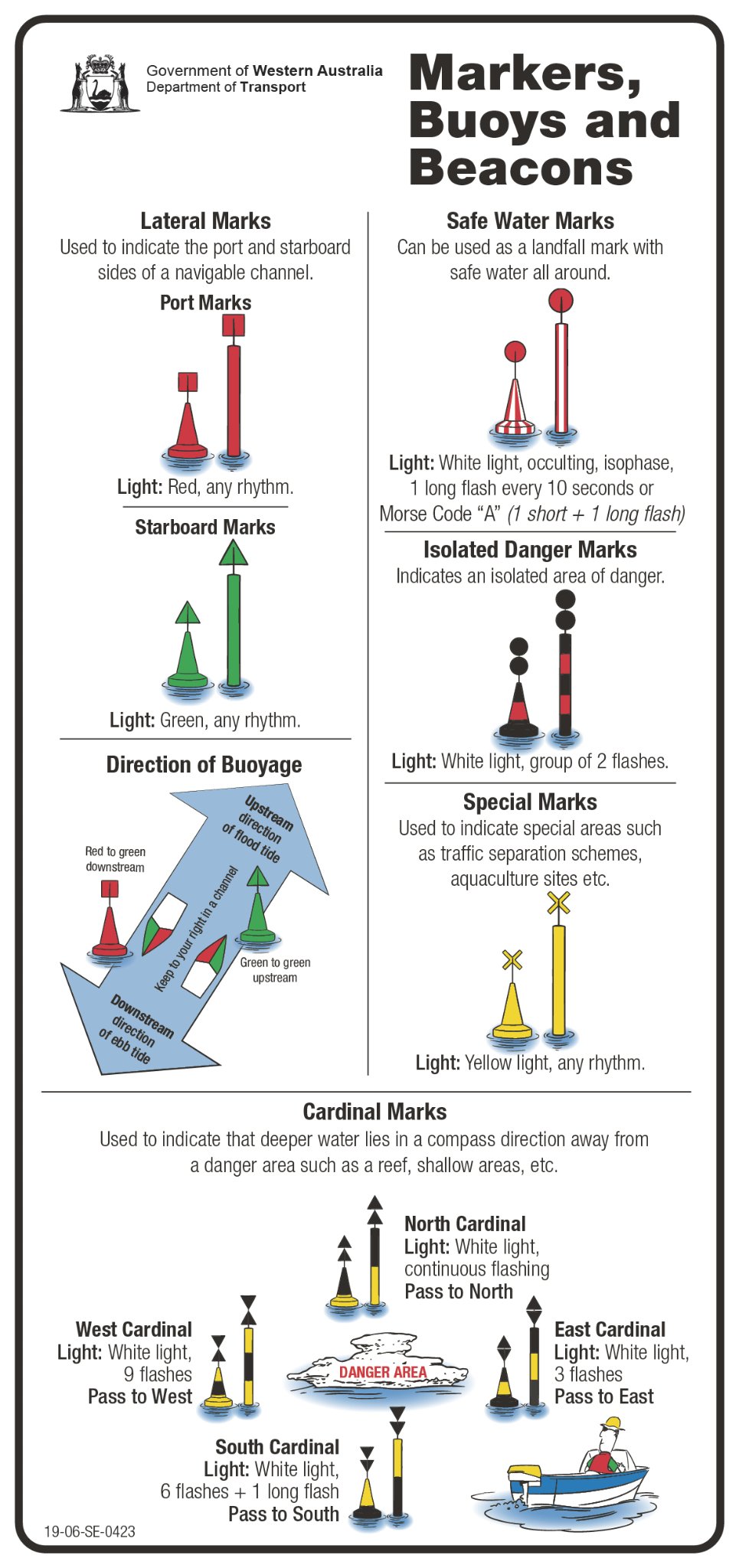
In the traditional maritime world, the answer to the question “what does a red cone-shaped buoy mark?” is foundational knowledge for any mariner: it marks the starboard (right) side of a channel when returning from the sea or heading upstream. Known commonly as “nuns” due to their conical shape, these markers are critical pillars of the lateral system of navigation. However, in the modern era, the physical buoy is no longer just a hunk of painted metal or plastic. It has become a sophisticated node in a global network of Maritime Technology (MarTech).
As we transition into an era defined by autonomous vessels and smart infrastructure, the “red cone” is being reimagined through the lenses of the Internet of Things (IoT), Artificial Intelligence (AI), and advanced sensor fusion. This article explores how technology is transforming these ancient navigational signals into data-rich assets that ensure safety, efficiency, and digital security on the high seas.
The Anatomy of a Signal: Understanding the Traditional Red Cone Buoy in a Tech-Driven World
The red cone-shaped buoy, or “nun buoy,” serves as a visual “keep-right” signal for vessels entering a harbor. While its physical purpose remains constant, the technology used to identify and interact with these markers has undergone a radical transformation. Traditional navigation relied on the human eye and binoculars; today, navigation is a software-driven endeavor.
The Transition from Physical Markers to Data Points
In the context of modern naval software, a red cone buoy is treated as a specific geographic data point within an Electronic Navigational Chart (ENC). These digital maps are not merely static images but are interactive databases. When a vessel approaches a red buoy, the onboard Geographic Information System (GIS) identifies the coordinate and cross-references it with a global database. This ensures that even in zero-visibility conditions—where the human eye cannot see the red paint or the conical shape—the ship’s software knows exactly where the starboard boundary lies.
The Role of AI in Automated Vessel Identification
One of the most significant leaps in maritime technology is the application of Computer Vision (CV). Using high-definition cameras and LiDAR (Light Detection and Ranging), AI algorithms are now trained to recognize the specific geometry and color of a red cone-shaped buoy. This is crucial for the development of autonomous surface vessels (ASVs).
By processing frames in real-time, the AI can distinguish between a nun buoy and other floating debris. This “object detection” capability is powered by deep learning models that have been fed thousands of images of buoys in various lighting and weather conditions. For a tech-focused mariner, the buoy is no longer just a marker; it is a validation point for a machine-learning model’s accuracy.
Smart Buoys: The Internet of Things (IoT) Meets Maritime Navigation
The evolution of the “dumb” buoy into a “smart” buoy represents a massive shift in how we monitor our oceans. A red cone-shaped buoy in a modern high-traffic port is likely equipped with an array of sensors that communicate via satellite or cellular networks.
Real-Time Environmental Monitoring and Telemetry
A smart red buoy does more than just sit in the water. It acts as a localized weather station. Integrated IoT sensors can measure water temperature, salinity, wave height, and wind speed. This telemetry is transmitted back to a central port authority or made available to ships via the Automatic Identification System (AIS).
For software developers in the maritime space, the challenge lies in data orchestration—taking these disparate data streams from thousands of buoys and synthesizing them into actionable insights for captains and automated systems. This “edge computing” approach allows for faster decision-making at the point of contact, reducing the latency that could lead to navigational errors.
Energy-Efficient Connectivity in Remote Marine Environments
The technological challenge of a smart buoy is power management. These markers are often located in harsh, remote environments. To maintain constant data transmission, engineers utilize low-power wide-area networks (LPWAN) and advanced solar harvesting technologies.
The software running on these buoys must be incredibly efficient, often utilizing lightweight protocols like MQTT (Message Queuing Telemetry Transport) to send data packets. This ensures that the red cone buoy remains a reliable digital signal even during prolonged periods of low sunlight or extreme cold, protecting the integrity of the navigational network.
Digital Twin Technology: Simulating Maritime Safety Protocols
As we move toward smarter infrastructure, the concept of the “Digital Twin” has become a cornerstone of maritime technology. A Digital Twin is a virtual replica of a physical asset—in this case, the navigational channel marked by our red cone-shaped buoys.
Creating Virtual Replicas of Navigational Hazards
By creating a digital twin of a harbor, port authorities can simulate various scenarios, such as extreme tides or heavy vessel traffic. In these simulations, the red cone buoy is a critical parameter. Engineers use these virtual models to determine the optimal placement of buoys to prevent groundings.
The software uses physics-based modeling to predict how a buoy might drift during a storm or how its visibility might be obscured by larger vessels. This predictive capability allows for “proactive navigation,” where digital tools provide a “forecast” of navigational safety before a ship even enters the channel.
Predictive Maintenance for Buoyancy and Signal Infrastructure
Maintenance in the middle of the ocean is expensive and dangerous. Technology has introduced predictive maintenance schedules for these markers. By analyzing vibration data and hull integrity sensors on the buoy, AI can predict when a red cone buoy is at risk of sinking or losing its signal light.
Instead of scheduled manual inspections, which are inefficient, software platforms now trigger “condition-based” maintenance alerts. This ensures that the “starboard return” signal is never compromised, maintaining the digital and physical safety of the maritime corridor.
The Future of Navigation: Beyond Visual Identification
The ultimate goal of MarTech is to create a seamless, fail-safe environment for global trade. The red cone-shaped buoy is slowly being supplemented—and in some cases replaced—by “virtual buoys.”
Augmented Reality (AR) and Heads-Up Displays for Mariners
For the modern navigator, the bridge of a ship is starting to look like the cockpit of a fighter jet. Augmented Reality (AR) overlays digital information onto the physical world. Through an AR headset or a smart windshield, a captain can see a digital highlight over the red cone-shaped buoy, even in thick fog.
The software pulls data from the ship’s radar and AIS to project a glowing red cone on the display, precisely where the physical buoy is located. This fusion of digital data and physical reality minimizes human error, which remains the leading cause of maritime accidents.
Autonomous Shipping and the Evolution of Semantic Signage
As we look toward a future of fully autonomous container ships, the “visual” aspect of the red cone buoy becomes secondary to its “semantic” identity. In a world of machine-to-machine communication, the buoy will “handshake” with the approaching ship.
The ship’s AI will recognize the buoy not just as a shape, but as a digital waypoint confirming the vessel’s trajectory. This involves complex digital security protocols. Ensuring that a buoy’s signal cannot be “spoofed” or hacked is a top priority for cybersecurity experts in the maritime field. A hijacked signal could lead a ship off-course, making the encryption of buoy-to-ship communication a vital component of 21st-century maritime tech.
Conclusion: The Enduring Legacy of the Red Cone
While the answer to “what does a red cone-shaped buoy mark” remains a simple navigational rule, the technology surrounding that rule is anything but simple. From AI-driven computer vision and IoT telemetry to Digital Twins and AR overlays, the red nun buoy has become a symbol of how technology preserves tradition while enhancing safety.
As we continue to digitize the oceans, the physical red cone will remain a necessary fail-safe, but its digital counterpart will do the heavy lifting. For tech professionals and maritime engineers, these buoys represent the frontier of edge computing and autonomous systems—a perfect blend of historical significance and futuristic innovation. Whether you are a sailor looking at the horizon or a software engineer looking at a code repository, the red cone buoy stands as a sentinel of the safe passage that technology continues to refine.
aViewFromTheCave is a participant in the Amazon Services LLC Associates Program, an affiliate advertising program designed to provide a means for sites to earn advertising fees by advertising and linking to Amazon.com. Amazon, the Amazon logo, AmazonSupply, and the AmazonSupply logo are trademarks of Amazon.com, Inc. or its affiliates. As an Amazon Associate we earn affiliate commissions from qualifying purchases.