
In the early 2010s, the sight of a small, white plastic square plugged into an iPhone headphone jack became the universal symbol for the democratization of commerce. Before this innovation, small vendors, mobile entrepreneurs, and independent contractors were often locked out of the credit card economy by predatory contracts, expensive hardware, and complex merchant account requirements. Today, Square (now part of Block, Inc.) has evolved from a simple card-reading tool into a comprehensive financial services ecosystem that powers millions of businesses worldwide.
To understand what Square does today, one must look beyond the physical hardware. It is a sophisticated financial engine that integrates payment processing, business banking, lending, payroll, and sophisticated data analytics into a single interface. For the modern entrepreneur, Square functions as an outsourced Chief Financial Officer, providing the tools necessary to manage liquidity, scale operations, and navigate the complexities of 21st-century finance.
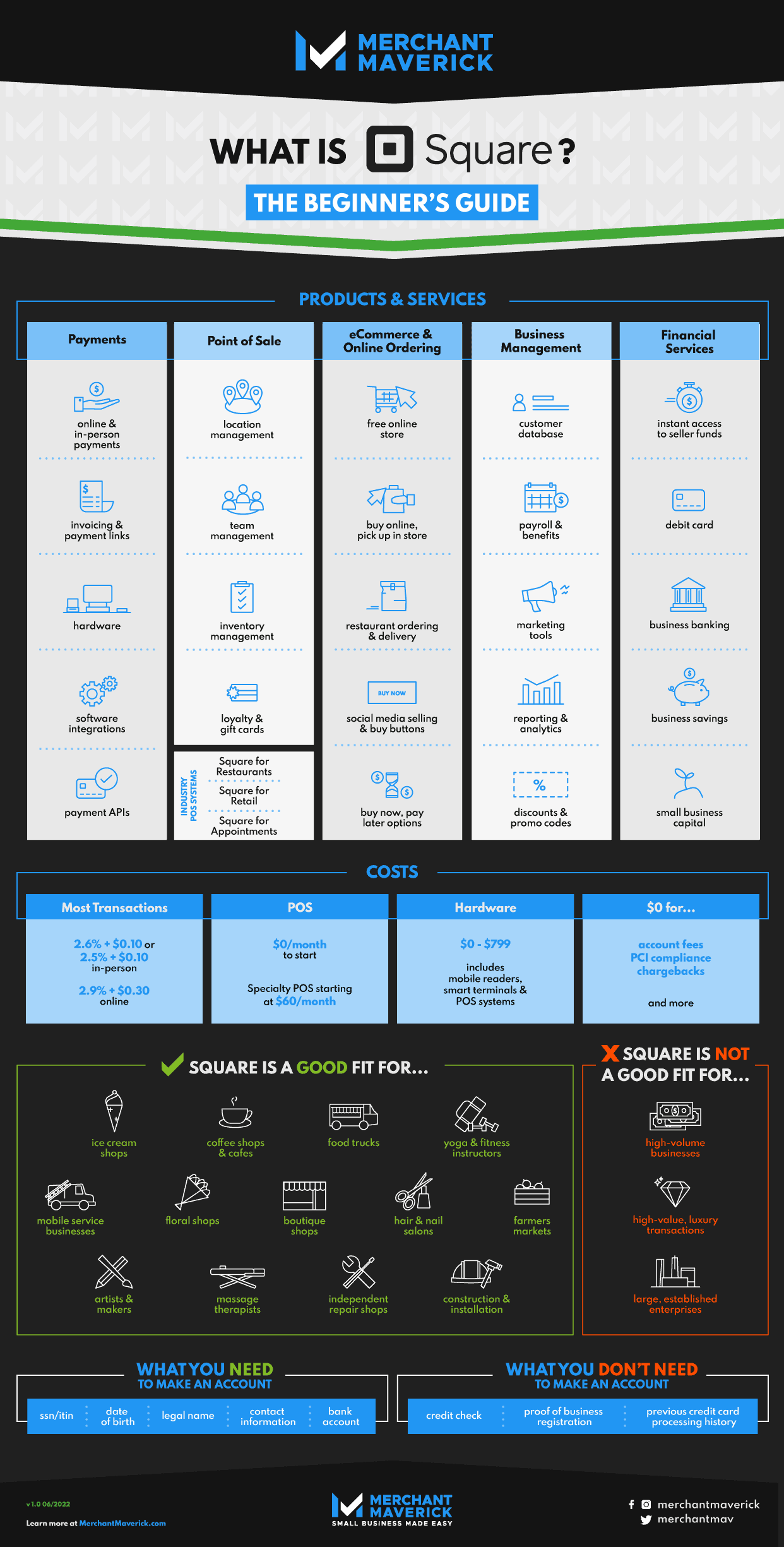
Revolutionizing the Point of Sale: The Core Payment Infrastructure
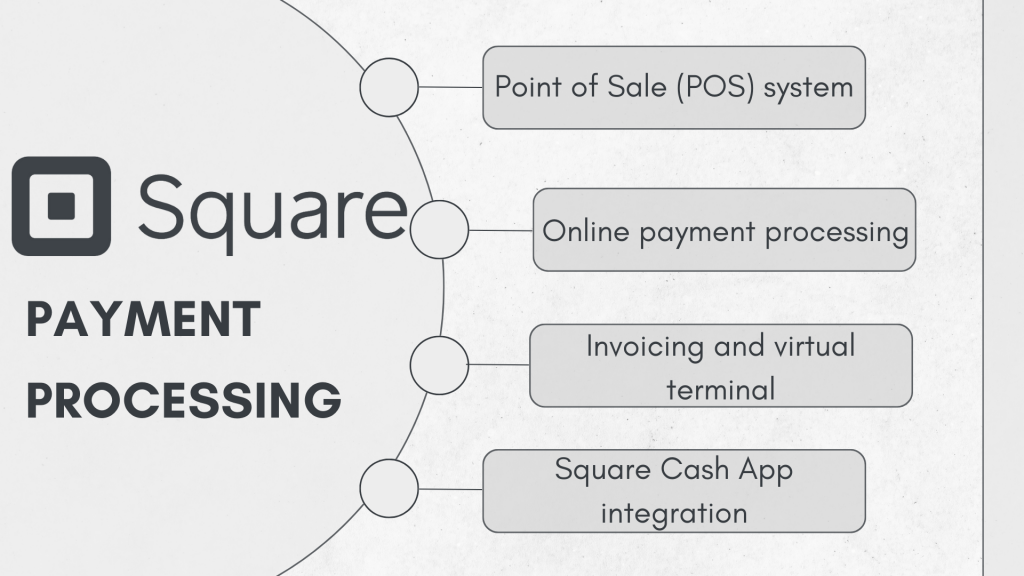
At its heart, Square is a merchant services aggregator. Its primary function is to facilitate the exchange of value between a buyer and a seller. However, the way Square executes this task is fundamentally different from traditional banking models.
Simplifying Transaction Processing
Traditionally, a business owner had to navigate a labyrinth of “interchange-plus” pricing, monthly statement fees, and hardware leases. Square disrupted this by introducing a flat-rate pricing model. By charging a fixed percentage per transaction, they removed the guesswork from business finance. This transparency allows business owners to predict their margins with precision—a critical component of healthy financial planning.
The backend technology handles the heavy lifting of security and compliance. Square acts as the merchant of record for its users, meaning they take on the risk of fraud and data breaches. For a small business, this shifts the burden of PCI compliance and security infrastructure to Square’s enterprise-grade systems, protecting the business’s bottom line from catastrophic liability.
Hardware Solutions for Every Scale
While the original “dongle” still exists, Square’s hardware suite now includes the Square Terminal, Square Register, and Square Stand. These devices are more than just card readers; they are sophisticated financial terminals. They support NFC payments (like Apple Pay and Google Pay), EMV chip cards, and traditional magstripe swipes.
The integration between the hardware and the software is seamless. When a transaction occurs, the data is instantly categorized. This real-time synchronization is the foundation of Square’s “Money” utility: it turns every sale into a data point that informs inventory management, sales forecasting, and cash flow analysis.
The Financial Services Wing: Banking and Capital
Perhaps the most significant evolution in Square’s business model is its move into direct financial services. By obtaining a banking industrial charter, Square has effectively bridged the gap between a payment processor and a traditional bank. This allows them to offer products that address the biggest pain point for small businesses: access to capital and liquidity.
Square Loans: Data-Driven Accessible Financing
Traditional bank loans often require extensive paperwork, collateral, and a high credit score, making them inaccessible for many small businesses. Square Loans (formerly Square Capital) utilizes a proprietary underwriting model based on a merchant’s actual sales data.
Because Square sees every dollar moving through a business, they can assess risk more accurately than a bank looking at a static credit report. They offer “proactive” loans where the repayment is tied directly to daily sales. If a business has a slow day, the repayment amount is lower. If they have a busy day, they pay back more. This flexible, revenue-based financing model aligns the lender’s success directly with the borrower’s success, providing a cushion for seasonal or fluctuating businesses.
Square Banking: Checking and Savings for Business
The Square ecosystem now includes Square Checking and Square Savings. The primary advantage here is the speed of capital. In a traditional setup, funds from a credit card sale can take several business days to clear into a merchant’s bank account. With a Square Checking account, funds from a sale are often available immediately.
This instant liquidity is a game-changer for businesses that operate on tight margins. It allows a florist to buy fresh stock the same afternoon they make a big sale, or a contractor to purchase materials for the next job without waiting for the previous client’s check to clear. Furthermore, Square Savings uses automated “folders” to help businesses set aside money for taxes or equipment upgrades, automating the discipline required for sound financial management.
Beyond Payments: Square as a Business Management Hub
Square’s utility extends into the operational management of a company, effectively acting as a digital infrastructure for the “business of the business.” By integrating these features, Square ensures that financial data is not siloed but is instead used to drive efficiency across the entire organization.
Inventory and Employee Management
Square’s software provides robust inventory tracking that updates in real-time with every sale. For retail businesses, this prevents the “dead capital” problem—money tied up in stock that isn’t moving. The system can send alerts when stock is low and generate reports on which items are the most profitable, allowing owners to make data-backed purchasing decisions.
On the human resources side, Square Payroll automates the complex task of paying employees while handling tax withholdings and filings. Because it is linked to the Point of Sale (POS) system, it can track hours worked through a built-in time clock. This integration reduces the administrative overhead and the risk of manual entry errors, which can lead to costly tax penalties.
Customer Engagement and Loyalty Programs
A business’s most valuable asset is its customer base. Square enables businesses to build and maintain this asset through integrated marketing and loyalty tools. By capturing customer information at the point of sale (with consent), businesses can track spending habits and send targeted promotions.
From a financial perspective, these tools are designed to increase the “Customer Lifetime Value” (CLV). By automating loyalty rewards and email marketing, Square helps small businesses compete with the sophisticated CRM (Customer Relationship Management) systems used by major corporations, all within the same platform they use to take payments.
Specialized Solutions for Vertical Markets
Recognizing that a coffee shop has different financial needs than a hair salon or a professional services firm, Square has developed specialized “vertical” software stacks. These industry-specific tools ensure that the financial reporting and operational workflows match the reality of the niche.
Square for Restaurants and Retail
Square for Restaurants includes features like Kitchen Display Systems (KDS), floor plan management, and “auto-gratuity” settings. Square for Retail focuses heavily on multi-location inventory management and COGS (Cost of Goods Sold) reporting. By tailoring the interface to these industries, Square minimizes the time staff spends interacting with the screen and maximizes the time spent on revenue-generating activities.
The Integration of E-commerce and Omnichannel Selling
In the modern economy, the line between physical and digital storefronts has blurred. Square Online allows businesses to sync their physical inventory with an online store instantly. This omnichannel approach is vital for modern business finance; it ensures that a sale made on Instagram is accounted for the same way as a sale made in a brick-and-mortar shop. This unified view of revenue is essential for accurate bookkeeping and tax preparation.

The Economic Impact of Square’s Financial Model
The broader significance of what Square does lies in its impact on the “unbanked” or “underbanked” business community. By lowering the barriers to entry, Square has effectively expanded the total addressable market of the economy. They have made it possible for a hobbyist at a farmer’s market to have the same professional payment infrastructure as a high-end boutique.
For the entrepreneur, Square represents a shift toward “invisible” finance. The goal of the platform is to automate the mundane aspects of money management—reconciling accounts, calculating tax, chasing invoices, and managing cash flow—so the business owner can focus on their craft.
In conclusion, Square is not just a company that sells card readers. It is a comprehensive financial technology platform that provides the plumbing for small and medium-sized enterprises. By consolidating payments, banking, lending, and operations into a single, data-driven ecosystem, Square has redefined what it means to manage business finance in the digital age. It empowers the “little guy” with “big bank” tools, fostering a more resilient and dynamic global marketplace.
aViewFromTheCave is a participant in the Amazon Services LLC Associates Program, an affiliate advertising program designed to provide a means for sites to earn advertising fees by advertising and linking to Amazon.com. Amazon, the Amazon logo, AmazonSupply, and the AmazonSupply logo are trademarks of Amazon.com, Inc. or its affiliates. As an Amazon Associate we earn affiliate commissions from qualifying purchases.