
In the fast-paced world of corporate identity and marketing, the term “spin” often carries a dual weight. To some, it suggests a deceptive manipulation of facts; to others, it is the sophisticated art of framing a story to highlight a brand’s strengths and mitigate its weaknesses. Regardless of the perspective, understanding what spin means is essential for any brand strategist, marketer, or business leader aiming to navigate the complexities of public perception.
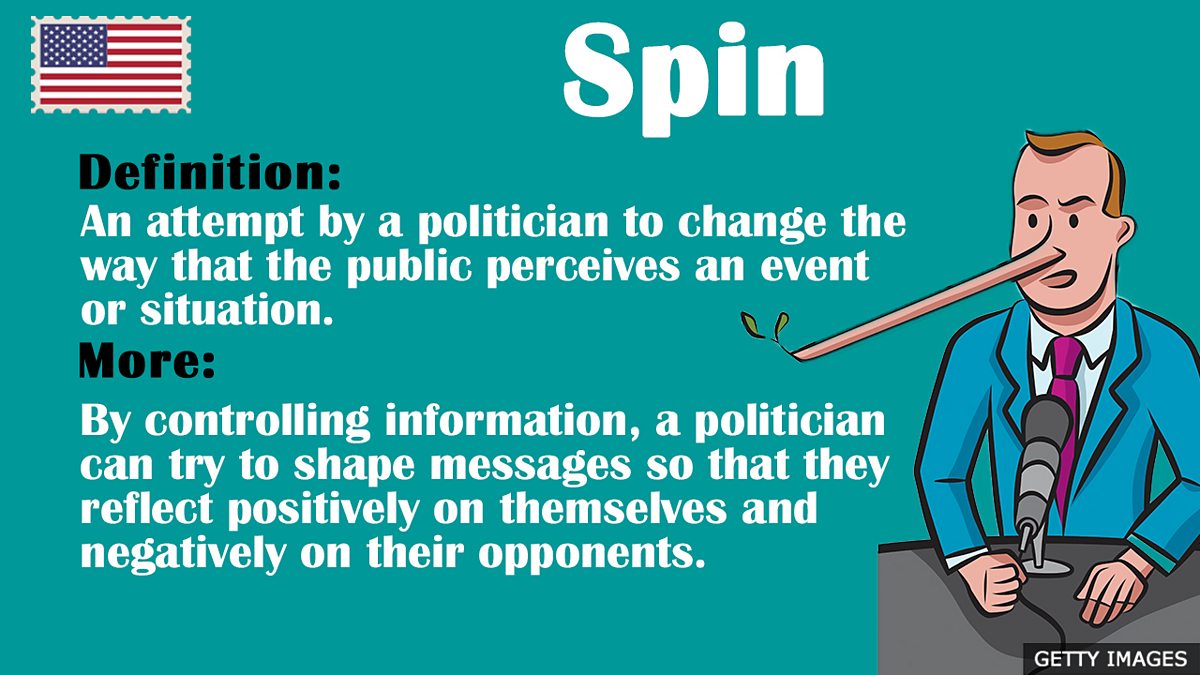
At its core, spin is a form of propaganda, achieved through providing a biased interpretation of an event or campaigning to persuade public opinion in favor of or against some organization or public figure. In the context of branding, spin is the strategic lens through which a company presents its actions, products, and values to the world. It is the bridge between raw data and a compelling narrative.
The Mechanics of Brand Spin: Beyond the Surface
To understand spin, one must first distinguish it from traditional advertising. While advertising focuses on selling a product, spin focuses on managing a reputation. It is a tool used to influence how stakeholders—customers, investors, and the media—perceive a brand’s reality.
The Evolution from Public Relations to Narrative Strategy
The history of spin is deeply rooted in the early 20th-century development of public relations. Figures like Edward Bernays, often called the “father of public relations,” pioneered the idea that public behavior could be influenced by psychological techniques. Today, spin has evolved from simple press releases into a comprehensive narrative strategy. Modern brands do not just “spin” a single story; they curate an entire ecosystem of messaging that reinforces a specific identity.
Selective Perception and Framing
The primary mechanism of spin is “framing.” This involves highlighting specific facts while downplaying others to create a desired conclusion. For example, if a tech company experiences a data breach, a “spin doctor” might frame the event not as a security failure, but as a “catalyst for a massive infrastructure upgrade that will make the company the most secure in the industry.” The facts remain the same—the breach occurred—but the narrative shifts the focus from the past failure to a future-oriented strength.
The Role of Language in Shaping Identity
Word choice is the building block of spin. Brands carefully select terminology that evokes positive emotions or minimizes negative impact. Instead of “downsizing,” a brand might use “right-sizing” or “organizational streamlining.” Instead of a “product delay,” it becomes a “commitment to perfecting the user experience.” These linguistic choices are not accidental; they are calibrated to maintain brand equity even in challenging times.
The Strategic Value of Positive Spin in Growth and Crisis
While the word “spin” often has a negative connotation, it is a vital component of successful brand strategy. Without a narrative framework, a brand is at the mercy of the public’s imagination. Strategic spin allows a company to take ownership of its story.
Crisis Management and Damage Control
In the life of any major corporation, crises are inevitable. Whether it is a product recall, a PR scandal, or a financial downturn, how a brand “spins” the situation determines its survival. Effective crisis spin involves three key elements: acknowledging the situation, asserting control, and pivoting to a solution. By framing a crisis as a learning opportunity or a turning point for reform, brands can often emerge with their reputation intact, or sometimes even strengthened by their perceived transparency and resilience.
Positioning in a Competitive Market
Spin is also used to differentiate a brand from its competitors. In a saturated market, functional differences between products are often negligible. Therefore, the “spin” or the brand story becomes the primary differentiator. A brand might spin its lack of history as “disruptive and agile,” while an established competitor might spin its age as “legacy and reliability.” Both are interpretations of the same factual data points (age), but they target different consumer values.
Building Investor Confidence
For publicly traded companies, spin is essential for maintaining stock value. During quarterly earnings calls, executives use spin to contextualize financial results. If profits are down because of heavy investment in research and development, the narrative focuses on “long-term strategic growth” rather than “short-term loss.” This helps investors see the “big picture” that the brand wants to project, ensuring that the market values the company’s potential as much as its current performance.
The Ethical Boundaries: When Spin Becomes Deception
The effectiveness of spin is entirely dependent on its credibility. There is a thin, often blurred line between strategic framing and outright deception. When a brand crosses this line, the resulting “backlash” can be far more damaging than the original issue the spin was intended to cover.
The Authenticity Gap
In the modern market, consumers are more cynical and better informed than ever before. The “authenticity gap” occurs when a brand’s spin is wildly inconsistent with the consumer’s actual experience. If a brand spins itself as “environmentally conscious” (greenwashing) while being exposed for heavy pollution, the spin collapses. Authenticity is the anchor that keeps spin from drifting into the territory of falsehoods.
The Risks of Over-Spinning
Over-spinning occurs when a brand tries to control the narrative too tightly or ignores obvious truths. This often leads to a “Streisand Effect,” where the attempt to hide or reframe a negative story only draws more attention to it. Modern brand strategy requires a level of “radical transparency.” Sometimes, the best spin is a sincere apology and a factual account of what went wrong, rather than an elaborate rhetorical redirection.
Ethical Responsibility in Brand Strategy
Ethical branding requires that spin be used to clarify, not to confuse. A brand strategist’s job is to find the most favorable version of the truth, but it must still be the truth. Deceptive spin may provide short-term protection, but it erodes the most valuable asset a brand has: trust. Once trust is broken, no amount of clever phrasing or strategic framing can easily restore it.
Digital Spin: Navigating the Social Media Era
The rise of digital platforms has fundamentally changed what spin means. In the past, brands could control the narrative through one-way communication channels like television and newspapers. Today, the narrative is a two-way conversation.
Real-Time Narrative Management
On social media, a brand’s story can be hijacked by a single viral tweet or a negative customer review. This has forced brands to adopt “real-time spin.” Marketing teams must be ready to respond to trends and criticisms within minutes. This requires a deep understanding of the brand’s voice so that responses feel organic rather than corporate. The goal is to “spin” the conversation back to the brand’s core values before the public consensus hardens.
Influencers as Narrative Vehicles
Modern brands often outsource their spin to influencers. Because influencers have built-in trust with their audiences, their “spin” on a product feels like a personal recommendation rather than a corporate advertisement. However, this carries risks. If an influencer’s personal brand undergoes a crisis, the “spin” they provided for the company can quickly turn toxic. Brands must carefully vet their partners to ensure their narratives remain aligned.
Community Engagement and Grassroots Spin
The most powerful form of spin in the digital age is that which is generated by the customers themselves. When a brand fosters a loyal community, the fans become the brand’s “spin doctors.” They defend the brand in comment sections, share positive stories, and provide a buffer against negative press. Cultivating this kind of “organic spin” requires a brand to consistently deliver on its promises, creating a reservoir of goodwill that can be tapped during difficult times.

Conclusion: The Necessity of the Narrative
In the final analysis, “spin” is simply the active management of a brand’s meaning. In a world of infinite information and competing voices, no brand can afford to be silent. What a brand “means” is not just the sum of its products or its balance sheet; it is the story that people tell about it.
Mastering spin means mastering the art of the narrative. It requires a balance of psychological insight, linguistic precision, and ethical groundedness. While the term may occasionally be used pejoratively, the reality is that every successful brand—from the smallest startup to the largest global conglomerate—uses spin to define its place in the world. By strategically framing their actions and values, brands don’t just react to the market; they shape the very reality in which they operate. The goal is not to obscure the truth, but to ensure that the most compelling version of the truth is the one that the world remembers.
aViewFromTheCave is a participant in the Amazon Services LLC Associates Program, an affiliate advertising program designed to provide a means for sites to earn advertising fees by advertising and linking to Amazon.com. Amazon, the Amazon logo, AmazonSupply, and the AmazonSupply logo are trademarks of Amazon.com, Inc. or its affiliates. As an Amazon Associate we earn affiliate commissions from qualifying purchases.