
In the modern era, the landscape of political discourse has shifted from town halls and televised debates to the palm of our hands. While the promise of the internet was to democratize information and connect the world, the reality has been far more complex. Today, one of the most pressing questions in the tech industry and sociopolitical spheres is: what causes political polarization? From a technological perspective, the answer lies in the very architecture of our digital world. Polarization is not merely a social phenomenon; it is an algorithmic output, a byproduct of the software and hardware that govern our daily lives.
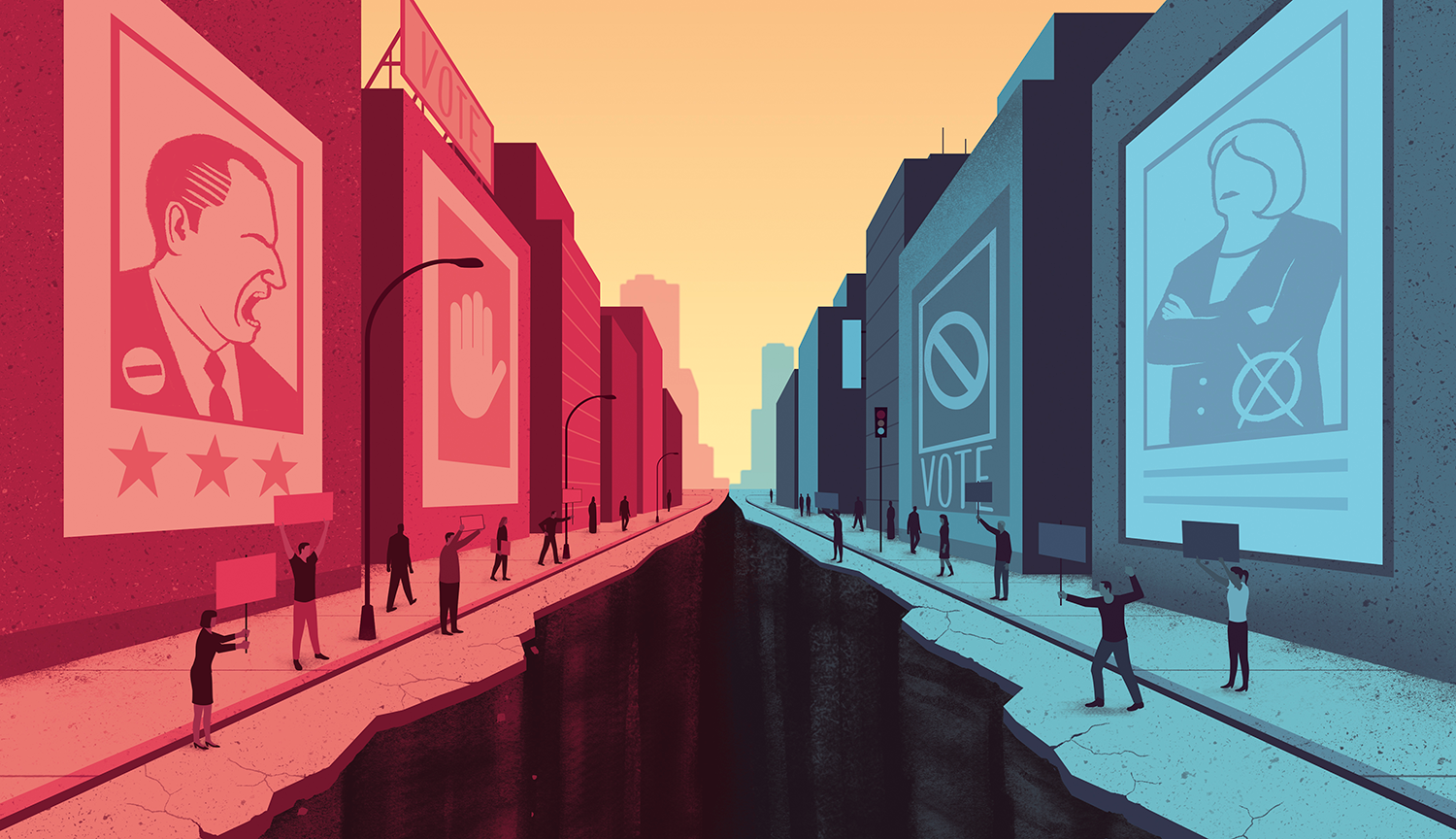
The Algorithm Engine: Curating Divergent Realities
At the heart of modern political polarization is the recommendation engine. Social media platforms, search engines, and news aggregators are built on sophisticated machine learning models designed to maximize user engagement. While these tools are remarkably efficient at showing us products we might like, they have unintended consequences when applied to political ideas.
Echo Chambers and Filter Bubbles
The concept of the “filter bubble,” popularized by internet activist Eli Pariser, describes a state of intellectual isolation that can result from personalized searches. When an algorithm notices a user clicking on a specific type of political content, it prioritizes similar content in future feeds. Over time, this creates an echo chamber where users are rarely exposed to dissenting viewpoints. In this environment, tech users don’t just see different opinions; they exist in different information ecosystems entirely, making cross-partisan communication nearly impossible.
The Optimization of Outrage
Algorithms are programmed to prioritize “engagement,” a metric that tracks likes, shares, comments, and time spent on a page. Data science has consistently shown that high-arousal emotions—specifically anger and moral outrage—drive the most engagement. Consequently, tech platforms inadvertently promote inflammatory content over nuanced policy discussions. By rewarding the most extreme voices with the most visibility, the technology itself shifts the “Overton Window,” making radical positions seem mainstream and moderate positions seem invisible.
Precision Persuasion: Data Sovereignty and Micro-Targeting
The rise of Big Data has fundamentally changed how political actors interact with the electorate. What was once a broad “broadcast” model of communication has been replaced by a “narrowcast” model, enabled by the granular data collected by tech giants.
The Science of Micro-Targeting
Digital advertising tools allow political campaigns to segment the population into hyper-specific groups based on browsing history, location, and even psychological traits. This technological capability allows for “micro-targeting,” where different voters receive different messages—sometimes even contradictory ones—without the public ever seeing the full picture. This prevents a shared national conversation; instead of debating a single set of facts, different groups are served “bespoke” realities tailored to their existing biases.
The Death of the Shared Narrative
In the pre-digital era, most citizens consumed news from a few central sources, providing a baseline of shared facts. Today, the fragmentation of the media landscape, powered by decentralized tech platforms, has led to the death of the shared narrative. When software allows every individual to curate their own news feed, the concept of objective truth becomes secondary to ideological alignment. This technological shift has transformed political debate from a discussion about “what we should do” to a conflict over “what is actually happening.”
The Generative Frontier: AI and the Erosion of Truth
As we move into the era of Generative AI, the technological drivers of polarization are becoming even more potent. The ability to create synthetic media at scale introduces a new layer of instability to political discourse.

Deepfakes and the “Liar’s Dividend”
Deepfake technology—using AI to create realistic but fake video and audio—poses a significant threat to political stability. When technology makes it impossible to distinguish between a real speech and a synthesized one, public trust in media evaporates. This leads to what researchers call the “Liar’s Dividend”: a situation where a political figure can dismiss real, damaging evidence as “AI-generated,” further polarizing the public into those who believe the tech and those who believe the person.
Automated Bots and Computational Propaganda
The use of Large Language Models (LLMs) allows for the creation of sophisticated bots that can mimic human conversation on social platforms. These bots can be deployed to swarm a particular hashtag, harass political opponents, or create a false sense of consensus around an extreme idea. This “computational propaganda” uses technology to drown out authentic human voices, making the digital public square feel far more polarized than the actual population might be.
Infrastructure and UI: The Gamification of Discourse
It is not just the “behind-the-scenes” code that causes polarization; it is also the User Interface (UI) and User Experience (UX) design of the apps we use. The way software is built fundamentally shapes how we interact with one another.
The Frictionless Share
Tech companies have spent decades removing “friction” from their platforms. The “retweet” or “share” button is designed to be effortless. However, friction-free sharing encourages impulsive behavior. When a user sees a headline that confirms their bias or sparks anger, the UI makes it possible to broadcast that information to thousands of people before the user has even had a chance to verify its accuracy. This speed-over-veracity model is a primary driver of the spread of polarizing misinformation.
The Gamification of Political Identity
Many social platforms use gamification elements—points, badges, follower counts, and “likes”—to keep users coming back. In the context of politics, these features turn ideological debate into a competitive sport. Users are rewarded with social currency (likes and shares) for “owning” the other side or posting a particularly biting zinger. This incentivizes performative polarization, where individuals feel pressured to adopt more extreme stances to maintain their status within their digital “tribe.”
Navigating the Future: Tech-Driven Solutions
While technology has undoubtedly accelerated political polarization, the tech industry also holds the keys to potentially mitigating it. Addressing the digital divide requires a shift from engagement-based metrics to “pro-social” metrics.
Algorithmic Transparency and Middleware
One proposed solution is the concept of “middleware”—software that sits between the platform and the user, allowing the user to choose their own recommendation algorithms. By providing transparency into why a certain post is being shown, tech companies can empower users to break out of their filter bubbles. Furthermore, auditing algorithms for “polarization bias” could become a standard practice in software development, similar to security or accessibility audits.
Digital Literacy and Neural Defense
As AI tools become more prevalent, the focus must shift toward digital literacy. Software tools are being developed to help users identify deepfakes and biased reporting in real-time. Integrating these “trust layers” directly into browsers and social apps could provide a necessary check against the forces of polarization. Additionally, tech leaders are exploring “deliberative platforms” designed specifically for nuanced discussion rather than rapid-fire conflict, using UI design to encourage slow, thoughtful engagement.

Conclusion
Political polarization is a multifaceted issue with deep historical and social roots, but in the 21st century, it is undeniably amplified by the technology we use. The algorithms that keep us scrolling, the data that allows us to be targeted, and the AI that challenges our reality all contribute to a fractured society. However, technology is not destiny. By understanding the specific ways in which software architecture influences human behavior, developers, policymakers, and users can work together to redesign the digital world. The goal is to move away from a tech landscape that profits from our division and toward one that leverages our connectivity for a more cohesive future.
aViewFromTheCave is a participant in the Amazon Services LLC Associates Program, an affiliate advertising program designed to provide a means for sites to earn advertising fees by advertising and linking to Amazon.com. Amazon, the Amazon logo, AmazonSupply, and the AmazonSupply logo are trademarks of Amazon.com, Inc. or its affiliates. As an Amazon Associate we earn affiliate commissions from qualifying purchases.