
In the competitive landscape of global branding, a name is rarely just a label; it is a vessel for history, a promise of quality, and a strategic signal to the marketplace. For corporations and brand strategists looking toward the East for inspiration, few terms carry as much multifaceted weight as the Japanese word “Shin.” While a casual observer might see a simple three-letter prefix, a brand architect sees a versatile tool capable of signaling innovation, authenticity, or even divinity. Understanding what “Shin” means in a Japanese context is essential for any brand looking to harness the power of linguistic precision to build equity and trust.
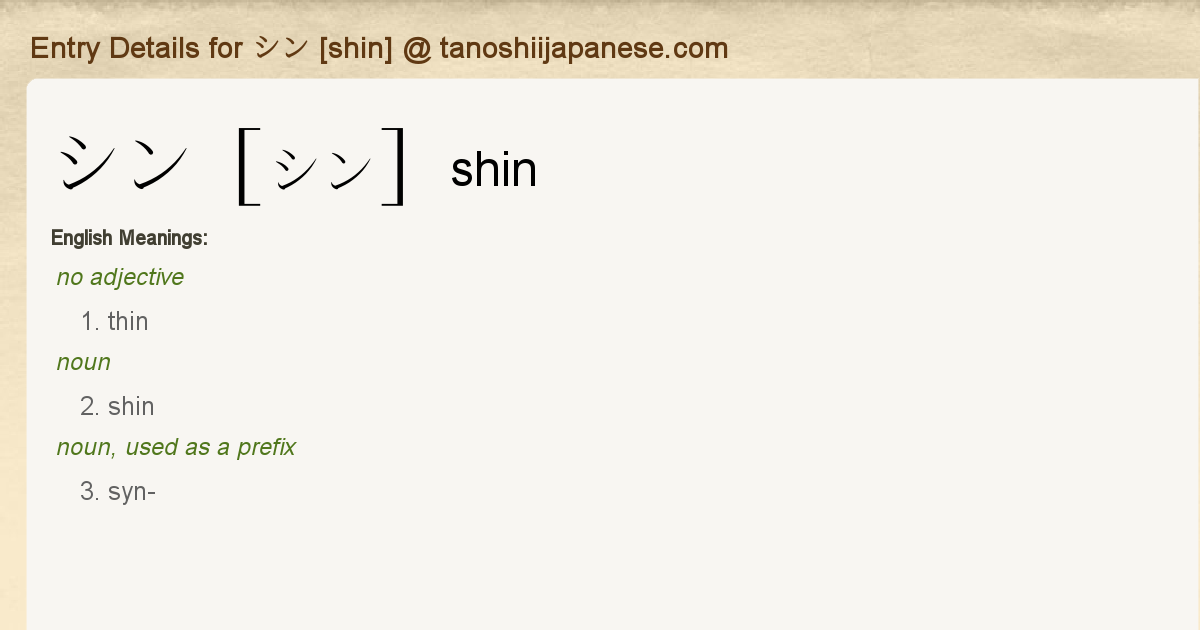
To understand the strategic utility of “Shin,” one must first look past the phonetic sound and into the kanji—the logographic characters used in Japanese writing. In branding, “Shin” primarily manifests through three distinct characters, each offering a unique narrative arc for a product or corporate identity: 新 (New), 真 (True), and 神 (God).
The Multilayered Meanings of “Shin”: A Linguistic Asset for Brand Identity
The brilliance of “Shin” as a branding element lies in its economy of expression. In the English-speaking world, we often require long-form descriptors to convey specific brand values. In the Japanese context, a single character can shift the entire perception of a brand’s lineage and intent.
“Shin” (新) – Innovation and the Promise of the New
The most common application of “Shin” is 新, meaning “new.” In brand strategy, this is the ultimate signal of progress. Unlike the English word “new,” which can sometimes imply a lack of experience or a “version 1.0” instability, the Japanese Shin (新) often suggests an evolution. It is frequently used to denote a major upgrade that renders previous iterations obsolete while maintaining the core DNA of the brand.
Consider the “Shin-Kansen”—the famous bullet train. The name literally translates to “New Main Line.” Strategically, this didn’t just tell the public there was a new track; it signaled a total technological leap that redefined Japanese infrastructure. For modern brands, adopting this version of “Shin” is a way to announce a “Rebirth” (Saisei) or a “New Chapter” without losing the legacy that customers already trust.
“Shin” (真) – Authenticity and the Pursuit of Truth
For brands focused on heritage, artisanal quality, or “Personal Branding,” the character 真 (Shin/Makoto) is more appropriate. This version translates to “true,” “real,” or “genuine.” In an era of “greenwashing” and shallow corporate posturing, “Shin” as “truth” is a powerful antidote.
When a company uses this version of “Shin,” they are making a claim about their ingredients, their processes, or their corporate philosophy. It suggests that while other competitors may offer imitations, this brand offers the “True” version. This is particularly prevalent in the luxury and high-end culinary industries, where the “Shin” prefix acts as a certification of origin and master-level craft.
“Shin” (神) – The Divine and the Aspiration for Excellence
The third pillar of “Shin” is 神, meaning “God” or “Divine.” While rarely used in casual commercial naming to avoid appearing hubristic, it is frequently utilized in the realm of high-concept intellectual property and “God-tier” product lines. In a branding context, this version of “Shin” evokes a sense of perfection that transcends human error. It is used to position a brand as the ultimate authority in its niche—something that is not just a product, but a benchmark for the entire industry.
The “Shin” Phenomenon in Modern Japanese Intellectual Property
One of the most successful contemporary examples of “Shin” as a strategic branding tool can be found in the work of director Hideaki Anno and the “Shin Japan Heroes Universe.” By analyzing how this term was used to revitalize stagnant franchises like Godzilla and Ultraman, brand managers can learn how to pivot a legacy identity for a modern audience.
Reimagining Icons: The Case of “Shin Godzilla” and “Shin Ultraman”
When Toho Studios released Shin Godzilla in 2016, the choice of “Shin” was intentionally ambiguous. The marketing materials used the katakana phonetic script (シン) rather than a specific kanji, allowing the audience to project all three meanings—New, True, and God—onto the film.
From a brand strategy perspective, this was a masterstroke in “Elastic Branding.” It allowed the movie to be a “New” version for a younger demographic, the “True” version for purists who missed the darker roots of the franchise, and a “Godly” version in terms of scale and power. This ambiguity created a conversational gravity that propelled the brand to record-breaking success. It proved that a name does not always need to be definitive; sometimes, the most powerful names are those that invite the consumer to find their own meaning.
Strategic Rebirth: How “Shin” Acts as a Narrative Reset
In corporate identity, there often comes a time when a brand becomes weighed down by its own history. The “Shin” strategy allows for a “Soft Reboot.” It signals to the market that the brand has acknowledged its past but is no longer shackled by it. This is a vital lesson for long-standing corporations: rather than completely changing a name—which risks losing decades of brand equity—adding a significant prefix like “Shin” can provide the necessary distance to innovate while keeping the foundation intact.

Leveraging “Shin” in Global Brand Strategy: Why Prefixes Matter
Naming conventions in the West often rely on suffixes (e.g., iPhone 15, Windows 11) or abstract names (e.g., Uber, Altria). However, the Japanese preference for prefixes like “Shin” offers a different psychological advantage in consumer recognition and brand architecture.
The Psychology of the Prefix in Consumer Recognition
A prefix like “Shin” is an “anchor.” It provides immediate context before the customer even processes the core brand name. In the fast-paced digital marketplace, where a brand has less than a second to capture attention, the “Shin” anchor tells the consumer exactly what to expect: a premium, evolved, or authentic experience.
Strategically, this creates a “Halo Effect.” If a consumer has had a positive experience with a “Shin” product before, they are more likely to trust subsequent “Shin” iterations across different sectors. This is why Japanese conglomerates often use “Shin” across their B2B and B2C divisions—it creates a cohesive identity that signals a unified standard of excellence.
Cultural Capital: Utilizing “Japanese-ness” as a Quality Marker
For international brands, incorporating Japanese linguistic elements like “Shin” is often a strategic choice to tap into “Cultural Capital.” Japan has a global reputation for precision, minimalism, and technological mastery. By integrating the word “Shin” into a brand name or sub-brand, a Western company can subtly borrow these connotations.
However, this must be handled with care. To be effective, the brand must genuinely embody the values associated with the term. If a brand calls itself “Shin-Tech” but delivers a buggy, low-quality software experience, the branding will feel like a hollow aesthetic choice rather than a strategic identity. Authenticity is the cornerstone of the “Shin” philosophy.
Implementing “Shin” Beyond Language: A Framework for Authentic Branding
How can a brand manager or entrepreneur apply the “Shin” philosophy without necessarily using the word itself? The strategic takeaway is the commitment to “The True Path.”
Consistency in Messaging and Identity
A “Shin” brand is a consistent brand. Whether you are using the “New,” “True,” or “Godly” variation, your brand strategy must ensure that the visual identity, the tone of voice, and the product quality are in total alignment. In Japanese branding, there is a concept called Kogei (Craftsmanship). A “Shin” brand is a manifestation of Kogei—it is polished, intentional, and devoid of unnecessary noise.
To implement this, brands should audit their current identity and ask:
- Is our “Newness” merely a coat of paint, or a fundamental evolution (Shin-新)?
- Is our message “True” to our founding principles, or are we chasing trends (Shin-真)?
- Are we striving for a “God-tier” standard of excellence in our customer service and product delivery (Shin-神)?
Avoiding the Pitfalls of Cultural Appropriation in Naming
As brands go global, the risk of “Semantic Bleach”—where a word loses its meaning through over-use or misuse—is high. When adopting Japanese terms like “Shin,” it is imperative to work with linguistic experts and cultural consultants. Using the wrong kanji or using the word in a way that contradicts its cultural roots can lead to a “Brand Crisis.”
For example, using the “God” kanji for a mundane household product might be seen as disrespectful or comical in certain contexts. A professional brand strategist knows that “Shin” is not just a cool-sounding word; it is a serious commitment to a specific set of Japanese values.

Conclusion: The Enduring Legacy of “Shin” in Professional Branding
The word “Shin” is a masterclass in the economy of branding. It demonstrates how a single syllable can encompass the past, the present, and the future of a corporate identity. Whether it is used to signal the cutting edge of technology, the bedrock of authenticity, or the peak of human achievement, “Shin” remains one of the most potent linguistic tools in the global marketer’s arsenal.
For brands aiming to achieve longevity and resonance, the lesson is clear: don’t just be new—be “Shin.” Aim for a version of your brand that is not just the latest iteration, but the truest and most evolved expression of your vision. By understanding the deep-seated meanings of “Shin,” brand architects can build identities that do more than just sell—they inspire trust, signify quality, and stand the test of time in an ever-changing global market.
aViewFromTheCave is a participant in the Amazon Services LLC Associates Program, an affiliate advertising program designed to provide a means for sites to earn advertising fees by advertising and linking to Amazon.com. Amazon, the Amazon logo, AmazonSupply, and the AmazonSupply logo are trademarks of Amazon.com, Inc. or its affiliates. As an Amazon Associate we earn affiliate commissions from qualifying purchases.