
In the competitive landscape of children’s entertainment, few brands have achieved the ubiquity and commercial dominance of PAW Patrol. Produced by Spin Master Entertainment, this franchise has moved beyond simple television programming to become a multi-billion dollar brand ecosystem. At the heart of this success are the individual characters—the heroic pups whose identities are meticulously crafted brand assets. To understand what the names of the dogs from PAW Patrol are is to understand a sophisticated strategy of character branding, demographic targeting, and IP management. Each name represents a specific brand vertical, a color palette, and a functional role that translates seamlessly into global merchandising.
The Core Brand Pillars: The Original Six Pups
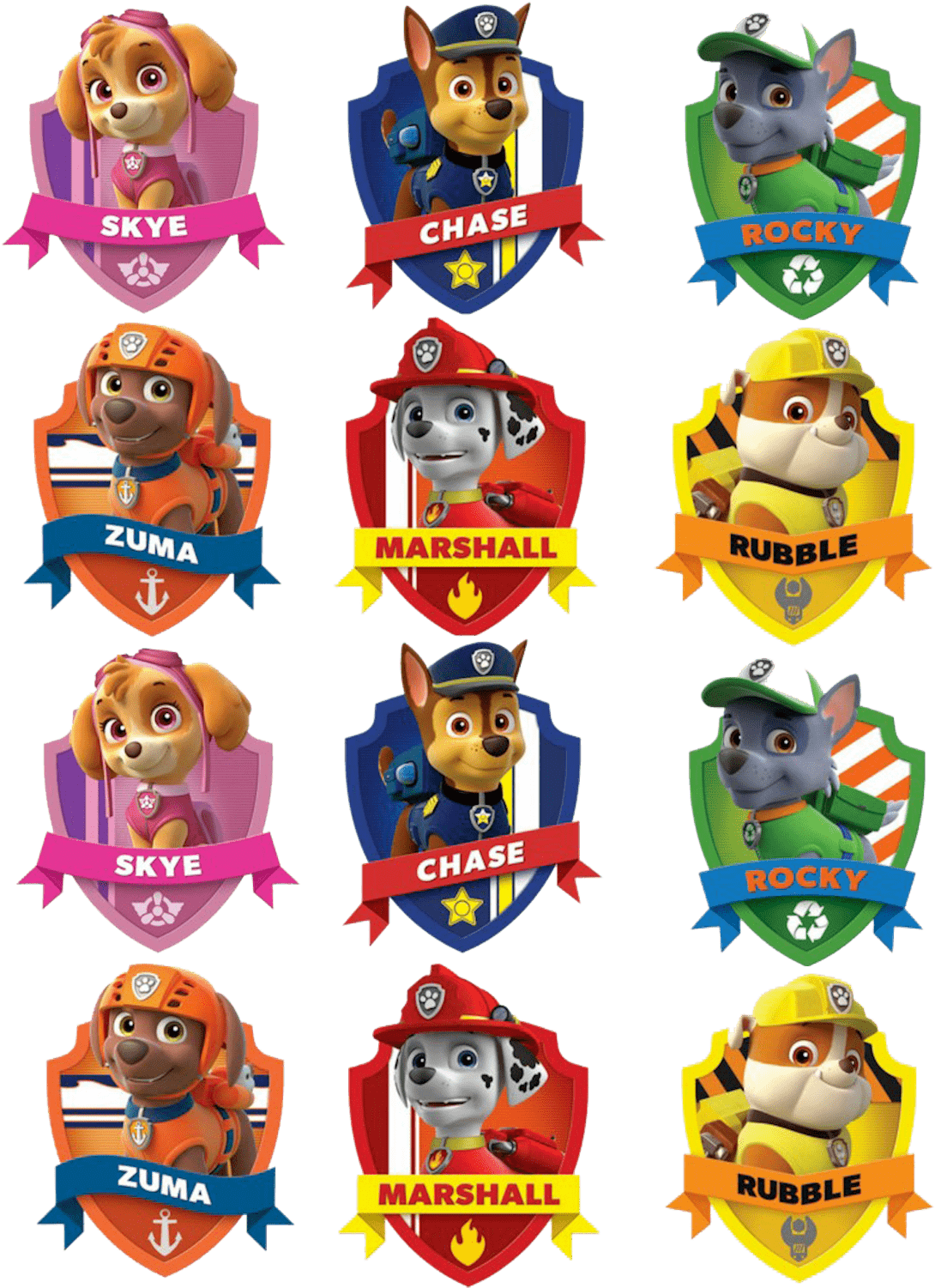
The foundation of the PAW Patrol brand is built upon six core characters. These names are not merely labels; they are carefully selected identifiers that communicate the character’s function, personality, and marketability. By assigning each dog a distinct professional role and a corresponding primary or secondary color, the brand creates a visual and conceptual shorthand that is easily digestible for a pre-school audience while maintaining a strong corporate identity.
Chase: The Visual Anchor of Authority
Chase, a German Shepherd, serves as the primary leader and police dog of the team. From a brand strategy perspective, Chase represents stability, law, and order. His name implies movement and action—core tenets of an adventure-driven franchise. His visual identity is centered on deep blue, a color traditionally associated with trust and professional authority. As the “top dog” of the lineup, Chase is often the focal point of marketing campaigns, serving as the face of the brand’s most traditional heroic values.
Marshall: The Heroic Comic Relief
Marshall is a Dalmatian who functions as the team’s fire and medic dog. His name evokes the concept of “marshalling” resources or a fire marshal, aligning his identity with emergency response. Marshall’s brand value lies in his duality; he is both a hero and a source of slapstick comedy. This makes him highly relatable to the target demographic. His signature red uniform provides the high-contrast visual needed for toy shelf visibility, ensuring that he is one of the most recognizable figures in the PAW Patrol portfolio.
Skye: Expanding the Demographic Reach
Skye, a Cockapoo, was the first female character introduced to the core team. Her name is a direct reference to her role in aviation and mountain rescue. Beyond the literal meaning, Skye’s branding was a strategic move to capture the female demographic within the pre-school market. By utilizing a pink and lavender color scheme, the brand successfully utilized traditional gendered marketing cues to ensure a wide-reaching appeal. Skye’s popularity demonstrated the franchise’s ability to integrate diverse archetypes into a cohesive unit.
Strategic Portfolio Expansion: The Secondary Tier
A critical component of brand longevity is the ability to expand the product line without diluting the core message. PAW Patrol achieves this by introducing secondary characters who fill specific niches—both in terms of narrative function and toy categories. Rubble, Rocky, and Zuma represent this strategic layering of the brand.
Rubble: Constructing Brand Loyalty
Rubble, an English Bulldog, is the construction pup. His name is synonymous with the material he works with, reinforcing his role in every interaction. Construction-themed play is a massive vertical in the toy industry, and by including Rubble, the PAW Patrol brand effectively captured a share of the heavy machinery toy market. His yellow color scheme is synonymous with safety and construction, making his branding intuitive for children and parents alike.
Rocky: The Sustainability Sub-Brand
Rocky is a mixed-breed pup focused on recycling and eco-friendly solutions. His catchphrase, “Don’t lose it, reuse it,” is a masterclass in brand messaging, aligning the franchise with contemporary values of environmentalism. Rocky’s name is short, punchy, and suggests durability. By representing the “green” movement within the show, the brand appeals to modern parents who prioritize educational and socially conscious content for their children.
Zuma: Dominating the Aquatic Vertical
Zuma, a Chocolate Labrador, handles water rescues. His name has a modern, high-energy phonetic quality. From a branding standpoint, Zuma allows the franchise to expand into water-based toys and bath-time products. His orange uniform provides a distinct visual separation from the other pups, ensuring that the product line remains varied and visually stimulating on a retail display.
Seasonal Branding and Geographic Integration

To maintain market relevance over a decade, PAW Patrol has utilized the “specialized member” strategy. By introducing pups that are tied to specific environments or themes, the brand can launch seasonal product lines and cinematic events that feel fresh.
Everest and Tracker: The Environmental Specialists
Everest, a Siberian Husky, was introduced to handle snow and ice rescues. Her teal and orange palette was a departure from the primary colors of the core six, signaling a “premium” or “special edition” status within the brand hierarchy. Similarly, Tracker, a Chihuahua who specializes in jungle rescue, allowed the brand to expand into different geographical themes. These characters are often used as the “hook” for new seasons of television or specific toy lines, driving recurring revenue from a loyal fan base.
Liberty: The Cinematic Brand Extension
With the release of PAW Patrol: The Movie, the brand introduced Liberty, a long-haired Dachshund living in Adventure City. Liberty represents a shift toward more urban, fast-paced branding. Her introduction was a strategic move to bridge the gap between the television series and a high-budget cinematic universe. Her name, evoking freedom and the American spirit, was designed to resonate with a global audience during a major theatrical launch.
The Psychology of Naming in Brand Recognition
The names of the dogs from PAW Patrol are not accidental; they follow rigorous linguistic and psychological principles designed for maximum retention in the pre-K and early elementary minds.
Phonetic Simplicity and Alliteration
Most of the names are single or double syllables (Chase, Skye, Rocky, Zuma, Marshall). This brevity is essential for language development in the target age group. Furthermore, the use of hard consonants makes the names punchy and easy to shout during play, which is a key driver of organic brand engagement. The brand often uses alliterative catchphrases (e.g., “Rubble on the double”) to link the name to an action, creating a mnemonic device that reinforces the character’s identity.
Function-Driven Identity
In brand strategy, clarity is king. By naming characters after their functions or environments (Skye for air, Rubble for construction, Everest for mountains), the PAW Patrol brand reduces the cognitive load on the consumer. A child does not need to remember a complex backstory; they only need to remember the name to understand the character’s entire brand value proposition. This “Job-to-be-Done” framework for character design is why the names are so effectively converted into specialized toy sets.
Monetizing Character IP: The Power of the PAW Patrol Name
The ultimate goal of this intricate naming and branding strategy is the monetization of intellectual property. The names of the dogs from PAW Patrol are the keys that unlock a massive licensing engine.
Cross-Category Licensing
Because each name is tied to a specific color and profession, the licensing potential is nearly infinite. Chase can be licensed for bedding, Marshall for footwear, and Skye for school supplies. The distinctiveness of each “sub-brand” within the PAW Patrol umbrella allows licensees to create diverse product ranges that cater to different tastes while remaining under the cohesive PAW Patrol banner.
The Ecosystem of “Mighty” and “Rescue” Brands
The franchise has also mastered the art of the “re-brand.” Through themes like Mighty Pups or Sea Patrol, the core names remain the same, but their visual identities are upgraded. This allows Spin Master to resell the same characters in new “power-up” versions. This strategy keeps the IP fresh without requiring the brand to build new character equity from scratch. The name “Chase” remains constant, but the “Mighty Chase” variant introduces a new layer of collectability.

Conclusion: The Enduring Legacy of Character Branding
The names of the dogs from PAW Patrol—Chase, Marshall, Skye, Rubble, Rocky, Zuma, Everest, Tracker, and Liberty—are more than just characters in a cartoon. They are carefully engineered brand assets that have redefined how children’s media functions in the 21st century. Through strategic naming, functional archetypes, and a relentless focus on visual identity, Spin Master has created a corporate identity that is both recognizable and incredibly profitable.
For marketers and brand strategists, PAW Patrol serves as a case study in how to build a multi-generational franchise. It proves that when names are chosen with intention, when characters are designed with market verticals in mind, and when the brand architecture is built for expansion, the result is a global phenomenon. The names of these pups have become a universal language of play, demonstrating that in the world of branding, simplicity and consistency are the ultimate tools for success.
aViewFromTheCave is a participant in the Amazon Services LLC Associates Program, an affiliate advertising program designed to provide a means for sites to earn advertising fees by advertising and linking to Amazon.com. Amazon, the Amazon logo, AmazonSupply, and the AmazonSupply logo are trademarks of Amazon.com, Inc. or its affiliates. As an Amazon Associate we earn affiliate commissions from qualifying purchases.