
For decades, the internal workings of the human brain during its most private moments remained a “black box” of biological mystery. While psychologists could observe behavior and biologists could track hormones, the actual real-time mapping of the neural landscape was largely speculative. However, the intersection of advanced neuro-technology, high-resolution imaging software, and artificial intelligence has revolutionized our understanding of the human experience.
When we ask, “What does sex do to the brain?” we are no longer looking for metaphorical answers. We are looking at data. Today, technology allows us to visualize the brain’s “pleasure centers” lighting up like a digital switchboard, revealing a complex orchestration of neurochemicals and electrical signals that affect everything from cognitive function to long-term mental health. This article explores the technological trends, hardware, and AI-driven insights that are finally decoding the neural impact of human intimacy.

The Bio-Tech of Pleasure: High-Resolution Mapping of Reward Circuitry
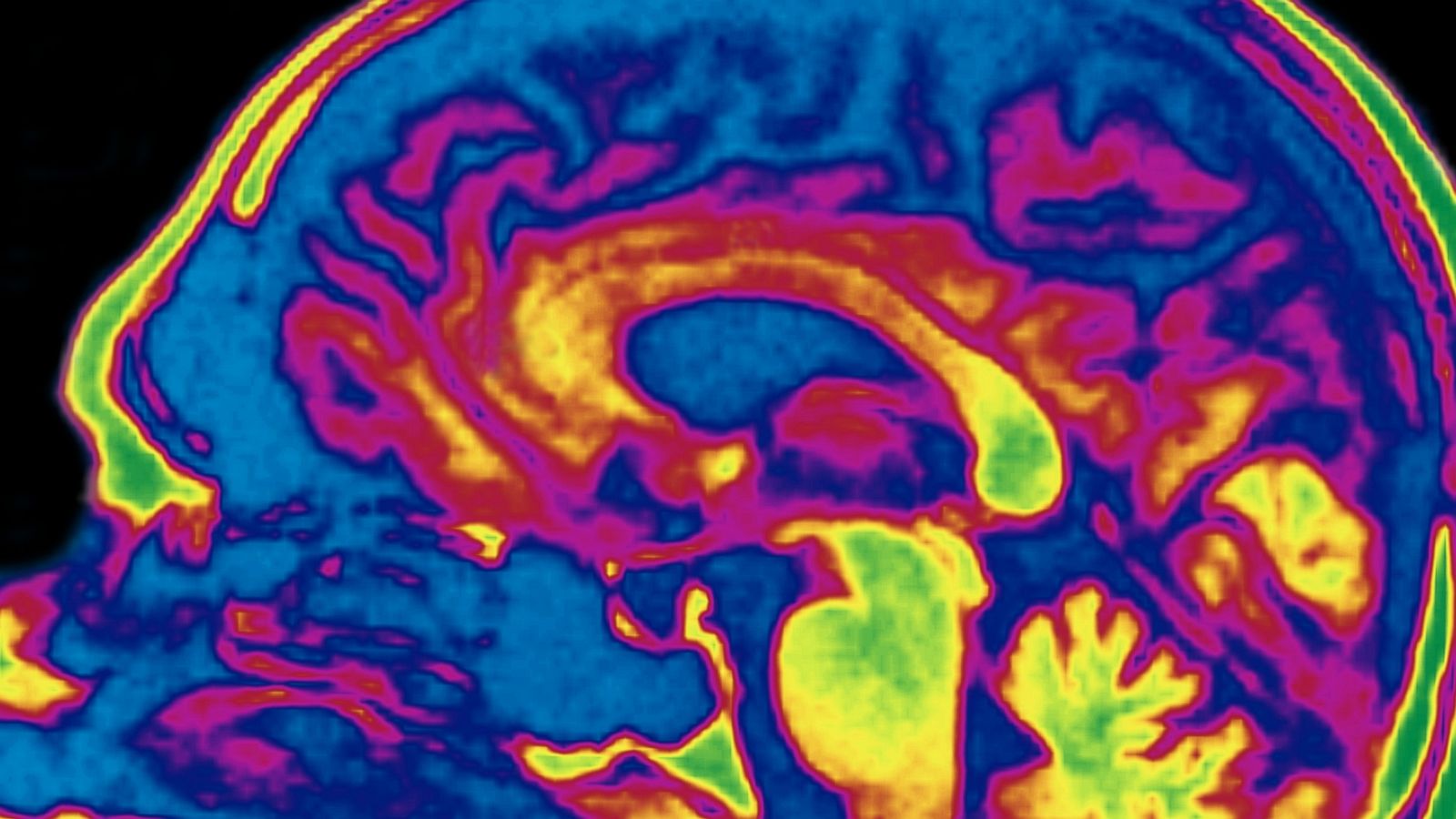
The primary reason we now understand the brain’s response to intimacy is the evolution of neuro-imaging hardware. Functional Magnetic Resonance Imaging (fMRI) and Positron Emission Tomography (PET) scans have become the gold standard in neuro-tech, allowing researchers to observe blood flow and oxygen consumption in the brain in real-time.
The Dopamine Rush and AI-Driven Data Analysis
At the heart of the brain’s response is the reward system, specifically the ventral tegmental area (VTA) and the nucleus accumbens. Through the use of advanced data-processing software, scientists can now quantify the exact volume of dopamine released during different stages of physical intimacy. AI algorithms are currently being trained to analyze these fMRI datasets to identify patterns that distinguish between physical sensation and emotional bonding.
This tech-driven analysis has revealed that the brain on sex looks remarkably similar to a brain on high-intensity stimulants. The dopamine flood effectively “re-wires” the brain’s prioritization list, a phenomenon that software models use to predict habit-forming behaviors. By utilizing machine learning, researchers can now map how these dopamine spikes interact with the prefrontal cortex—the area responsible for logic—explaining why high-intensity neural activity often leads to a temporary suspension of critical judgment.
Neuro-Imaging: Beyond the “O” Face
The technology has moved beyond simple observation. New “diffusion tensor imaging” (DTI) allows tech experts to see how white matter tracts—the brain’s communication cables—facilitate the lightning-fast transit of signals during a climax. When the brain reaches its peak, nearly 30 different modules of the brain activate simultaneously.
Sophisticated visualization software shows that the lateral orbitofrontal cortex, which is associated with self-control and social inhibition, essentially “shuts down.” This digital “blackout” in the software rendering explains the loss of self-consciousness. Without the hardware capable of capturing these millisecond-long shifts, our understanding of this neurological “reset” would remain purely theoretical.
Wearable Tech and the Quantified Self: Biometric Monitoring of Intimacy
The “Quantified Self” movement, which popularized fitness trackers and smartwatches, has moved into the realm of intimate wellness. Modern wearable gadgets are no longer limited to counting steps; they are now sophisticated biometric tools that measure Heart Rate Variability (HRV), galvanic skin response, and even neural oscillation.
From Heart Rate Variability to Neural Syncing
High-end wearable tech is now capable of tracking the parasympathetic nervous system’s response to physical touch. Data from these gadgets shows that intimacy triggers a massive release of oxytocin, often called the “bonding molecule.” Tech platforms integrated with these wearables allow users to track their “stress recovery” scores, showing that the neurological impact of sex often leads to a significant decrease in cortisol (the stress hormone) that can be measured for up to 24 hours post-event.
Furthermore, emerging “dual-wearable” tech is exploring neural syncing. This involves two sets of EEG (electroencephalogram) headbands that track whether the brainwaves of two individuals begin to oscillate at the same frequency during physical proximity. This tech-heavy approach to “chemistry” provides a digital blueprint for human connection, moving the conversation from romantic mystery to measurable data points.
The Ethical Dilemma of Intimate Data Security
As with all digital security trends, the rise of “sex-tech” and biometric monitoring brings significant risks. The data generated by these apps and gadgets is incredibly sensitive. As we map what sex does to the brain, we are simultaneously creating a digital footprint of an individual’s most private biological responses.

The industry is currently seeing a surge in “Privacy by Design” software architecture. Leading developers in the neuro-tech space are implementing end-to-end encryption and decentralized data storage (often utilizing blockchain technology) to ensure that a user’s neural profile remains private. The security of “brain data” is becoming a specialized niche within the broader digital security landscape, as hackers increasingly target the biometric databases of wellness apps.
AI and the Simulation of Neural States: VR and Beyond
Artificial Intelligence is not just analyzing existing brain data; it is being used to predict and simulate neural states. This has profound implications for therapeutic technology and the future of human-computer interaction.
Algorithmic Pleasure: Can AI Replicate Human Response?
One of the most ambitious trends in AI tools is the creation of neural digital twins. By feeding an AI model years of neuro-imaging data, researchers can simulate how a specific brain might react to various stimuli. This software is being used to develop treatments for anhedonia (the inability to feel pleasure). By understanding “what sex does to the brain” at a code level, developers are creating targeted neuro-stimulation protocols that use non-invasive hardware, like Transcranial Magnetic Stimulation (TMS), to “re-jumpstart” the brain’s reward circuits.
Virtual Reality and the Future of Sensory Integration
Virtual Reality (VR) is the primary gadget driving this simulation. High-end VR headsets are now being integrated with haptic suits that provide tactile feedback, creating a “closed-loop” system between the software and the user’s nervous system.
When a user engages with these immersive environments, the brain’s amygdala and hippocampus (the centers for emotion and memory) react as if the experience were physical. This “sensory hacking” is a testament to the brain’s plasticity. Tech reviews of these systems often highlight the “presence” factor—the moment the brain’s software accepts the digital input as physical reality. As VR hardware becomes more sophisticated, with 8K resolution and zero-latency tracking, the line between “digital” and “physical” neural responses is becoming increasingly blurred.
The Commercialization of Neuro-Wellness Tech and Bio-Hacking
The final frontier of this niche is the transition from clinical research to consumer products. A new wave of “Neuro-wellness” apps and gadgets is hitting the market, promising to help users “hack” their brain chemistry for better intimacy and mental health.
Bio-Hacking Brain Chemistry for Enhanced Connection
Software-driven bio-hacking is a major trend. Apps now exist that guide users through breathing exercises or “neuro-priming” routines designed to maximize the release of oxytocin and serotonin. These tools are often marketed as “brain training” for intimacy. By using a smartphone app to regulate the Autonomic Nervous System, users can technically “prepare” their brain for the neurological shifts that occur during sex, effectively using tech to optimize a biological process.
These apps often utilize “bio-feedback,” where the phone’s camera or an external sensor monitors blood flow in the fingertips to gauge the user’s state of relaxation. This is a direct application of the “what sex does to the brain” research, packaged into a user-friendly UI/UX for the mass market.
The Future of Neural-Link Interactivity
Looking toward the next decade, the ultimate goal for many in the tech space is direct Neural-Link interaction. Companies are already working on Brain-Computer Interfaces (BCIs) that could potentially allow for the digital transmission of sensory information.
While still in the “alpha” phase of development, the theory is that if we know exactly which neurons fire to create the sensation of pleasure or bonding, we can eventually create software that interfaces directly with those neurons. This would represent the ultimate convergence of tech and biology. We would no longer be asking what sex does to the brain; we would be programming the brain to experience those benefits through digital architecture.
Conclusion: The Digital Synthesis of Human Experience
Technology has moved from being a mere observer of human nature to a fundamental component of how we understand our own biology. By identifying the specific neural pathways, chemical cascades, and electrical surges that define the experience of sex, tech has provided us with a manual for the human brain.
Through fMRI hardware, AI-driven data analysis, and the growing field of biometric wearables, we have discovered that sex acts as a powerful “system update” for the brain—reducing stress, increasing neural plasticity, and strengthening the “wiring” of emotional bonds. As we continue to develop more advanced software and gadgets, the focus will shift from understanding these states to enhancing and protecting them. In the digital age, the brain is the ultimate hardware, and we are finally learning how to read the code.
aViewFromTheCave is a participant in the Amazon Services LLC Associates Program, an affiliate advertising program designed to provide a means for sites to earn advertising fees by advertising and linking to Amazon.com. Amazon, the Amazon logo, AmazonSupply, and the AmazonSupply logo are trademarks of Amazon.com, Inc. or its affiliates. As an Amazon Associate we earn affiliate commissions from qualifying purchases.