
In the competitive landscape of personal care and beauty, few products illustrate the power of lifestyle branding as effectively as sea salt spray. On the surface, the product is a deceptively simple mixture of water, sodium chloride, and perhaps a few conditioning agents. However, from a brand strategy perspective, sea salt spray is a masterclass in selling an aspiration rather than a utility. It represents the successful commodification of a natural experience—the “beach hair” look—and its translation into a multi-million dollar category within the global grooming market.

To understand what sea salt spray “does” to hair is to understand the intersection of chemistry and corporate identity. It is not merely a texturizer; it is a vehicle for a specific brand narrative that promises effortless cool, rugged masculinity, or bohemian elegance. This article explores how brand strategy, market positioning, and consumer psychology have combined to turn a simple saline solution into an indispensable tool for personal branding and corporate market dominance.
The Anatomy of a Niche: Engineering the “Effortless” Brand Identity
The success of any beauty product relies on its ability to solve a problem. For sea salt spray, the problem wasn’t just “flat hair”; it was the overly manicured, “try-hard” aesthetic of the late 20th century. Brands identified a growing consumer desire for authenticity and ruggedness. By positioning sea salt spray as the antithesis of stiff hairsprays and heavy gels, companies created a new niche: “Imperfect Perfection.”
From Coastal Subculture to Mainstream Luxury
In its early stages, the concept of “beach hair” was confined to coastal subcultures—surfers and travelers who naturally acquired texture from the ocean. Brand strategists recognized the untapped potential in this look, realizing that urban consumers would pay a premium to replicate the “just-off-the-beach” vibe without leaving the city. The transition from a subcultural byproduct to a shelf-stable luxury item required a shift in brand messaging. It wasn’t about the salt; it was about the freedom, the sun, and the lifestyle associated with the coast.
The Psychology of “Imperfect Perfection”
Modern branding often leverages “counter-culture” aesthetics to appeal to younger demographics. Sea salt spray thrives on this. Its primary brand promise is that it makes the hair look like it hasn’t been styled at all. This “studied nonchalance” is a powerful marketing tool. By selling a product that creates “messy” hair, brands are actually selling a high-status signal: the idea that the user is too busy living an adventurous life to spend hours in front of a mirror. This psychological positioning allows brands to charge luxury prices for relatively inexpensive ingredients.
Case Studies in Market Dominance: Leaders in the Sea Salt Space
To analyze the branding of sea salt spray, one must look at the pioneers who defined the category. These companies didn’t just release a product; they built an entire visual and emotional vocabulary around it.
Bumble and Bumble: The Pioneer of Texture
If there is a “patient zero” for the sea salt spray trend, it is Bumble and Bumble’s “Surf Spray.” Launched in 2001, it redefined the category. Their strategy was rooted in professional authority. By launching it through high-end salons and using it backstage at New York Fashion Week, they established the product as a “stylist’s secret.” Their branding avoided the kitschy beach tropes of the past, opting instead for a minimalist, editorial look that appealed to fashion insiders. This “prestige positioning” allowed them to maintain high margins and a cult-like following for over two decades.
Lush and the Ethos of Ingredient Transparency
On the opposite end of the spectrum is Lush, with products like “Sea Spray.” Their brand strategy focuses on “Ethical Beauty.” By highlighting the use of hand-harvested sea salt and fair-trade ingredients, Lush appeals to the “Conscious Consumer.” Their identity is built on transparency and the “handmade” feel. This approach demonstrates how the same product (salt spray) can be rebranded from an editorial fashion tool to an eco-friendly wellness product, reaching an entirely different market segment while maintaining the same core functionality.
Visual Identity and Packaging: Capturing the Ocean in a Bottle
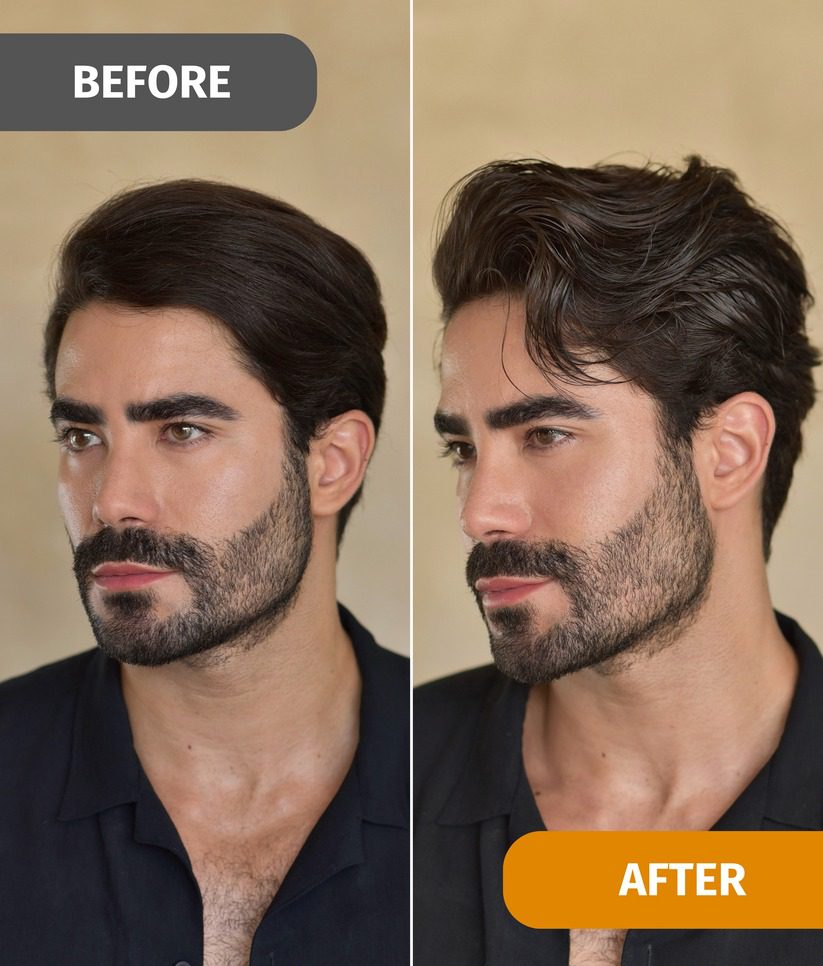
The physical design of a sea salt spray bottle is as important as the formula inside. Because the product is so closely tied to the sensory experience of the ocean, the packaging must evoke those same feelings through color, texture, and typography.
Minimalism and the “Clean Beauty” Aesthetic
In recent years, many brands have moved toward a minimalist “Clean Beauty” aesthetic. This involves matte-finish bottles in muted tones of seafoam green, slate blue, or sand beige. This design choice signals to the consumer that the product is “natural” and “pure,” even if it contains synthetic preservatives. This visual shorthand is essential for capturing the attention of Gen Z and Millennial consumers who value shelf-side aesthetics and “Instagrammable” packaging.
Tactile Branding: The Importance of Spray Mechanics and Texture
A brand’s identity is also communicated through the “user experience” (UX) of the physical product. For a sea salt spray, the “mist” is a branding element. A high-end brand will invest in a fine-mist nozzle that provides a luxurious, even distribution, whereas a budget brand might have a more aggressive, “wet” spray. Even the tactile feel of the bottle—whether it is frosted glass or recycled plastic—tells a story about the brand’s values and its price point. These sensory touchpoints reinforce the brand’s position in the market every time the consumer uses the product.
Personal Branding and the Influencer Ecosystem
The rise of social media has fundamentally changed how sea salt sprays are marketed. We are no longer in an era of top-down advertising; we are in an era of “Social Proof” and “Lifestyle Curation.” Sea salt spray has become a staple of personal branding for influencers across various niches.
The Role of UGC (User-Generated Content) in Scaling Beauty Brands
User-Generated Content (UGC) is the lifeblood of modern beauty branding. Brands like Byrd Hair or Oribe encourage users to post photos of their “effortless” waves. This creates a feedback loop where the consumer becomes an unpaid brand ambassador. By tagging a specific sea salt spray, the user is not just showing off their hair; they are aligning their personal brand with the values of the product—coolness, travel, and vitality.
Selling an Experience, Not Just a Product
The most successful brands in this space understand that they are selling an experience. Their Instagram feeds are not filled with product shots; they are filled with photos of Mediterranean cliffs, vintage surfboards, and sun-drenched coastal towns. This is “Experiential Branding.” By associating the sea salt spray with these high-value experiences, the brand becomes a gateway. Using the spray becomes a ritual that transports the user to the beach, regardless of whether they are in a high-rise office in London or a suburb in the Midwest.
The Future of Sea Salt Branding: Sustainability and Innovation
As the market reaches saturation, brand strategy must evolve to maintain relevance. The next frontier for sea salt spray is the integration of “Blue Beauty”—a focus on ocean conservation and sustainable sourcing.
Eco-Conscious Packaging as a Core Brand Value
Consumer loyalty is increasingly tied to a brand’s environmental footprint. Future leaders in the sea salt spray category will be those who transition to “Ocean Bound Plastic” packaging or refillable glass systems. For a product that draws its inspiration from the sea, a brand that fails to protect the ocean faces a significant “reputational risk.” Integrating sustainability into the brand’s core identity is no longer an option; it is a necessity for long-term viability.

Diversifying the Product Line: Hybrid Formulations
To stay competitive, brands are now moving toward “Hybrid Branding.” We are seeing the emergence of sea salt sprays infused with UV protection, scalp health ingredients, or high-end fragrances. This allows brands to justify “Premiumization”—charging more for a product that does more. By evolving the product from a simple texturizer to a multi-functional hair treatment, brands can capture a larger share of the consumer’s wallet while reinforcing their image as innovators in the hair care space.
In conclusion, what sea salt spray “does” to hair is secondary to what it “does” for the consumer’s identity. Through strategic branding, careful market positioning, and a deep understanding of aspirational lifestyles, companies have turned a simple saline solution into a powerful symbol of modern style. Whether it is through the lens of prestige, ethics, or effortless cool, the brand strategy behind sea salt spray remains one of the most successful examples of lifestyle marketing in the 21st century.
aViewFromTheCave is a participant in the Amazon Services LLC Associates Program, an affiliate advertising program designed to provide a means for sites to earn advertising fees by advertising and linking to Amazon.com. Amazon, the Amazon logo, AmazonSupply, and the AmazonSupply logo are trademarks of Amazon.com, Inc. or its affiliates. As an Amazon Associate we earn affiliate commissions from qualifying purchases.