
The “SE” suffix appended to certain iPhone models has been a consistent point of curiosity and speculation among consumers and tech enthusiasts alike. In an era where product names often aim for clarity or evoke grand visions, Apple, known for its minimalist approach, has maintained a subtle ambiguity around these two letters. While the company itself rarely offers explicit definitions for its product nomenclature, a thorough examination of the iPhone SE’s history, specifications, and market positioning reveals a coherent and strategic intent behind this seemingly enigmatic abbreviation. The “SE” isn’t merely a random designation; it signifies a deliberate approach by Apple to broaden its market appeal, offer cutting-edge performance at more accessible price points, and cater to specific user preferences within its vast ecosystem.

The Elusive Acronym: Decoding Apple’s “SE” Naming Convention
Apple’s product naming conventions are often a blend of descriptive terms and enigmatic suffixes. While “Pro” clearly denotes professional-grade features and “Max” implies a larger form factor, “SE” has always carried a more understated air. This ambiguity, intentional or otherwise, has contributed to its unique brand identity and cemented its status as a distinct offering within the iPhone lineup.
More Than Just Two Letters: A Legacy of Performance in a Compact Form
From its inception, the iPhone SE line has been characterized by a specific set of principles: delivering powerful, contemporary internals within a familiar, often smaller, and more cost-effective design. It represents a strategic reuse of proven industrial design combined with the latest silicon, creating a compelling value proposition. The “SE” iPhones are not just “entry-level” devices; they are specifically engineered to offer a high-performance Apple experience without the premium price tag typically associated with flagship models. This philosophy targets users who prioritize core functionality and performance over cutting-edge features like multi-lens camera systems, ProMotion displays, or LiDAR scanners, or those who simply prefer a more compact form factor.
The “Special Edition” Consensus: A Community-Driven Interpretation
While Apple has never officially confirmed what “SE” stands for, the overwhelming consensus among tech journalists, analysts, and the user community points towards “Special Edition.” This interpretation aligns perfectly with the device’s market positioning and historical context. The original iPhone SE, released in 2016, was indeed “special” – it brought the then-latest A9 chip into the beloved iPhone 5s body, a design many users were reluctant to let go of. It was a unique offering, a nostalgic nod combined with a performance punch, making it a “special” product for a particular segment of the market. This interpretation has carried through subsequent generations, where each SE model has continued to offer a “special” blend of new and old, premium and accessible.
Apple’s Own Ambiguity: Why Direct Answers Are Rare
Apple’s reluctance to explicitly define “SE” is consistent with its broader communication strategy. The company often prefers to let its products speak for themselves, focusing on the user experience and benefits rather than literal interpretations of nomenclature. This approach allows for a certain degree of flexibility and mystique. By not pinning down a definitive meaning, Apple maintains the ability to evolve the “SE” concept in future iterations without being constrained by a strict definition. It also allows consumers to imbue the name with their own interpretations, often reinforcing the idea of a uniquely valuable and carefully curated device. This strategic silence has, paradoxically, strengthened the “Special Edition” narrative by allowing it to become the de facto understanding.
The iPhone SE Lineage: A Timeline of Innovation and Value
The iPhone SE has carved out a significant niche, demonstrating Apple’s commitment to diverse market segments. Each generation has built upon the foundational principle of delivering robust performance in an accessible package, albeit with varying design philosophies.
The First Generation (2016): A Blast from the Past, a Leap for Many
The original iPhone SE, launched in March 2016, was a masterclass in strategic product design. It resurrected the beloved 4-inch form factor of the iPhone 5s, a design that many users found perfectly ergonomic and aesthetically pleasing. Crucially, it housed the powerful A9 chip, the same silicon found in the flagship iPhone 6s and 6s Plus. This combination offered uncompromising performance, a high-quality camera (identical to the 6s), and access to the latest iOS features, all at a significantly lower price point than its contemporary flagships. It was an instant hit among users who wanted modern power without the larger screens or premium price tags, effectively catering to those who felt left behind by the increasing size of mainstream iPhones. It also served as an excellent entry point into the Apple ecosystem for budget-conscious consumers.
The Second Generation (2020): Modern Power, Classic Form Factor
After a four-year hiatus, the second-generation iPhone SE arrived in April 2020, taking a different design approach. This time, Apple opted for the iPhone 8’s 4.7-inch design, complete with the physical Home button and Touch ID, a feature still preferred by many. Internally, it was powered by the formidable A13 Bionic chip, the same processor that drove the iPhone 11 and 11 Pro series. This again showcased the “SE” philosophy: current-generation performance in an older, more established, and therefore more cost-effective chassis. It brought flagship-level speed, advanced camera capabilities (albeit with a single lens), and years of software support to a much broader audience, especially vital during the economic uncertainties of the pandemic. Its compact size also continued to appeal to a segment of the market that eschewed larger, bezel-less displays.
The Third Generation (2022): 5G for the Masses, Enduring Appeal
The latest iteration, the third-generation iPhone SE, launched in March 2022, continued the tradition of leveraging the iPhone 8 design while upgrading its internal components significantly. The headline feature was the inclusion of the A15 Bionic chip, making it as powerful as the iPhone 13 lineup, and critically, adding 5G connectivity. This move was strategic, positioning the iPhone SE as Apple’s most affordable 5G-capable smartphone, accelerating the transition to the new network standard for a wider user base. It maintained the relatively small size and Touch ID for those who prefer it, while delivering exceptional performance and longevity. The third-gen SE reinforces the idea that “Special Edition” means bringing cutting-edge core technologies, like Apple’s latest silicon and advanced connectivity, to a highly accessible price point and a beloved, familiar design.
Why “SE” Matters: Apple’s Strategic Market Positioning
The existence and consistent evolution of the iPhone SE line are testaments to Apple’s sophisticated understanding of market dynamics and consumer segmentation. It’s not just about selling more phones; it’s about strategic placement and ecosystem expansion.
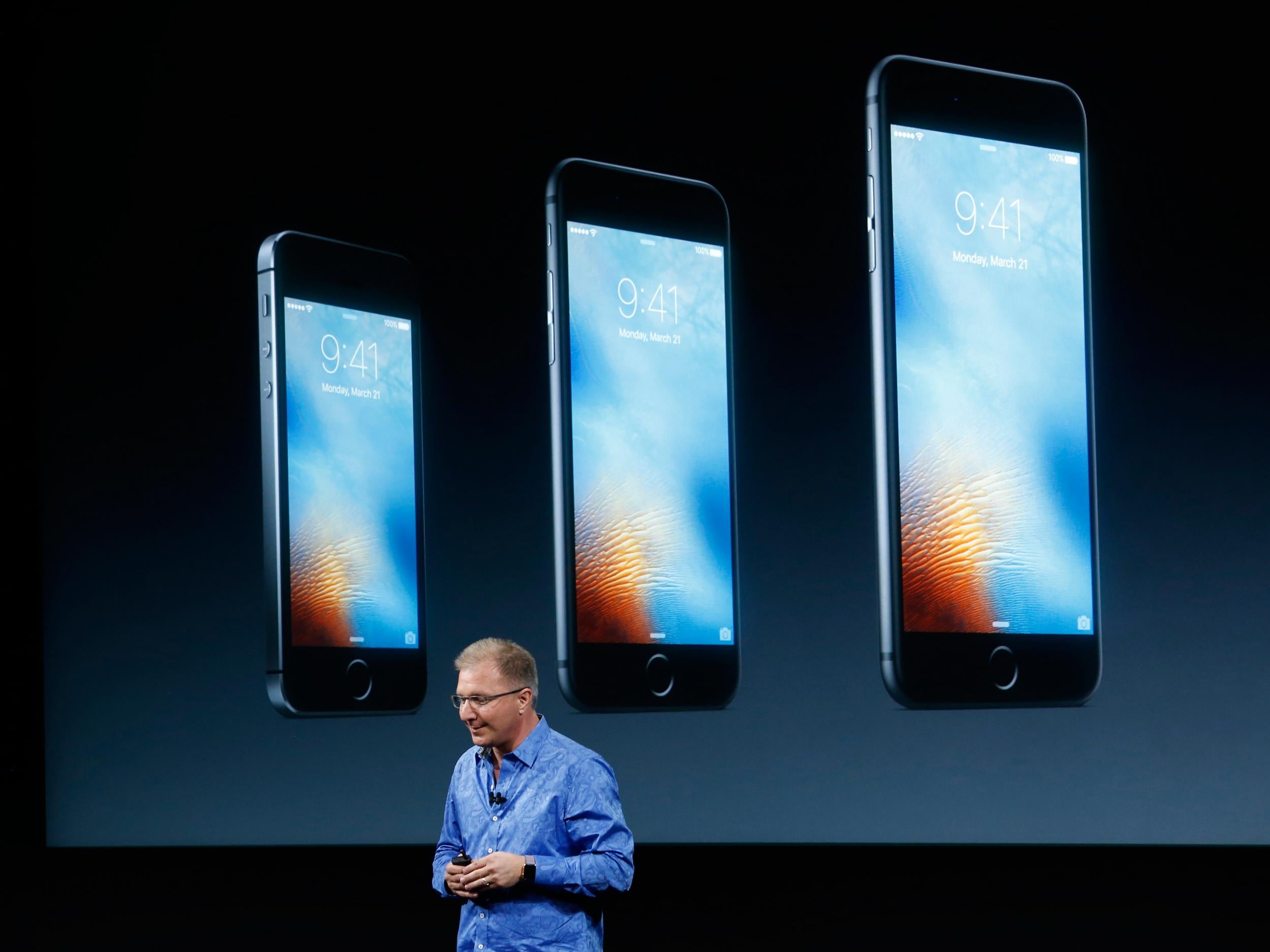
Bridging the Price Gap: Affordability Meets Apple Ecosystem
Perhaps the most crucial role of the iPhone SE is its function as a bridge. It allows Apple to offer a genuine iPhone experience at a price point significantly lower than its flagship models, typically starting around half the cost. This opens the door to the Apple ecosystem for millions of consumers globally who might otherwise be priced out. By offering an affordable entry, Apple not only gains new users but also potential future customers for its services (Apple Music, iCloud, App Store) and other hardware products (Apple Watch, AirPods). It effectively broadens the funnel, ensuring that even budget-conscious buyers can experience the quality and security synonymous with the Apple brand.
Appealing to Diverse Tastes: The Niche for Compact Devices
In an industry increasingly dominated by large-screen smartphones, the iPhone SE stands out by largely catering to the demand for more compact devices. While the 2nd and 3rd gen SE are larger than the original, they are still considerably smaller than the Pro Max models and even the standard iPhone line. Many users find smaller phones more comfortable to hold, easier to operate with one hand, and more convenient to carry. The SE line directly addresses this niche, demonstrating Apple’s commitment to not alienating a significant portion of its user base who prioritize ergonomics and portability over expansive screen real estate. This strategic differentiation helps Apple maintain a broader appeal than if it exclusively focused on flagship-sized devices.
Extending Product Lifecycles: Repurposing Proven Designs and Components
From a business perspective, the iPhone SE is also a masterclass in efficiency and sustainability. By reusing established industrial designs (iPhone 5s body, iPhone 8 body), Apple significantly reduces research and development costs associated with completely new hardware. This allows them to allocate resources to developing the cutting-edge chips and software that form the core of the SE’s value proposition. Furthermore, leveraging proven designs helps streamline manufacturing and supply chains, contributing to the lower production cost that enables its accessible price point. This strategy not only benefits the consumer but also makes the SE line a highly profitable venture for Apple, maximizing the return on investment from older designs.
The “SE” Philosophy: Performance, Affordability, and Longevity
At its heart, the iPhone SE embodies a distinct philosophy that prioritizes core performance and long-term usability over bleeding-edge, potentially superfluous, features for a certain segment of the market.
Flagship Chips, Mid-Range Price: The Core Value Proposition
The defining characteristic of every iPhone SE model has been its inclusion of Apple’s latest or near-latest A-series Bionic chip, delivering flagship-level processing power. This means that despite its lower price point and older design, an iPhone SE user experiences the same lightning-fast app launches, smooth multitasking, and robust gaming performance as someone with a much more expensive flagship iPhone. This strategy is critical: it ensures that “affordable” doesn’t mean “compromised performance” when it comes to the most fundamental aspects of a smartphone. It’s a testament to Apple’s silicon prowess that they can democratize this level of computing power.
The Compromises and Benefits: What Users Gain and What They Forego
While the SE offers incredible value, it naturally involves certain compromises, which are essential to its lower price. Typically, these include an older LCD display technology (rather than OLED), a single-lens camera system (lacking ultrawide or telephoto), thicker bezels, and a physical Home button with Touch ID instead of Face ID. Battery life, while generally good for its size, may also not match the larger capacities of flagship models.
However, the benefits often outweigh these compromises for its target audience. Users gain a highly reliable and fast phone, access to the entire Apple ecosystem, consistent software updates for many years, excellent security, and often a more pocketable form factor, all at a fraction of the cost of a Pro model. For many, these trade-offs are entirely acceptable, making the SE an incredibly compelling device.
The Future of the SE Line: Evolving in a Saturated Market
The future of the iPhone SE line remains a topic of considerable interest. As the smartphone market matures and competition intensifies, Apple will continue to refine its strategy. Rumors often circulate about a potential design overhaul for future SE models, possibly adopting a more modern, edge-to-edge display similar to the iPhone XR or iPhone 11. Regardless of the specific design choices, it’s highly probable that the core “SE” philosophy will persist: offering a powerful, reliable, and affordable entry point to the Apple ecosystem, catering to specific user preferences for size and value, and continuing to leverage Apple’s silicon advantage. The SE is a vital part of Apple’s product matrix, ensuring broad accessibility and sustaining user loyalty.
Beyond the “SE”: Other Apple Naming Conventions and Their Meanings
While “SE” has its unique place, it’s worth briefly considering other common suffixes Apple employs, as they collectively form a coherent product hierarchy.
“Pro,” “Max,” “Mini”: Understanding the Hierarchy
-
Pro: Denotes professional-grade features, often including advanced camera systems (ProRes video, LiDAR scanner), higher-refresh-rate displays (ProMotion), and more premium materials. It signifies the absolute best Apple has to offer in that product category.
-
Max: Indicates the largest screen size and often the longest battery life within a given generation, usually paired with the “Pro” moniker (e.g., iPhone 15 Pro Max).
-
Mini: Signified a smaller, more compact version of the flagship phone, often mirroring its features but in a reduced form factor (e.g., iPhone 13 Mini). While the Mini line has been discontinued for new flagships, its brief existence highlighted Apple’s willingness to cater to varied size preferences.

The Art of Subtlety: How Apple Communicates Product Value Without Words
Apple’s naming strategy, including the nuanced “SE,” reflects a broader brand philosophy. It’s about more than just literal definitions; it’s about conveying a sense of curated value, intentional design, and a clear hierarchy without resorting to overly technical jargon. Each suffix, whether “Pro,” “Max,” or “SE,” communicates a distinct value proposition and target audience, allowing consumers to intuitively understand where each product fits within the broader ecosystem. This subtlety is a hallmark of Apple’s marketing and product development, making the “SE” not just two letters, but a symbol of a strategic and enduring part of the iPhone narrative.
aViewFromTheCave is a participant in the Amazon Services LLC Associates Program, an affiliate advertising program designed to provide a means for sites to earn advertising fees by advertising and linking to Amazon.com. Amazon, the Amazon logo, AmazonSupply, and the AmazonSupply logo are trademarks of Amazon.com, Inc. or its affiliates. As an Amazon Associate we earn affiliate commissions from qualifying purchases.