
The ancient texts offer a profound framework for understanding professional life, shifting the perspective of work from a mundane necessity to a purposeful activity. In a modern economy driven by productivity metrics and competitive margins, the scriptural approach to labor provides a stabilizing foundation. By examining these timeless principles, professionals can cultivate a career that aligns with core values, fostering both personal satisfaction and sustainable economic success.
Work as a Foundation of Purpose and Stewardship
Scripture frames work not as a consequence of modern industrialization, but as an inherent component of the human experience. It presents labor as a primary vehicle for contributing to the collective good and exercising responsibility over the resources entrusted to an individual.
The Principle of Diligence and Excellence
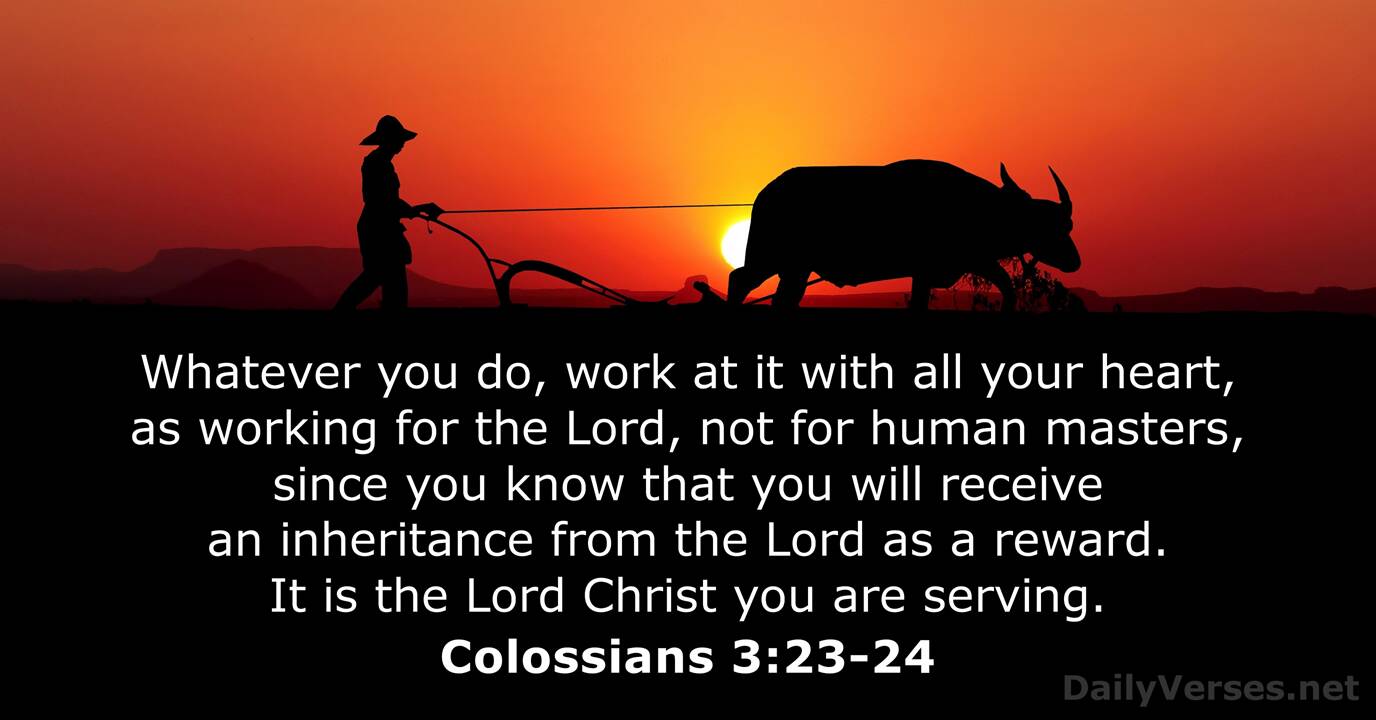
A recurring theme in the literature is the call to excellence. Whether an individual is managing a corporate department, running a small business, or executing technical tasks, the quality of work is viewed as a reflection of personal integrity. Diligence is lauded as the precursor to stability and success. By approaching tasks with a high standard of precision, one builds a reputation of reliability—an essential asset in any marketplace. This commitment to “doing one’s best” serves as a benchmark for professional development, ensuring that every project is treated as an opportunity for growth rather than a mere obligation.
Stewardship of Talents and Assets
The concept of stewardship suggests that one’s skills, intellectual capital, and financial resources are assets to be managed wisely. This perspective transforms the workplace into a theater for responsible leadership. Professionals who view themselves as stewards of their time and resources tend to make more sustainable long-term decisions. Rather than chasing short-term gains at the expense of ethical standards, a steward evaluates the broader impact of their labor. This mindset is particularly relevant for entrepreneurs and managers, as it encourages the cultivation of environments where employees feel valued and resources are allocated with foresight.
The Integration of Ethics and Economic Flourishing
For those navigating the complexities of business finance and corporate strategy, the alignment of ethical conduct with economic growth is a central challenge. Scripture offers a distinct pathway, suggesting that true prosperity is inextricably linked to fair dealing and the welfare of the community.
Integrity in Transactions
Fairness in trade is emphasized as the bedrock of a healthy economy. The prohibition against dishonest weights and measures—a metaphor for modern transparency—is a call for radical honesty in business operations. In a world of marketing spin and opaque contractual obligations, the brand that prioritizes truth often gains a competitive advantage. Clients and partners gravitate toward organizations that demonstrate consistency between their promises and their delivery. By anchoring business strategy in clear, ethical boundaries, leaders protect their brand equity and ensure the longevity of their commercial endeavors.
Work-Life Balance and the Rhythm of Rest
One of the most counter-cultural concepts in scripture is the mandate for periods of intentional rest. In a fast-paced digital economy, the temptation to engage in constant activity is overwhelming. However, the cyclical nature of productivity—work followed by rest—is presented as essential for sustained high performance. This is not merely a break from labor; it is a strategic pause that allows for reflection, innovation, and recovery. Organizations that respect this rhythm often find that their teams are more creative, less prone to burnout, and more committed to their organizational mission. Recognizing that work is a part of life, but not the entirety of it, is a critical component of professional maturity.
Navigating Career Transitions and Financial Security
Financial stability is a common objective for most professionals, and the biblical view on money is deeply practical. It encourages a proactive approach to resource management while cautioning against the obsession with material gain as the sole motivator for labor.
The Wisdom of Planning and Risk Assessment
Scripture consistently speaks to the value of foresight. Planning is not described as a lack of faith, but as a hallmark of wisdom. Whether one is investing in the stock market, managing a household budget, or launching a side hustle, careful deliberation is recommended. “Counting the cost” before undertaking a venture is a principle that echoes modern financial planning. It encourages professionals to conduct rigorous market research, build emergency reserves, and understand the potential risks associated with their career path. By mitigating impulsive financial decisions, individuals can build a secure foundation that allows for greater freedom to pursue meaningful work.
Generosity as a Business Strategy
Perhaps the most distinctive element of this worldview is the elevation of generosity. Far from being a drain on financial resources, generosity is viewed as an investment in a thriving social ecosystem. For businesses, this translates into corporate social responsibility and community engagement. By contributing to the growth of others, whether through mentorship, philanthropic initiatives, or fair wages, an organization secures its place within the market. This creates a cycle of goodwill that often results in stronger brand loyalty and more resilient customer relationships. Financial prosperity, in this framework, is not meant to be hoarded but circulated to foster further innovation and community stability.
Fostering a Culture of Collaborative Labor
Work is rarely a solo endeavor. The scriptural narrative places a high premium on community, emphasizing that collective labor is more effective than individual effort. This has significant implications for team dynamics, corporate culture, and organizational structure.
The Value of Teamwork and Mentorship
The metaphor of the “body” working together, where each part has a unique function, is a powerful illustration of modern organizational structure. Every role, from the administrative assistant to the CEO, is vital to the success of the whole. Recognizing the inherent value of every team member fosters a culture of mutual respect and cooperation. Furthermore, the commitment to mentorship—investing in the next generation of talent—ensures the long-term success of an enterprise. By prioritizing the growth of others, leaders create a legacy that extends beyond their own tenure, strengthening the entire industry.
Resolving Conflict and Sustaining Partnerships
Conflict is an inevitable byproduct of diverse perspectives in the workplace. Scripture provides a roadmap for conflict resolution that focuses on humility, active listening, and the pursuit of reconciliation. In business negotiations, this means seeking “win-win” outcomes rather than zero-sum battles. By prioritizing the relationship over the immediate gain, professionals can maintain long-term partnerships that yield greater dividends than individual victories ever could. The ability to navigate disagreements with grace is a rare and highly sought-after professional skill that distinguishes effective leaders from those who merely occupy positions of power.

Conclusion: The Holistic Professional
Ultimately, the scriptural perspective on work invites individuals to adopt a holistic approach to their careers. It challenges the modern tendency to compartmentalize faith, ethics, and finance. Instead, it suggests that every spreadsheet, every meeting, and every business deal is an opportunity to express excellence, practice stewardship, and build a legacy of service.
When work is viewed through this lens, it transcends the pursuit of a paycheck. It becomes an act of contribution. By prioritizing integrity, embracing the necessity of rest, planning for the future with wisdom, and fostering a spirit of generosity, professionals can find deep satisfaction in their labor. This approach not only aids in achieving financial success but also ensures that the individual remains anchored in values that endure beyond the current market cycle. As the global economy continues to evolve, these ancient principles remain remarkably relevant, providing the guidance needed to build sustainable, ethical, and meaningful professional lives.
aViewFromTheCave is a participant in the Amazon Services LLC Associates Program, an affiliate advertising program designed to provide a means for sites to earn advertising fees by advertising and linking to Amazon.com. Amazon, the Amazon logo, AmazonSupply, and the AmazonSupply logo are trademarks of Amazon.com, Inc. or its affiliates. As an Amazon Associate we earn affiliate commissions from qualifying purchases.