
The culinary world, much like the tech industry, is brimming with specialized jargon. In baking, understanding these terms is crucial for success, transforming a recipe from a set of cryptic instructions into a predictable and achievable outcome. One such term that often surfaces, particularly in older or more traditional recipes, is “scant.” While seemingly straightforward, its precise meaning and application can be a source of confusion for home bakers. This article delves into the nuances of “scant” in baking, exploring its historical context, practical implications, and how to accurately interpret and implement it for optimal results.

The Nuances of Measurement: Precision vs. Approximation in Baking
Baking is often described as a science, and for good reason. Unlike cooking, where ingredients can be adjusted on the fly based on taste and smell, baking relies on precise ratios of ingredients to achieve a desired chemical reaction and textural outcome. This precision is largely achieved through accurate measurement. However, the concept of “scant” introduces a layer of interpretation that can seem contradictory to this scientific approach.
Historical Roots of “Scant” in Recipe Writing
The term “scant” often appears in recipes passed down through generations, or those written in an era before standardized measuring tools were as ubiquitous or as finely calibrated as they are today. In a time when bakers might have relied on less precise kitchen implements, or even had to eyeball quantities, terms like “scant” served as a guide for a slightly reduced measure. It implied a quantity that was almost a full measure but not quite. This could be due to several factors:
- Ingredient Consistency: Different flours, sugars, or fats can pack differently into a measuring cup. A “scant” measurement might have been a way to account for variations in density, ensuring a slightly less potent flavor or a lighter texture.
- Desired Outcome: Some recipes were intentionally designed to yield a less intensely sweet or rich product. A “scant” measure of sugar or fat would naturally reduce the overall sweetness or richness of the finished baked good.
- Availability of Ingredients: In times of scarcity, bakers might have been taught to use slightly less of a precious ingredient, and “scant” could have been a coded instruction for this.
- Aesthetic Preferences: Certain textures or appearances might have been favored, and a “scant” measurement could have contributed to achieving that specific aesthetic. For instance, a scant amount of liquid might prevent a dough from becoming too sticky or a batter from becoming too thin.
The Modern Interpretation of “Scant”: Bridging the Gap
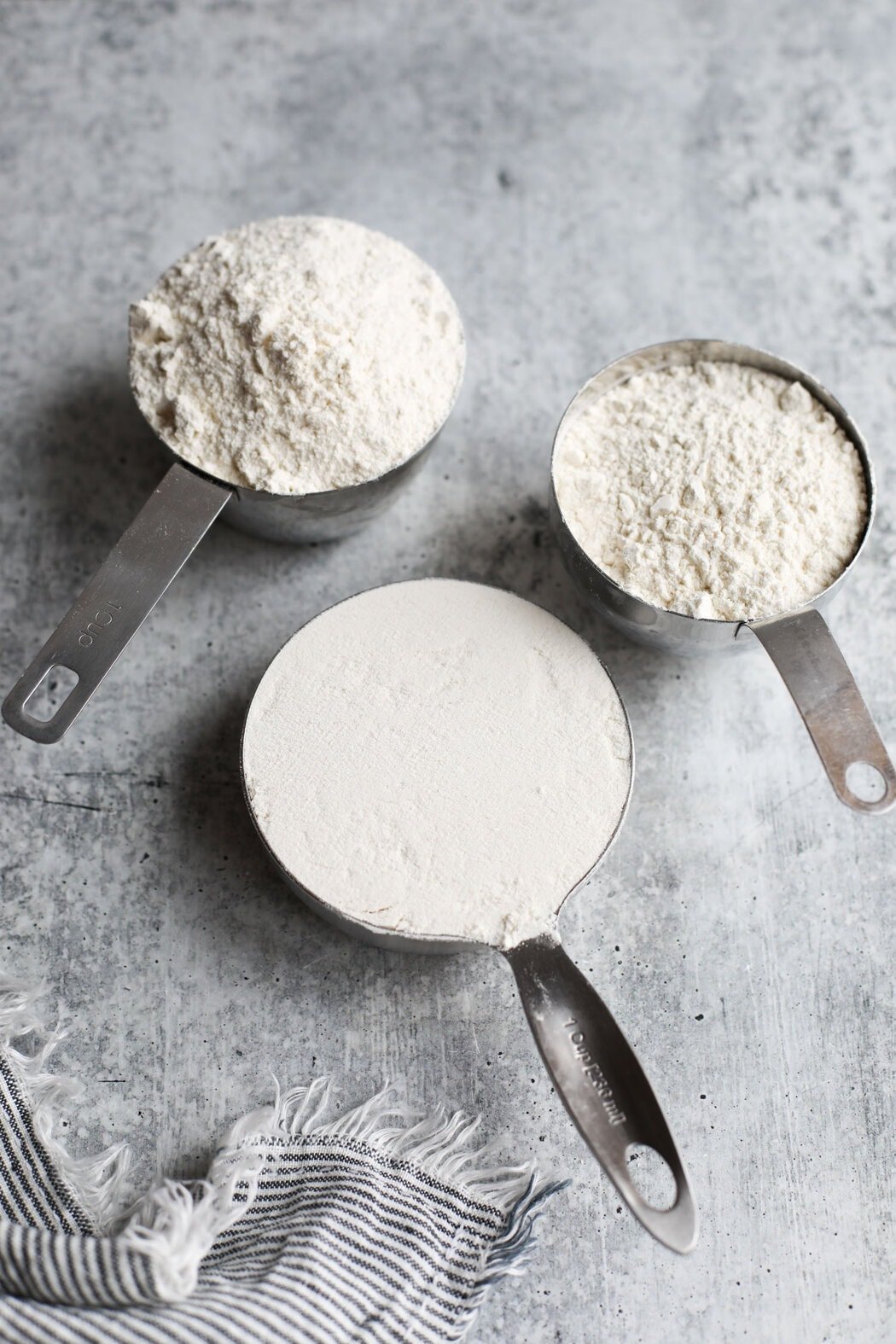
In contemporary baking, with the widespread availability of accurate measuring cups, spoons, and digital scales, the instruction “scant” can be a point of contention. Does it mean a fraction of a teaspoon less? A quarter cup short? The most widely accepted interpretation of “scant” in modern baking is to fill the measuring tool almost to the brim, leaving a small, visible gap. It’s not about subtracting a specific, measured amount from a full cup; it’s about not quite reaching the top.
Consider this analogy: If a recipe calls for a “heaping” cup of something, you fill the cup generously and allow some to pile over the top. A “level” cup means you fill it to the brim and then sweep off the excess. A “scant” cup falls somewhere between a level cup and slightly less than a level cup. It’s a visual cue that signals a reduction in quantity, but the exact amount is left to the baker’s judgment and understanding of the ingredient’s role in the recipe.
Practical Applications of “Scant” Measurements in Baking
The practical implications of using a “scant” measurement are directly tied to the ingredient being measured and its function within the recipe. Understanding these functions helps bakers decide how scant to be.
Impact on Dry Ingredients: Flour, Sugar, and Leavening Agents
When “scant” is applied to dry ingredients like flour, sugar, or leavening agents (baking soda, baking powder), it generally leads to a less dense, less sweet, or less potent result.
- Flour: A scant cup of flour will result in a lighter, more tender baked good. Too much flour is a common culprit behind dry, tough cakes and cookies. Using a scant measure can help prevent this, especially if the flour is prone to absorbing a lot of moisture or if the recipe already has a high flour-to-liquid ratio. This is particularly relevant for delicate pastries or cakes where a crumbly texture is desired.
- Sugar: A scant cup of sugar will reduce the overall sweetness of the final product. This can be beneficial in recipes where the sweetness is meant to be balanced by other flavors, such as tart fruits or bitter chocolate. It can also help achieve a less cloying texture. For recipes where you’re aiming for a more subtle sweetness or a less pronounced caramelized crust, a scant measure might be preferred.
- Leavening Agents: This is where “scant” can be most critical. A scant amount of baking soda or baking powder can prevent a baked good from rising too much, leading to a collapsed structure or an unpleasant soapy taste from too much leavening. Conversely, if a recipe intends for a very specific, subtle rise, a scant measure might be employed to control this. However, for leavening agents, it’s often more accurate to use the precise measurement as indicated, as their impact on texture and rise is highly calibrated. If a recipe calls for a scant measure of a leavening agent, it’s often because the other ingredients in the recipe will already promote a significant rise, or the desired texture is more dense.
Impact on Wet Ingredients: Liquids and Fats

When “scant” is applied to liquid ingredients like milk, water, or oil, or to fats like butter or shortening, it affects the moisture content, richness, and binding properties of the batter or dough.
- Liquids: A scant measure of liquid will result in a thicker batter or a drier dough. This can be intentional, for example, in recipes for certain types of cookies that are meant to spread less, or in rustic breads where a drier dough is easier to handle. Overly wet batters can lead to baked goods that are gummy, greasy, or don’t hold their shape. A scant measurement can help avoid these pitfalls.
- Fats: A scant measure of fat will reduce the richness, tenderness, and moisture of the final product. Fats coat flour particles, inhibiting gluten development, which leads to tenderness. They also contribute to moisture and a pleasant mouthfeel. Using a scant measure of fat can create a crisper, drier, or less rich baked good. This might be desirable for certain cookies or pastries where a delicate crispness is prioritized over a rich, moist crumb.
Mastering the “Scant” Measurement: Tips for Success
Interpreting and accurately implementing a “scant” measurement requires a bit of intuition and an understanding of baking principles. Here are some tips to help you master this nuanced instruction:
Visual Cues and Tools for “Scant”
The key to a “scant” measurement is visual. When measuring a dry ingredient, fill your measuring cup or spoon until it’s about 80-90% full. You should be able to see a noticeable gap between the top of the ingredient and the rim of the cup. For liquids, aim to fill the measuring cup until you can see the surface of the liquid clearly below the brim.
If you are using a set of measuring spoons, a “scant” tablespoon would mean filling the spoon to about 2.5 to 3 teaspoons instead of the full 3 teaspoons. For a “scant” teaspoon, aim for about 0.75 to 0.9 of a teaspoon.
When in doubt, err on the side of slightly less rather than too much. It’s generally easier to add a little more of a dry ingredient if a batter seems too wet, but it’s much harder to correct a batter that’s too dry or a dough that’s too stiff.
Understanding the Ingredient’s Role and Recipe Context
The most crucial aspect of interpreting “scant” is to consider the ingredient it refers to and its function within the overall recipe.
- For cakes and delicate pastries: Where tenderness and a light crumb are paramount, a scant measure of flour or fat can be highly beneficial.
- For chewy cookies: A scant measure of sugar might be desired to prevent excessive spreading and a overly sweet result, allowing the cookie to retain a desirable chewy texture.
- For breads: A scant measure of liquid might be specified if the flour is known to be very absorbent, or if a particular crusty texture is the goal.
- For recipes with strong flavors: A scant measure of sugar or fat might be used to ensure those strong flavors are not overpowered.
If you are an experienced baker, you will likely develop an intuition for what a “scant” measurement looks and feels like for different ingredients. If you are new to baking, it’s helpful to look at the overall ingredient ratios in the recipe. If there are already a lot of liquids or fats relative to dry ingredients, a “scant” measurement for one of them might be intended to balance the recipe.
When to Stick to the Exact Measurement
While “scant” offers flexibility, there are times when adhering to the exact measurement is essential. This is particularly true for:
- Leavening agents: As mentioned, baking soda and baking powder are potent. Deviating even slightly can significantly impact the rise and flavor. If a recipe calls for a specific amount of leavening, use that amount precisely.
- Recipes from reputable modern sources: Most contemporary recipes from well-tested sources will provide precise measurements, assuming the use of standard measuring tools. If a modern recipe uses “scant,” it’s likely a deliberate choice to achieve a specific result that may differ from a standard version of that baked good.
- When using a digital scale: If you are weighing your ingredients, the concept of “scant” becomes less relevant. Weighing provides the most accurate measurement. If a recipe calls for a “scant” cup of flour, you would weigh the amount that corresponds to a slightly less-than-level cup. This requires a bit of prior knowledge or experimentation to determine the exact weight.
In conclusion, the term “scant” in baking is a delightful relic of a time when precision was achieved through experience and visual cues. While it can seem ambiguous in our age of digital scales and standardized measuring tools, understanding its historical context and practical implications empowers bakers to interpret these instructions with greater accuracy. By paying attention to the ingredient, its role in the recipe, and employing visual cues, home bakers can confidently navigate “scant” measurements, ensuring delicious and successful results every time. It’s a reminder that even in the science of baking, there’s room for a touch of art and intuitive understanding.
aViewFromTheCave is a participant in the Amazon Services LLC Associates Program, an affiliate advertising program designed to provide a means for sites to earn advertising fees by advertising and linking to Amazon.com. Amazon, the Amazon logo, AmazonSupply, and the AmazonSupply logo are trademarks of Amazon.com, Inc. or its affiliates. As an Amazon Associate we earn affiliate commissions from qualifying purchases.