
In the lexicon of global branding, few phrases carry as much weight, romance, or commercial utility as Rive Gauche. Translated literally as the “Left Bank”—referring to the southern bank of the Seine in Paris—the term has transcended its geographical origins to become a powerhouse of brand identity. It represents a pivot point in history where bohemian intellectualism met high-end commerce. Understanding the “Rive Gauche” concept is essential for any brand strategist or business leader, as it serves as a masterclass in how to leverage cultural heritage, exclusivity, and aspirational positioning to build a timeless corporate identity.
The Cultural Archetype of the Left Bank
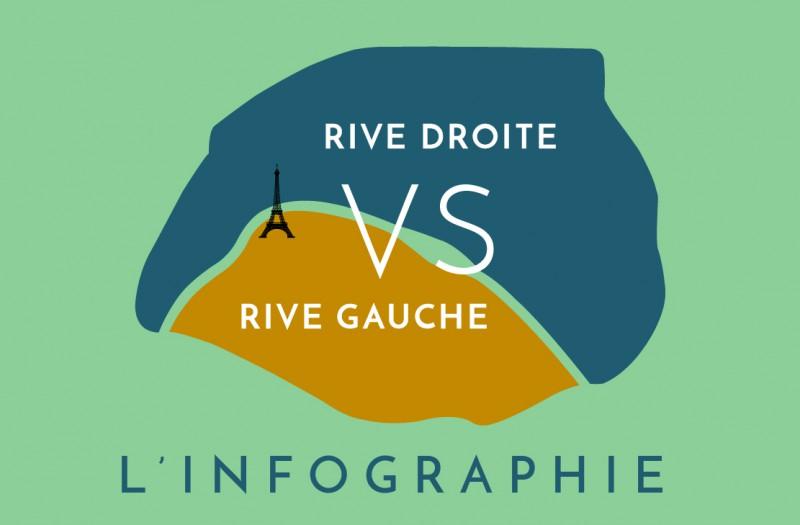
To understand why brands clamor to associate themselves with the Rive Gauche, one must first identify the psychological space it occupies. Historically, while the Rive Droite (Right Bank) was the seat of power, finance, and royal administration, the Rive Gauche became the epicenter of the intellectual avant-garde. It was the home of philosophers, writers, and artists—from Hemingway to Sartre—who cultivated a brand of “effortless cool.”
Establishing Intellectual Authority
From a brand strategy perspective, the Left Bank is synonymous with disruption. It is the birthplace of the counter-culture movement that eventually dictates mainstream trends. When a brand adopts the Rive Gauche moniker, it is not merely claiming a location; it is adopting an ethos of rebellion against the status quo. In modern marketing, this is the “challenger brand” archetype. By positioning a product as “Rive Gauche,” a company signals that its core values lie in artistic integrity and creative exploration rather than mass-market homogeneity.
Creating a Narrative of Authenticity
Authenticity is the currency of the modern consumer economy. The Rive Gauche aesthetic is curated to look organic and lived-in. It avoids the polished, sterile perfection of corporate-centric design in favor of something that feels earned through history. Brands that tap into this archetype successfully allow their customers to feel as though they are part of a secret society of tastemakers, turning a simple purchase into a badge of cultural fluency.
Yves Saint Laurent and the Commercialization of Bohemia
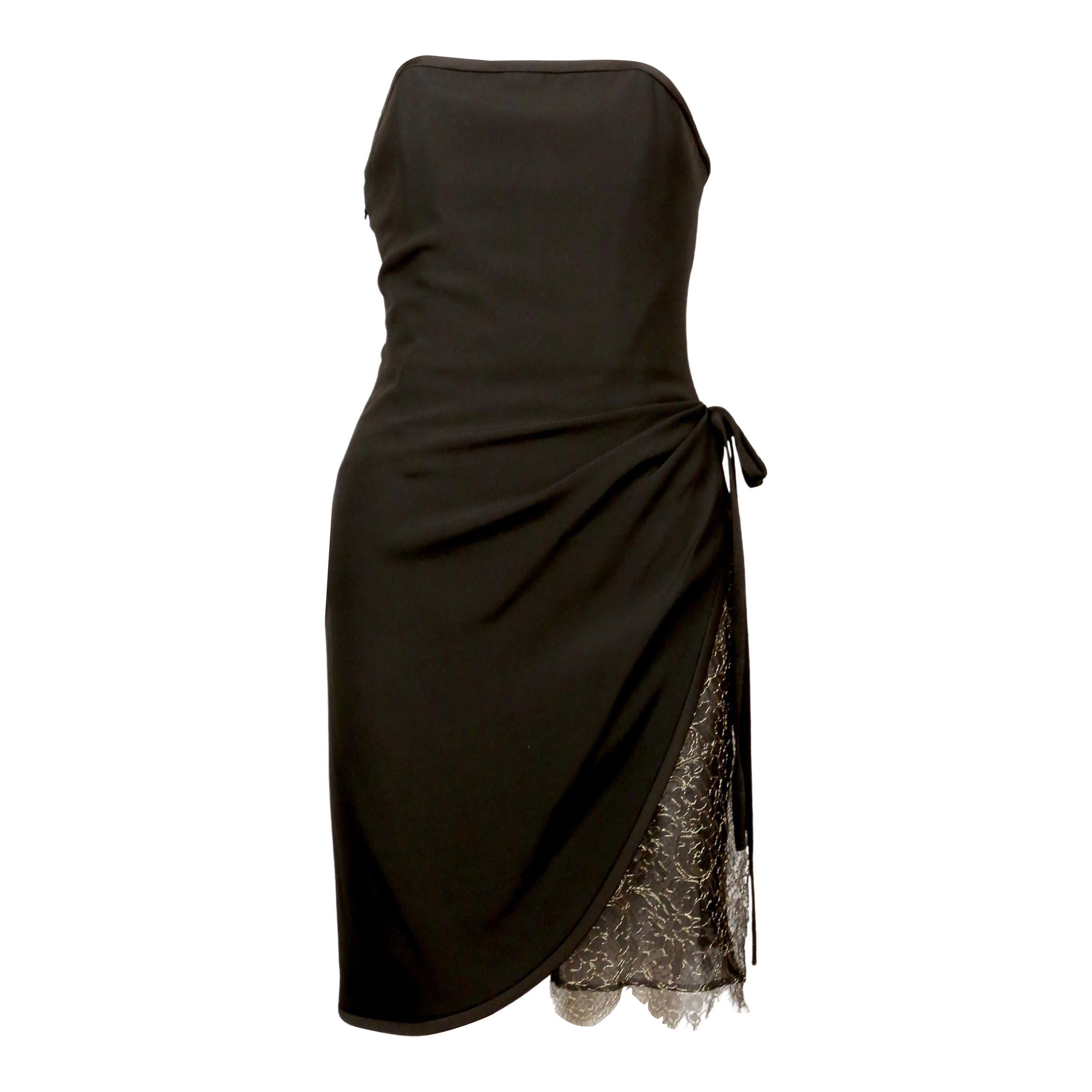
The most potent case study in the brand application of this concept is Yves Saint Laurent’s Rive Gauche line, launched in 1966. Before this moment, the luxury fashion industry was bifurcated into rigid categories: high-end, bespoke haute couture that only the elite could afford, and mass-market department store clothing that lacked soul. Saint Laurent shattered this binary.
Disrupting the Market Status Quo
By naming his ready-to-wear line Rive Gauche, Saint Laurent performed a brilliant feat of brand positioning. He democratized luxury by moving it away from the stuffy, aristocratic atmosphere of the Right Bank and placing it firmly in the youthful, vibrant context of the Left Bank. This was not just a collection; it was a manifesto. It proved that a brand could maintain its prestige while expanding its reach to the emerging professional class of the 1960s.
Strategic Extension of Brand Identity
The success of the Rive Gauche line provides a vital lesson in brand architecture. Saint Laurent realized that his brand equity could be extended into a secondary category without diluting the parent brand. By anchoring the extension in a name that already possessed deep cultural meaning, he reduced the cognitive load on the consumer. The name did the heavy lifting, explaining the product’s personality—playful, rebellious, yet quintessentially Parisian—before the consumer even saw a garment.
The Economics of Aesthetic Positioning
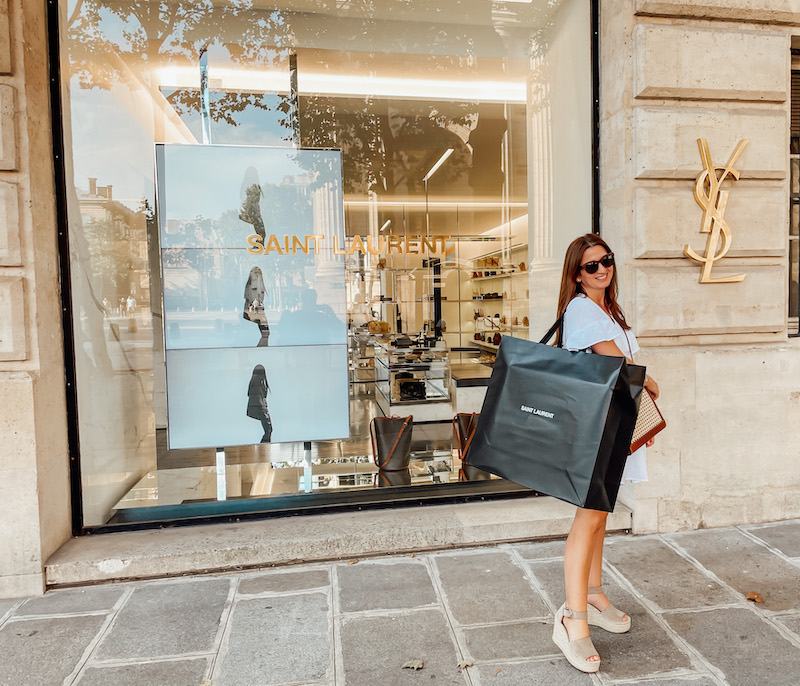
In the current global market, “Rive Gauche” has become a shorthand for premium lifestyle branding. Whether it is used in real estate, fragrance, or hospitality, the term functions as a psychological trigger for perceived value. It is a masterclass in how to use semiotics to drive financial outcomes.
The Premiumization Effect
Brands that lean into the Rive Gauche aesthetic often command higher price points. This is because the term functions as a cultural signifier of quality and refinement. In psychology, this is known as the “halo effect.” When a brand adopts the visual language of the Left Bank—muted tones, classic typography, an emphasis on history—it borrows the prestige associated with Parisian culture. Consumers are willing to pay a premium because the brand satisfies a desire for cultural belonging, not just functional utility.
Creating a Sense of Exclusive Belonging
Exclusivity today is less about financial barriers and more about cultural access. A Rive Gauche-positioned brand suggests that the owner has the “taste” to appreciate the history of the aesthetic. This creates a powerful community-building effect. When a corporation utilizes these themes, they are not just selling a product; they are inviting the consumer into a curated world. This level of brand engagement drives long-term customer loyalty, as the brand becomes a reflection of the consumer’s own self-image.
The Evolution of the Rive Gauche Strategy in the Digital Age
As we move further into a digital-first global economy, the application of the Rive Gauche ethos has had to evolve. No longer confined to the physical geography of Paris, the concept now serves as a digital brand strategy template for maintaining humanity in an age of automation.
Humanizing Digital Experiences
In a world saturated with AI-generated content and hyper-efficient algorithms, the Rive Gauche aesthetic provides a vital counter-narrative. Brands that utilize this strategy online focus on the “human touch”—telling stories, highlighting the flaws that make products unique, and focusing on craft over mass production. This “digital bohemianism” allows modern tech and lifestyle brands to stand out. It creates a brand voice that feels like a conversation with a friend in a café, rather than an interaction with a corporate entity.
Navigating the Balance Between Mass and Niche
The greatest challenge for any brand attempting to utilize a Rive Gauche strategy is maintaining the illusion of exclusivity while scaling the business. The brilliance of the original Left Bank concept is that it was inherently decentralized; it grew from individuals and small collectives. For a modern brand, scaling this requires a careful balance. It necessitates a “hub-and-spoke” model where the parent brand maintains the Rive Gauche philosophy through high-level storytelling, while specific sub-brands or regional activations allow for the personalized feel that the aesthetic demands.
Final Synthesis: Why the Legacy Matters
Ultimately, the term Rive Gauche is a masterclass in the power of branding to define reality. It proves that geography can be converted into personality, and history can be harvested for market advantage. For the strategist, the takeaway is clear: the most successful brands are those that do not simply describe what they do, but embody who they are.
By identifying the “Left Bank” of your own industry—the space where tradition meets innovation and where intellectual curiosity is rewarded—you can create a brand identity that transcends the transience of trends. The Rive Gauche is not just a place on a map; it is a permanent fixture in the psychology of the consumer. Whether you are building a personal brand, managing a corporate identity, or launching a new product, the lessons of the Rive Gauche remain the same: stand for something, align yourself with a heritage of excellence, and always prioritize the story over the sell.
In the competitive theater of modern business, the Rive Gauche remains the gold standard for how to position a brand not just as a choice, but as a lifestyle. It is the definitive example of how to turn a simple, evocative name into a global symbol of prestige, creativity, and enduring cultural value. Any brand looking to capture the hearts of the aspirational class must learn to look across the water, to the side where the ideas are born and the legacy is built.
aViewFromTheCave is a participant in the Amazon Services LLC Associates Program, an affiliate advertising program designed to provide a means for sites to earn advertising fees by advertising and linking to Amazon.com. Amazon, the Amazon logo, AmazonSupply, and the AmazonSupply logo are trademarks of Amazon.com, Inc. or its affiliates. As an Amazon Associate we earn affiliate commissions from qualifying purchases.