
In the intricate tapestry of human communication, where gestures, attire, and subtle cues often speak louder than words, the symbolism of jewelry holds a powerful, albeit often overlooked, place. Among these, the placement of a ring on a specific finger can carry a wealth of meaning, shaping perceptions, conveying identity, and silently communicating commitments. Few placements are as intriguing and culturally diverse in their interpretations as the right ring finger. Far from being a mere aesthetic choice, a ring on this digit can be a deliberate statement, a reflection of cultural heritage, or a significant component of one’s personal brand. Understanding what the right ring finger signifies is not just an exercise in cultural anthropology; it’s a crucial insight for anyone looking to master their personal branding, navigate diverse social landscapes, and communicate effectively across a globalized world.
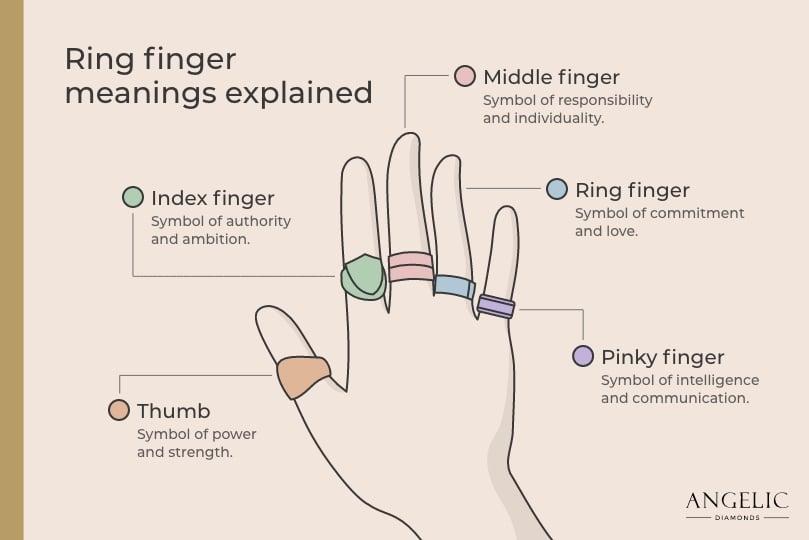
At its core, branding is about meaning-making – whether for a corporation, a product, or an individual. Every element contributes to the narrative. The right ring finger, with its rich and varied symbolic load, offers a fascinating case study in how deeply ingrained cultural meanings can influence how we perceive ourselves and how others perceive us. This article delves into the multi-faceted interpretations of a ring on the right ring finger, exploring its historical roots, its contemporary relevance, and its profound implications for personal branding and cross-cultural communication.
The Global Tapestry of Symbolism: Diverse Meanings Across Cultures
The most compelling aspect of the right ring finger’s meaning is its incredible variability across different cultures and traditions. There is no single, universal interpretation, making it a powerful example of how local customs shape global understanding. What might signify one thing in Europe could mean something entirely different in South America or Asia, underscoring the need for cultural intelligence in personal and professional interactions.
Marital Status and Romantic Pledges: A Tale of Two Hands
Perhaps the most common association with the ring finger, whether left or right, is marriage or engagement. However, the specific hand used for these romantic pledges varies significantly. In many Western countries, particularly the United States, Canada, and the United Kingdom, the left ring finger is traditionally reserved for engagement and wedding rings. This tradition is often attributed to the belief in the vena amoris, or “vein of love,” which was thought to connect directly from the left ring finger to the heart.
Conversely, a substantial portion of the world’s population designates the right ring finger for marital or engagement symbolism. Countries such as Germany, Russia, India, Poland, Austria, Norway, Denmark, and many Orthodox Christian nations commonly place wedding bands on the right hand. In some cultures, like Germany, the engagement ring might be worn on the left, only to be moved to the right upon marriage, or swapped for a wedding band on the right. In India, while regional variations exist, the right hand is often considered more auspicious or “pure,” influencing the placement of wedding jewelry. For an individual building a personal brand, being aware of these distinctions is vital. Wearing a ring on the right finger in a context where it signifies marriage can lead to assumptions about one’s relationship status, which may or may not align with the intended message.
Beyond Romance: Family, Friendship, and Affiliation
While romance often dominates discussions around ring fingers, the right ring finger also carries a broader spectrum of meanings that extend beyond marital status. It can symbolize family heritage, personal commitment, or affiliation with a group or belief system. Heirloom rings, often passed down through generations, are frequently worn on the right hand, signifying a connection to one’s lineage and personal history. These rings serve as powerful emblems of identity, linking the wearer to a narrative that predates them.
Furthermore, rings commemorating significant personal achievements, membership in certain clubs or fraternities, or even rings gifted as tokens of deep friendship may find their place on the right ring finger. These can be “purity rings,” commitment rings (to oneself or a cause), or fashion statements imbued with personal significance. In these instances, the ring on the right hand acts as a silent testament to one’s values, affiliations, and personal milestones, contributing to a nuanced and layered personal brand narrative that goes beyond simple relationship status.
Cultural Nuances and Regional Variations
The specificity of these meanings further highlights the importance of cultural context. In Jewish tradition, for example, during the wedding ceremony, the ring is placed on the bride’s right index finger. While it might be moved later, this initial placement holds deep ceremonial significance. In China, while there isn’t a strict tradition for wedding rings, the right ring finger might be used for rings symbolizing professional achievement or personal commitment. In Latin American cultures, the right hand often holds cultural significance in various contexts, including wedding ring placement in some regions. These diverse interpretations underscore that the meaning of the right ring finger is not static but rather a dynamic reflection of a community’s values, history, and social norms. For anyone engaged in international business or building a global personal brand, understanding these nuances is not just polite; it’s strategically essential to avoid miscommunication and foster genuine connection.
The Right Ring Finger as a Component of Personal Branding
In the realm of personal branding, every detail contributes to the overall narrative an individual projects. From one’s digital footprint to their physical presentation, consistency and intentionality are key. The choice to wear a ring on the right ring finger, and the style of that ring, is a subtle yet potent element that can powerfully shape perception.
Crafting Your Visual Narrative: Intentional Choices
Personal branding is about curating how others perceive you. A ring on the right ring finger, whether consciously or unconsciously, becomes part of this curated image. For some, it might be a statement of individuality, opting for a fashion ring that expresses their unique aesthetic without traditional romantic connotations. For others, it might be a deliberate choice to wear a family heirloom, subtly communicating their values, respect for heritage, and a sense of rootedness.
The type of ring also plays a significant role. A bold, architectural piece might convey a creative, unconventional personal brand, while a delicate, understated band could suggest elegance and subtlety. A significant stone might imply status or a love for artistry. These choices are rarely accidental; they are extensions of an individual’s self-expression and contribute to the visual language of their personal brand, offering clues about their personality, lifestyle, and priorities before a single word is spoken.
Non-Verbal Communication: A Silent Statement
Humans are remarkably adept at picking up non-verbal cues. Long before an introduction or a conversation begins, our appearance communicates volumes. A ring on the right ring finger acts as one such powerful, silent statement. It can signal availability (or lack thereof), cultural identity, professional affiliation, or even simply a strong sense of personal style. In a professional networking event, for instance, a ring that signifies cultural heritage could serve as an excellent conversation starter, allowing an individual to share a piece of their background and forge deeper connections.
Conversely, an unexpected or unconventional ring choice might challenge assumptions, inviting curiosity and creating an opportunity for the individual to define its meaning. This ability to initiate dialogue or subtly guide initial perceptions is invaluable in personal branding, where first impressions can significantly influence future interactions and opportunities.
Authenticity and Alignment: Matching Symbolism with Self
The most effective personal brands are authentic and deeply aligned with an individual’s true self. When it comes to the symbolism of the right ring finger, authenticity means understanding what your ring communicates and ensuring that message resonates with your desired personal brand. If you wear a ring on your right hand that, in your cultural context, traditionally signifies marriage, but you are single and wish to project an image of professional independence, there might be a subtle dissonance.
Conversely, if you choose to wear a ring that embodies a personal commitment or a deep-seated value (e.g., a ring from a significant life event or a ring representing a personal philosophy), this can powerfully reinforce your authentic brand. It allows you to embody your values not just in words but in visible, tangible ways, strengthening the integrity and credibility of your personal narrative. For brand strategists and individuals alike, this alignment between visible symbols and core identity is paramount.

Professional Contexts: Navigating Expectations and Perceptions
In professional environments, where first impressions and sustained perceptions are critical, the implications of wearing a ring on the right ring finger extend beyond personal expression. Understanding its potential interpretations can be key to navigating diverse professional landscapes and ensuring one’s personal brand is perceived as intended.
Corporate Etiquette and First Impressions
While many workplaces today embrace diversity and individual expression, traditional corporate etiquette often values a certain level of subtlety and conformity. In some conservative industries or cultures, excessive or overly conspicuous jewelry might be perceived negatively, regardless of its placement. However, a ring on the right ring finger is usually considered acceptable, provided it is tasteful and not distracting.
The primary consideration here often revolves around the assumptions it might generate. If, in a particular business culture, a right-hand ring signifies marriage, a single professional wearing one might inadvertently be perceived as unavailable or misrepresenting their status. While this might seem trivial, these subtle miscommunications can, at times, affect networking opportunities or the way one’s professional persona is interpreted, especially in initial encounters where information is limited.
Cross-Cultural Business Interactions
The global nature of modern business necessitates a high degree of cultural sensitivity. As discussed, the meaning of the right ring finger varies drastically across borders. A sales professional engaging with clients in Germany, for example, might find that wearing a wedding ring on their right hand resonates positively, indicating shared cultural understanding. Conversely, in a market where the right ring finger holds a less formal or even a fashion-centric meaning, attempting to project a specific marital status through its placement might be ineffective or misunderstood.
For leaders and team members working in multinational corporations or engaging in international travel, an awareness of these cultural codes is invaluable. It enables them to adapt their personal presentation – including subtle cues like jewelry – to better align with local expectations, fostering trust and rapport. Misinterpretations, though often minor, can create unnecessary barriers in cross-cultural business relationships.
Personal Style vs. Professionalism: Finding the Balance
The challenge for many professionals lies in balancing personal style and authenticity with the demands of professionalism. A ring on the right ring finger can be an excellent avenue for expressing individuality without compromising a professional image. It allows for a subtle statement that enhances one’s personal brand without being overtly distracting.
The key is intentionality. Does the ring align with the values and image you want to project professionally? Does it enhance your credibility or create unnecessary questions? For creative professionals, a unique ring on the right hand might amplify their artistic brand. For those in more conservative fields, a more understated piece that carries personal meaning but avoids ambiguity might be preferred. The right balance ensures that jewelry choices support, rather than detract from, one’s overall professional brand.
Evolving Meanings and Contemporary Interpretations
The meaning of the right ring finger is not static; it evolves with societal changes, fashion trends, and individual choices. In the 21st century, traditional symbols are often reinterpreted, allowing for new forms of self-expression and personal branding.
Fashion, Individuality, and Self-Expression
In contemporary society, rings on the right ring finger are increasingly chosen purely for fashion or as a statement of individuality. Designers offer an endless array of styles, materials, and designs, encouraging wearers to select rings that simply resonate with their aesthetic preferences. For many, a ring on the right hand is a versatile accessory, worn to complement an outfit, reflect a mood, or simply because they like it.
This shift allows individuals to define their own symbolism. A ring might represent self-love, a commitment to a personal goal, or simply an appreciation for beauty. This freedom of interpretation empowers individuals to craft a personal brand that is less bound by tradition and more reflective of their unique identity and contemporary values. It’s a move from prescribed meaning to personally ascribed meaning, enriching the landscape of personal branding.
The Digital Age: Online Presence and Personal Brand
In an era dominated by digital communication, where professional and personal lives often blur on platforms like LinkedIn, Instagram, and even video calls, the visual cues we present are more important than ever. A ring on the right ring finger, visible in profile pictures, video conference calls, or shared lifestyle content, contributes to one’s digital personal brand.
If one’s online persona is carefully curated, the subtle presence of a ring can enhance a desired narrative. It might add a touch of sophistication, hint at a rich cultural background, or simply reinforce a consistent personal style. Brands and individuals must consider how these visual elements translate across digital mediums, ensuring they align with the desired online identity.
The Power of Personal Narrative: Defining Your Own Symbolism
Ultimately, the most powerful aspect of the right ring finger’s meaning in the modern age lies in the individual’s ability to define it. While cultural and traditional interpretations provide a rich context, contemporary personal branding emphasizes authenticity and self-authorship. An individual can choose to wear a ring on their right hand for a deeply personal reason – perhaps it marks a moment of significant personal growth, a vow made to oneself, or a celebration of independence.
By intentionally assigning meaning to their choices, individuals reclaim the narrative. They move beyond being defined by external traditions and instead become the definers of their own symbols. This agency is a cornerstone of powerful personal branding, allowing individuals to project an image that is not only compelling but also profoundly authentic and deeply resonant with who they are and aspire to be.
Conclusion
The question “what does the right ring finger mean?” unveils a fascinating confluence of cultural tradition, personal expression, and strategic communication. Far from a simple query, it reveals a complex interplay of global symbolism that profoundly impacts how individuals craft and project their personal brands. From ancient marital customs in one part of the world to a symbol of individuality or professional affiliation in another, the right ring finger is a canvas upon which diverse stories are told.
For anyone navigating the modern social and professional landscape, understanding these varied interpretations is not merely an academic exercise; it is a vital tool for effective personal branding. It empowers individuals to make intentional choices about their presentation, to communicate effectively across cultural divides, and to ensure their visual cues align seamlessly with their desired narrative. By recognizing the silent yet powerful language of a ring on the right ring finger, we gain a deeper appreciation for the nuances of human connection and the art of shaping our own identity in an ever-interconnected world.
aViewFromTheCave is a participant in the Amazon Services LLC Associates Program, an affiliate advertising program designed to provide a means for sites to earn advertising fees by advertising and linking to Amazon.com. Amazon, the Amazon logo, AmazonSupply, and the AmazonSupply logo are trademarks of Amazon.com, Inc. or its affiliates. As an Amazon Associate we earn affiliate commissions from qualifying purchases.