
The allure of a Tesla is undeniable. From its sleek design and cutting-edge technology to its promise of sustainable transportation, it represents a significant step forward in automotive engineering. However, for many prospective buyers, the primary question isn’t about acceleration or autopilot features, but rather a more fundamental one: “How much does a Tesla truly cost?” This seemingly simple inquiry unravels into a complex financial landscape, extending far beyond the initial purchase price. Understanding the full spectrum of costs—both upfront and long-term—is crucial for anyone considering integrating a Tesla into their personal financial plan. This article will delve into the various monetary facets of Tesla ownership, providing a professional and insightful guide to help you budget, compare, and ultimately make an informed financial decision.
The Sticker Shock: Understanding Tesla’s Initial Purchase Price
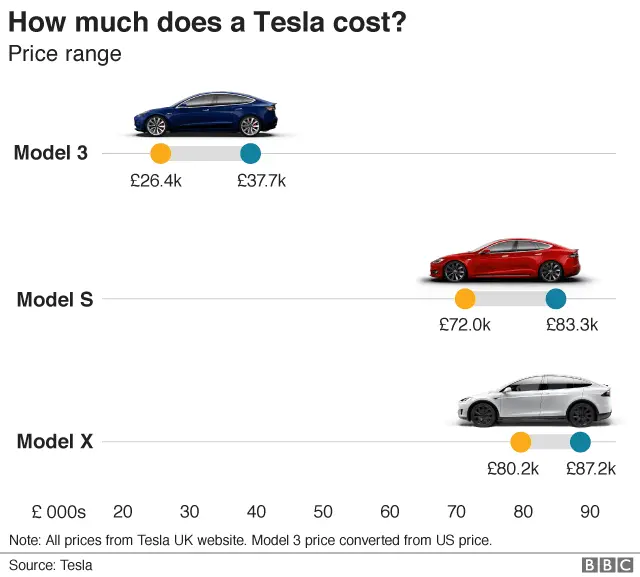
The first and most obvious financial consideration is the Manufacturer’s Suggested Retail Price (MSRP). Tesla, unlike traditional dealerships, operates primarily through online sales, providing transparency in its pricing structure. However, even this initial price can fluctuate significantly based on model, configuration, and market dynamics.
Model-Specific Pricing: From Entry-Level to Luxury
Tesla offers a range of models, each designed to cater to different budgets and needs. The Model 3 often serves as the entry point for many, offering a more accessible price tag while still delivering significant performance and range. Stepping up, the Model Y provides more utility and space as an SUV crossover, typically commanding a higher price. For those seeking premium luxury and performance, the Model S sedan and Model X SUV sit at the top of the lineup, with prices reflecting their advanced features, larger batteries, and superior acceleration. Most recently, the Cybertruck introduced a new pricing tier, with its unique design and utility features. Each model has a base price, but this is just the beginning of the financial journey.
The Allure of Options: Beyond the Base Model
Tesla’s configurator allows buyers to customize their vehicles with various upgrades, each adding to the final price. These options can include:
- Paint Colors: While a standard color is often included, premium metallic or multi-coat options come at an additional cost.
- Wheel Upgrades: Larger or uniquely designed wheels can significantly enhance aesthetics but also inflate the price.
- Interior Upgrades: Premium interior packages often include higher-grade materials, enhanced audio systems, and additional comforts.
- Full Self-Driving (FSD) Capability: This is perhaps the most substantial optional expenditure. While basic Autopilot features are included, FSD is a premium software upgrade that enables advanced driver-assistance features, with its price being a significant investment that can be purchased upfront or subscribed to monthly.
- Performance Upgrades: For certain models, performance-oriented versions with quicker acceleration and specialized handling packages are available at a premium.
These choices can easily add tens of thousands of dollars to the base price, transforming an ostensibly “affordable” model into a luxury investment.
Navigating Government Incentives and Tax Credits
One of the most appealing financial aspects of purchasing an electric vehicle (EV) like a Tesla is the potential for government incentives. These can come in various forms and vary significantly by region and country:
- Federal Tax Credits: In the United States, specific federal tax credits for new clean vehicles can reduce the total cost. However, eligibility often depends on the vehicle’s manufacturing location, battery component sourcing, battery capacity, and the buyer’s adjusted gross income. Tesla’s eligibility for these credits has fluctuated over time due to sales volume thresholds and changing regulations. It is crucial for prospective buyers to consult the latest IRS guidelines to determine current eligibility.
- State and Local Rebates: Many states and local municipalities offer their own incentives, such as direct rebates, tax exemptions, or reduced registration fees for EVs. These can be substantial and stack on top of federal benefits.
- Commercial Incentives: Businesses purchasing Teslas for fleets or company use may also qualify for specific commercial tax benefits or depreciation allowances.
Understanding and leveraging these incentives can significantly offset the initial purchase price, making a Tesla a more financially viable option for many. It requires careful research into current policies and eligibility criteria before committing to a purchase.
Beyond the Dealership: True Cost of Tesla Ownership
The initial purchase price is just one piece of the financial puzzle. The true cost of owning a Tesla extends over its lifetime, encompassing everything from fueling it to insuring and maintaining it. A thorough financial assessment demands a look at the Total Cost of Ownership (TCO).
Fueling Your Ride: Charging Costs vs. Gasoline Savings
One of the most touted financial benefits of an EV is the elimination of gasoline costs. However, electricity isn’t free. Understanding charging costs is paramount:
- Home Charging: The most common and often cheapest method. Installing a Level 2 charger at home (a one-time cost for the equipment and installation) allows for convenient overnight charging. The cost per charge depends on your local electricity rates, which vary significantly by utility and time of day (peak vs. off-peak). In many regions, charging during off-peak hours can be substantially cheaper than paying for gasoline.
- Tesla Supercharging Network: For longer trips or when home charging isn’t feasible, Tesla’s extensive Supercharger network provides rapid charging. While convenient, Supercharging rates are generally higher than home electricity, though still often less expensive than an equivalent amount of gasoline. Tesla also charges idle fees if you leave your car connected after it’s fully charged at a Supercharger.
- Third-Party Charging Networks: Other public charging stations exist, with varying pricing models (per kWh, per minute, or session fees).
Over the long term, the savings from not purchasing gasoline can be substantial, often representing thousands of dollars annually, which significantly reduces the TCO compared to a comparable internal combustion engine (ICE) vehicle.
Insuring Your Innovation: Premiums and Coverage Considerations
Insurance premiums for Teslas can often be higher than for conventional vehicles. Several factors contribute to this:
- Advanced Technology and Repair Costs: Teslas are equipped with sophisticated technology, including numerous sensors, cameras, and large battery packs. Repairs to these components can be expensive and require specialized expertise, leading insurers to price policies higher.
- Performance: Many Tesla models offer exceptionally rapid acceleration, which can be a factor in higher premiums.
- Parts Availability: As a newer manufacturer, certain Tesla parts may be less readily available or more expensive than parts for mass-market ICE vehicles.
- Theft Risk: Depending on the model and location, certain EVs may be more attractive targets for theft, influencing premiums.
Some owners opt for Tesla Insurance, offered by the company in select states, which uses real-time driving data to personalize premiums. While this can potentially offer savings for safe drivers, it also requires sharing driving data, a trade-off some may not be comfortable with. It’s crucial to obtain multiple quotes from various insurers before purchasing a Tesla to budget accurately for this ongoing expense.
Maintenance Minimalism: What to Expect and Budget For
One of the most attractive financial propositions of an EV is reduced maintenance. Teslas, lacking an internal combustion engine, eliminate the need for:
- Oil changes
- Spark plug replacements
- Transmission fluid changes
- Fuel filter replacements
- Regular exhaust system checks
However, “minimalism” does not mean “no maintenance.” Owners still need to budget for:
- Tires: Due to their heavy weight and instant torque, Teslas can wear through tires more quickly than lighter ICE vehicles. Tire replacements, especially for larger performance wheels, can be a significant recurring cost.
- Brakes: While regenerative braking significantly reduces wear on physical brake pads, they still require occasional inspection and eventual replacement.
- Wiper Blades and Cabin Air Filters: These are standard consumable items across all vehicles.
- Fluid Checks: While fewer fluids are involved, essential fluids like brake fluid and coolant for the battery pack still require occasional checks.
- Battery Health: While Tesla batteries are designed for longevity, battery degradation over many years is a natural phenomenon. Although rare and covered by long warranties, eventual battery replacement out of warranty would be a very substantial financial event, though typically not an immediate concern for most owners.
Overall, the routine maintenance costs for a Tesla are generally lower than for a comparable ICE vehicle, offering long-term savings.
The Unseen Cost: Depreciation and Resale Value
Depreciation—the loss of value over time—is often the largest and most overlooked cost of vehicle ownership. Historically, Teslas have held their value exceptionally well, outperforming many luxury ICE cars. This strong resale value has been attributed to high demand, continuous over-the-air software updates that keep the vehicles feeling fresh, and limited supply. However, the market for EVs is evolving rapidly, with increasing competition and technological advancements. Factors that can influence a Tesla’s depreciation include:
- Model and Age: Newer models often depreciate faster initially.
- Mileage: Higher mileage will naturally lead to greater depreciation.
- Battery Health: While usually excellent, significant battery degradation could impact resale value.
- FSD Software: The inclusion of FSD can enhance resale value, but its value tends to depreciate alongside the vehicle itself.
- Market Trends: The overall shift in EV pricing and new model introductions from competitors can affect resale values.
While Teslas have a strong track record, prospective owners should still factor in depreciation when calculating the true long-term financial impact of their purchase.
Financing Your Tesla: Purchase vs. Lease
Deciding how to pay for your Tesla significantly impacts your financial outlay and long-term commitments.
Buying Outright: Loans, Interest, and Long-Term Commitment
Purchasing a Tesla, whether with cash or through a car loan, means you own the asset. With a loan, you will make monthly payments that include principal and interest. The total interest paid over the life of the loan can add thousands to the overall cost, making the choice of lender and interest rate critical. Longer loan terms reduce monthly payments but increase total interest. Owning the vehicle provides equity, allowing you to eventually sell it or trade it in. This option is typically preferred by those who plan to keep their vehicle for many years and accumulate equity.
The Leasing Advantage: Flexibility and Predictability
Leasing a Tesla offers a different financial structure. You essentially rent the car for a set period (typically 2-4 years) and mileage limit. Monthly lease payments are generally lower than loan payments because you are only paying for the depreciation of the vehicle during your lease term, plus interest and fees. At the end of the lease, you can typically return the car, purchase it, or lease a new one. Leasing provides flexibility, allowing you to frequently upgrade to the latest model and avoids the uncertainty of resale value. However, you do not build equity, and exceeding mileage limits can incur significant penalties. For those who prioritize predictable monthly expenses and enjoy driving new cars regularly, leasing can be a financially attractive option.
The Long-Term Financial Picture: Is a Tesla a Smart Investment?
From a purely financial perspective, a car is generally a depreciating asset, not an investment that appreciates in value like stocks or real estate. However, a Tesla’s unique position in the market can offer significant long-term financial advantages that make it a “smart” purchase in certain contexts.
Total Cost of Ownership (TCO) Analysis
When all factors are considered—purchase price (after incentives), charging costs, insurance, maintenance, and depreciation—many studies indicate that the TCO for a Tesla can be competitive with, or even lower than, that of a luxury gasoline-powered vehicle over a 5-10 year period. The substantial fuel and maintenance savings often offset the higher initial sticker price, especially for drivers with high annual mileage. Performing a personalized TCO analysis based on your driving habits, local electricity rates, and insurance quotes is essential to determine if a Tesla aligns with your financial goals.
Environmental Benefits with Economic Returns
While not directly monetary, the environmental benefits of driving an EV can translate into financial returns. Reduced carbon footprint contributes to a more sustainable future, which can align with personal values. Moreover, some jurisdictions offer preferential treatment for EVs, such as free parking, reduced toll fees, or access to HOV (High-Occupancy Vehicle) lanes, which can save time and money.
Strategic Budgeting for Tesla Ownership
Prospective Tesla owners should create a comprehensive budget that accounts for all aspects of ownership:
- Initial Payment: Down payment, taxes, registration fees, and any non-refundable deposits.
- Monthly Payments: Loan or lease payments.
- Recurring Operating Costs: Estimated monthly charging costs, insurance premiums, and a contingency fund for maintenance.
- Long-Term Costs: Setting aside funds for future tire replacements or potential battery degradation.
A prudent financial approach considers not just the excitement of owning a Tesla, but the practical, long-term implications for your personal finances.

Conclusion: Balancing Aspiration with Financial Reality
The question of “how much a Tesla costs” is multifaceted, extending beyond a simple price tag to encompass a holistic view of ownership expenses. While the initial investment can be substantial, government incentives, significant fuel savings, and reduced maintenance can make a Tesla a financially compelling option for many over its lifespan. However, higher insurance premiums and the nuances of depreciation and financing models must also be carefully weighed. By conducting thorough research, understanding all potential costs and savings, and aligning the purchase with individual financial goals, prospective buyers can confidently navigate the exciting world of Tesla ownership, transforming an aspiration into a well-managed financial reality.
aViewFromTheCave is a participant in the Amazon Services LLC Associates Program, an affiliate advertising program designed to provide a means for sites to earn advertising fees by advertising and linking to Amazon.com. Amazon, the Amazon logo, AmazonSupply, and the AmazonSupply logo are trademarks of Amazon.com, Inc. or its affiliates. As an Amazon Associate we earn affiliate commissions from qualifying purchases.