
The automotive landscape is continuously evolving, with manufacturers incorporating increasingly sophisticated technologies to enhance driver awareness, comfort, and, most importantly, safety. Among the myriad of acronyms and features that populate modern vehicle dashboards and specification sheets, “RCTA” stands out as a particularly useful and increasingly common system. But what exactly does RCTA mean on a car, and how does it contribute to a safer driving experience? This article delves into the technological underpinnings of Rear Cross Traffic Alert (RCTA), exploring its function, implementation, and significance in the realm of automotive safety.
The Technological Marvel of RCTA: How It Works
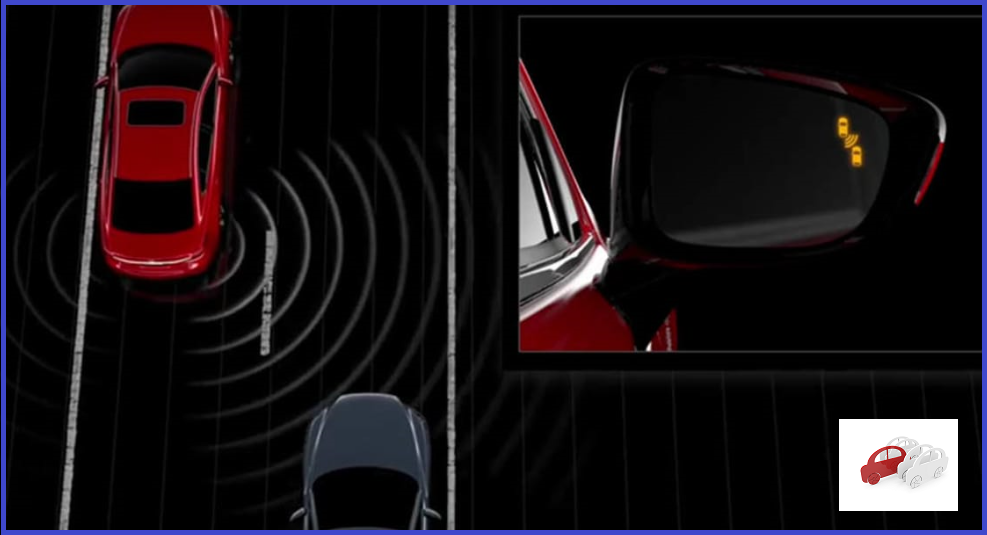
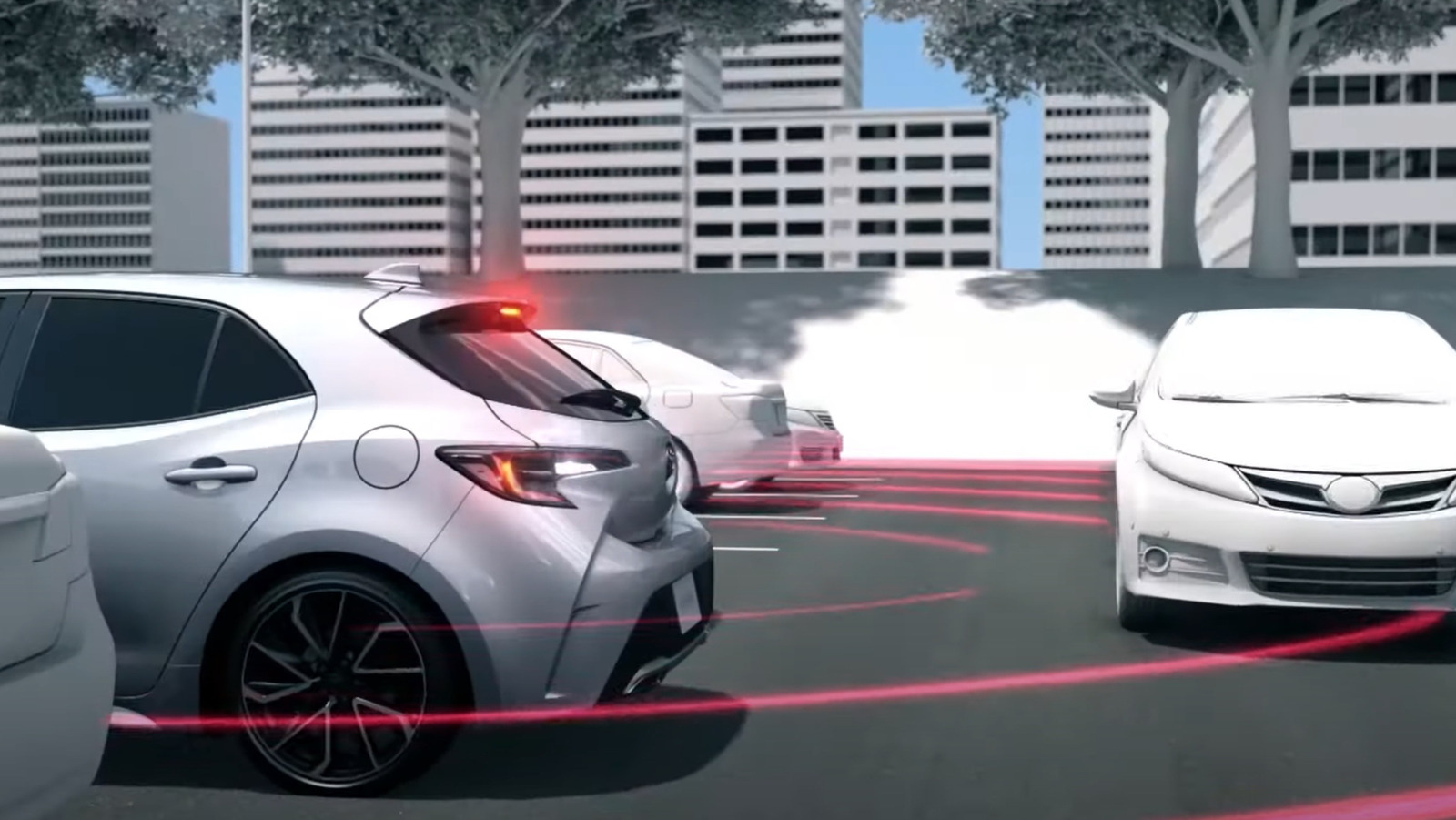
Rear Cross Traffic Alert (RCTA) is a driver assistance system designed to mitigate the risks associated with reversing out of parking spaces, especially those with limited visibility. At its core, RCTA is an extension of a vehicle’s existing parking sensor and blind-spot monitoring systems, leveraging a combination of sensors and advanced software to provide a comprehensive safety net.
The Sensor Array: The Eyes and Ears of RCTA
The effectiveness of RCTA hinges on its sophisticated sensor array. Typically, RCTA systems utilize radar sensors, often integrated into the rear bumper or beneath the side mirrors. These sensors emit radio waves that bounce off objects and then return to the sensors. By analyzing the time it takes for these waves to return and the Doppler effect (which indicates movement), the system can accurately detect the presence, speed, and direction of approaching vehicles or other obstacles.
Some advanced RCTA systems may also incorporate ultrasonic sensors, similar to those used in traditional parking assist systems. These sensors emit sound waves and measure the time it takes for them to return, providing a more localized and precise detection of nearby objects. The combination of radar and ultrasonic sensors allows for a more robust and comprehensive detection capability, minimizing blind spots and enhancing the system’s reliability in various environmental conditions, such as rain or fog, where visual cues might be compromised.
The Software Brain: Processing and Alerting
The data collected by the sensors is fed into a sophisticated control module, the “brain” of the RCTA system. This module employs advanced algorithms to process the incoming sensor data in real-time. It analyzes the trajectory, speed, and proximity of any detected objects to determine if they pose a potential collision risk.
When the system identifies an approaching vehicle or obstacle that presents a danger, it initiates an alert to the driver. This alerting mechanism is multi-faceted and designed to grab the driver’s attention effectively without causing undue distraction.
Visual Alerts: A Dashboard Warning
The primary visual alert typically appears on the vehicle’s infotainment screen or in the instrument cluster. This often takes the form of an icon or a graphic representation of the rear of the car, with an indicator highlighting the direction from which the threat is approaching. For example, if a car is approaching from the left, the display might show a flashing arrow or icon on the left side of the graphic. The intensity of the visual alert – such as the flashing speed or color – may also increase as the potential hazard gets closer or moves faster.
Audible Alerts: An Auditory Cue
Complementing the visual alerts, RCTA systems also employ audible warnings. These can range from a distinct beep or chime to a more insistent tone, depending on the severity of the detected threat. The sound is usually emitted from the vehicle’s speakers, and its proximity and intensity are often designed to be clearly distinguishable from other in-car sounds. Some systems may even use directional audio cues, so the sound appears to originate from the direction of the hazard, further enhancing the driver’s situational awareness.
Haptic Feedback: Feeling the Warning
In more advanced RCTA systems, haptic feedback might be incorporated. This can involve vibrations in the steering wheel or seat. This physical sensation provides an additional layer of alert, ensuring that the driver is aware of the potential danger even if they are momentarily distracted by other aspects of driving or are experiencing high levels of ambient noise.
The Integration with Other Systems: A Synergistic Approach
RCTA does not operate in isolation. It is often seamlessly integrated with other driver assistance systems, creating a more comprehensive and proactive safety suite.
Blind Spot Monitoring (BSM): A Natural Partner
RCTA shares a significant technological overlap with Blind Spot Monitoring (BSM) systems. Both systems utilize rear-facing radar sensors to detect vehicles in the car’s blind spots. While BSM primarily alerts drivers to vehicles in adjacent lanes when changing lanes, RCTA focuses on detecting cross-traffic when reversing. The shared sensor technology and processing capabilities allow manufacturers to offer both features efficiently, enhancing the overall safety package.
Parking Assist and Rearview Cameras: A Holistic View
The rearview camera is a cornerstone of modern vehicle safety, and RCTA further enhances its utility. When reversing, the rearview camera provides a visual feed of the area directly behind the vehicle. RCTA systems work in conjunction with the camera, overlaying graphical alerts or highlighting detected cross-traffic on the camera display. This provides drivers with a more complete picture, allowing them to react to both static obstacles and moving hazards simultaneously. Many systems also integrate with parking sensors, which provide proximity warnings for stationary objects, creating a multi-layered approach to safe reversing.
The Significance of RCTA in Modern Automotive Safety
The introduction and widespread adoption of RCTA represent a significant leap forward in vehicle safety technology. Its primary benefit lies in its ability to address a common and often dangerous driving scenario: reversing out of blind spots.
Mitigating Reversing Accidents: A Critical Intervention
Reversing accidents, particularly those involving collisions with cross-traffic in parking lots or driveways, are a persistent problem. The limited visibility when backing out of a parking space, especially in crowded areas or when large vehicles are parked nearby, can make it difficult for drivers to spot approaching cars, pedestrians, or cyclists. RCTA directly addresses this vulnerability by acting as an extra set of eyes, alerting drivers to hazards they might otherwise miss.
Reducing Collisions with Vehicles
The most direct impact of RCTA is the reduction of collisions with other vehicles. By warning drivers of approaching cars, RCTA can prevent fender-benders and more serious accidents in parking lots and residential areas. This not only saves drivers the hassle and expense of repairs but also contributes to a safer overall traffic environment.
Protecting Vulnerable Road Users
Beyond other vehicles, RCTA also plays a crucial role in protecting pedestrians and cyclists. These vulnerable road users can easily be obscured by parked cars, and their presence might not be immediately apparent to a driver reversing. RCTA’s ability to detect moving objects regardless of their size or visibility significantly enhances the safety of those on foot or bicycle in the vicinity of a reversing vehicle.
Enhancing Driver Confidence and Comfort
Beyond its accident-prevention capabilities, RCTA also contributes to a more confident and less stressful driving experience. Knowing that a robust safety system is actively monitoring the surroundings can alleviate the anxiety often associated with reversing in challenging conditions. This increased confidence can lead to smoother and more efficient maneuvering, ultimately improving the overall driving experience.
The Evolution of Driver Assistance Systems (ADAS)
RCTA is a prime example of the broader trend towards advanced driver assistance systems (ADAS). As automotive technology advances, manufacturers are increasingly focusing on creating vehicles that are not only transportation tools but also intelligent partners that help drivers navigate the complexities of modern roads. RCTA, along with features like adaptive cruise control, lane keeping assist, and automatic emergency braking, forms a part of a comprehensive suite of technologies designed to make driving safer and more accessible for everyone.
RCTA: Not Just a Feature, But a Safety Imperative
In conclusion, the acronym RCTA stands for Rear Cross Traffic Alert, and it represents a vital technological advancement in automotive safety. By employing a sophisticated array of sensors and intelligent software, RCTA systems provide drivers with crucial real-time warnings of approaching vehicles and other obstacles when reversing. This technology is not merely a convenience; it is a critical component in mitigating accidents, protecting vulnerable road users, and enhancing overall driver confidence. As RCTA continues to become a standard feature across a wider range of vehicles, it solidifies its position as an indispensable safeguard in the ever-evolving landscape of automotive technology. Understanding what RCTA means on a car empowers drivers to better utilize this technology and contribute to a safer driving future for all.
aViewFromTheCave is a participant in the Amazon Services LLC Associates Program, an affiliate advertising program designed to provide a means for sites to earn advertising fees by advertising and linking to Amazon.com. Amazon, the Amazon logo, AmazonSupply, and the AmazonSupply logo are trademarks of Amazon.com, Inc. or its affiliates. As an Amazon Associate we earn affiliate commissions from qualifying purchases.