
Lithium, the undisputed king of battery metals, fuels our modern technological world, powering everything from our smartphones and laptops to the electric vehicles (EVs) that are reshaping transportation. As demand surges, so does the global interest in this silvery-white alkali metal. While most consumers interact with lithium in its refined, battery-grade form, understanding its raw appearance is crucial for anyone involved in the technology sector, from geologists and engineers to investors and policymakers. What does this vital element actually look like before it embarks on its journey to becoming the powerhouse of our devices?
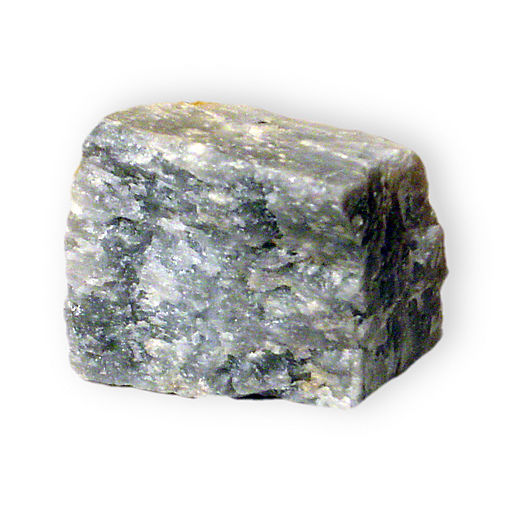
The Unveiling: Lithium in its Natural State
Raw lithium, in its most fundamental sense, is not found in a pure metallic form in nature. Instead, it is extracted from mineral ores and brines, each presenting a distinct visual character. The process of identifying and extracting lithium is a fascinating blend of geology, chemistry, and engineering, where understanding the visual cues of its raw state is paramount for effective resource management and technological advancement.
Lithium Ores: The Solid Foundation
The most common sources of lithium are hard-rock minerals, primarily spodumene and petalite. These are igneous rocks, often found in pegmatite formations, which are known for their coarse-grained texture and the presence of large, well-formed crystals.
Spodumene: The Dominant Player
Spodumene is a silicate mineral and the most significant commercial source of lithium. In its raw, unprocessed form, spodumene crystals can vary greatly in size, from small grains embedded within host rock to massive, several-meter-long prisms.
- Coloration: Pure spodumene is colorless to white. However, impurities and geological conditions often imbue it with a range of colors. A common hue is pale green, often described as “kunzite” when it exhibits a pink or violet tint. It can also appear greyish or even yellowish. The color itself is a key visual indicator for geologists prospecting for lithium deposits.
- Luster: Spodumene typically exhibits a vitreous (glassy) luster, meaning it reflects light like glass. In some instances, it can have a greasy or duller luster, depending on the presence of surface alterations or inclusions.
- Crystal Habit: Spodumene often forms prismatic crystals, meaning they are elongated and rectangular or square in cross-section. These crystals can be euhedral (well-formed with distinct faces) or anhedral (irregularly shaped). The characteristic cleavage of spodumene, which refers to its tendency to break along specific planes, can also be observed, revealing smooth, flat surfaces within the fractured mineral.
- Occurrence: Within the pegmatite rock, spodumene crystals are often found intergrown with other minerals such as feldspar, quartz, and mica. This matrix can make it challenging to visually isolate pure spodumene without the aid of specialized geological tools and analysis. The density of spodumene within the ore body is a critical factor in determining the economic viability of a mining operation.
Petalite: The Less Common Cousin
Petalite is another lithium-bearing silicate mineral, often found alongside spodumene in pegmatites. While it also serves as a source of lithium, it is generally less abundant than spodumene.
- Appearance: Petalite is typically white or colorless, often appearing as massive aggregates rather than distinct crystals. Its appearance can be somewhat waxy or greasy.
- Texture: It tends to be more granular and less conspicuously crystalline than spodumene, making it harder to identify solely by its visual characteristics. Geologists often rely on its chemical composition and association with other minerals to confirm its presence.
Other Lithium-Containing Minerals
While spodumene and petalite are the primary sources, other minerals can contain lithium, although they are less commercially significant. These include lepidolite, a lithium-rich mica, which often presents as purplish or pinkish scaly masses, and amblygonite, a phosphate mineral that can be white, grey, or greenish. Visual identification of these minerals requires a keen eye for color, texture, and the characteristic flaky or granular nature of their crystalline structures.
The Brine Beneath: Lithium’s Aqueous Origins
Beyond hard-rock mining, a significant and growing proportion of global lithium production comes from brines, particularly those found in the arid regions of South America, often referred to as the “Lithium Triangle” (Chile, Argentina, and Bolivia). These brines are rich in dissolved minerals, including lithium salts.
Salars: Vast Salt Pans of Potential
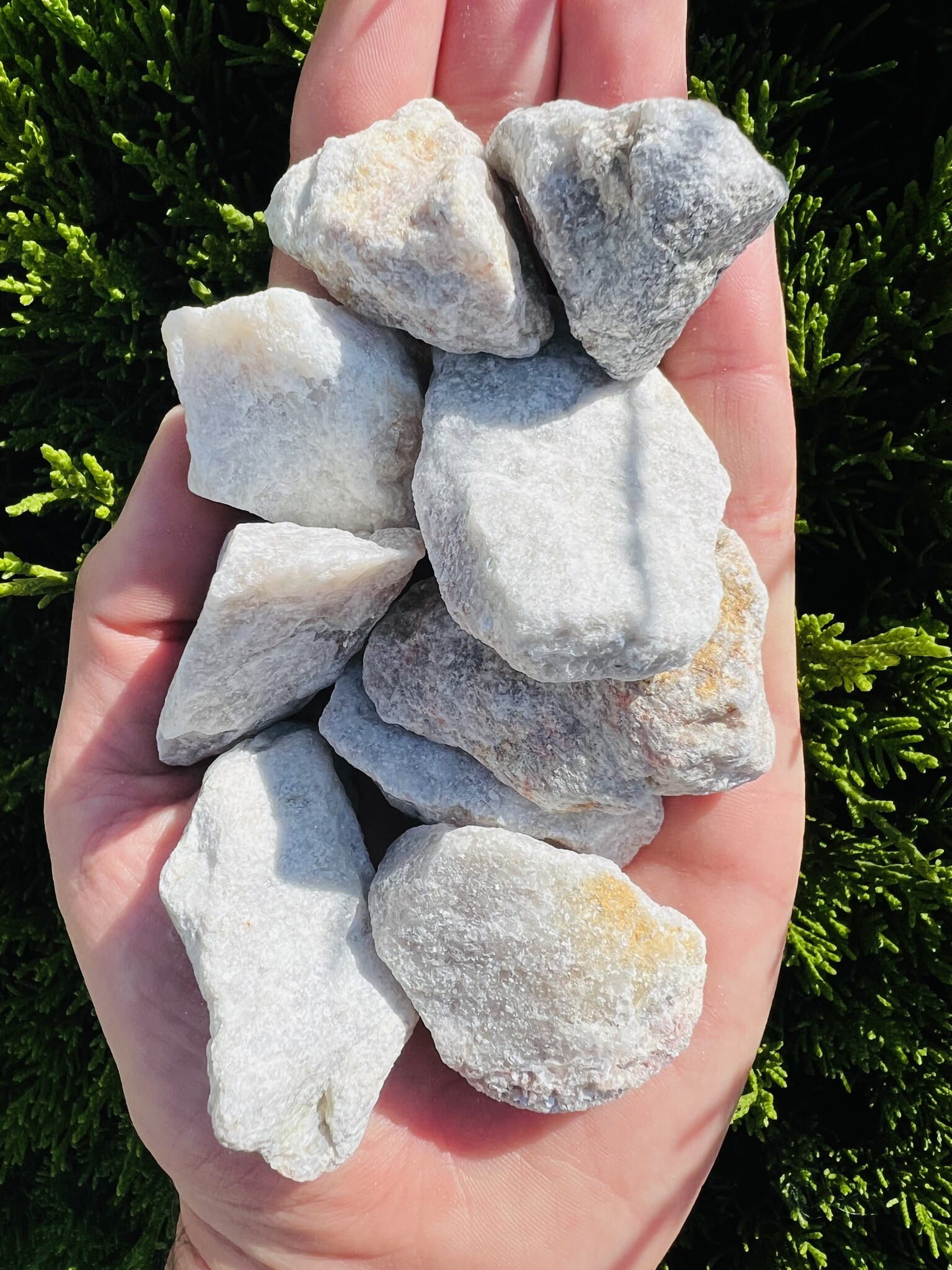
The primary source of lithium brines are salars, which are large, arid salt flats. These are vast, desolate landscapes where mineral-rich groundwater has evaporated over millennia, leaving behind highly concentrated salt deposits.
- The Brine Itself: The “raw lithium” in this context is the brine itself, a clear or slightly cloudy liquid that looks remarkably like saltwater or mineral water. Its appearance can vary subtly depending on the dissolved mineral content. It is not a visually striking substance on its own.
- Coloration and Clarity: The brine is typically colorless to pale yellow. The clarity can vary, with some brines being exceptionally clear, while others may contain suspended sediment or algae, giving them a slightly turbid appearance.
- Location and Environment: The visual aspect of raw lithium from brines is inextricably linked to its environment. The stark white expanse of salt flats, the intense sunlight, and the shimmering heat haze are the visual cues associated with these lithium-rich reservoirs. The scale of these salars, often stretching for hundreds of square kilometers, is awe-inspiring.
- Evaporation Ponds: The extraction process involves pumping the brine into large, shallow evaporation ponds. Here, the sun’s heat causes the water to evaporate, gradually concentrating the dissolved salts. Visually, these ponds transform the landscape into a mosaic of progressively darker hues as the mineral concentration increases, with the lithium salts becoming more concentrated in the final stages.
Dissolved Salts: The Invisible Cargo
Within the brine, lithium exists as dissolved ions, primarily lithium chloride (LiCl). While these ions are invisible to the naked eye, their presence is what makes the brine a valuable commodity. The process of extracting lithium from these brines involves a series of chemical treatments and separations, where the liquid’s visual transformation is indicative of the progress of the extraction.
The Journey from Ore to Element: Visual Transformations
The raw forms of lithium, whether in rock or brine, undergo significant visual changes as they are processed into the highly purified lithium compounds essential for battery manufacturing. Understanding these transformations offers a glimpse into the technological prowess required to harness this critical element.
From Ore to Concentrate: The Crushing and Flotation Process
For hard-rock lithium sources, the initial steps involve physically breaking down the ore and then separating the lithium-bearing minerals from the waste rock.
- Crushed Ore: After mining, the pegmatite rock containing spodumene is crushed into smaller pieces. This crushed ore will have a heterogeneous appearance, with the characteristic green, white, or grey spodumene crystals interspersed with the darker colors of host rock, quartz, and feldspar. The texture will be granular and rough.
- Concentrate: Through a process called froth flotation, the lithium minerals are separated. The resulting spodumene concentrate is a fine, powdery substance. Its color will be predominantly a lighter shade, often off-white to pale grey, depending on the purity. It will appear as a dry, granular powder.
From Brine to Lithium Carbonate/Hydroxide: Chemical Refinement
The processing of lithium brines is a fascinating chemical ballet that visually alters the liquid into solid forms.
- Precipitation: After evaporation and chemical treatment, lithium is typically precipitated out of the brine as lithium carbonate (Li₂CO₃) or lithium hydroxide (LiOH).
- Lithium Carbonate: This is a white, crystalline powder. In its crude form, it might have a slightly greyish or off-white hue and a granular texture. Further purification leads to a fine, white powder that is the primary feedstock for many battery cathode materials.
- Lithium Hydroxide: Lithium hydroxide is also a white, crystalline solid, often in the form of flakes or granules. It is generally considered a higher-purity product and is increasingly favored for high-nickel EV battery cathodes. Its appearance is clean and stark white.
The transition from a vast, clear brine in an evaporation pond to the fine white powder of battery-grade lithium carbonate or hydroxide is a remarkable visual testament to the chemical engineering that underpins our battery-powered future.

Visualizing the Future: The Significance of Lithium’s Appearance
While the raw appearance of lithium might seem a niche concern, it holds significant implications for the technology sector. From a geological perspective, the visual characteristics of spodumene and its host rock are the first clues in identifying potential mining sites. The color, crystal habit, and luster of these minerals guide geologists in their exploration efforts, determining where to focus their drilling and sampling.
For engineers and metallurgists, understanding the visual purity and texture of raw lithium concentrates and precipitates is crucial for optimizing processing techniques. Deviations from expected visual characteristics can indicate the presence of impurities that need to be removed, influencing the efficiency and cost of production.
Furthermore, the visual contrast between the vast, seemingly barren salt flats and the concentrated brine within them, or the rugged beauty of spodumene-rich pegmatites, speaks to the environmental considerations surrounding lithium extraction. The visual impact of evaporation ponds and the potential for land disturbance are aspects that the industry must address responsibly.
In essence, while we seldom see “raw lithium” in our daily lives, its visual journey from the earth’s crust or underground reservoirs to the pristine white powders used in advanced batteries is a compelling narrative. This journey is not just about chemical transformations; it’s about the visual cues that guide exploration, the textural evidence of successful extraction, and the eventual purity that powers the technological revolution. The appearance of raw lithium, in its diverse forms, is a foundational element in understanding the complex and vital supply chain that keeps our digital and electrified world running.
aViewFromTheCave is a participant in the Amazon Services LLC Associates Program, an affiliate advertising program designed to provide a means for sites to earn advertising fees by advertising and linking to Amazon.com. Amazon, the Amazon logo, AmazonSupply, and the AmazonSupply logo are trademarks of Amazon.com, Inc. or its affiliates. As an Amazon Associate we earn affiliate commissions from qualifying purchases.