
In the automotive world, certain badges carry a weight of significance, hinting at a vehicle’s capabilities and heritage. For Audi, one such badge, instantly recognizable to enthusiasts and casual observers alike, is “quattro.” This isn’t merely a stylistic flourish; it represents a fundamental aspect of Audi’s engineering philosophy and a technology that has defined its performance and driving dynamics for decades. Understanding what “quattro” means on an Audi unlocks a deeper appreciation for the brand’s commitment to innovation, safety, and an exhilarating driving experience. It signifies more than just a drivetrain; it embodies a legacy and a promise of superior traction and control.

The Genesis of quattro: A Revolution in All-Wheel Drive
The story of Audi’s quattro system is a testament to pioneering spirit and a relentless pursuit of automotive excellence. Born out of a need for superior traction in challenging conditions, it quickly evolved into a cornerstone of Audi’s identity, influencing performance car design across the industry.
A Military Necessity Becomes a Performance Advantage
The origins of quattro can be traced back to the early 1970s. Audi, then a part of the Volkswagen Group, was developing a new vehicle for the German military – the Type 42, a robust all-terrain vehicle that required exceptional traction. Engineers recognized that a sophisticated all-wheel-drive system was paramount to achieving the necessary performance in snow, mud, and ice. This military project laid the groundwork for what would eventually become the revolutionary quattro system. The initial iterations were complex and heavy, but the fundamental principle of distributing power to all four wheels proved incredibly effective. This capability, initially conceived for military applications, soon caught the attention of Audi’s performance engineers.
The Birth of the Production quattro
The success of the military prototypes spurred the idea of bringing this advanced traction technology to civilian passenger cars. In 1980, Audi unveiled the first production car equipped with a permanent all-wheel-drive system: the Audi quattro, often referred to as the “Ur-quattro.” This was a groundbreaking moment. At a time when all-wheel drive was largely confined to rugged off-road vehicles or specialized rally cars, Audi integrated it into a sleek, sporty coupe. The Ur-quattro was powered by a 2.1-liter turbocharged inline-five engine, and its quattro system featured a Torsen center differential and locking rear and front differentials. This combination allowed for seamless power distribution, enabling the car to maintain remarkable grip and stability even in adverse weather conditions. The Ur-quattro wasn’t just technically advanced; it was also a stylistic statement, its wide fenders and aggressive stance immediately setting it apart.
Rallying Success: Proving the Dominance of quattro
The World Rally Championship (WRC) became the ultimate proving ground for Audi’s quattro technology. In 1981, Audi entered the WRC with the quattro A1, and the results were nothing short of spectacular. The car, driven by legendary rally drivers like Hannu Mikkola and Stig Blomqvist, dominated the competition. The ability of the quattro to conquer treacherous rally stages, with their mix of mud, gravel, and snow, was a revelation. Audi secured multiple manufacturer and driver championships throughout the 1980s, firmly establishing quattro as the benchmark for performance and traction in motorsport. This success not only validated the engineering prowess of the system but also significantly boosted Audi’s brand image, associating it with cutting-edge technology, performance, and a winning pedigree. The iconic image of an Audi quattro kicking up dust or snow on a rally stage became synonymous with the brand’s identity.
The Technology Behind the Grip: How quattro Works
At its core, quattro is Audi’s proprietary all-wheel-drive system. While the specific implementation has evolved over the years and across different Audi models, the fundamental principle remains the same: to intelligently distribute engine power to all four wheels, maximizing traction, stability, and handling.
The Evolution of the Center Differential: From Mechanical to Electronic
The heart of the original quattro system was its mechanical complexity. The early Ur-quattro utilized a Torsen (torque-sensing) center differential, a sophisticated mechanical device that could automatically and continuously vary the torque split between the front and rear axles. If one axle began to lose traction, the Torsen differential would mechanically direct more torque to the axle with better grip. This mechanical ingenuity was a key differentiator. However, as technology advanced, so did quattro. Later iterations, particularly in more performance-oriented models and those with transverse engines, adopted electronically controlled multi-plate clutch systems. These systems allow for even more precise and rapid adjustments to torque distribution, often capable of sending nearly 100% of the power to either the front or rear wheels as needed. More recent developments have seen the integration of torque-vectoring rear differentials, which can further enhance agility by actively managing torque distribution between individual rear wheels. This evolution reflects Audi’s commitment to refining the quattro system to suit the diverse needs of its vehicle lineup, from sedans and SUVs to high-performance sports cars.
Beyond the Center: Front and Rear Differentials
While the center differential is crucial for managing power between the front and rear axles, quattro systems also incorporate advanced front and rear differentials. In many longitudinally mounted engine configurations, the rear differential has historically been a mechanically locking unit, or a mechanically locking unit coupled with a Torsen differential. This provided a further layer of assured traction, especially in extreme conditions where one wheel might lose contact with the ground entirely. Modern quattro systems often employ electronically controlled differential locks, allowing for dynamic adjustment of lock-up and further enhancing performance and safety. For models with transverse engines, such as those based on the MQB platform, the quattro system typically employs a Haldex-type multi-plate clutch system that acts as a rear differential. This system can seamlessly engage the rear wheels when slip is detected at the front, providing all-wheel drive capability in a more compact and weight-efficient package. The sophisticated control units for these differentials are integrated with the vehicle’s Electronic Stability Control (ESC) and Anti-lock Braking System (ABS), allowing them to work in concert to optimize grip and handling.
The Role of Sensors and Control Units: Intelligent Power Distribution

Modern quattro systems are not just mechanical marvels; they are highly intelligent, relying on a complex network of sensors and sophisticated control units. These sensors constantly monitor wheel speed, steering angle, throttle position, engine speed, and various other parameters. This real-time data is fed into the vehicle’s Electronic Control Unit (ECU), which then makes lightning-fast decisions about how to distribute torque between the wheels. For example, if a sensor detects that the front wheels are starting to spin, the ECU can instantaneously adjust the multi-plate clutch in the center differential to send more power to the rear wheels. Similarly, in a corner, the system can preemptively bias torque to the outside wheels to improve turn-in and reduce understeer. This intelligent, proactive approach to power distribution is what elevates quattro beyond a simple all-wheel-drive system; it’s a dynamic performance enhancer that continuously adapts to driving conditions and driver input. The seamless integration of quattro with other vehicle dynamics systems ensures a cohesive and confidence-inspiring driving experience.
The Benefits of quattro: More Than Just Traction
The presence of the quattro badge on an Audi signifies a tangible enhancement in the driving experience. It translates into real-world advantages that contribute to safety, performance, and overall driver confidence.
Enhanced Traction in All Conditions
The most immediate and obvious benefit of quattro is its superior traction. Whether navigating slick city streets in the rain, tackling icy winter roads, or venturing onto gravel paths, quattro systems consistently deliver grip where conventional two-wheel-drive vehicles would struggle. By distributing power to all four wheels, the system minimizes wheel slip, allowing the driver to accelerate more confidently, brake more effectively, and maintain control even in the most challenging low-grip situations. This inherent advantage is particularly pronounced in regions with unpredictable weather patterns, making quattro a highly desirable feature for drivers who prioritize safety and peace of mind. The system’s ability to adapt to changing surface conditions means that the driver can focus on enjoying the drive rather than worrying about losing control.
Improved Stability and Handling Dynamics
quattro’s intelligent torque distribution doesn’t just aid in straight-line acceleration; it profoundly influences the vehicle’s handling characteristics. By actively managing the power sent to each wheel, quattro helps to stabilize the vehicle during cornering, acceleration, and braking. In performance-oriented Audi models, quattro can be programmed to bias torque towards the rear wheels during spirited driving, subtly encouraging a more neutral or even slightly oversteering balance, which can be highly engaging for the driver. This precise control over weight transfer and tire grip allows for higher cornering speeds and a more predictable, planted feel. The system effectively reduces the tendency for understeer, a common characteristic of many front-wheel-drive cars, and provides a more balanced and responsive driving experience. This contributes to a feeling of confidence and control, allowing drivers to push the car’s limits more safely.
A Foundation for Performance and Driving Pleasure
For Audi, quattro is intrinsically linked to performance. While many manufacturers offer all-wheel drive as an option for enhanced traction, Audi has consistently integrated quattro into its performance models, from the S and RS lines to the R8 supercar. The system’s ability to put power down effectively, even from a standstill, is crucial for achieving rapid acceleration. Furthermore, the enhanced grip and stability provided by quattro allow engineers to tune the suspension and steering systems for a more dynamic and engaging driving experience, without the compromises often associated with maximizing power delivery in a two-wheel-drive setup. It allows the driver to harness the full potential of the engine with confidence. The quattro system is not merely a safety net; it’s an integral part of the performance equation, enabling Audi to deliver cars that are both exhilarating to drive and reassuringly composed. This makes the quattro badge a promise of a refined and potent driving machine.
The quattro Legacy: A Defining Feature of Audi
The quattro system has transcended its role as a mere mechanical component; it has become a defining characteristic of the Audi brand. Its enduring presence and continuous evolution underscore Audi’s commitment to technological leadership and a distinct driving philosophy.
A Symbol of Technological Prowess and Innovation
The quattro system is a powerful symbol of Audi’s dedication to pushing the boundaries of automotive technology. From its revolutionary inception to its current highly sophisticated iterations, quattro has consistently represented innovation. It has not only set benchmarks for all-wheel-drive technology but has also influenced the development of similar systems across the automotive industry. Audi’s willingness to invest in and refine quattro over decades demonstrates a long-term vision for providing its customers with superior driving dynamics and safety. This commitment to innovation is a core pillar of Audi’s brand identity, resonating with consumers who value advanced engineering and cutting-edge solutions. The continuous development of quattro, including advancements like sport differentials and electric quattro systems, reinforces Audi’s position as a leader in automotive technology.
The Emotional Connection: Performance, Safety, and Confidence
For many Audi owners and enthusiasts, quattro evokes a strong emotional connection. It represents a blend of exhilarating performance, uncompromising safety, and a profound sense of confidence behind the wheel. The knowledge that their Audi is equipped with a system designed to excel in a wide range of conditions provides a unique peace of mind. This emotional resonance is amplified by Audi’s successful heritage in motorsport and its consistent delivery of dynamically capable vehicles. The quattro badge is more than just a technical specification; it’s a promise of an engaging and secure driving experience, fostering loyalty and a deep appreciation for the brand’s engineering philosophy. It’s a testament to how a single technological innovation can become intrinsically woven into a brand’s DNA.
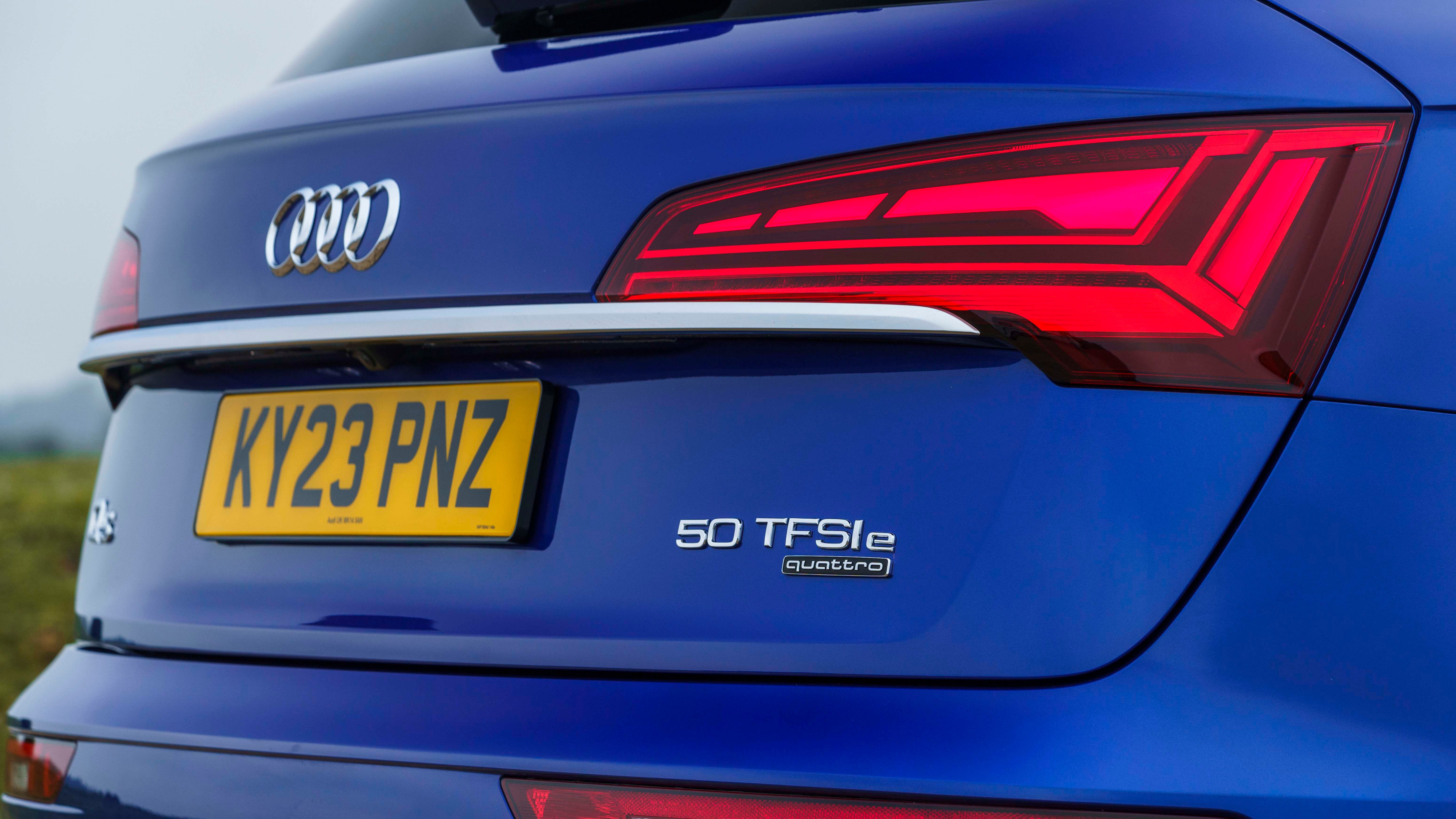
quattro Today: A Spectrum of Intelligent Drivetrains
Today, the quattro system is not a monolithic entity. Audi offers a diverse range of quattro implementations tailored to the specific needs and characteristics of each model. From the lighter, more fuel-efficient electronically controlled systems found in many of its sedans and SUVs to the highly advanced, performance-biased systems in its S and RS models, there’s a quattro for every driving enthusiast. The integration of electric motors to power the rear axle in plug-in hybrid and electric Audi models represents the next frontier of quattro, delivering instant torque and precise torque vectoring capabilities. Regardless of the specific configuration, the core principle of intelligent, all-wheel power distribution remains at the forefront, ensuring that the quattro legacy of superior traction, stability, and driving pleasure continues to evolve and define the Audi driving experience. This adaptability ensures that quattro remains a relevant and compelling technology across Audi’s expanding range of vehicles.
aViewFromTheCave is a participant in the Amazon Services LLC Associates Program, an affiliate advertising program designed to provide a means for sites to earn advertising fees by advertising and linking to Amazon.com. Amazon, the Amazon logo, AmazonSupply, and the AmazonSupply logo are trademarks of Amazon.com, Inc. or its affiliates. As an Amazon Associate we earn affiliate commissions from qualifying purchases.