
In the realm of DIY projects, home improvement, and professional construction, certain materials are foundational, yet their names often elude a clear understanding for many. One such material is PVA primer. While its application might seem straightforward – preparing a surface for paint or adhesive – the “PVA” itself represents a fascinating intersection of chemistry and material science, underpinning its unique properties and widespread utility. This article will delve into the technological underpinnings of PVA primer, exploring what PVA stands for, the science behind its formulation, and its critical role across various applications.
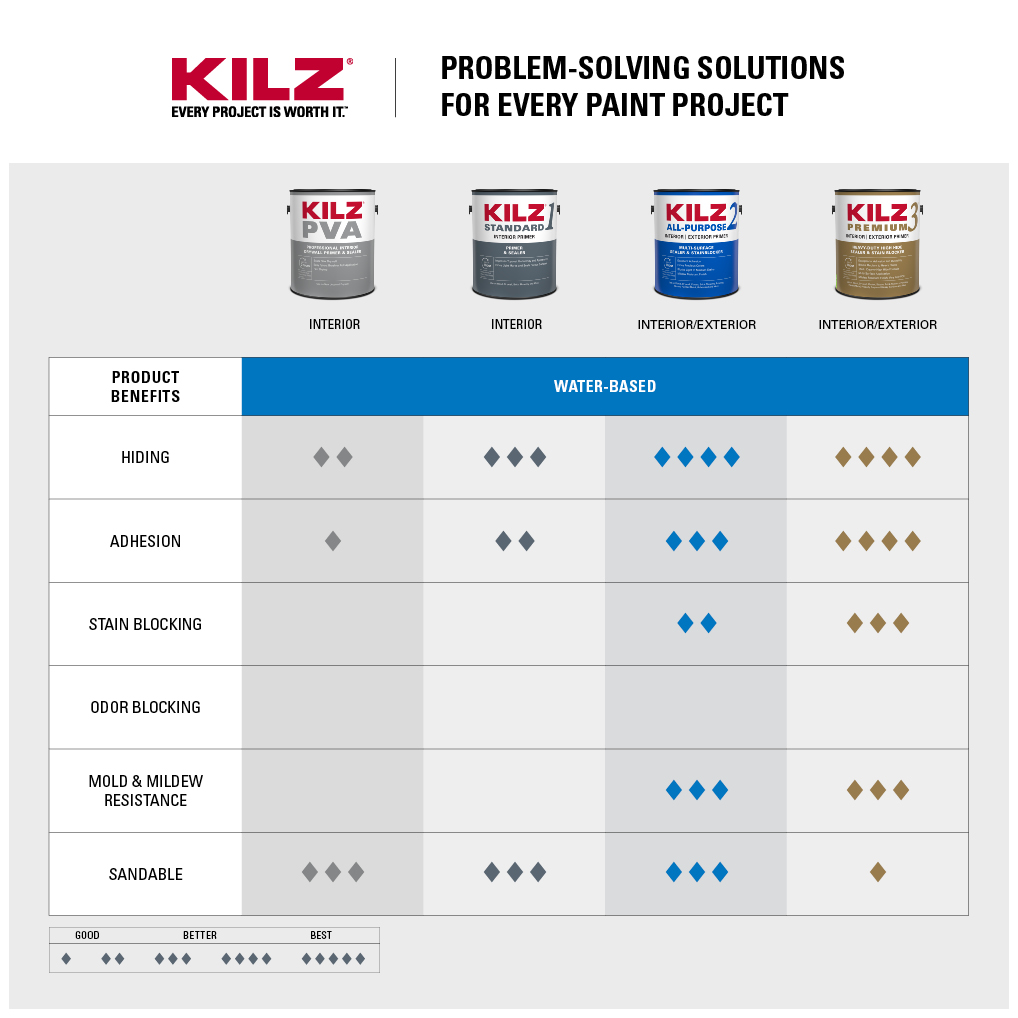
The Chemical Backbone: Understanding Polyvinyl Acetate (PVA)
At its core, PVA primer derives its name and its most critical properties from Polyvinyl Acetate. This is a synthetic polymer, a long chain molecule formed by the polymerization of vinyl acetate monomer. The “P” in PVA stands for Poly, signifying “many,” the “V” stands for Vinyl, and the “A” stands for Acetate. Together, they describe a specific type of plastic polymer.
Monomers and Polymerization: The Genesis of PVA
The journey to PVA begins with vinyl acetate monomer (VAM). VAM is a volatile, colorless liquid that, under specific conditions of temperature, pressure, and the presence of initiators (substances that kickstart the chemical reaction), undergoes a process called free-radical polymerization. In this process, individual VAM molecules link together end-to-end, forming extremely long chains of polyvinyl acetate.
The length and branching of these polymer chains significantly influence the final properties of the PVA. Shorter chains might lead to a more liquid consistency, while longer, more entangled chains contribute to viscosity and adhesive strength. The precise control over this polymerization process is a cornerstone of modern chemical engineering, allowing manufacturers to tailor PVA properties for specific applications.
Properties Imparted by PVA
Polyvinyl acetate itself possesses a range of valuable properties that make it suitable for primers and adhesives:
- Adhesion: PVA exhibits excellent adhesion to a wide variety of porous and semi-porous surfaces, including wood, paper, plaster, and drywall. This is due to its ability to wet out these surfaces effectively and form strong intermolecular bonds.
- Film Formation: When PVA solutions dry, they form flexible, continuous films. This film acts as a barrier, sealing the surface and preventing the absorption of subsequent coatings or adhesives.
- Water Solubility (in its uncured state): Many PVA formulations are water-soluble or dispersible, making them easy to clean up with water. This is a significant advantage over solvent-based primers. However, once cured and dried, the PVA film becomes largely water-resistant.
- Non-toxicity: Generally, PVA is considered a safe and non-toxic material, making it a popular choice for consumer products and indoor applications.
- Cost-effectiveness: Compared to many other synthetic polymers, PVA is relatively inexpensive to produce, contributing to the affordability of PVA primers.
The “Primer” Aspect: Formulation and Functionality
While PVA is the key ingredient, the term “primer” signifies its specific role and the additional components that enhance its performance. A PVA primer is not simply diluted PVA; it’s a carefully engineered system designed to prepare a surface for a subsequent application.
Beyond the Polymer: Additives and Their Roles
A typical PVA primer formulation includes several key components beyond the polyvinyl acetate polymer itself:
- Binders: PVA acts as the primary binder, holding pigments and other solids together and adhering them to the substrate.
- Pigments: While many primers are white or off-white, pigments are often added for opacity and to provide a uniform color base. Titanium dioxide is a common pigment used for its excellent hiding power.
- Fillers: Inert materials like calcium carbonate or talc can be added to increase the bulk of the primer, improve its sanding properties, and reduce its cost.
- Dispersants and Surfactants: These chemicals help to keep the solid particles (pigments and fillers) evenly distributed within the liquid primer and improve its wetting ability on the surface.
- Rheology Modifiers: These additives control the viscosity and flow characteristics of the primer, ensuring it applies smoothly without excessive dripping or sagging.
- Preservatives: To prevent microbial growth and extend shelf life, small amounts of preservatives are often included.
- Water: This is the primary solvent or carrier for PVA primers, making them easy to apply and clean up.
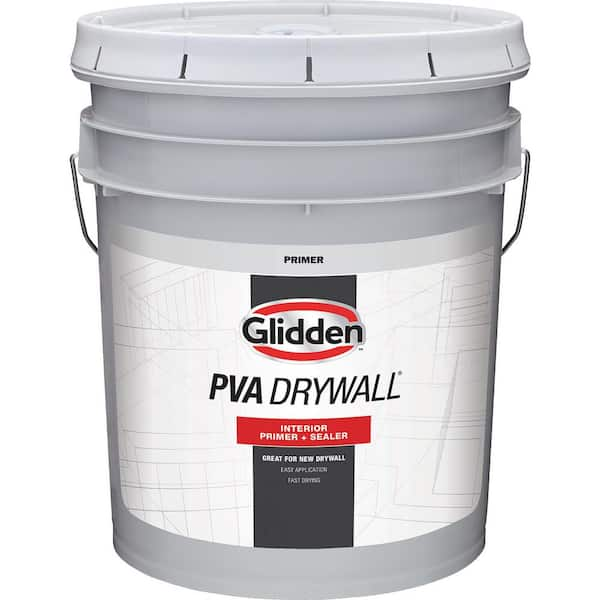
The Primer’s Primary Functions
The combination of PVA and these additives enables a PVA primer to perform several crucial functions:
- Sealing and Blocking: PVA primers effectively seal porous surfaces, preventing the topcoat from being excessively absorbed. This is particularly important for new drywall, unpainted wood, or surfaces with stains. By blocking the pores, it ensures a more uniform finish and reduces the amount of topcoat needed.
- Improving Adhesion: The PVA binder creates a receptive surface for the subsequent paint or adhesive. It bridges any minor irregularities on the substrate and provides a strong bond between the primer and the topcoat, preventing peeling or delamination.
- Uniformity of Finish: By creating a consistent surface porosity and color, the primer ensures that the final topcoat has a uniform sheen and color, avoiding patchy or uneven appearances.
- Bridging Minor Imperfections: While not a filler in the same way as some specialized compounds, the primer can fill in very minor surface textures, contributing to a smoother overall finish.
- Stain Blocking (in some formulations): Certain PVA primers are formulated with specific additives to block common household stains, such as water marks, smoke, or ink, preventing them from bleeding through subsequent coats of paint.
Applications and Technological Advancements in PVA Primers
The versatility of PVA, stemming from its tunable chemical structure and the ability to formulate it effectively, has led to its widespread adoption across various industries.
Home Improvement and DIY Applications
For the everyday homeowner, PVA primer is a ubiquitous tool:
- Drywall Priming: This is perhaps the most common application. New drywall is highly porous, and a PVA primer seals these pores, ensuring that paint adheres evenly and the same amount of paint is used across the entire surface. It also helps to hide the texture differences between drywall paper and joint compound.
- Wood Priming: Before painting or staining wood, a PVA primer can seal the grain, prevent excessive absorption of the finish, and provide a smooth surface for topcoating. It’s particularly useful for softwoods that can be blotchy when finished directly.
- Plaster and Masonry: PVA primers can be used to prepare plaster, concrete, and other masonry surfaces for painting, providing a uniform surface and improving paint adhesion.
Professional Construction and Industrial Uses
Beyond the home, PVA primers play critical roles in professional settings:
- Wallpaper Adhesion: Many wallpaper pastes contain PVA as a primary adhesive. For preparing walls before wallpapering, a PVA primer can improve the adhesion of the wallpaper paste and make future removal easier by providing a release layer.
- Pre-coating for Glues and Sealants: In some woodworking and construction applications, a PVA primer is applied to surfaces before applying specialized glues or sealants. This can enhance the bond strength and ensure a more durable finish.
- Art and Craft Applications: PVA glue (often referred to as white glue) is a diluted form of PVA and is used extensively in arts and crafts. PVA primers can be used in art preparation for canvases and other surfaces.

Evolving Technologies and Sustainability
The technology behind PVA primers is continuously evolving. Research and development are focused on:
- Low-VOC Formulations: As environmental regulations tighten, manufacturers are developing PVA primers with significantly lower volatile organic compounds (VOCs), making them healthier for indoor air quality.
- Enhanced Stain Blocking: Newer formulations are offering improved performance in blocking a wider range of stubborn stains.
- Faster Drying Times: Innovations in binder chemistry and additive packages are leading to primers that dry faster, improving project efficiency.
- Waterborne Technologies: The continued dominance of waterborne PVA primers reflects a broader industry trend towards more sustainable and user-friendly coating technologies.
In conclusion, the term “PVA primer” encapsulates a sophisticated piece of material science. “PVA” stands for Polyvinyl Acetate, a synthetic polymer whose inherent properties of adhesion, film formation, and versatility are harnessed and enhanced through careful formulation. As a primer, it acts as a crucial intermediary layer, preparing surfaces for subsequent finishes. Understanding the chemical basis and functional role of PVA primers reveals the elegant technological solutions that underpin many of our everyday improvements and professional constructions.
aViewFromTheCave is a participant in the Amazon Services LLC Associates Program, an affiliate advertising program designed to provide a means for sites to earn advertising fees by advertising and linking to Amazon.com. Amazon, the Amazon logo, AmazonSupply, and the AmazonSupply logo are trademarks of Amazon.com, Inc. or its affiliates. As an Amazon Associate we earn affiliate commissions from qualifying purchases.