
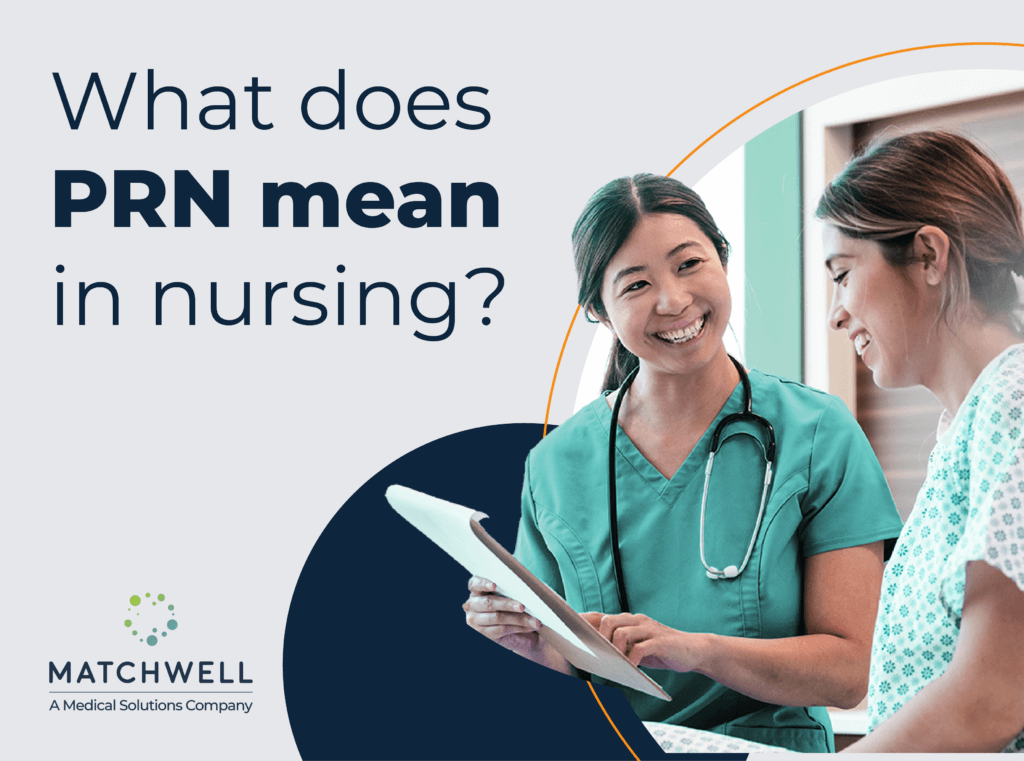
The landscape of healthcare is constantly evolving, driven by innovation and the persistent pursuit of efficiency. While the core mission of patient care remains paramount, the methodologies and operational structures supporting it are undergoing significant transformations. One such area of evolution, particularly concerning workforce management, is the rise of “per diem” or “as-needed” (PRN) nursing roles. Historically, PRN has been a familiar term in healthcare, signifying a flexible employment arrangement. However, in the contemporary context, the meaning and application of PRN are increasingly intertwined with technological advancements, impacting how healthcare facilities staff their units, how nurses manage their careers, and how the industry as a whole leverages its most valuable resource: its people. This article delves into the nuanced meaning of PRN in nursing, exploring its technological underpinnings, its implications for healthcare organizations, and the opportunities it presents for nursing professionals in the digital age.

The Technological Underpinnings of Modern PRN Nursing
The traditional image of PRN nursing often involved word-of-mouth arrangements, manual scheduling, and the unpredictable nature of filling last-minute shifts. This was a system ripe for disruption, and technology has answered the call. The advent of sophisticated Human Capital Management (HCM) systems, specialized staffing software, and even the ubiquitous smartphone has fundamentally reshaped how PRN nurses are recruited, scheduled, and managed.
Digital Platforms for PRN Talent Acquisition
Gone are the days when healthcare facilities solely relied on bulletin boards or phone trees to find PRN staff. Today, numerous digital platforms and applicant tracking systems (ATS) are employed to streamline the recruitment of per diem nurses. These platforms allow hospitals and clinics to post available PRN shifts, filter candidates based on qualifications, certifications, and experience, and manage applications efficiently.
-
AI-Powered Matching and Skill Verification: Advanced ATS solutions are now incorporating artificial intelligence (AI) to go beyond simple keyword matching. AI algorithms can analyze nurse profiles, identify specific skill sets (e.g., ICU experience, specific equipment proficiency, language skills), and even predict potential fit for particular units. This significantly reduces the time and effort required for nurse managers to identify suitable PRN candidates, ensuring a higher quality of candidates are presented for consideration. Furthermore, some platforms are integrating with credentialing bodies and continuing education providers to offer real-time verification of licenses and certifications, enhancing compliance and safety.
-
Online Portals for Onboarding and Credentialing: The onboarding process for PRN nurses can often be a bottleneck. Technology has enabled the creation of secure online portals where prospective PRN staff can upload required documents, complete training modules, and undergo background checks remotely. This digital-first approach not only speeds up the onboarding timeline but also ensures a standardized and compliant process for all new PRN hires, regardless of their location.
Sophisticated Scheduling and Communication Tools
Perhaps the most significant technological impact on PRN nursing lies in scheduling and communication. The inherent unpredictability of per diem staffing demands agility, and technology provides the tools for this.
-
Real-Time Shift Bidding and Fulfillment: Mobile applications and web-based platforms have revolutionized shift filling. Instead of relying on phone calls or emails, facilities can push out open PRN shifts to a pool of qualified nurses in real-time. Nurses can then view available shifts, bid on them, or accept them directly through the app. This instant communication and fulfillment mechanism drastically reduces unfilled shifts and ensures that critical staffing needs are met promptly. Features like push notifications ensure that nurses are alerted immediately to new opportunities that match their availability and preferences.
-
Automated Scheduling and Optimization: For larger healthcare systems, advanced scheduling software can optimize PRN assignments based on a multitude of factors, including nurse availability, skill mix requirements, patient acuity, and even predicted patient census. These systems can learn from historical data and suggest optimal staffing configurations, minimizing understaffing and overstaffing. They can also manage complex scheduling rules, such as avoiding double shifts or ensuring adequate rest periods for nurses.
-
Secure Messaging and Collaboration: Effective communication is vital for any nursing role, but it becomes even more critical for PRN staff who may not have established daily relationships with unit teams. Modern staffing platforms often incorporate secure messaging features that allow PRN nurses to communicate with charge nurses, supervisors, or other team members before, during, and after their shifts. This facilitates better handoffs, allows for quick clarification of questions, and promotes seamless integration into the existing care team, ensuring continuity of care.
The Evolution of PRN: From Supplemental Staff to Strategic Resource
The term “PRN” in nursing has historically signified a supplemental or “as-needed” staffing solution, primarily used to cover unexpected absences, fluctuating patient census, or specialized skill shortages. However, the integration of technology has elevated PRN nurses from a reactive staffing band-aid to a strategically valuable component of a flexible and resilient healthcare workforce.
Enhancing Agility and Responsiveness in Healthcare Operations
In an industry where demand can shift rapidly due to seasonal illnesses, public health emergencies, or unexpected surges in patient admissions, the ability to quickly scale the workforce is paramount. PRN nursing, empowered by technology, offers unparalleled agility.
-
Rapid Response to Fluctuations: Technology platforms allow healthcare organizations to tap into a pre-vetted pool of PRN nurses at a moment’s notice. This is crucial for managing unexpected increases in patient volume, such as during flu season or after a local event. Instead of scrambling to hire temporary staff through agencies, which can be costly and time-consuming, facilities can leverage their internal PRN pool managed through efficient digital systems.
-
Filling Specialized Skill Gaps: Certain specialized nursing skills can be in high demand and short supply. PRN nurses often possess these specialized skills, and technology makes it easier to identify and deploy them where they are most needed. For instance, if a unit requires a nurse with specific pediatric critical care experience for a short-term project or to cover an extended leave, a well-managed PRN database, searchable by specialty, can quickly identify suitable candidates.
- Optimizing Resource Allocation: By utilizing PRN staff strategically, healthcare facilities can optimize their overall labor costs. Rather than maintaining a larger permanent staff that may be underutilized during slower periods, organizations can supplement their core staff with PRN nurses when demand is high. This flexible staffing model, enabled by sophisticated scheduling technology, allows for better alignment of staffing levels with actual patient needs, leading to improved operational efficiency.
Empowering Nurses with Career Flexibility and Control
The traditional 9-to-5 employment model is not suitable for everyone. PRN nursing, when facilitated by technology, offers a compelling alternative for nurses seeking greater control over their careers and work-life balance.
-
On-Demand Work Opportunities: The rise of nurse staffing apps and platforms has created a marketplace where nurses can access a wide array of PRN opportunities across different facilities and specialties. This allows nurses to pick up shifts that fit their schedule, whether they are looking for supplemental income, a more flexible work arrangement, or a way to maintain their skills while pursuing other endeavors.
-
Diversifying Clinical Experience: PRN roles offer an excellent avenue for nurses to gain exposure to various clinical settings, patient populations, and hospital cultures without the commitment of a permanent position. This can be invaluable for early-career nurses exploring different specialties or for experienced nurses looking to broaden their skill sets and adapt to new healthcare environments. Technology facilitates this by providing easy access to shift information across a network of facilities.
-
Work-Life Integration: For nurses juggling personal responsibilities, continuing education, or other career aspirations, PRN work provides the flexibility to integrate their professional lives with their personal needs. Technology makes this integration seamless, allowing nurses to manage their availability, accept shifts, and track their earnings all through user-friendly digital interfaces, giving them unprecedented control over their schedules.
The Future of PRN: AI, Data Analytics, and the Integrated Healthcare Ecosystem
The integration of technology with PRN nursing is not a static phenomenon. The continuous advancement of AI and data analytics promises to further refine and elevate the role of PRN staff within the healthcare ecosystem, moving towards a more intelligent and predictive approach to workforce management.
Predictive Staffing and Proactive Resource Management
The next frontier for PRN nursing lies in leveraging data to move from reactive filling of shifts to proactive, predictive staffing.
-
AI-Driven Demand Forecasting: By analyzing historical patient census data, seasonal trends, local health data, and even external factors like weather patterns or community events, AI algorithms can predict future staffing needs with increasing accuracy. This allows healthcare organizations to anticipate potential shortages and proactively engage their PRN workforce, ensuring adequate staffing well in advance of critical periods.
-
Optimized PRN Pool Management: AI can analyze the skills, availability, and performance data of the PRN pool to identify potential gaps and recommend targeted recruitment or training initiatives. It can also suggest the ideal mix of PRN staff for specific units or shifts based on predicted patient acuity and complexity, ensuring that the right skills are available when and where they are needed most.
-
Personalized PRN Opportunities: Just as AI powers personalized recommendations in e-commerce, it can also be used to deliver highly personalized PRN shift opportunities to nurses. By learning a nurse’s preferences, performance history, and career goals, AI can proactively suggest shifts that are not only convenient but also align with their professional development aspirations, leading to higher engagement and satisfaction among PRN staff.

Enhancing Quality of Care and Patient Outcomes Through Technology
The ultimate goal of any staffing strategy, including PRN, is to ensure high-quality patient care. Technology plays a crucial role in bridging the gap between flexible staffing and consistent, excellent outcomes.
-
Seamless Integration with EHR Systems: For PRN nurses to function effectively and safely, they need seamless access to patient information. Advancements in Electronic Health Record (EHR) systems and their integration with staffing platforms ensure that PRN staff can quickly access patient charts, review care plans, and document their interventions, just like permanent staff. This interoperability is critical for maintaining continuity of care and patient safety.
-
Performance Monitoring and Feedback Loops: Technology enables better tracking and evaluation of PRN nurse performance. Through digital feedback mechanisms and data analytics, facilities can gather insights into the effectiveness of their PRN staff, identify areas for improvement, and provide targeted training or support. This not only enhances the quality of care provided by PRN nurses but also contributes to their professional growth and retention.
-
Data-Driven Quality Improvement: The data generated from PRN staffing activities, shift fulfillment rates, nurse performance, and patient outcomes can be a valuable resource for continuous quality improvement initiatives. By analyzing this data, healthcare organizations can identify trends, optimize staffing models, and ultimately enhance the overall quality and efficiency of patient care delivery.
In conclusion, the term “PRN” in nursing, while historically straightforward, has been profoundly transformed by technological innovation. It is no longer merely a designation for “as-needed” employment but represents a dynamic, technology-enabled approach to workforce management. From AI-powered recruitment and sophisticated scheduling platforms to predictive analytics and seamless EHR integration, technology has empowered both healthcare organizations and nursing professionals, creating a more agile, efficient, and flexible healthcare ecosystem. As technology continues to advance, the role of PRN nursing will only become more sophisticated, playing an increasingly vital part in ensuring that healthcare facilities can consistently deliver high-quality care in an ever-changing world.
aViewFromTheCave is a participant in the Amazon Services LLC Associates Program, an affiliate advertising program designed to provide a means for sites to earn advertising fees by advertising and linking to Amazon.com. Amazon, the Amazon logo, AmazonSupply, and the AmazonSupply logo are trademarks of Amazon.com, Inc. or its affiliates. As an Amazon Associate we earn affiliate commissions from qualifying purchases.