
The global economy is increasingly defined not just by borders, but by linguistic and cultural blocs that facilitate trade, investment, and consumer behavior. Among these, the Spanish-speaking world—comprising over 500 million people across 20 countries and one territory—stands as one of the most significant opportunities for investors, entrepreneurs, and financial strategists. To understand “what are all the Spanish-speaking countries” from a financial perspective is to recognize a diverse portfolio of emerging markets, established European stability, and untapped consumer potential.
For those looking to diversify wealth or scale a business, the Hispanosphere represents a combined GDP that rivals the world’s largest economies. This article explores the economic nuances of these nations, the financial trends driving their growth, and the strategic importance of the Spanish-speaking market in the modern financial era.
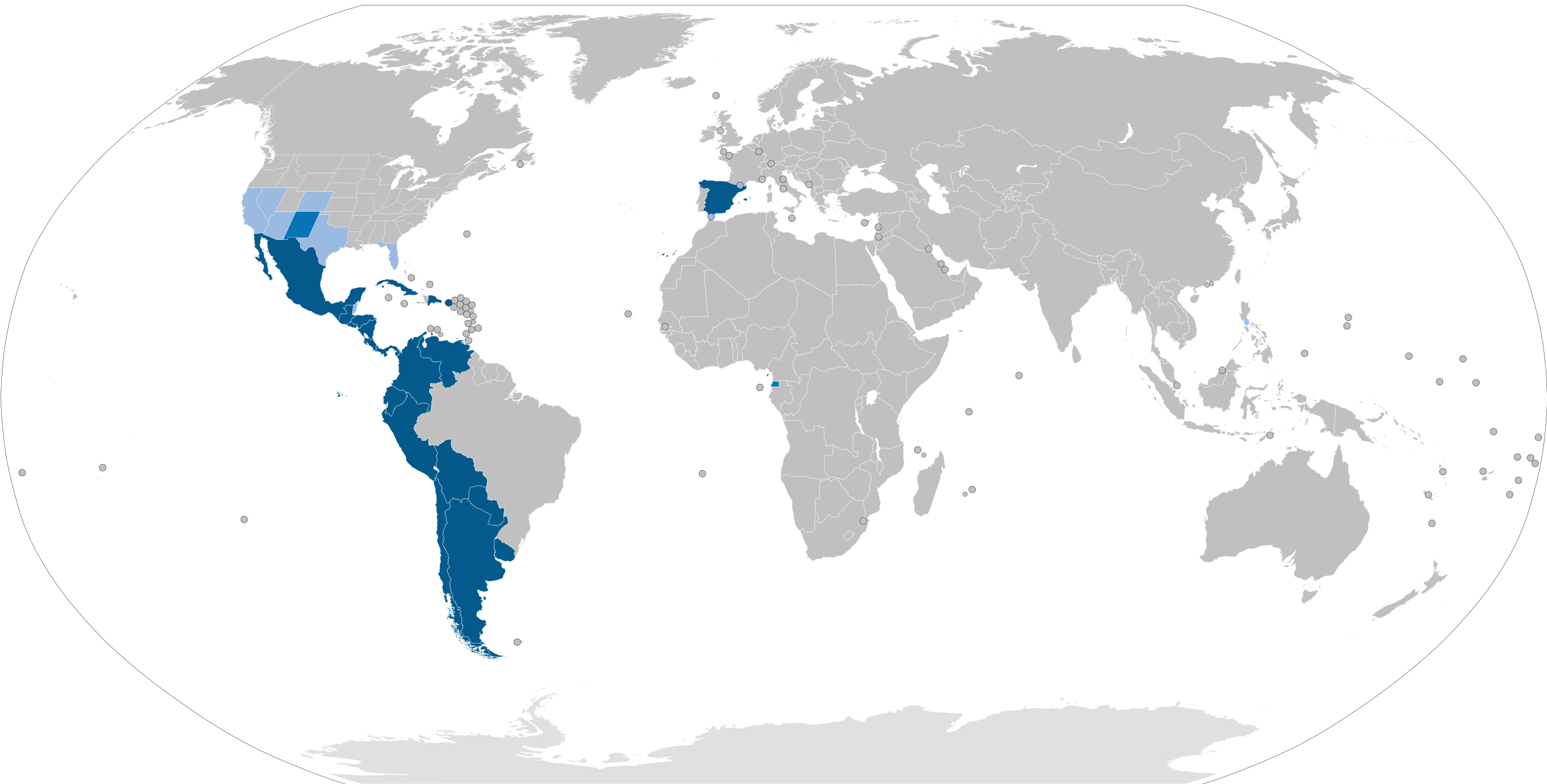
The Global Economic Power of the Hispanosphere
The sheer scale of the Spanish-speaking world offers a compelling case for financial interest. Spanning Europe, North America, Central America, South America, and even parts of Africa, these nations are no longer just “developing markets”; they are critical hubs for manufacturing, technology, and natural resources.
Why Investors Are Looking Toward Spanish-Speaking Regions
The primary driver for investment in these regions is the demographic dividend. While many Western nations face aging populations, several Spanish-speaking countries in Latin America possess a young, increasingly educated workforce. This demographic shift fuels domestic consumption and provides a robust labor pool for multinational corporations.
Furthermore, the shared linguistic heritage reduces “soft costs” in business. A financial tool or platform developed in Mexico can, with minor adjustments for local regulations and currency, be scaled across Colombia, Peru, and Chile. This scalability makes the Spanish-speaking world a prime target for venture capital and private equity firms looking for high-growth opportunities.
The Aggregate Purchasing Power
Collectively, the purchasing power of Spanish speakers is estimated to exceed $3 trillion. In the United States alone, the Hispanic market represents the 5th largest economy in the world if it were a standalone nation. Understanding the geographical distribution of these countries is the first step in tapping into this massive flow of capital.
Analyzing the Core Markets: Europe and North America
When identifying Spanish-speaking countries, the conversation often begins with the two largest economic anchors: Spain and Mexico. These nations serve as the primary gateways for capital moving between the Old World, the Americas, and the global supply chain.
Spain: The Gateway to the European Union
Spain is the only Spanish-speaking nation in the Eurozone, making it a unique asset for investors. It offers the stability of the Euro and the regulatory protections of the EU, combined with deep cultural and corporate ties to Latin America. For many firms, Spain serves as a “bridge” jurisdiction; companies headquartered in Madrid often manage their Latin American operations from there due to favorable tax treaties and historical expertise.
Spain’s economy has transitioned from a reliance on tourism and real estate to becoming a leader in renewable energy and digital banking. For the personal financier, Spain offers a stable environment for real estate investment and a robust “Golden Visa” program (though subject to changing regulations) that attracts international capital.
Mexico: A Manufacturing and Trade Powerhouse
Mexico is arguably the most strategically positioned Spanish-speaking country. As a member of the USMCA (United States-Mexico-Canada Agreement), Mexico has become the primary beneficiary of “nearshoring”—the practice of moving manufacturing closer to the U.S. market to avoid trans-Pacific supply chain disruptions.
From an investment standpoint, Mexico’s manufacturing sector (particularly automotive and aerospace) is world-class. However, the real “money” story in Mexico today is the explosion of its middle class and the subsequent rise of domestic consumer brands. Mexico City has emerged as a financial hub for the entire region, hosting some of the largest stock exchanges and fintech unicorns in Latin America.
The Emerging Potential of South and Central America
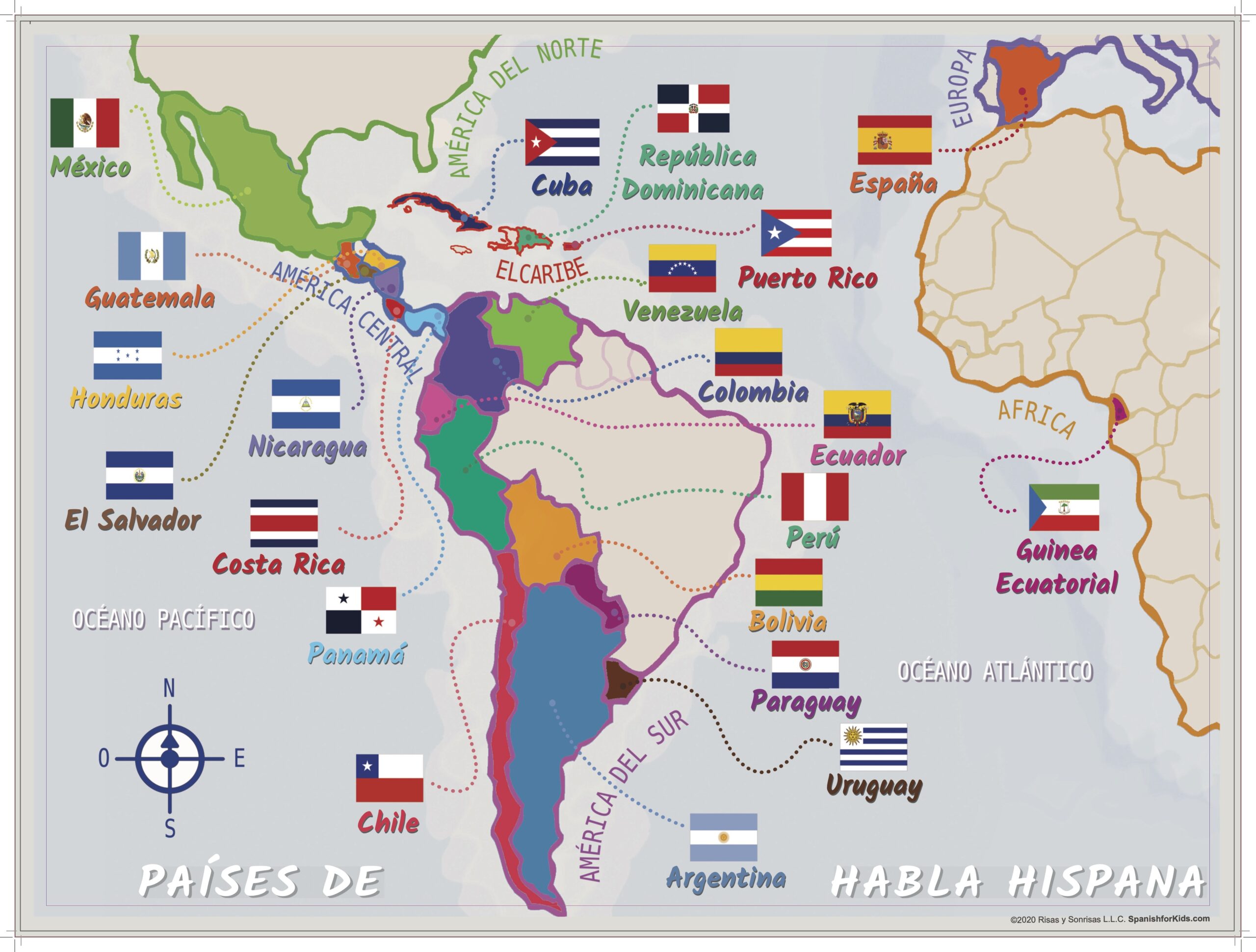
South and Central America house the majority of Spanish-speaking nations, each offering a distinct risk-reward profile for the financially literate. From the resource-rich Andean nations to the stable financial sectors of the Southern Cone, the diversity is immense.
The Southern Cone: Financial Hubs and Resource Wealth
Argentina, Chile, and Uruguay represent the Southern Cone.
- Chile has long been the gold standard for economic stability in the region, boasting a high credit rating and a sophisticated private pension system that provides deep domestic capital markets. It is a global leader in copper and lithium exports, making it central to the global “green energy” transition.
- Argentina, despite its well-documented inflationary challenges, remains a powerhouse of human capital. It has produced more “unicorns” (startups valued over $1 billion) per capita than almost any other country in the region. For the high-risk investor, Argentina’s distressed assets and tech talent offer a high-ceiling opportunity.
- Uruguay serves as the “Switzerland of the South,” offering a stable political climate and favorable tax laws that have made it a hub for regional wealth management and software exports.
The Andean and Central American Growth Opportunities
The Andean nations—Colombia, Peru, and Ecuador—have shown remarkable resilience.
- Colombia has successfully pivoted toward a service-oriented economy, with Medellin and Bogota becoming hubs for international BPO (Business Process Outsourcing) and tech development.
- Peru has maintained one of the lowest debt-to-GDP ratios in the region, anchored by its massive mining sector.
- In Central America, countries like Costa Rica and Panama are the standouts. Panama, with its canal and dollarized economy, is a global logistics and banking center. Costa Rica has transitioned from an agricultural economy to a high-tech exporter, particularly in medical devices and sustainable tourism.
Other Spanish-speaking nations to note include Venezuela, Bolivia, Paraguay, Guatemala, Honduras, El Salvador, Nicaragua, the Dominican Republic, Cuba, and Equatorial Guinea (in Africa). Each of these requires a nuanced approach, often balancing high political risk with untapped market gaps.
FinTech and the Digital Transformation of Spanish-Speaking Economies
One of the most exciting “money” narratives in the Spanish-speaking world is the rapid adoption of financial technology. Historically, these regions have been characterized by high “underbanked” populations, where a large percentage of the citizenry lacked access to traditional credit and savings products.
Solving the Unbanked Crisis through Innovation
The lack of traditional banking infrastructure has allowed Spanish-speaking countries to “leapfrog” directly to mobile banking. In countries like Colombia and Mexico, fintech startups are providing digital wallets, micro-loans, and investment platforms to millions who were previously excluded from the formal economy.
This digital transformation is creating a new class of consumers. For the international investor, this means that the barrier to entry for reaching the Spanish-speaking consumer is lower than ever. You no longer need a physical branch on every corner; you need an app that speaks the language and understands local payment habits.
Remittances and Cross-Border Capital Flows
Remittances—money sent home by workers abroad—play a massive role in the economies of countries like El Salvador, Guatemala, and Mexico. This creates a multi-billion dollar industry focused on cross-border payments. We are seeing a surge in blockchain and stablecoin adoption in these regions as a means to reduce the high fees associated with traditional wire transfers. This makes the Spanish-speaking world a primary laboratory for the future of decentralized finance (DeFi).
Strategic Considerations for Diversifying into Spanish-Speaking Jurisdictions
Investing in or expanding into Spanish-speaking markets requires more than just a list of countries; it requires a strategic understanding of local financial environments.
Currency Management and Inflation Hedging
One of the primary challenges in Latin American markets is currency volatility. While Mexico’s Peso has shown recent strength, other currencies have struggled against the US Dollar. Professional investors often utilize hedging strategies or look for “dollarized” opportunities (such as in Panama or Ecuador) to mitigate this risk. Understanding the local central bank policies of each nation is essential for protecting capital.
Regulatory Landscapes and Tax Incentives
Each Spanish-speaking country has its own regulatory framework. However, many are actively courting foreign investment through tax incentives.
- Spain offers tax regimes for “Beckham Law” applicants to attract high-net-worth individuals and tech talent.
- The Dominican Republic and Costa Rica offer significant tax breaks for retirees and investors in the tourism and manufacturing sectors.
- Mexico provides a variety of incentives for companies looking to set up operations in its special economic zones.

Conclusion: The Spanish-Speaking World as a Financial Frontier
Identifying “what are all the Spanish-speaking countries” is the beginning of a journey into a vast, interconnected economic ecosystem. From the mature markets of the Iberian Peninsula to the high-growth corridors of North and South America, the Spanish-speaking world offers a spectrum of opportunities for wealth creation and business expansion.
For the modern financier, these 21 jurisdictions represent more than just a shared language; they represent a strategic frontier. By understanding the unique economic drivers of each nation—be it Chile’s lithium, Mexico’s manufacturing, or Spain’s digital banking—investors can position themselves to benefit from the continued rise of the Hispanosphere in the global market. In an era of shifting alliances and emerging markets, the Spanish-speaking world is not just a region to watch; it is a region to invest in.
aViewFromTheCave is a participant in the Amazon Services LLC Associates Program, an affiliate advertising program designed to provide a means for sites to earn advertising fees by advertising and linking to Amazon.com. Amazon, the Amazon logo, AmazonSupply, and the AmazonSupply logo are trademarks of Amazon.com, Inc. or its affiliates. As an Amazon Associate we earn affiliate commissions from qualifying purchases.