
In the rapidly evolving landscape of digital entertainment and streaming ecosystems, few features have been as transformative as the “Prime Sub.” Short for a Twitch Prime Subscription—now officially part of the Prime Gaming suite—this feature represents a sophisticated integration between Amazon’s e-commerce dominance and Twitch’s leadership in live-streaming technology. For the uninitiated, a Prime Sub is more than just a button on a screen; it is a gateway to a unique digital relationship between viewers, creators, and two of the world’s largest tech infrastructures.
To understand what a Prime Sub does, one must look past the simple act of clicking “Subscribe.” It involves a complex web of account linking, digital entitlement management, and platform-specific perks that have redefined how software ecosystems can incentivize user engagement.

The Mechanics of the Twitch Prime Subscription
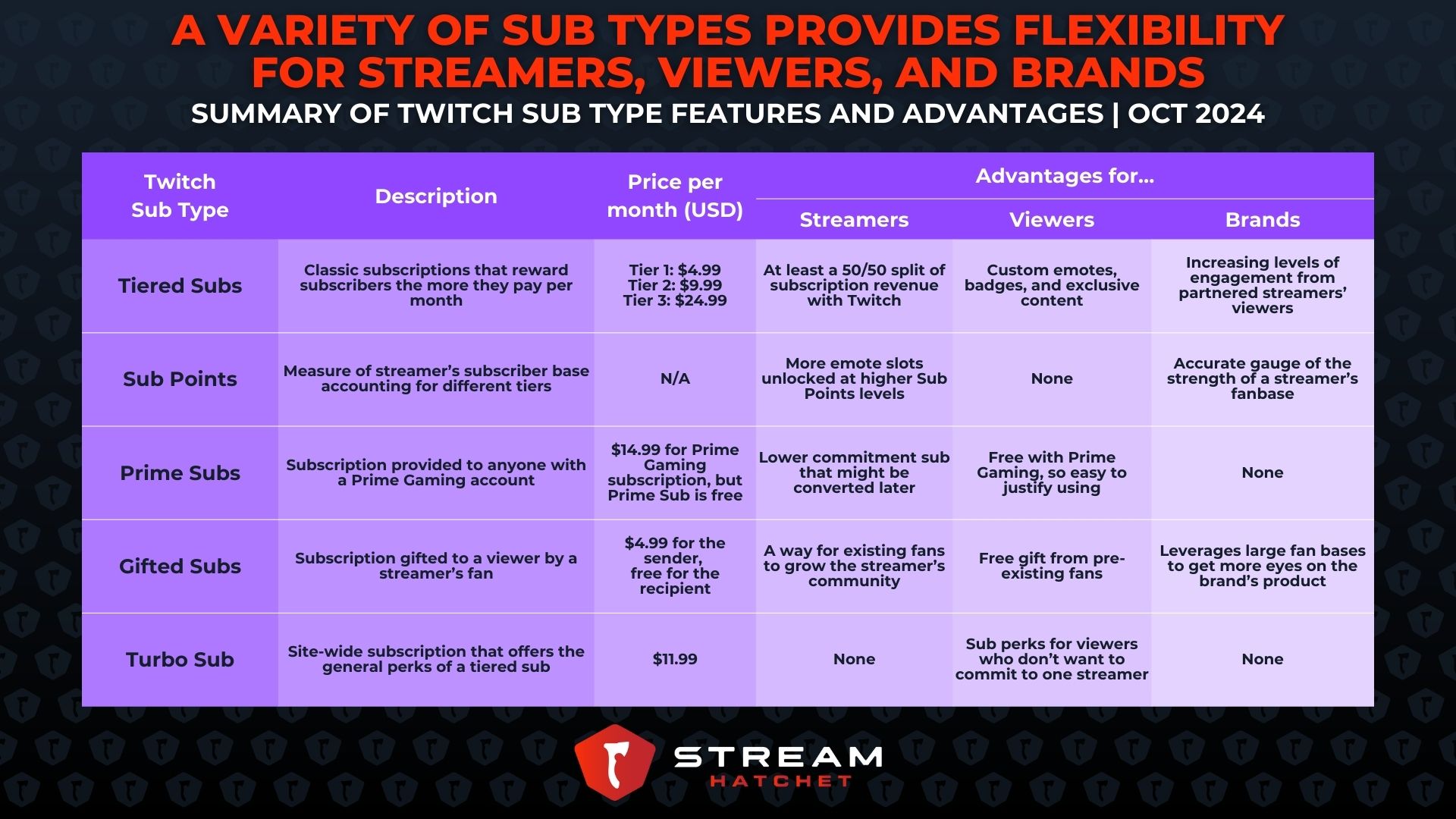
At its core, a Prime Sub is a monthly benefit provided to members of Amazon Prime or Prime Video. It allows a user to subscribe to a single Twitch channel every 30 days at no additional cost beyond their existing Amazon membership fee. This mechanism is a masterclass in cross-platform software integration.
Bridging Amazon Prime and Prime Gaming
The technological foundation of a Prime Sub lies in the synergy between Amazon’s retail platform and Twitch’s streaming servers. When a user signs up for Amazon Prime, they are granted access to “Prime Gaming.” To activate the Prime Sub feature, the user must undergo a process called account linking. This process utilizes OAuth (Open Authorization) protocols to securely share credential permissions between Amazon.com and Twitch.tv without exposing the user’s password to the secondary platform. Once linked, the Twitch interface recognizes the user’s “Prime” status, unlocking a digital token that can be “spent” on a creator of their choice.
The Monthly Renewal Cycle and Manual Triggering
Unlike a standard recurring subscription—which typically uses an automated billing API to charge a credit card every month—the Prime Sub is designed as a manual entitlement. From a software design perspective, this encourages “active” rather than “passive” engagement. Every 30 days, the subscription expires, and the user must return to the channel to re-apply their Prime Sub. This manual trigger ensures that users are consistently interacting with the platform’s UI, keeping them within the ecosystem and providing data points for user retention and behavior analytics.
Key Features and Benefits for the Viewer
When a user utilizes their Prime Sub, they aren’t just supporting a creator; they are unlocking a suite of software-driven features that enhance the viewing experience. These perks are coded into the Twitch platform to provide immediate feedback and status symbols within the community.
Ad-Free Viewing and Custom Emotes
One of the most significant technical benefits of a Prime Sub is the modification of the video player’s behavior. For the specific channel a user is subscribed to, the platform’s ad-insertion software is bypassed. This “Ad-Free Viewing” perk is a result of a permission-based filter in the Twitch video stack, ensuring that the viewer’s stream remains uninterrupted by mid-roll or pre-roll advertisements.
Furthermore, a Prime Sub grants access to custom emotes. These are proprietary image assets uploaded by the streamer and stored on Twitch’s content delivery network (CDN). Once a user subscribes, their user ID is updated in the database to include “subscriber” permissions for that specific channel, allowing them to use these unique graphics in any chat across the entire platform.
Chat Badges and Subscriber-Only Content
The Prime Sub also functions as a digital identity marker. Upon subscribing, a user receives a “Prime” crown badge and a channel-specific subscriber badge next to their username in the chat interface. This is a real-time metadata update; as soon as the subscription is processed, every message sent by that user is appended with these visual identifiers. Additionally, many creators use the platform’s “Sub-Only Mode” for chat or “Sub-Only VODs” (Video on Demand). The Prime Sub acts as a cryptographic key, granting the user entry into these restricted areas of the site’s database.
The Technological Infrastructure Behind the Scenes
The seamless experience of clicking a button and seeing a shower of digital confetti on a stream belies the complex technical architecture required to make a Prime Sub work. It is a feat of distributed systems and high-availability engineering.
OAuth and Account Linking Security
Security is paramount when two massive platforms share user data. The “Prime Sub” ecosystem relies on secure API calls to verify membership status. When a user navigates to their subscription page, Twitch’s backend sends a request to Amazon’s entitlement API. This request confirms whether the Amazon account is in good standing (active subscription, no payment failures). The response is returned in milliseconds, ensuring that the user’s “Sub available” status is reflected in the UI in real-time. This secure handshake is what allows millions of users to move between their shopping accounts and their entertainment accounts without friction.
Real-time Notification Systems and Webhooks
A critical component of what a Prime Sub “does” is the immediate feedback it provides to the streamer. This is achieved through webhooks and WebSocket connections. When a viewer clicks the Prime Sub button, a message is sent to Twitch’s PubSub system. This system then pushes a notification to the streamer’s broadcasting software (like OBS or Streamlabs).
Within seconds, an automated alert—often featuring custom animations and sound effects—appears on the live broadcast. This real-time synchronization is essential for the “live” feel of the platform, requiring low-latency communication between the user’s browser, Twitch’s servers, and the streamer’s local machine.
How Prime Subs Support the Digital Creator Economy
While the viewer sees features and the developer sees code, the Prime Sub is fundamentally a tool for sustaining the creator economy. It bridges the gap between a massive corporate entity (Amazon) and individual independent broadcasters.
Revenue Splits and Payout Architectures
From a business-tech perspective, a Prime Sub represents a specific financial transaction. Although the user does not pay extra, Twitch compensates the streamer as if it were a standard Tier 1 subscription (usually a 50/50 split of the $4.99 value, though this varies for “partnered” streamers). The backend accounting system must track millions of these “zero-cost” transactions, calculate the appropriate payouts based on regional currency conversions and tax laws, and aggregate them into a monthly payout cycle. This automated payroll system is a massive undertaking, ensuring that thousands of creators are paid accurately for the digital “tokens” their viewers have contributed.
Impact on Channel Growth and Discoverability
The Prime Sub also feeds into Twitch’s recommendation algorithms. Channels with high subscriber counts—including Prime Subs—are often prioritized in the “Recommended” and “Trending” sections of the site. The software treats a Prime Sub as a high-intent engagement signal. When a user commits their monthly sub to a creator, the algorithm interprets this as a strong endorsement of the content quality. Consequently, what a Prime Sub “does” is indirectly boost a creator’s visibility, using data-driven metrics to shape the platform’s content discovery engine.
Troubleshooting and Optimizing Your Digital Experience
Despite the robust engineering, users occasionally encounter friction with the Prime Sub system. Understanding these tech-centric hurdles can help in optimizing the experience.
Common Linkage Issues and Mobile App Limitations
One frequent issue involves “de-synced” accounts. If a user changes their Amazon password or if their Prime membership lapses and is later renewed, the OAuth token may expire. This results in the Prime Sub option disappearing from the Twitch UI. Resolving this usually requires a “re-handshake”—unlinking and re-linking the accounts to refresh the API permissions.
Furthermore, there is a notable technical discrepancy between the desktop and mobile versions of Twitch. Due to the commission structures of mobile app stores (like Apple’s App Store and Google Play), Twitch often restricts the use or purchase of subscriptions within the mobile app to avoid the 30% “platform tax.” Consequently, many users find they can only apply their Prime Sub via a mobile or desktop web browser rather than the native app, a decision driven by the intersection of software distribution and corporate finance.

Future Trends in Gaming Subscriptions
As we look toward the future of tech, the “Prime Sub” model is likely to evolve. We are seeing the rise of “platform-agnostic” memberships and deeper integrations with cloud gaming (like Amazon Luna). We may eventually see Prime Subs that grant not just channel perks, but in-game assets that are automatically injected into a player’s inventory across different software titles using cross-save technology.
In conclusion, a Prime Sub is a multifaceted digital tool. It is an authorization token, a social status symbol, a driver for recommendation algorithms, and a vital revenue stream for the modern creator. By understanding the technological layers—from OAuth security to real-time WebSockets—users can better appreciate the complex software ecosystem that allows them to support their favorite creators with a single click.
aViewFromTheCave is a participant in the Amazon Services LLC Associates Program, an affiliate advertising program designed to provide a means for sites to earn advertising fees by advertising and linking to Amazon.com. Amazon, the Amazon logo, AmazonSupply, and the AmazonSupply logo are trademarks of Amazon.com, Inc. or its affiliates. As an Amazon Associate we earn affiliate commissions from qualifying purchases.