
In the lexicon of modern commerce, few words carry as much weight, recognition, and strategic gravity as “Prime.” For the average consumer, the term evokes images of blue-taped cardboard boxes and instant digital gratification. However, for brand strategists and corporate leaders, the meaning of Prime extends far beyond a simple subscription service. It represents one of the most successful brand-building exercises in history—a transition from a transactional retail platform to an indispensable lifestyle ecosystem. Understanding what Prime means in the context of Amazon requires an analysis of how the company leveraged brand psychology, emotional resonance, and a “flywheel” business model to rewrite the rules of corporate identity.
The Semantics of “Prime”: Engineering a Brand Identity of Priority
The selection of the word “Prime” was a calculated move in brand positioning. In branding, names are rarely accidental; they are chosen to signal a specific value proposition. By definition, “prime” refers to something of the first importance, the best possible quality, or a state of greatest strength. By labeling its membership program “Amazon Prime,” the company subtly but effectively communicated a hierarchy of service.
From Utility to Status
Before the launch of Prime in 2005, Amazon was primarily perceived as a high-efficiency utility—a place to find books and electronics at competitive prices. The introduction of Prime shifted the brand’s identity from a “store” to a “club.” This shift tapped into a fundamental aspect of brand psychology: the desire for belonging and priority. When a customer becomes a “Prime Member,” they are no longer just a user; they are an insider. This sense of status, even at a low barrier to entry, creates an emotional tether that traditional retail models struggle to replicate.
The Power of Simplified Value Propositions
The initial branding of Prime was built on a singular, powerful promise: free two-day shipping. In a world where shipping costs were the primary friction point for e-commerce, Amazon branded “fast and free” as a foundational right of its members. This clarity of purpose allowed the brand to occupy a specific “mental shelf” in the consumer’s mind. Whenever a consumer thought of speed and reliability, the “Prime” brand was the immediate mental shortcut. This is the hallmark of a successful brand strategy—owning a specific attribute in the marketplace so completely that it becomes synonymous with the brand name itself.
The Ecosystem Flywheel: How Prime Redefined Corporate Identity
To understand what Prime means to Amazon’s brand strategy, one must look at the concept of the “flywheel.” In this model, the Prime brand acts as the central axis around which all other business units rotate. It is the connective tissue that binds together disparate services like grocery shopping, video streaming, cloud storage, and pharmaceutical delivery.
Creating a Walled Garden of Brand Equity
The brand strategy behind Prime is rooted in the “lock-in” effect, but framed through the lens of added value. By continuously layering benefits—Prime Video, Prime Music, Prime Reading, and Whole Foods discounts—Amazon transformed the membership into a lifestyle anchor. From a brand perspective, this creates a “walled garden.” Once a consumer is within the Prime ecosystem, the cost of leaving becomes not just financial, but psychological. The brand becomes so integrated into the daily routine of the consumer that “Prime” effectively becomes the default operating system for their household consumption.
Brand Dilution vs. Brand Extension
A common risk in brand strategy is “dilution”—the idea that by doing too many things, a brand loses its core identity. Amazon avoided this by ensuring that every new extension under the Prime umbrella adhered to the core brand promise: convenience and value. Whether a member is streaming an original series or ordering organic produce, the “Prime” badge serves as a seal of approval. It reassures the consumer that they are receiving the “prime” version of that service. This masterclass in brand extension has allowed Amazon to enter multiple industries without losing its cohesive corporate identity.
Emotional Branding and the Psychology of the Membership Model

Modern branding is less about what a company sells and more about how it makes the customer feel. Prime is an exercise in emotional branding that leverages the “sunk cost fallacy” to build deep-seated loyalty. Once a customer pays the annual or monthly membership fee, they feel a psychological urge to “get their money’s worth.”
Removing the Friction of Choice
Every time a Prime member sees the Prime logo next to a product, a cognitive load is removed. They no longer need to compare shipping rates or delivery timelines across different websites. The brand has already solved those problems for them. This removal of friction is a powerful brand asset. In the eyes of the consumer, Prime means “peace of mind.” The brand stands for a frictionless existence where the logistics of life are handled by a silent, efficient partner.
The Ritual of the “Prime Delivery”
The physical manifestations of the brand—the branded vans, the specific sound of the doorbell, the iconic “smile” logo on the packaging—have created a ritualistic experience. For many households, the arrival of a Prime package is a micro-moment of dopamine. This physical presence in the customer’s home reinforces the brand’s identity every single day. Unlike digital-only brands, Prime has a tangible, tactile relationship with its audience, making the brand feel more permanent and reliable.
Prime Day and the Creation of a Cultural Brand Phenomenon
One of the most audacious moves in Amazon’s brand history was the creation of “Prime Day.” In branding terms, this was the successful invention of a holiday. By dedicating a 48-hour period to its members, Amazon created a “tentpole event” that serves several strategic purposes.
Reinforcing Exclusivity at Scale
Prime Day is an annual reminder of the “meaning” of Prime. It reinforces the idea that membership has its privileges. From a brand strategy standpoint, it creates a sense of urgency and FOMO (fear of missing out). It forces non-members to reconsider the value of the brand, leading to massive spikes in membership sign-ups. It is a recurring marketing campaign that pays for itself, while simultaneously strengthening the brand’s dominance in the cultural conversation.
Data-Driven Brand Personalization
Prime Day and the Prime membership as a whole provide Amazon with a wealth of first-party data. This data allows the brand to move from “mass marketing” to “hyper-personalization.” The brand knows what you watch, what you eat, and what you buy. This allows Amazon to tailor the Prime experience to the individual, making the brand feel personal. In the modern era, a brand that “understands” the consumer is far more valuable than one that simply “reaches” them. Prime is the mechanism through which Amazon achieves this intimacy.
The Future of Prime: Scaling Brand Equity in a Convergent Marketplace
As Amazon continues to grow, the meaning of Prime is evolving once again. We are moving toward a period of brand convergence, where the lines between digital services, physical retail, and healthcare are blurring.
The Brand as a Service (BaaS)
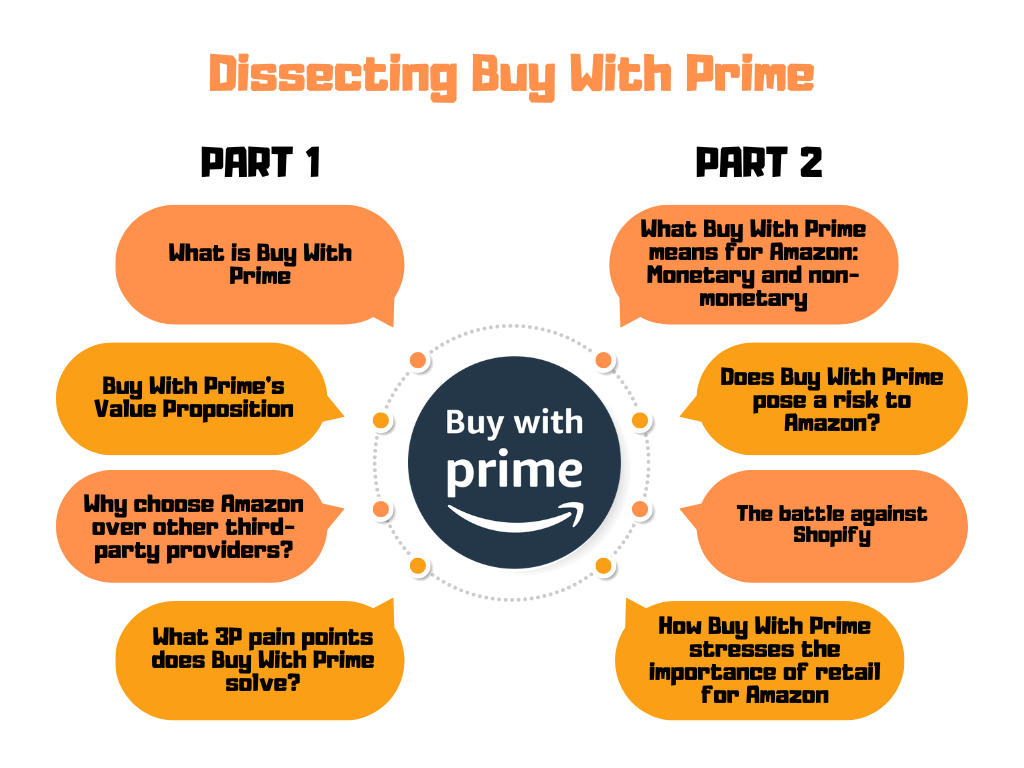
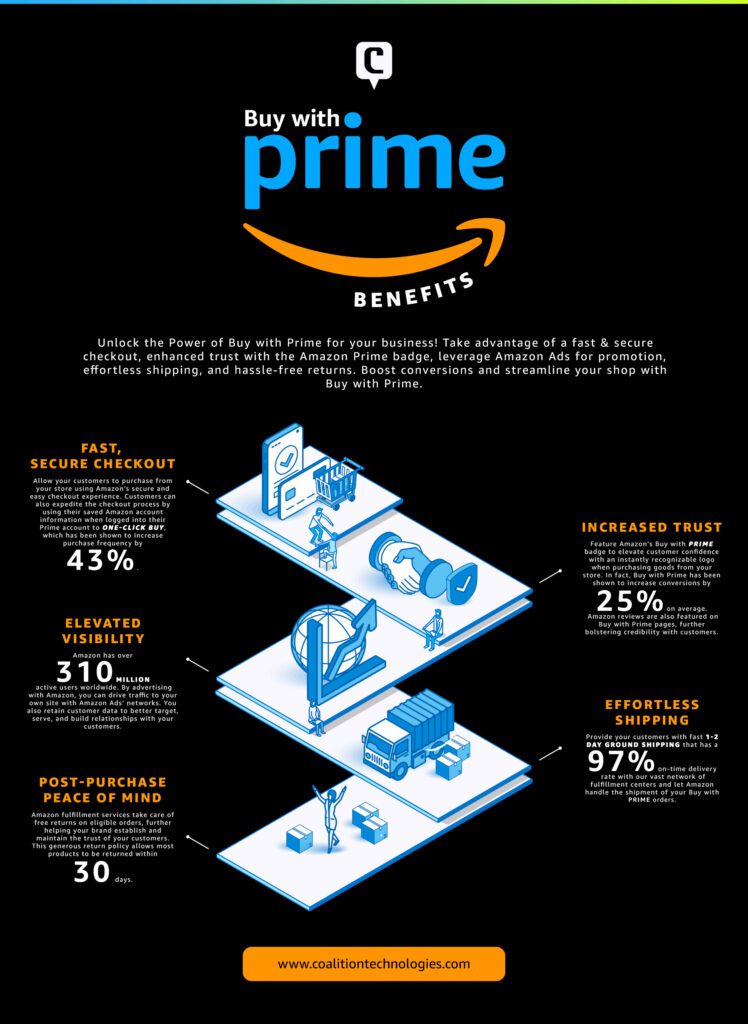
We are seeing Prime move toward a “Brand as a Service” model. With initiatives like “Buy with Prime,” Amazon is extending its brand equity to third-party websites. This is a significant shift; it means that the “Prime” brand is now a portable trust signal. When a consumer sees the Prime logo on a non-Amazon site, they immediately transfer their trust in Amazon’s logistics and customer service to that third-party merchant. This is the ultimate testament to brand power—the ability to lend your reputation to others for a fee.
Sustainability and Ethical Branding
The future of the Prime brand will likely be defined by how it handles the challenges of sustainability. As consumer values shift toward environmental responsibility, the “fast and free” promise of Prime faces scrutiny. Amazon is already rebranding its logistics chain with “Climate Pledge Friendly” badges and electric delivery vehicles. The “meaning” of Prime will have to expand to include “responsible” alongside “fast.” For the brand to maintain its dominance, it must successfully navigate this transition, ensuring that the convenience of Prime does not come at a perceived cost to the planet.
In summary, when we ask “what does Prime mean,” we are looking at the blueprint for the modern corporate superpower. It is a brand that has successfully moved beyond its origins to become a foundational element of global commerce. Through a mix of psychological engineering, ecosystem integration, and relentless focus on consumer friction, Prime has become more than a subscription—it is a global symbol of the modern consumer experience. For any brand looking to build lasting loyalty, the evolution of Amazon Prime offers a definitive case study in how to turn a service into a lifestyle.
aViewFromTheCave is a participant in the Amazon Services LLC Associates Program, an affiliate advertising program designed to provide a means for sites to earn advertising fees by advertising and linking to Amazon.com. Amazon, the Amazon logo, AmazonSupply, and the AmazonSupply logo are trademarks of Amazon.com, Inc. or its affiliates. As an Amazon Associate we earn affiliate commissions from qualifying purchases.